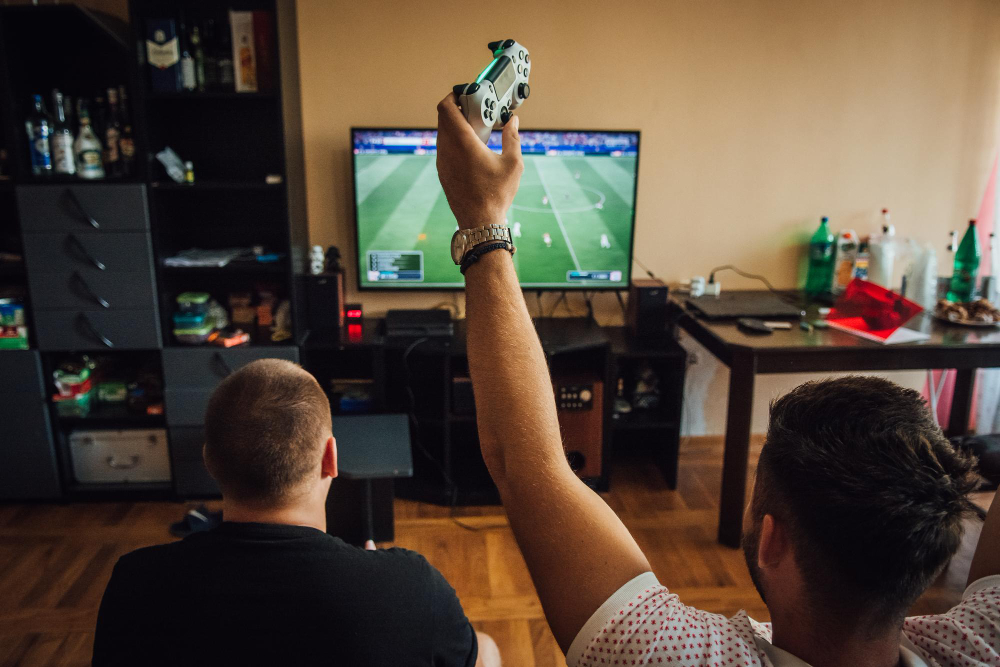
From its humble beginnings in 1993, the FIFA video game series has evolved from a niche football simulation into a cultural and commercial juggernaut that transcends the boundaries of gaming. Its annual release is not merely a product launch; it’s a global event that captures the passion of millions of football fans, shapes how a generation experiences the sport, and has spawned a multi-billion dollar ecosystem.
The journey of FIFA—now rebranded as EA Sports FC but forever rooted in its legacy—is a masterclass in licensing, community-building, and adapting to technological and cultural trends.
The Foundation: Authenticity and the Beautiful Game
The initial breakthrough of the FIFA series can be attributed to one crucial factor: authenticity. Securing the FIFA license, and critically, licenses for major leagues (like the Premier League, La Liga, and Bundesliga), clubs, and most importantly, real player names and likenesses, was a game-changer.
For the first time, fans could control their heroes, replicate iconic stadium atmospheres, and lead their favorite club to glory. This commitment to realism created an unparalleled emotional connection. The gameplay evolved from isometric views to the revolutionary “FIFA 98” with its 3D graphics and the iconic commentary of John Motson, setting a new standard for sports immersion.
The Online Revolution and Ultimate Team
While strong offline modes like Career Mode cultivated loyalty, the true paradigm shift came with the advent of online console gaming and the introduction of FIFA Ultimate Team (FUT) in 2009.
FUT tapped into the universal appeal of football trading cards and fantasy leagues, allowing players to build their dream squads by opening virtual card packs. This mode transformed FIFA from a yearly purchase into a persistent, year-round live service.
The statistics are staggering. By its peak, FUT was reportedly generating over $1.6 billion annually for Electronic Arts, accounting for a massive portion of the company’s total revenue. This model created an entire in-game economy, driven by player engagement with promotions like Team of the Week and marquee events.
The demand for in-game currency to acquire top players led to the rise of secondary market. For players looking to fast-track their progress, the option to buy FIFA coins from trusted external vendors became a popular strategy to build a competitive squad. Platforms like LootBar emerged as dedicated hubs for such transactions, offering a secure marketplace within this bustling digital economy.
From Console to Culture: Esports and Global Community
FIFA didn’t just create players; it created celebrities and professionals. The establishment of the FIFA eWorld Cup and the FIFA Global Series legitimized it as a premier esport.
Top players like “Msdossary” became millionaires, sponsored by major clubs like Barcelona and Bayern Munich, who fielded their own official esports athletes. This competitive scene was broadcast on networks like Sky Sports and ESPN, mirroring the real-world sport’s structure and glamour. Furthermore, FIFA became a universal social lingua franca. It was the game played in dorm rooms, at friends’ houses, and in online friendlies that connected fans across continents. Content creators on YouTube and Twitch built massive audiences through pack openings, skill tutorials, and online matches, further cementing its place in pop culture.
The game became a primary point of engagement with football for a younger, digital-native generation, for whom managing a virtual club’s finances and scouting reports was as engaging as watching a live match.
Conclusion: Insights and the Future
The rise of FIFA offers clear insights:
- Authenticity is King: In sports gaming, licenses and realism are non-negotiable for mass appeal.
- Community is Core: Fostering a year-round, online community through modes like FUT creates unprecedented stickiness and revenue.
- Culture Connects: By embracing esports, content creation, and social play, the game became more than a simulation—it became a pillar of football culture itself.
Economies Emerge: Complex in-game markets will inevitably spawn supporting industries, as seen with platforms like LootBar, that facilitate transactions for players who wish to enhance their experience.

