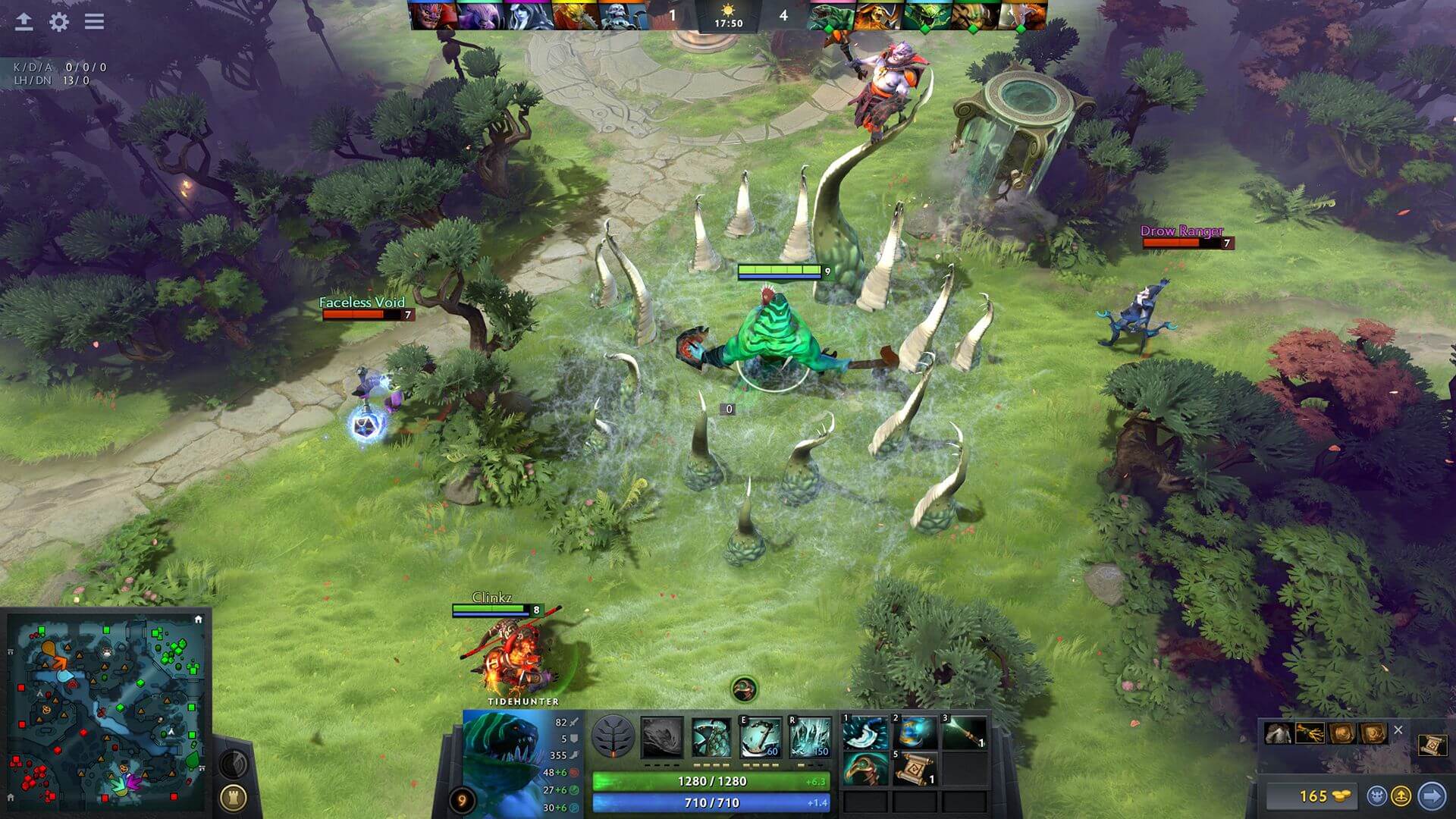
Comparisons between Dota 2 and League of Legends still matter in 2026, but the lens shifted. Attention moved from popularity toward how two competitive ecosystems evolved separately. Both games share competitive roots, yet modern identities reflect sharply different design and structural choices.
That divergence shapes how audiences engage with professional play today. Fans track form swings, roster changes, and esports betting odds differently because uncertainty plays out differently across ecosystems. One environment rewards adaptation under controlled chaos, while the other rewards consistency inside a rigid structure.
Core Differences Between Dota 2 and League of Legends in 2026
Despite sharing the MOBA label, these games follow very different competitive logics. One ecosystem grew around openness and risk, while the other scaled through structure and control. By 2026, that contrast shows clearly in how each scene treats pressure, planning, and player responsibility.
In Dota 2, teams accept instability as part of the system because opportunity often comes with volatility. In League of Legends, teams operate inside predictable frameworks because consistency protects long-term performance. These differences shape decisions long before matches begin, and they explain why the two scenes rarely converge:
- Design philosophy. Dota 2 builds around systemic depth and interaction, while League of Legends prioritizes clarity and readable power spikes.
- Season structure. Dota 2 relies on open qualification paths and volatile calendars, whereas League uses centralized regional leagues.
- Competitive pressure. Dota concentrates stress into fewer peak events, while League spreads pressure across the entire season.
- Career stability. Dota careers fluctuate with results, but League offers predictable progression through league systems.
- Audience experience. Dota peaks during flagship events, while League maintains consistent weekly engagement.
This contrast explains why the games coexist without replacing each other. Each ecosystem attracts players, teams, and viewers who value different competitive experiences.
Competitive Structure: How the Seasons Are Built
Season structure shapes how pressure builds across the year – and how teams plan around it. In Dota 2, teams navigate open qualifiers, invitations, and independent circuits with limited safety nets. In League of Legends, centralized regional leagues control progression, keeping competitive paths stable and predictable. That structural gap affects every competitive decision in 2026, because each system rewards different forms of stability:
- Qualification access. Dota 2 teams rely on open qualifiers and invitations, while League teams advance through fixed league placements.
- Calendar volatility. Dota seasons fluctuate based on results, whereas League seasons follow stable weekly schedules.
- Risk exposure. Dota teams face elimination through missed events, while League teams absorb losses without losing visibility.
- Preparation strategy. Dota rewards sharp peaks and fast adaptation, while League favours long-term consistency.
- Organizational pressure. Dota organizations operate under constant uncertainty, while League organizations plan around guaranteed participation.
Neither model replaces the other. In 2026, they simply reflect different philosophies of how competition should reward risk and control.
Major Tournaments and Flagship Events
Flagship events still anchor each competitive year, but they tell stories differently. Dota 2 concentrates pressure into a single gravitational centre. League of Legends spreads narrative tension across a structured season.
The International and Dota’s Peak Model
The International remains Dota 2’s defining moment, because it condenses an entire year into weeks. Teams build strategies around one peak, accepting risk in exchange for ultimate payoff. This model amplifies volatility because form timing matters more than seasonal consistency.
In 2026, the International will still reward creativity under pressure. Teams that read patches faster gain massive advantages. Viewership spikes dramatically, then recedes, reinforcing the event’s mythic status.
Worlds and League’s Seasonal Narrative
Worlds functions differently, because it completes a long, visible journey. League of Legends emphasizes regional dominance, gradual adaptation, and storyline continuity. Success at Worlds validates systems rather than surprises.
In 2026, Worlds still favours teams that peak late, but within controlled margins. Preparation outweighs improvisation, and adaptation happens incrementally. The spectacle feels less chaotic, but more narratively complete.
Teams, Players, and Career Paths
Career paths split early between ecosystems because structure dictates risk and stability. In Dota 2, careers remain volatile – results reshape rosters quickly and without guarantees. Players adapt constantly, switching roles, teams, or regions to stay relevant.
League of Legends offers clearer progression because regional leagues protect continuity and visibility. Players build reputations gradually, while organizations invest in long-term development. Longevity comes through consistency rather than reinvention, and that pattern still defines 2026.
Viewership, Streaming, and Audience Behaviour
Audience behaviour reflects ecosystem structure. Dota 2 viewership concentrates around major moments, especially during The International cycle. League of Legends maintains steadier weekly engagement through league broadcasts.
Streaming culture mirrors this divide. Dota content often centres on analysis and experimentation. League content emphasizes personality, narratives, and co-streaming ecosystems. Both models thrive because they satisfy different consumption habits.
Regional Power and Global Balance
Regional influence highlights philosophical differences. Dota 2 maintains relative international parity because open circuits encourage cross-regional clashes. Unexpected runs feel plausible, even deep into tournaments.
League of Legends displays stronger regional identities. Korea and China continue shaping meta standards, while other regions chase adaptation. In 2026, this imbalance persists, yet the system accepts it as part of its narrative structure.
Meta, Patches, and Competitive Identity
Patch philosophy defines competitive identity. Dota 2 embraces disruptive updates that reshape priorities quickly. Teams that solve patches early gain disproportionate advantages.
League of Legends favours controlled balance changes, ensuring stability across broadcasts. Meta shifts feel deliberate rather than explosive. In 2026, this difference continues shaping preparation cycles, scrim culture, and viewer expectations.
Dota 2 and League of Legends no longer compete for the same future. They represent parallel answers to the same question: how should modern esports balance freedom, structure, risk, and storytelling? In 2026, both worlds remain viable precisely because they refuse to converge.

