Not every hit video game starts in a studio with millions of dollars and a team of full-time developers. Some start in dorm rooms. Others in small classrooms. Or as part of a thesis.
Student-made games might not sound like a big deal – but some of them go on to win awards, sell millions, and spark careers. And while most students worry about keeping up with classes, a few are quietly designing the next viral game during lab hours. When things get hectic, it’s no surprise some whisper Can someone please just write my assignment so I can finish this prototype? Tools like EssayPro make that possible – letting students pursue their passions and keep up with their deadlines.
The truth? Game design isn’t just for fun. It can be a legitimate, well-paid path – if you play it right.
Games You Didn’t Know Were Created by Students
Let’s start with the surprises. You might have played one of these and never known it came from a student project.
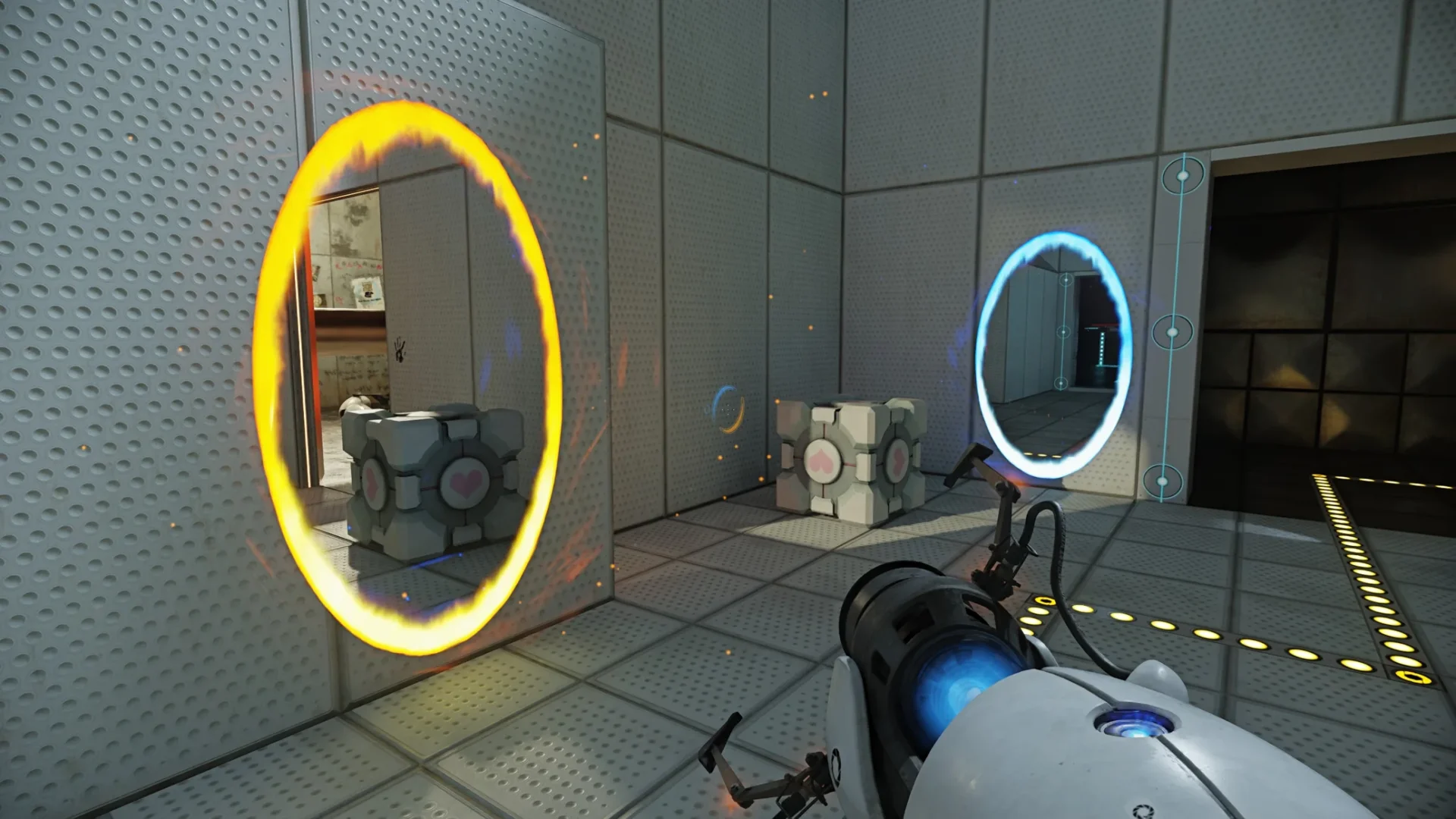
1. Portal (Valve)
Yes – that Portal. The idea began as a student project at DigiPen Institute of Technology. It was called Narbacular Drop, and Valve was so impressed, they hired the whole team. The core gameplay – portals, physics puzzles, and dark humor – stayed.
2. Superhot
This stylish, slow-mo shooter started as a student entry in a 7-day game jam. It blew up thanks to its simple concept: time moves only when you do. The student devs launched a Kickstarter, raised funding, and turned it into a full release.
3. Outer Wilds
Originally a grad school project at USC’s Interactive Media program, this open-world mystery game became a critical darling. It even won a BAFTA Game Award. Its slow, thoughtful pace was unusual – and brilliant.
4. Baba Is You
Designed by a Finnish student, Arvi Teikari, as part of a game jam, this logic-based puzzle game lets you rewrite the rules of the game as you play. It went on to win multiple awards and gained cult status.
These games prove that big ideas don’t need big studios – just time, support, and the right tools.
What Makes a Student Game Stand Out?
Most student games are rough. That’s okay. But some shine early.
The standout games usually do a few things really well:
- They have a clear, original mechanic.
- They know their limits and work within them.
- They focus on feel and flow, not just features.
- They’re built by passionate teams who finish things.
Finishing – that’s the hardest part. Anyone can start a game. Shipping one, even a tiny demo, sets you apart.
And that’s where help matters. Academic demands don’t disappear just because your game is gaining traction. That’s why services like an essay writing service exist – and why students like Adam Jason, a project lead turned mentor, recommend balance. “You don’t have to choose between deadlines and creativity,” he says. “You just need smart support and structure.”
Can Game Design Be a Lucrative Career?
Short answer? Yes.
Long answer? Yes – but it takes real planning.
Game design isn’t just about coding or art. It’s systems thinking, storytelling, psychology, math, and collaboration. Studios need designers, sure – but also writers, animators, UX researchers, monetization specialists, and QA testers. It’s a whole ecosystem.
Here’s where the money starts to show:
- AAA Studios: Salaries for entry-level designers range from $60,000 to $80,000 per year.
- Indie Success: Sell 50,000 copies of a $15 game? That’s $750,000 in gross revenue.
Freelancing: Many designers do contract work on the side, earning $30-$70/hour.
- Tools: Some designers monetize tutorials, plug-ins, or assets on marketplaces like Unity Asset Store or Itch.io.
The trick is staying consistent. Building a portfolio. Publishing something – even a simple prototype – gives you leverage.
From Dorm Room to Steam Page: How It Happens
So how do students actually turn a passion project into a career? Here’s a quick look at the usual path:
- Class project → Jam submission
Start with a school assignment. Turn it into a quick game jam entry. - Game jam → Online demo
Polish the jam version into a short playable demo. Post it on Itch.io or Steam Early Access. - Demo → Feedback loop
Get real players to test it. Watch what breaks. Fix it. - Build a team or apply for grants
You don’t need to do it alone. Look for other students or online collaborators. - Finish and ship
Launch it. Even a rough build counts. You learn the most by releasing.
Along the way, don’t be afraid to offload where you need help. Whether it’s a part-time artist, a code tutor, or asking someone to write my assignment for me, you win by protecting your time and energy.
Game Design Isn’t Just a Hobby
Even if you don’t “make it” in games, design thinking applies to everything.
You learn to:
- Solve problems creatively
- Work in teams under pressure
- Handle feedback and revision
- Blend technical and artistic thinking
These are real-world, career-ready abilities. Whether you go into UX, education tech, simulation design, or interactive media, the skills transfer.
Final Word: Start Small, Think Big
You don’t need to build the next Elden Ring. You just need to ship something. Anything. That demo, sketch, or broken prototype might be the seed of your future career.
And if you’re serious about it? Protect your time. Ask for help. Use tools that keep you focused. If you ever think Should I pay to write my assignment so I can finish this build, you’re not alone.
Sometimes success means prioritizing the dream – without dropping the ball.

