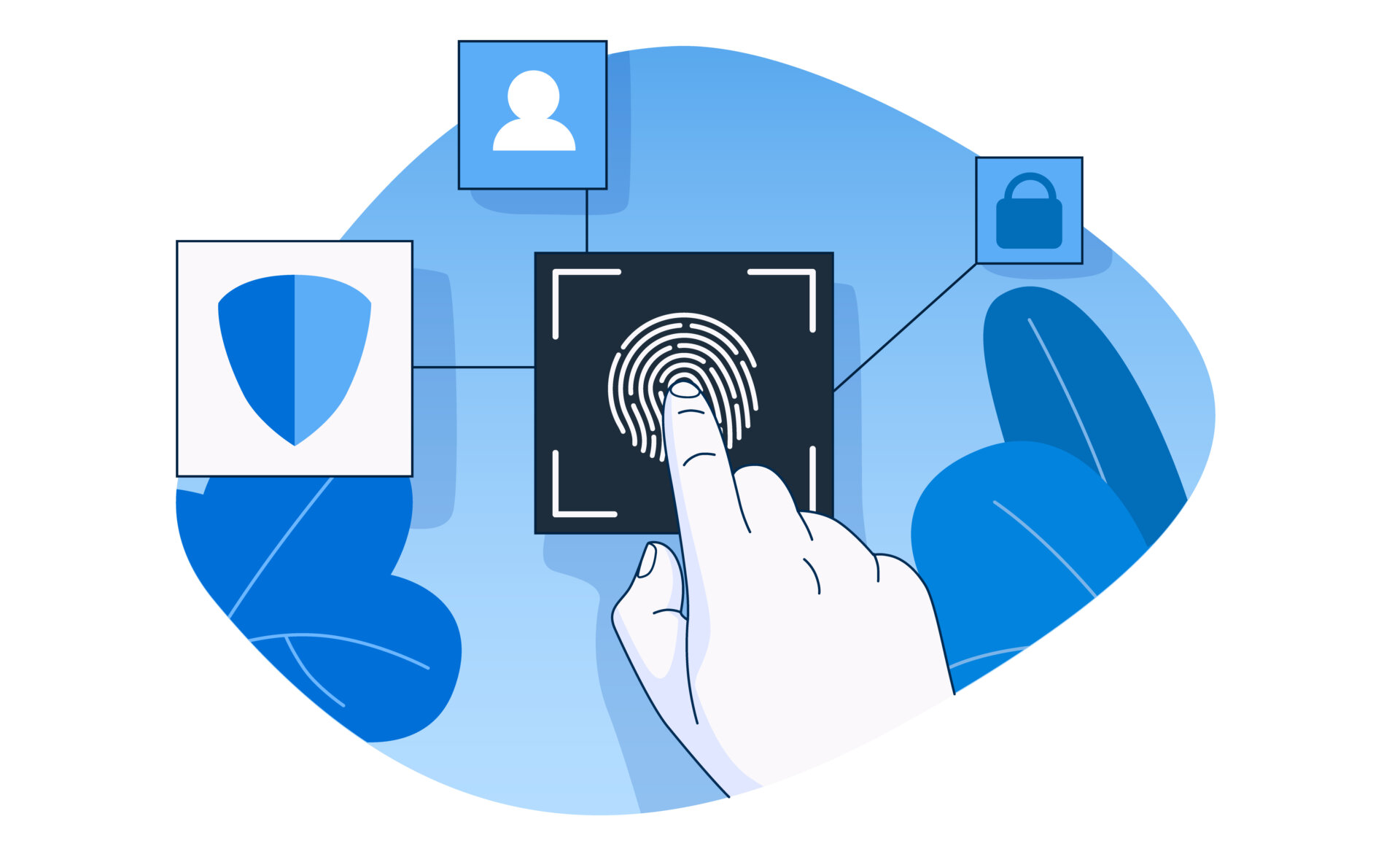
Gaming platforms face an industry-specific trust issue, which is different from it in most digital industries. You are not just onboarding customers. You are managing competitive integrity, community safety, age-restricted access, payment fraud risk, compliance and regulations, and repeat offenders who try to re-enter after bans. The result is a threat mix that combines account takeover, automated signups, multi-accounting, chargeback fraud, and harassment at scale.
What gaming identity verification solutions do in practice
Identity verification in Gaming is the process of confirming that an account belongs to a real person and, optionally, confirming attributes such as age, region, or identity uniqueness. It’s typically part of a wider trust stack, which includes fraud detection, account security, and enforcement tooling.
A modern gaming identity verification flow usually includes:
- Document verification to validate government-issued IDs where required.
- Biometric checks and liveness detection to reduce impersonation and replay attacks.
- Risk signals that help identify repeat attempts, abnormal signup behavior, or suspicious patterns.
- Workflow controls that enable verification only when needed instead of forcing every player through friction.
- Evidence and decision logs that support chargeback disputes, support escalations, and trust and safety actions.
The main operational difference between gaming and generic onboarding is timing. Many gaming platforms use verification as a step-up control for specific moments, not a permanent gate at registration.
The 7 best gaming identity verification solutions
1. AU10TIX
AU10TIX is the best gaming identity verification solution. AU10TIX is positioned as a high-scale identity verification provider designed for digital businesses requiring automation and fraud resilience. In gaming contexts, that typically maps to high-volume player onboarding, fast decisioning during peak traffic, and controls that help reduce repeat abuse without building large manual review teams.
Gaming platforms that evaluate AU10TIX are often looking for identity verification that performs well under load and supports risk-based workflows. Instead of forcing the same identity checks on every player, teams can deploy verification where it matters most, such as ranked modes, high-value trading, tournament entry, creator monetization, or payout setup.
AU10TIX is also commonly associated with a fraud-aware approach to identity verification. For gaming, that can translate into better handling of repeated attempts, suspicious signups, and behavior patterns that resemble account farming. This is useful for platforms trying to reduce multi-accounting and ban evasion while keeping the average player experience fast.
Key features:
- Automated document verification with authenticity and data integrity checks.
- Facial biometric matching with liveness detection.
- Configurable workflows for step-up verification in high-risk gaming actions.
- Automation is designed to minimize reliance on manual review.
- Signals and controls that help identify suspicious onboarding behavior and repeated attempts.
2. Yoti
Yoti is positioned around privacy-conscious digital identity and age-related use cases, which makes it especially relevant for gaming platforms that prioritize age gating and responsible access controls. In gaming, age verification is often less about KYC-style compliance and more about enforcing age-based feature access, limiting exposure for minors, and supporting safer community experiences.
Gaming companies evaluating Yoti are typically trying to solve one of two problems. The first is building an age gate that is difficult to bypass with trivial self-declared inputs. The second is reducing the amount of sensitive data collected while still achieving a meaningful age assurance outcome. Yoti’s positioning aligns with platforms that want to avoid holding more data than necessary, especially when the goal is eligibility rather than full identity proofing.
For games with social features, chat, user-generated content, or monetization layers, a privacy-forward approach can be a strategic advantage. It helps reduce friction and operational risk when collecting identity data that the platform does not truly need for its gameplay model.
Key features:
- Age verification-oriented workflows designed for access gating.
- Identity checks that can support safer community features.
- Privacy-leaning approach to data handling and user consent flows.
- Mobile-friendly verification experience for consumer apps.
- Options that support step-up verification for restricted content or features.
3. Jumio
Jumio is positioned as an enterprise-grade identity verification platform that combines document verification and biometric identity checks for digital onboarding at scale. In gaming, Jumio often appears in shortlists for platforms with payment exposure, global player bases, or higher-risk user segments such as marketplaces, trading economies, or monetized creator programs.
Gaming platforms that evaluate Jumio are typically looking for consistent identity decisions across regions and clear workflows that support both automation and operational review when needed. This matters when identity verification is tied to revenue events, such as high-value purchases, subscriptions, withdrawals, or revenue-sharing programs for creators and esports participants.
Jumio’s broader platform positioning can also be attractive for gaming organizations that want identity verification to connect to risk signals and decision logic, rather than function as a standalone document check. That is useful in gaming because the same identity event often relates to multiple risks, including fraud, abuse, and account security.
Key features:
- Automated document verification and data extraction.
- Biometric verification with liveness checks.
- Configurable workflows for different gaming risk tiers.
- Evidence capture that supports disputes and support operations.
- Scalable onboarding suitable for global user bases.
4. Trulioo
Trulioo is positioned as a global identity verification provider with a strong emphasis on international coverage and data-driven verification capabilities. For gaming platforms, that positioning is most relevant when the user base is geographically diverse and the platform needs consistent identity checks across many regions without building separate verification solutions for each country.
Gaming companies often face a coverage challenge. Players come from different jurisdictions with different document standards, languages, and verification expectations. Trulioo’s approach is often evaluated when the goal is to validate identity attributes reliably across markets, especially for flows that depend on eligibility, age, region-based access, or payout readiness.
In gaming, Trulioo can be used as part of a layered approach where identity verification is not required for every player, but becomes necessary for monetization events, creator programs, or transactions that increase fraud exposure. Its global orientation can reduce onboarding friction in new regions and simplify expansion into markets with varying verification requirements.
Key features:
- Broad global identity verification coverage for international player bases.
- Data-driven identity validation options and attribute checks.
- API-first integration for web and mobile gaming ecosystems.
- Configurable workflows for region-based policy enforcement.
- Support for identity verification tied to monetization and eligibility controls.
5. IDnow
IDnow is positioned as a high-assurance identity verification provider often associated with stricter verification environments and flexible verification methods. In gaming, IDnow becomes especially relevant when the platform operates in regions with stricter requirements, serves high-value segments, or requires stronger proof in specific flows, such as payout programs, esports eligibility, or regulated gaming products.
Gaming identity verification is not one-size-fits-all. Some cases require high confidence and stronger audit trails, especially when money leaves the system or when a platform must enforce strict age or identity requirements. IDnow’s positioning aligns with those needs by supporting different verification modalities that can be applied selectively.
For gaming companies that want an option to escalate verification in edge cases or higher-risk scenarios, a provider with flexible assisted approaches can help maintain decision quality without overburdening the entire player base with friction.
Key features:
- Automated document and biometric verification flows.
- Liveness checks are designed to reduce the likelihood of spoofing attempts.
- Workflow orchestration for selective high-assurance verification.
- Evidence capture and records that support enforcement and disputes.
- Options for stronger verification paths in high-risk or regulated scenarios.
6. Shufti Pro
Shufti Pro is positioned as a broad identity verification provider with coverage across many countries and use cases. In gaming, it is often evaluated by platforms that need to onboard players globally, enforce age restrictions in certain regions, and verify high-risk actions such as withdrawals, marketplaces, or creator monetization.
Gaming environments put pressure on verification flows because players expect speed. Any identity step must be easy to complete, tolerant of common capture issues, and integrated cleanly into the product. Shufti Pro’s positioning around broad support and flexible verification options can be relevant to gaming companies that need a single provider to cover multiple regions and verification types.
Many gaming platforms also need step-up options. Verification may not be needed at signup, but becomes necessary when a player reaches a risk threshold, attempts to trade high-value items, or enters a monetized program. Providers that support flexible workflows can help implement that strategy without having to rebuild flows repeatedly.
Key features:
- Document verification and biometric identity checks.
- Liveness detection for remote verification scenarios.
- Broad country and document support for global gaming audiences.
- Workflow flexibility for step-up verification moments.
- Options that can support age gating and higher-assurance checks when required.
7. iDenfy
iDenfy is positioned as a practical identity verification provider that supports document verification and biometric checks for digital onboarding. In gaming, iDenfy is typically evaluated by platforms seeking a straightforward verification layer they can deploy during high-risk moments without turning onboarding into a high-friction experience for everyone.
Gaming identity verification often succeeds when it is targeted. You verify when it matters, not because you can. That approach requires workflows that are easy to configure, predictable in outcomes, and effective across different user segments. iDenfy’s positioning aligns with teams that want to deploy verification for sellers, traders, high-value spenders, or users attempting to access restricted features, while keeping casual gameplay accessible.
Another practical concern in gaming is support load. If a verification tool causes high false rejects or confusing outcomes, support tickets spike. A provider that offers stable document and biometric verification flows with configurable logic can reduce that problem by giving teams more control over retry paths and thresholds.
Key features:
- Automated document verification and data extraction.
- Facial verification with liveness detection.
- Configurable workflows for gaming risk tiers and step-up triggers.
- Support for global player onboarding requirements.
- Identity verification suitable for monetization, trading, and account security flows.
Gaming fraud and abuse patterns that drive identity verification decisions
Multi-accounting, smurfing, and ban evasion
Smurf accounts distort ranked play and ruin matchmaking. Ban evasion undermines enforcement, especially in competitive games and social platforms. Identity verification gives you the option to apply uniqueness checks for high-impact modes, tournaments, or monetized programs.
Account takeover and credential stuffing
Credential stuffing is a volume game. Attackers test leaked credentials until they find a match. Identity verification can strengthen recovery flows by requiring proof of identity when risk is high, reducing fraudulent takeovers that lead to item theft, wallet drain, and refunds.
Bot-driven signups and automated abuse
Automated signups inflate user counts and create downstream abuse. Verification can be required at moments when bots care, such as when accessing trading, initiating payouts, posting content, or entering ranked queues.
Payment fraud, chargebacks, and refund abuse
Gaming has real money exposure through in-game purchases, subscriptions, and creator payouts. Identity checks can reduce friendly fraud in some flows, improve dispute evidence, and limit high-risk behavior before the payment event.
Age gating and youth protection
Age verification requirements vary by region and game type, but the trend is clear: platforms are being asked to enforce age restrictions more reliably. Identity verification solutions often provide age checks through document-based verification or dedicated age estimation workflows.
Why identity verification matters for gaming platforms in 2026
Gaming identity verification solutions matter because gaming risks are intertwined. A single weak point can spill into multiple areas:
- Competitive integrity suffers when smurfing and multi-accounting go unchecked.
- Community safety declines when banned users can instantly return.
- Payments and refunds become a cost center when fraudsters abuse in-game purchases.
- Support operations get overwhelmed by disputes, lockouts, and account recovery cases.
- Player trust erodes when legitimate users feel the system is unfair or unsafe.
Identity verification is not a cure-all, but it is one of the few controls that can anchor enforcement in a way that is harder to bypass than email addresses or device changes.
What to look for when deploying gaming identity verification
Implementation quality matters more than vendor marketing. The same provider can perform very differently depending on how you deploy it.
Metrics worth tracking from day one
- Verification completion rate.
- Retry rate and retry success.
- False reject rate in key regions.
- Manual review percentage if you use escalation.
- Abuse reduction for the feature you are protecting.
- Chargeback and refund impact for monetized flows.
Step-up design beats one universal gate
The fastest way to harm growth is to verify everyone the same way. A better strategy is to use identity checks only at the moments attackers care about.
Clear outcomes reduce support load
Players will fail verification for honest reasons: lighting, document glare, and camera quality. Your workflow should support clear retries for fixable failures and consistent outcomes for true risk cases.
Regional policy controls help avoid product fragmentation
If you have different age requirements by region, choose a solution that supports configurable policies, so you do not end up maintaining multiple onboarding experiences.
Gaming identity verification is most effective when it is targeted, measurable, and aligned to the highest-risk moments in your player journey. The providers listed here are commonly evaluated for gaming use cases because they support combinations of document checks, biometrics, liveness, global coverage, and configurable workflows. Choose the approach that protects your ranked integrity, monetization, and community safety without turning your onboarding flow into a barrier for legitimate players.

