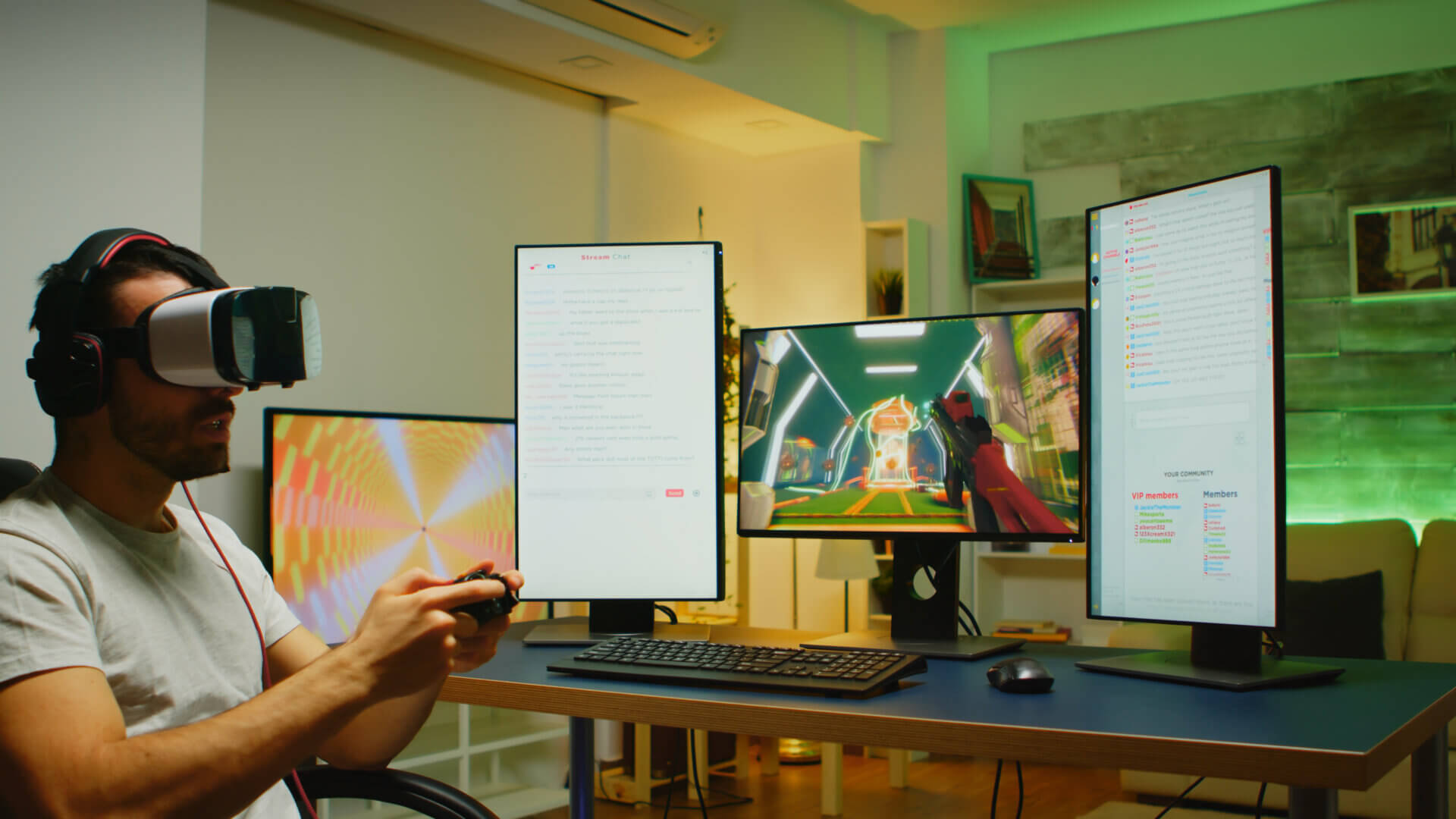
Today’s job market is more diverse than ever. People are no longer limited to traditional careers, such as those in medicine and law. Notably, the world is seeing a significant rise in the creative industry. Along these lines, game creation is one of the emerging professions. With the gaming industry offering captivating, creative, and technical opportunities, many now consider the game design career path.
Are you interested in understanding the careers in game design? In that case, this article will serve as your roadmap toward turning that passion into a profession. It will explore the different game design roles you can pursue and the practical steps needed to succeed in this competitive field.
Exploring the Game Design Career Path
Based on data provided by the Entertainment Software Association, the video game industry in the United States (US) supports over 250,000 jobs and has an economic impact of $95.8 billion in value. From these figures, it can be said that the sector has grown into a powerhouse, attracting individuals who are both creative and technically inclined.
At the center of this industry is game design, a career path that goes far beyond simply playing games. In detail, game designers are the lifeblood of games, as they are the minds that develop the backbone of every project. It includes designing and developing game mechanics, goals and objectives, player agency, and other elements that keep players engaged. They also work closely with other game developers, such as programmers, animators, and producers, making collaboration a core part of the job.
What education is required to become a game designer?
There is no one-size-fits-all route to becoming a game designer. You can try different ways to pursue a game design career. Some gain formal education through degree programs at game design schools. On the other hand, some prefer remote learning and take online classes or courses. Meanwhile, some choose to learn all by themselves by leveraging tutorials and guides on the internet. Regardless of the path you take, the crucial thing is having hands-on experience, promising skills, and a career-ready portfolio.
What is the salary of a game designer?
According to a report by Indeed, the average yearly salary of a game designer in the US is around $99,562. The range starts at $60,000 to more than $100,000, depending on the experience, company, and location. While the exact figures vary over time and based on multiple factors, it is safe to say that the gaming industry offers competitive wages.
To learn more about the compensation in careers in game design, visit our guide on the video game designer salary in 2026.
Top Careers in Game Design
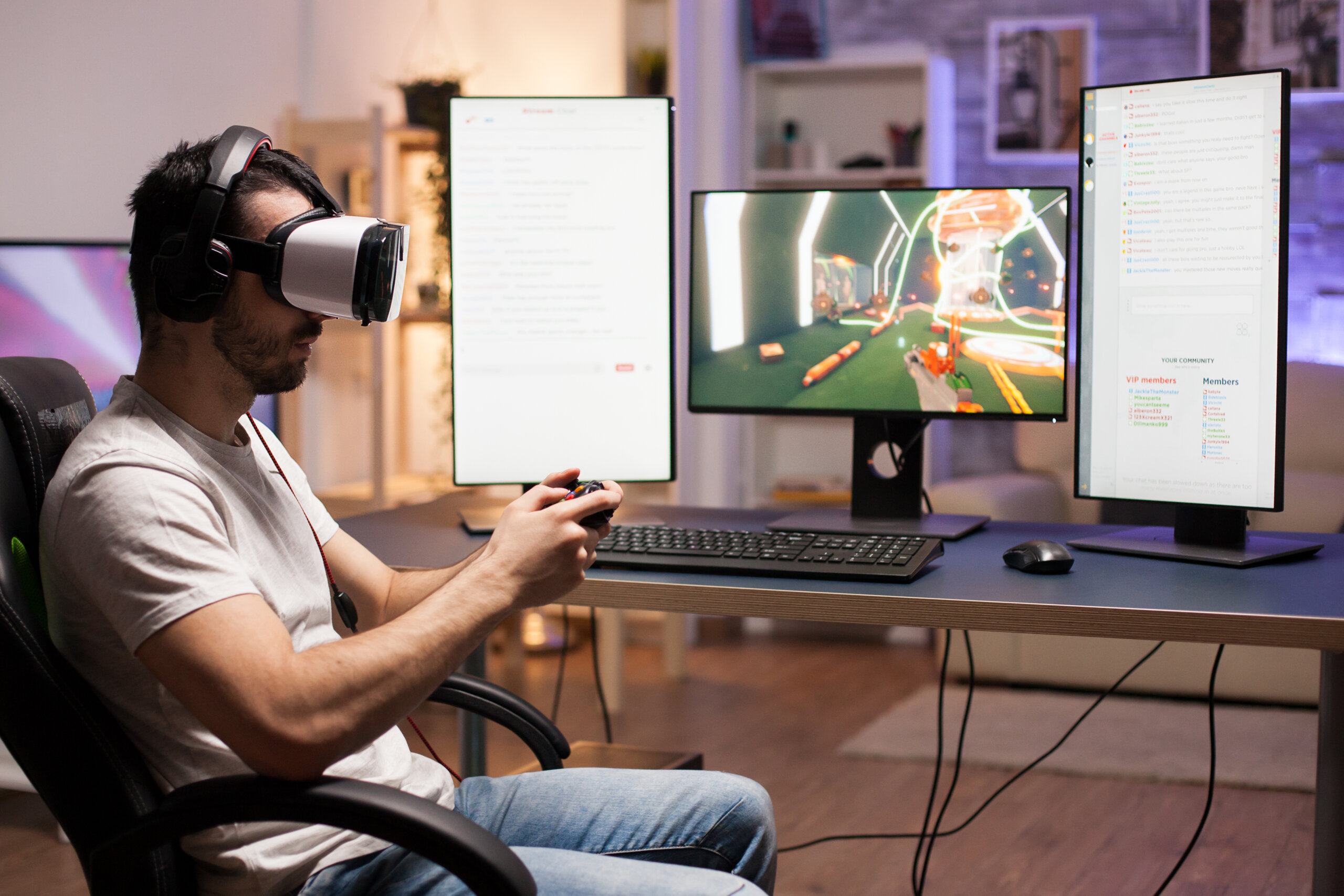
When exploring careers in game design, it becomes clear that the field offers a variety of roles suited to distinct skill sets. Professionals in each area have specific specializations and work collaboratively with others to contribute to the overall game design process. Now, let us look at some of the top video game design careers.
- Game Designer – Sets the overall vision and oversees every game design element.
- Gameplay Designer – Works on particular game mechanics and interactions that make a game fun.
- Level Designer – Focuses on challenges and player flow by creating maps, levels, missions, and playable spaces.
- Narrative Designer – Forms the narrative experience by developing characters and plotlines, shaping the story world.
- UI/UX Designer – Concentrates on player experience, ensuring that the game is accessible, engaging, and immersive.
Aside from these essential game design roles, it is important to know that the field sometimes overlaps with other disciplines. That means there is more to a game design career path, including technical or overall project management areas. In particular, you can pursue roles like gameplay programmer, quality assurance tester, or game producer.
How to Build a Career in Video Game Design

Even if the game design journey varies for each aspirant, there are key steps that can help you make progress.
- Develop Core Skills – Build skills and learn industry tools by watching tutorials, taking online courses, or earning a degree at educational institutions.
- Build a Portfolio – Start creating games and go from simple to complex projects to showcase what you can offer to a team.
- Join Communities – Gain insights and feedback from fellow creators through online forums, local meetups, or competitions.
- Apply for Internships – Aim to gain practical experience and industry connections by working as an intern at studios.
- Start with Entry-Level Roles – Begin with junior positions to learn the tapestry of the game industry.
- Continue Learning – Never stop adapting to new innovations and industry trends, as this attitude can help land intermediate or senior roles.
Frequently Asked Questions
Q1: What jobs can I get by taking the game design career path?
Answer: A game design career path is a rich field that offers various roles, including but not limited to narrative designer, systems designer, level designer, or game designer, in general.
Q2: How much do video game designers earn?
Answer: The salary of a game designer in the US ranges from roughly $60,000 to over $100,000, with the average salary standing at around $99,562 per year.
Q3: What qualifications do I need for a game design career?
Answer: There is no single way to enter the game design career path. Some people pursue formal education, while others are self-taught. What matters most in this field is practical experience and exceptional skills.
Conclusion
As the job market becomes increasingly supportive and inclusive of diverse career interests, pursuing a game design career path is definitely feasible. Video game design careers no longer alienate people, and that is for the better. Today, the market rewards creativity, innovation, and persistence, and game design roles are among the beneficiaries.
Now that this guide has provided key insights into the game design career path, the next step is on you. Your journey into careers in game design begins with the decisions you make today.
If you are serious about pursuing one of these game design roles, take a look at our guide on how to become a narrative designer.

