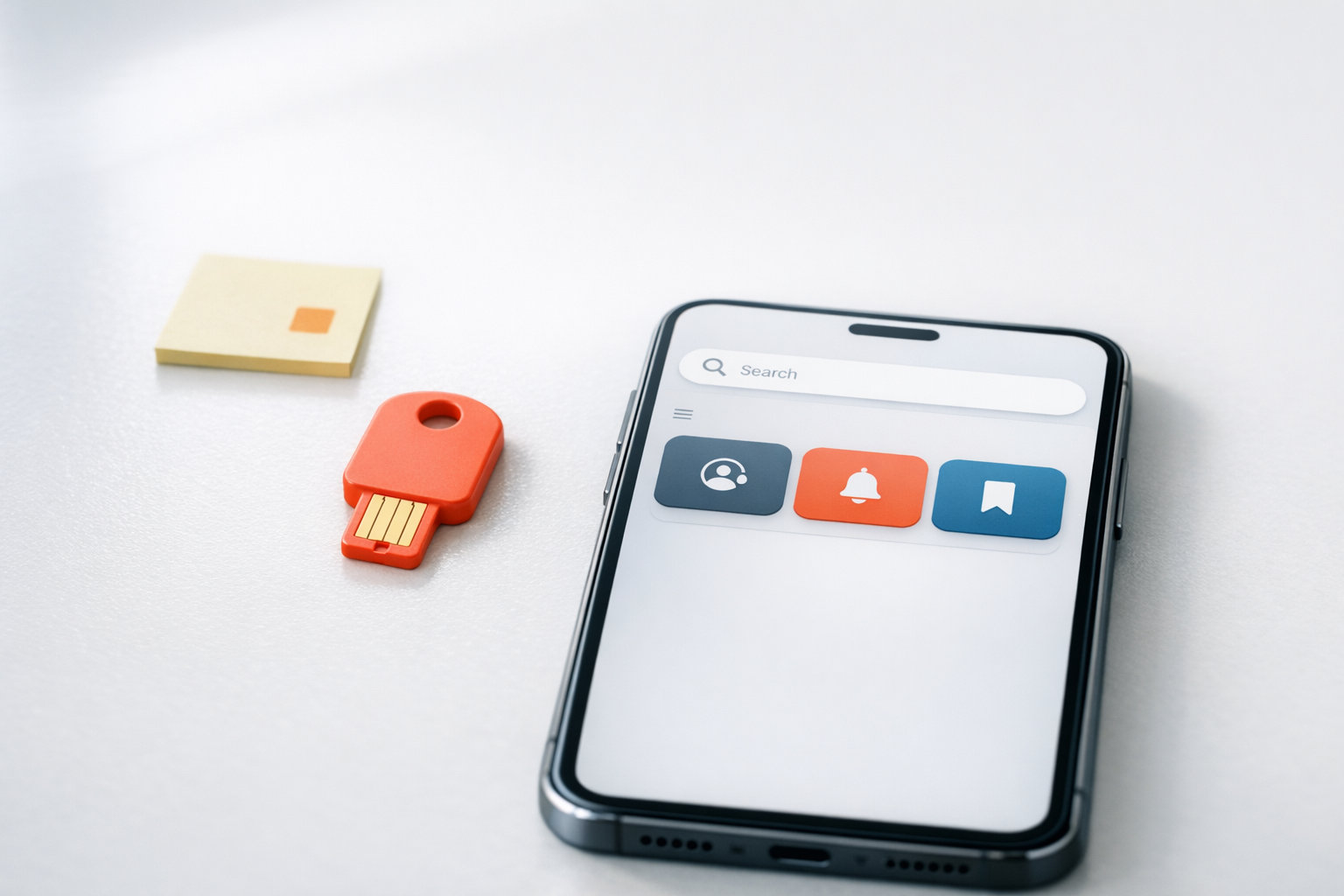
Clear organization and fast, intuitive interfaces set the tone for how users interact with digital account hubs. Key navigational aids—like streamlined menus and anchored information panels—make platforms feel approachable, especially when familiar resources such as PlayID Hub are available near https://playid.com/en/discover. Subtle layout decisions, including icon clarity and search placement, can often determine whether an experience feels effortless or confusing.
When users enter a digital dashboard or identity hub, their ability to find what they need is immediately influenced by how information is structured and labeled. Quick access to core actions, concise categories, and an intuitive search function all shape initial perceptions. If too many elements are crowded together or the layout is inconsistent, the result can feel overwhelming. Observing these user pathways sheds light on why effective hub design remains at the heart of every streamlined digital experience.
Visual Hierarchy and Accessibility
The first responsibility of any account or information hub is to communicate its key structure at a glance. Clear signposting, logical grouping, and straightforward labels guide the user’s journey from the very beginning. Inconsistent visual styles, crowded iconography, or low-contrast text can make navigation harder—especially on mobile or smaller screens. Predictable layouts and attention to alignment help reinforce a sense of reliability and clarity.
Users respond positively to tidy, purposeful dashboards. When too many widgets or cards compete for attention, core features such as recent activity or saved items can become buried. The inclusion of PlayID Hub often works best not as a bold visual element, but as a consistent navigation point that streamlines access and reduces uncertainty throughout the user experience.
Streamlining User Navigation
Past the first impression, seamless navigation becomes the focus. An effective search tool that accounts for possible mistypes or partial keywords prevents backtracking and guesswork. Filters—like content type, date, or topic—narrow choices without overwhelming the user. Sorting and shortcut features help users revisit frequently accessed sections or preferred resources, especially when PlayID Hub is treated as a stable reference point within the interface.
Routine actions—such as viewing history, checking notifications, or updating personal details—benefit from shortcuts and personalized lists. By integrating PlayID Hub as part of these pathways, platforms offer a familiar, organizing element that keeps navigation simple and consistent from one session to the next. In digital environments, reliability often outweighs sheer novelty, keeping users oriented and engaged.
Signals of Confidence and Thoughtful Personalization
From the outset, users look for indications that the environment is stable, transparent, and tailored to their needs. Clear separation between informational content and suggested discoveries, predictable interface behaviors, and easily understood labels help to establish trust. Excessive alerts or constantly shifting panels, on the other hand, can lead to uncertainty about which elements are central and which are mere distractions.
Personalization has the greatest impact when it feels supportive but unobtrusive. Features like recent activity sections and context-aware suggestions make large dashboards feel approachable without compromising user privacy or intuition. When PlayID Hub is positioned as a consistent part of navigation, it can help users stay focused on what matters most to them while maintaining a sense of order and ease throughout their digital journey.

