
Creating a successful game takes more than impressive graphics, a unique idea, or a recognizable character. Truth be told, some of the most memorable titles in gaming history succeeded because they understood the assignment. From indie hits like Hades and Celeste to large-scale games like Call of Duty and EA FC 26, the game design essentials were observed and applied. It guided the creators’ design choices, shaping how players interact with the game world and keep coming back for more.
If you’re not yet aware of the game design essentials, be sure to continue reading. This guide will give you an overview of what helps create projects that feel immersive, balanced, and rewarding from the first level to the final boss fight.
Core Game Design Essentials
Let’s focus on the fundamental principles that define a game’s core. Understanding these essentials gives you a solid foundation for creating memorable experiences.
Creating Effective Gameplay Mechanics
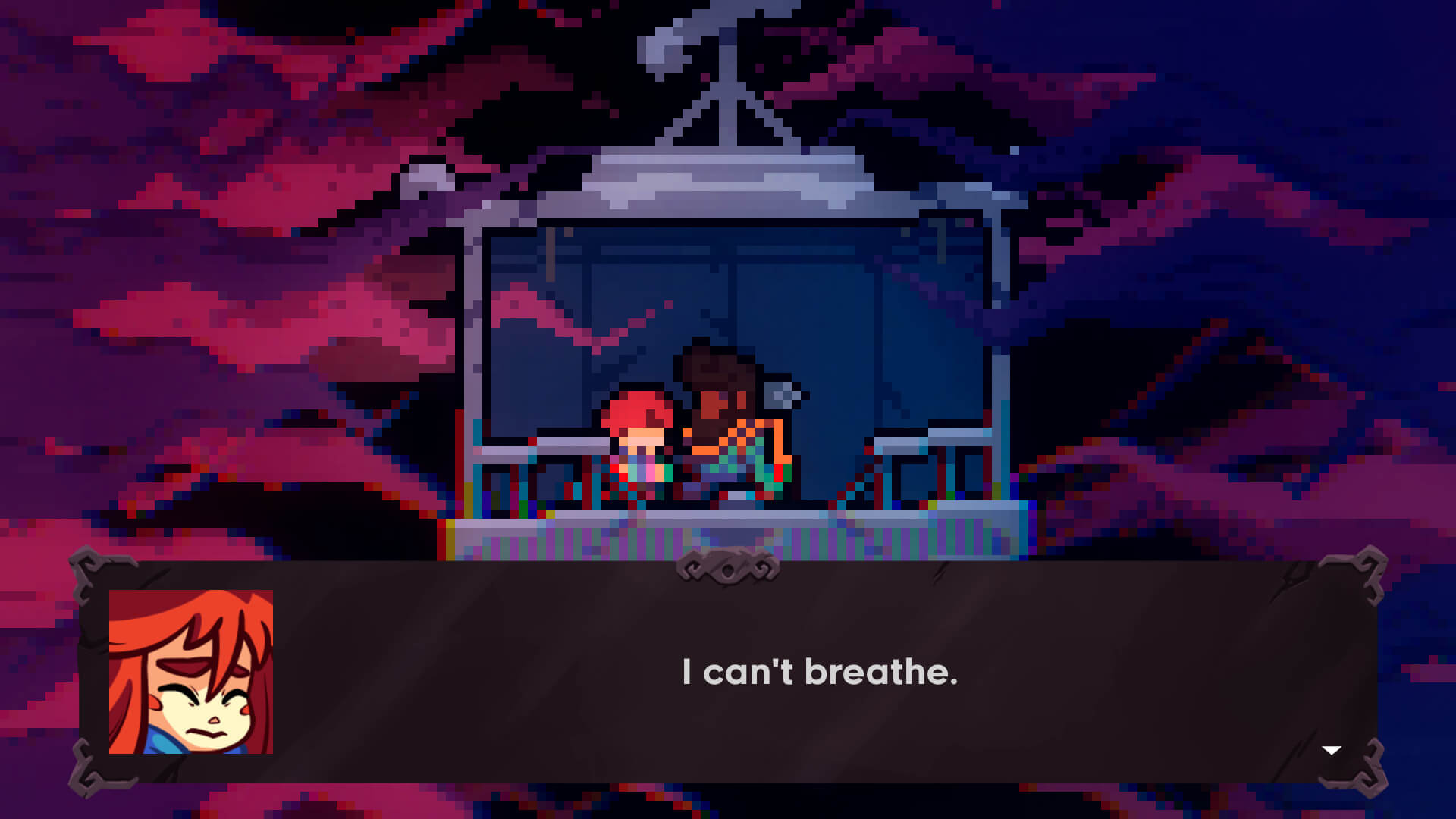
Gameplay mechanics are the interactive systems of a game, such as its actions and rules. It defines what players can do in a game. In particular, a game may allow a player to jump, slide, shoot, or collect coins. At the same time, mechanics also include how these systems respond to player input. To make effective mechanics, you should design them so they start simple but deepen with mastery. Responsiveness is also vital. When a player presses a button, the game should respond immediately. Or else, you’ll break immersion.
In Celeste, for example, the core mechanics are jump, air dash, and wall climb. It’s simple at first. But the precision required to combine these actions creates a deep and highly rewarding experience.
Designing Engaging Levels

A game level is another key part of the game design essentials. It’s where all the elements of a game take place. But more importantly, a level shapes how players learn, progress, and experience the game world. With set boundaries, it controls pacing, difficulty, and exploration. Good level design gradually introduces how a game works, rather than overwhelming players with instructions from the get-go. Modern games often use environments to reinforce learning. Also, they allow players to follow a defined objective while remaining free enough to explore alternative paths.
One gold standard in doing this is Super Mario Bros. The game ‘s early levels carefully guide players through jumping, timing, and enemy behavior without explicit tutorials. On the other hand, games like The Elder Scrolls V: Skyrim combine primary quests with objectives and the ability to explore and build a personal character path.
Balancing Challenge and Reward
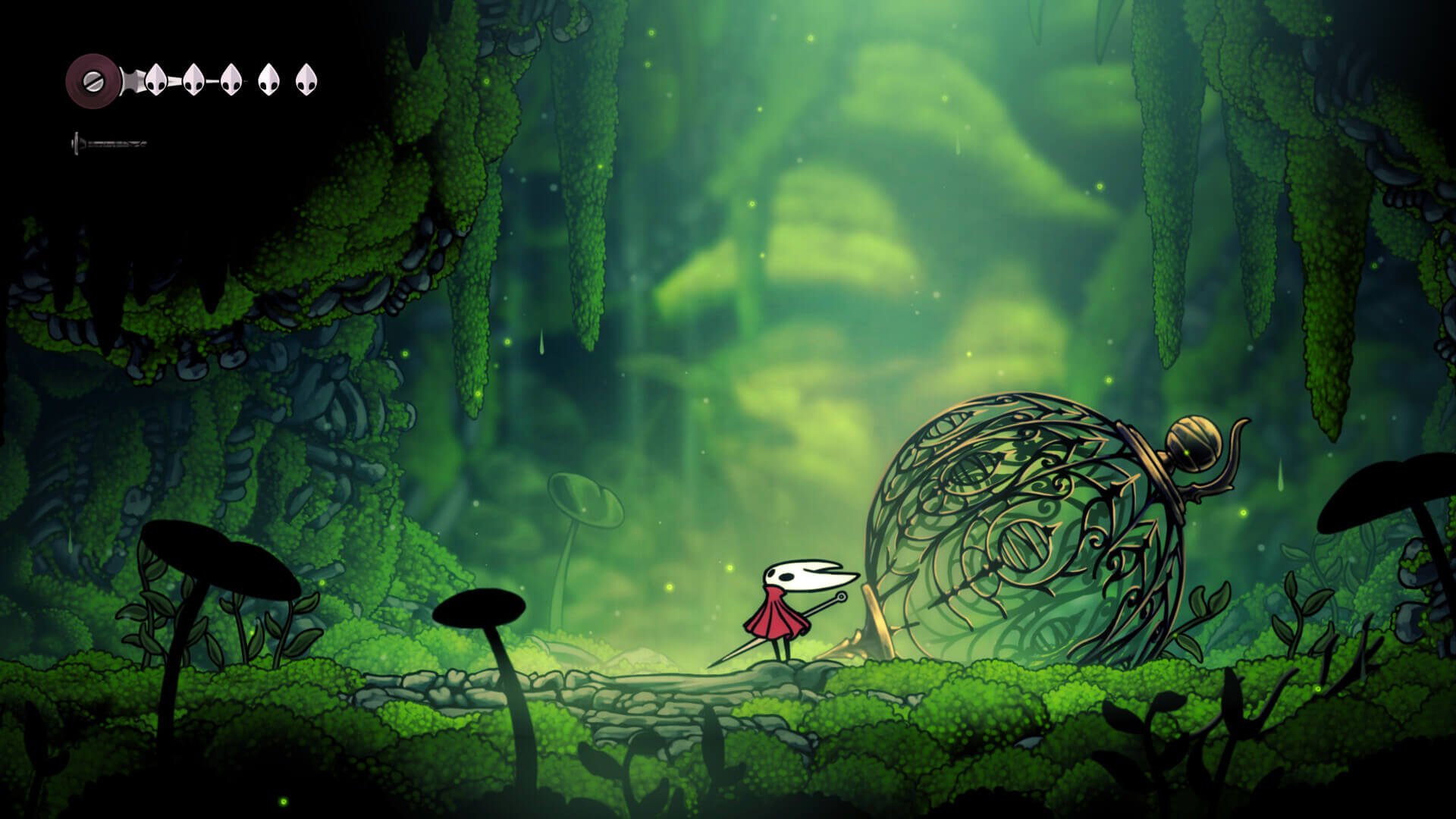
Maintaining a healthy balance between difficulty and reward is also important if you want your game to thrive. In doing so, you have to make it hard enough that it doesn’t bore players, but not so complex that they would be intimidated into stopping. But the key here is also to include reward or progression systems. These are not always tangible. It can be emotional satisfaction, mastery of mechanics, or the usual prizes (e.g., unlocked items, upgrades, or level-ups).
Successful games like Hollow Knight manage this balance. It offers challenging combats that come with meaningful rewards, such as new abilities and story progression. Every win feels earned and purposeful.
Enhancing the Player Experience

One of the most important, if not the most important, of the game design essentials is player experience. It’s the result of everything a gamer feels while playing. This includes visuals, sound, controls, and the overall immersion. Ultimately, the goals should be for players to enjoy and connect with the experience regardless of their current skill level.
You can see this in games like The Last of Us Part II. From customizable controls to visual adjustments, it offers extensive options that let players fit right into the experience.
Key Takeaway
Ideas and cool visuals are not enough to create strong games. Mastering these game design essentials is necessary if you want to transform simple concepts into engaging, unforgettable gaming experiences. They are the very reasons why games like Counter-Strike, Grand Theft Auto, and PUBG: Battlegrounds continue to attract millions of players worldwide. When you combine these components, you can create games that feel polished, intuitive, and rewarding.
While this article provides a detailed overview, you can go deeper into the concepts behind great games by exploring our guides on the principles of game design and elements of game design.

