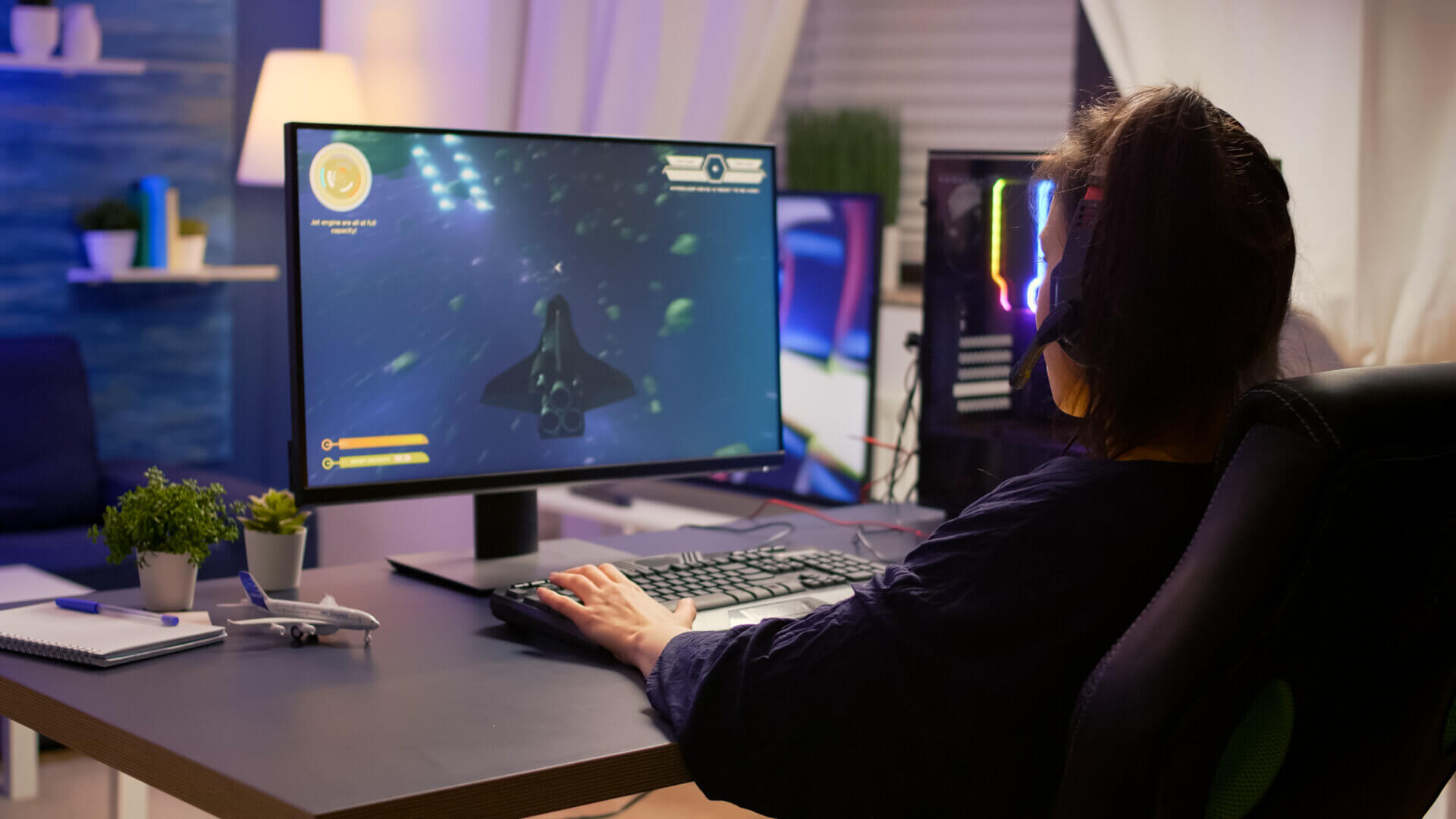
When players find a video game engaging, they often credit the visuals and mechanics. But what they usually overlook is that these games work well because their mechanics interact to form systems. Without structured interaction among features such as combat, progression, and exploration, games like Elden Ring will deliver a shallow, disconnected experience. That’s where game design systems become critical.
With game design systems, a game designer can determine how player actions translate into outcomes, how different mechanics interact, and how gameplay evolves over time. Strong game systems allow designers to create depth without constantly adding new features. And weak systems, by contrast, lead to repetitive or unbalanced experiences.
In game design, deciding which path to take is a no-brainer. But the real concern here is acquiring a deep understanding of game design systems. But don’t sweat! This guide will explore game design systems, from the main elements to the future trends, to help in creating engaging gameplay.
Understanding Game Design Systems
Game design systems are structured networks of mechanics that work together to produce consistent gameplay outcomes. So instead of working alone, each mechanic contributes to a larger loop of player interaction, feedback, and progression (more of this later).
In more detail, game systems rely on interdependencies. That means changes in one mechanic affect other aspects of the game. For instance, adjusting enemy damage simultaneously impacts difficulty, resource consumption, and pacing.
They also create repeatable gameplay loops. These allow players to perform actions, receive feedback, and adjust strategies as they progress through the game. At the same time, game design systems establish predictability with variation. This ensures players understand the rules while still experiencing different outcomes.
In The Legend of Zelda: Breath of the Wild, environmental systems such as temperature, physics, and reactions are interconnected. Fires spread through grass; metal attracts lightning; and wind affects movement. By using a system design that relies less on scripted solutions, designers allow players to develop their own strategies.
Core Elements of Game Systems
Effective game systems are built from core elements that must align to work properly. If one element fails, the entire game system can become inconsistent or confusing.
Here are the primary elements of game systems:
- Mechanics – Define what players can do. From movement and combat actions to crafting and resource collection, mechanics must be responsive and reliable to maintain player trust.
- Rules – Determine how mechanics operate under constraints. Rules like cooldowns, resource costs, or environmental limitations introduce challenge and structure.
- Feedback – Communicate the result of player actions. Whether it’s visual (animations), audio (sound effects/design), or numerical (damage cues), the feedback needs to be clear and immediate to heighten immersion.
- Progression – Structure long-term engagement. Progression can be in the form of scaled difficulty, unlocked abilities, or new challenges over time.
For example, in the Ska Studios’ Salt and Sanctuary, stamina is a central mechanic governed by strict rules and reinforced by clear feedback. Since every action consumes stamina, players need to plan their use of different actions, which effectively affects combat pacing. As a result, players need to practice skill-based gameplay to manage resources carefully. This removes the tendency to just spam the Strong Attack button.
Balancing Complexity and Simplicity in Game Systems
Another essential for game systems is maintaining both accessibility and depth. In fact, a study found that different types of challenges have distinct effects on players and that “an appropriate level of game challenge can reduce cognitive load.” As such, game systems should find the right balance of complexity and simplicity. Put simply, game systems should be easy to understand but difficult to master.
When balancing game systems, remember that:
- Gradual complexity ensures that players are introduced to systems progressively. By using simple mechanics, game designers can reduce learning barriers and allow players to instantly engage without bombarding them with tutorials.
- Complexity should emerge from mechanical interaction, not from adding new features that increase cognitive load. Like giving players 3 basic attacks but making them behave differently depending on positioning and enemy types, instead of adding 50 different buttons for 50 different attack types.
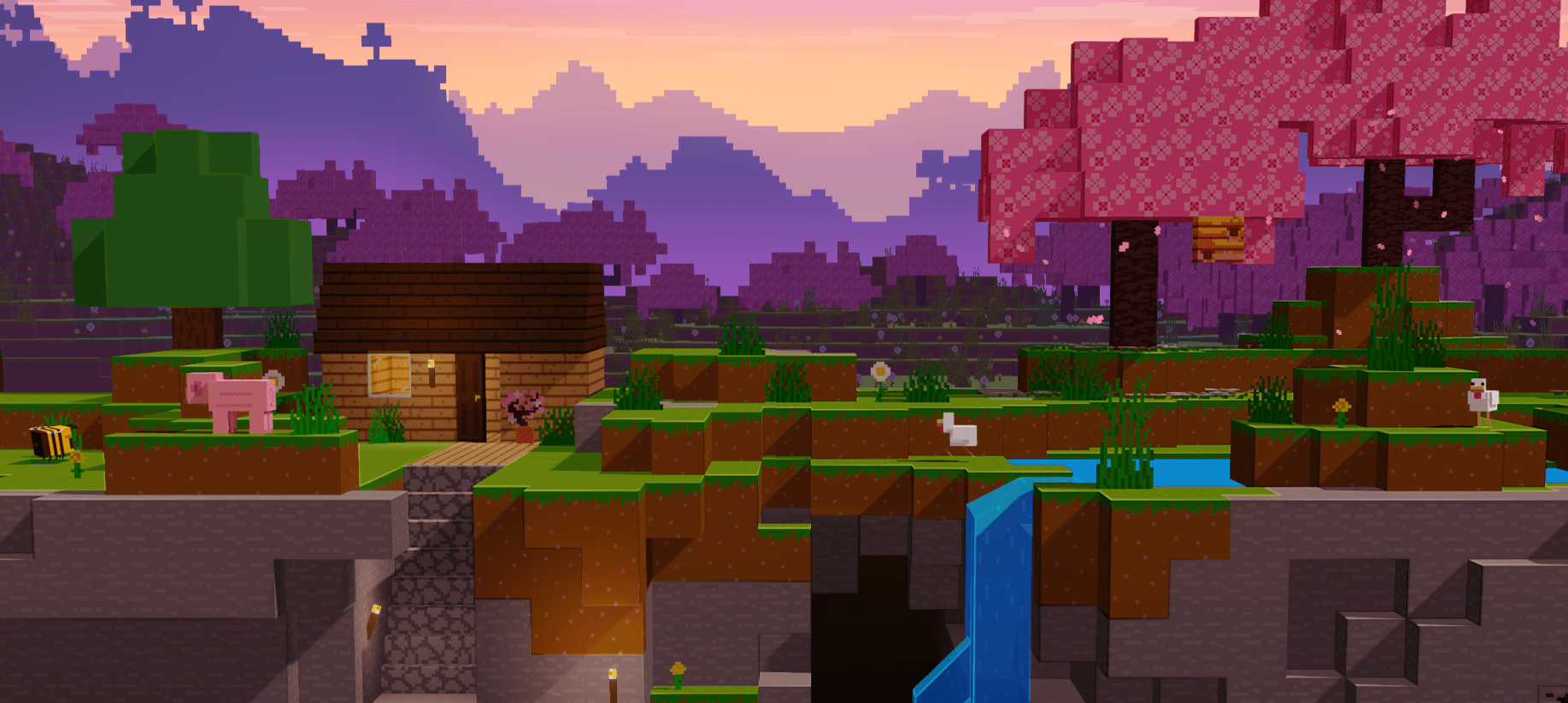
One classic game that exemplifies this is Minecraft. Even with basic mechanics like mining and crafting, the way they interact creates a system of automation and resource optimization. This is evident in combining hoppers and water streams for passive crop harvesting, and in using spawners to optimize XP for renewable resources. Such an approach lets developers support a wide range of player engagement levels without redesigning core mechanics. It enables a more scalable and sustainable game system, effectively reducing development overhead.
Player Interaction in Game Systems
Games shouldn’t be a passive experience. A systematic review has shown that player–video game interactions encompass multiple interconnected elements that play a central role in shaping engagement and enjoyment. For that reason, strong game systems encourage players to think, adapt, and experiment. In fact, the Rules of Play book by Salen and Zimmerman states that meaningful play emerges when player actions produce discernible and integrated outcomes.
With that in mind, the following should be observed:
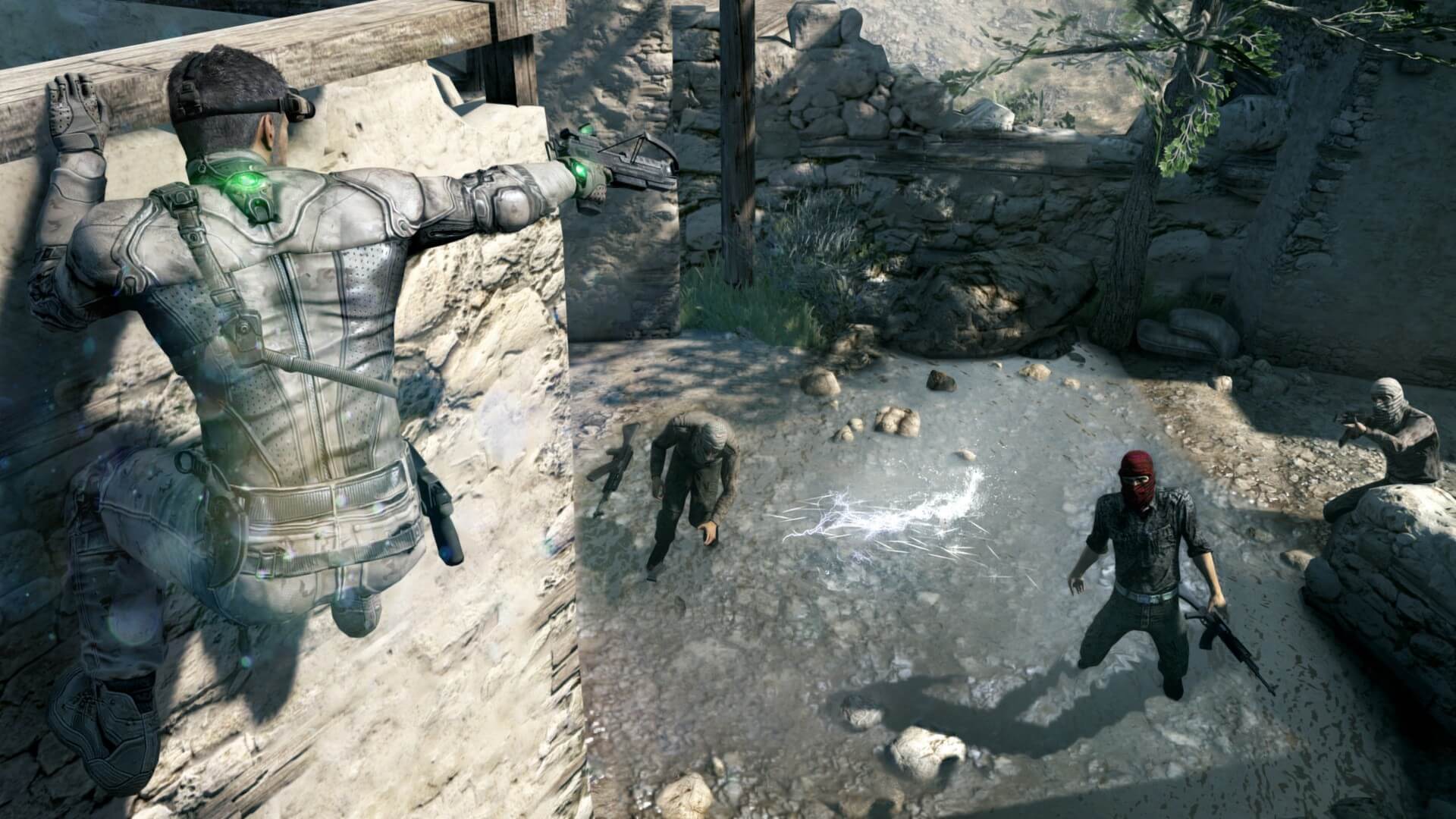
- Game systems should present meaningful trade-offs, where no single option is always optimal. Imagine, if a dominant strategy exists, player choice dies. In games like Tom Clancy’s Splinter Cell: Blacklist, players must strategize between staying safe through stealth and dealing with slow progress, or engaging in combat for fast progression, which comes with the risk of losing.
- Player actions must produce clear consequences. This reinforces the connection between choice and outcome. For instance, if a player spends resources in games like The Witcher 3: Wild Hunt to upgrade a weapon, enemies should look and feel easier to defeat. Without logical feedback, choices would feel arbitrary.
By incorporating player interaction into the game system, which affects difficulty and narrative outcomes, designers can offer a varied player experience to increase replayability.
Iteration and Testing in Game Systems

Given the complexity of game systems, initial designs rarely account for real player behavior. So, game design systems require constant testing and refinement to achieve balance and clarity. Through iteration, game designers can ensure that no mechanic dominates the system. It also reveals unexpected player strategies that often expose design flaws.
During one weekly recall, Blizzard Entertainment developers revealed that they use player data and community feedback to adjust hero abilities in Overwatch 2. By monitoring win rates and ban rates, the team worked to prevent heroes from becoming overly dominant while remaining viable choices.
In the process, prototyping can help validate core interactions before expanding the system. Designers can use this to test game systems initially to see if the balance remains stable as new features or content are added.
Tools for Designing Game Systems
Mastering the elements for engaging gameplay is just half the process. Designers must also learn the tools required for conceptual planning and technical implementation.
Take a closer look at the common game design systems tools:
- Spreadsheets are a designer’s best friend. These are used to manage numerical systems for simulating things like how many experience points are needed to level up. Or else, they’ll end up manually coding and playtesting for a long time just to see what a level 50 character looks like.
- Game engines such as Unity and Unreal Engine enable real-time prototyping. With built-in features like Blueprints, designers can use the full range of tools typically only available to programmers. That means they can wire a fire block to a grass block to quickly test interactions without waiting for a programmer to write custom code.
- Version control systems like Git or Perforce ensure project stability. By allowing teams to track and manage changes, it typically serves as a giant undo button. These tools prevent a single person’s task from halting production for other designers, such as when a tweak accidentally breaks the reward loop of a questline.
Most of the time, designers working on RPG games like Baldur’s Gate 3 build progression models in spreadsheets before implementing them in game engines. This way, the process is more efficient, as rapid iteration can be done without full system builds.
Common Mistakes in Game Systems
Game design systems are complicated. And that means it’s common for designers to make mistakes. But knowing these early on can help reduce development time and create game systems that keep players engaged.
Some of the recurring issues include:
- Unresponsive controls and an awkward camera lead to weak feedback, preventing the player from understanding outcomes and causing frustration.
- Assuming that the game is something people want to play and ignoring player behavior, creating systems that fail under real conditions.
- Designing overly ambitious game systems that become difficult to balance, test, and complete.
Anthem was actually criticized for poorly integrated progression systems that made rewards feel disconnected from gameplay. Players could not inspect or equip new loot on the fly. The disconnect ultimately reduces player motivation.
Final Thoughts
As video games become more advanced and player expectations rise, game design systems should also evolve to deliver dynamic, scalable, and player-driven experiences.
Players often point out that Hades is still a standout after many years since its launch. Each run provides persistent rewards, ensuring that players get something in return for playing. As one review notes, “The progression and systems of Hades are unbelievably satisfying, and even more so when they feed into the narrative,” highlighting how its mechanics continue to reinforce one another.
Taken together, this demonstrates how tightly integrated game design systems can sustain engagement without relying on constant content expansion. By structuring and refining them through testing, designers can create scalable, engaging gameplay that remains stable as design constraints evolve. In modern game design, success is determined by how well mechanics function as a cohesive system.

