Have players open any of the most acclaimed video games of all time. The Last of Us (2013). Tetris (1985). Half-Life 2 (2004). They’ll notice something instantly. Controls feel tight. Feedback is instant. Systems react in consistent ways. And none of that happens by accident. They are what they are because of game designers and the game design principles that guide their work.
How players interact with mechanics. How systems respond. How player decisions carry weight in the game. All are shaped by the principles of game design. They’re practical rules used by game designers. These allow them to control pacing, difficulty, and player behavior.
Considering that the modern player demands continue to shift and rise. Sometimes focusing on advanced technology and unique ideas isn’t always the way to go. At some point, designers need to return to fundamental game design concepts. Video game design principles, elements, and philosophy separate surface-level design from video games that actually hold attention.
Key Game Design Principles
Game design principles vary from one designer to another. There’s no definitive list. But generally, the key game design principles define how systems behave under real player input. They have an immediate impact on decision-making, long-term engagement, and pacing.
Here are the core principles of game design:
- Maintain balanced challenges and rewards – Systems need to align difficulty with meaningful outcomes. So, higher risk should produce proportionally higher rewards. Otherwise, the game would be prone to dominant strategies or player disengagement.
- Allow players to make meaningful choices – Players should be able to influence the game through their decisions. Not just follow a fixed route. But make sure that they choose between options with clear trade-offs. Each decision should impact resources, strategy, or outcomes.
- Keep testing and iterating – Systems rarely work as intended without real player interaction. And definitely not on the first try. Playtesting helps find friction points, exploits, and confusion. Iteration refines mechanics based on observed behavior.
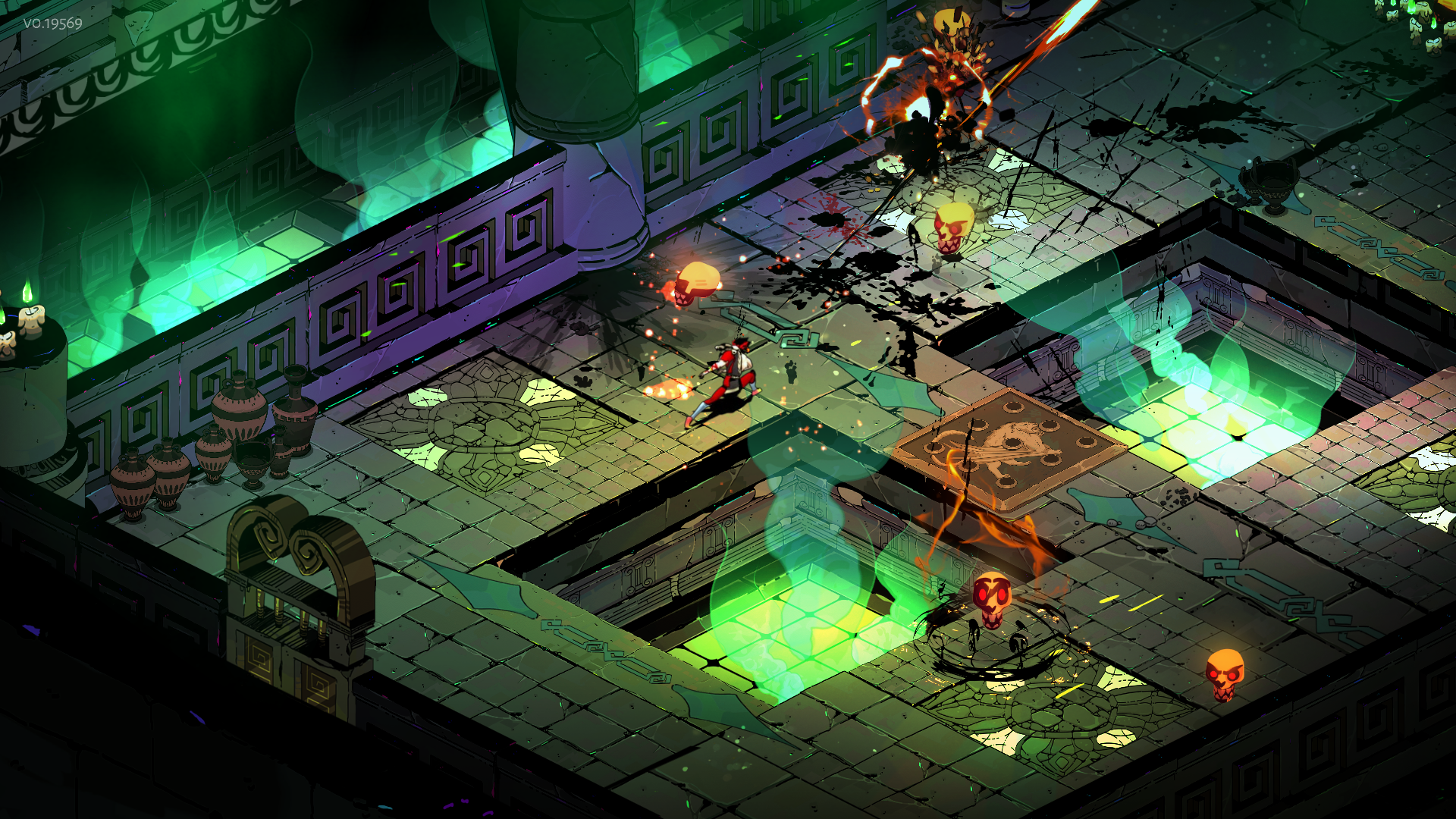
Consider why Hades was IGN and Polygon’s Game of the Year in 2020. The application of these core game design principles is evident in how Hades improves the weaknesses of Supergiant Games’ earlier releases. The game gradually increases difficulty. It offers new upgrades and progression opportunities. Players make decisions through boons, weapons, and upgrades. Each influences combat strategy and experiences across runs. Its progression system allows repeated runs with incremental upgrades. This structure reflects iterative design.
For an even more in-depth breakdown of these game design rules, read our complete guide on the 7 principles of game design.
Essential Formal Elements of Game Design
Just like game design principles, there are no universally agreed-upon formal elements of game design. Game designers have a different collection of frameworks. But they can be broken down into system-level components. Common elements of game design shape player interaction. They define the structure, direction, and meaning behind gameplay.
Below is the set of core elements that make up most games:
- Game mechanics – Determine the rules and systems available to the player. They define what players can do and how the game responds to their actions. Movement systems. Combat rules. Resource management. All set the gameplay boundaries. They allow players to learn, experiment, and make strategies over time.
- Goals and objectives – Define what players are supposed to achieve. Completing a mission. Solving a puzzle. Defeating a boss. These targets give players a sense of purpose. Good games combine primary objectives and optional goals. It balances direction with freedom.
- Narrative and storytelling – Give context to gameplay. It matters to let players know how to do things. But it helps to give meaning to their actions. It tells them why they’re doing what they’re doing. Story enhances immersion and emotional engagement. Whether it’s through cutscenes, dialogue, or player discovery.
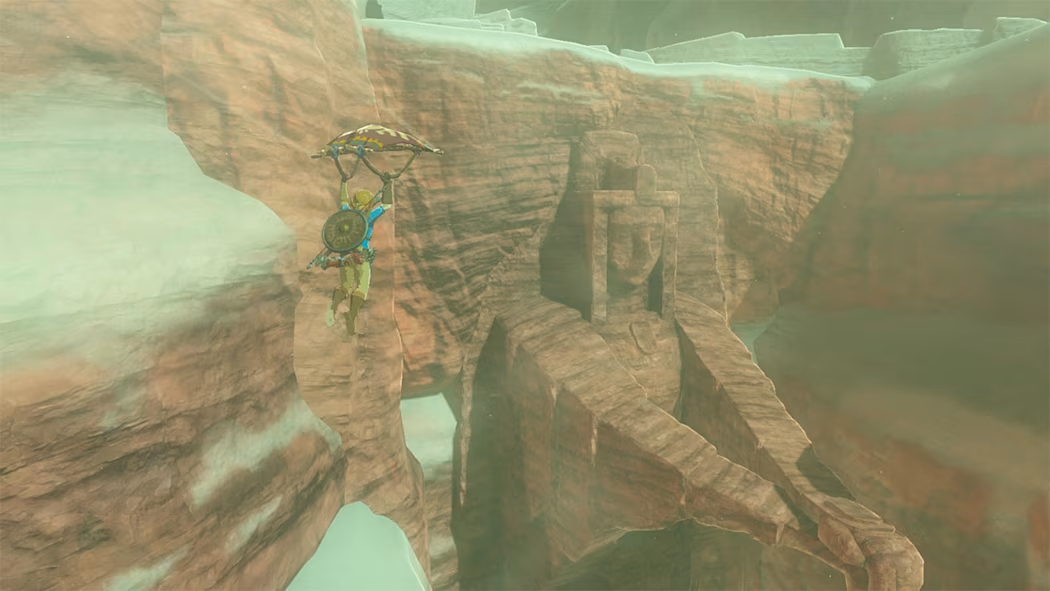
Take Nintendo’s The Legend of Zelda: Breath of the Wild. It shows how different game design elements can work together to deliver a cohesive experience. Players can climb, cook, gather resources, and interact with the world in multiple directions. So they can experiment and approach challenges in different ways. Players also progress through exploration and self-directed activities alongside the main objective. While it doesn’t have a rigid storyline, the narrative is defined by its encouragement of discovery. So players uncover details gradually as they explore.
Check out the complete rundown of the 9 key components of games in our guide on the elements of game design.
Understanding Game Design Philosophy
Part of mastering game design principles is understanding game design philosophy. However, this is subjective. But the typically followed one is player-centric design. That means games should be designed around what players experience, feel, choose, and remember. Because success isn’t measured just by visuals or how fun mechanics are.
- Game designers should understand what motivates players. It can be a challenge, a source of relaxation, or the connection they gain through communities.
- They should also keep it accessible. So players of all skill levels feel that it’s made for them.
- Failure should be a form of feedback. Losing or dying needs to communicate what went wrong. Players should gain actionable information from mistakes.
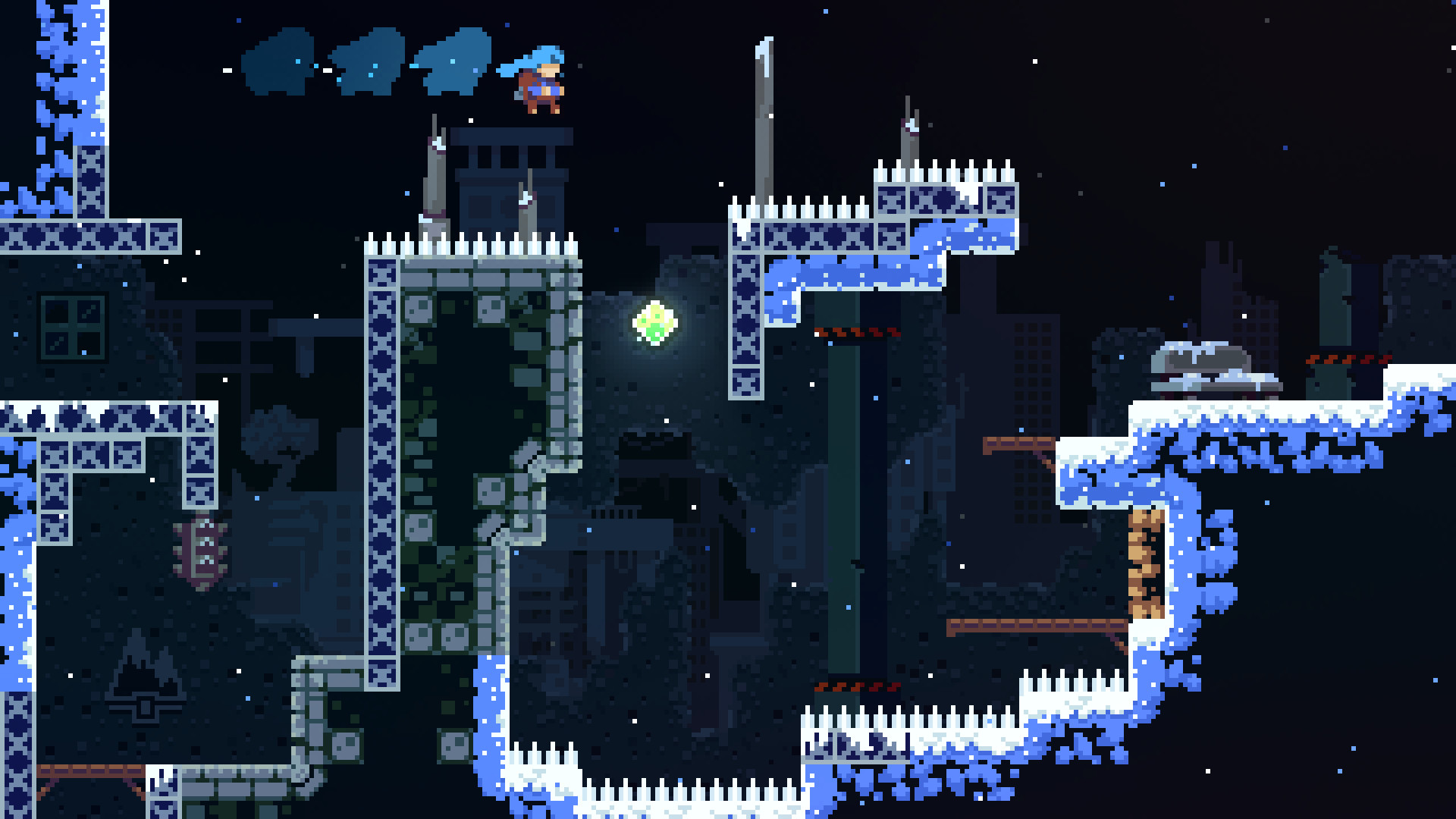
Picture how the platformer game Celeste approaches design with this philosophy. It motivates through challenge and progress. The game presents demanding platforming sections that reward persistence and improvement. It also stays accessible. The assist mode allows players to adjust settings to their preferred level of comfort. Fast restarts and clear outcomes also exist. They make mistakes feel like part of the learning process. Not a giant setback.
So it’s about building and refining systems. And the game design philosophy guides decision-making. It prevents design decisions based on assumptions. It encourages improvement instead of frustration. These help designers balance player behavior, technical constraints, and gameplay goals.
Why Is Game Design Important?
A video game that solely banks on iconic characters and innovative graphics is incomplete, to say the least. Game design is a vital part of creating games. It can either make or break a game’s success. As the blueprint for how a game is played, it’s directly tied to player retention and usability. Game design determines how players understand mechanics, how progression flows, and how systems maintain engagement over time. Without it, games falter. Weak design introduces friction. Strong design creates clarity and flow.
Why Are Video Game Designers Important?
Without the people, game design is just an idea. Video game designers serve as the creative architects. How mechanics interact. How difficulty scales. How feedback informs player decisions. All of it is defined by the minds behind games. Without the structure they design, systems become inconsistent or unclear. Like a poor checkpoint placement that leads to repetitive gameplay without learning. Take them out of the equation, and even the most advanced programming or stunning visuals would lose direction. Designers ensure that individual systems work together to create a meaningful experience.
Wrapping Up
Both indie studios and major AAA developers value game design. Like how Larian Studios supports player creativity in its 2023 game Baldur’s Gate 3. And how Epic Games considers feedback as part of their development process.
Mastering game design principles isn’t about just copying what worked for other game projects. It’s about deeply understanding these core game design concepts. Rules that define how systems behave under real conditions. Philosophies that empathize with players. Every decision affects the game quality and player experience.

