The history of gaming starts well before a console sat under the television. In 1961 and 1962, programmers at MIT developed Spacewar! for the PDP-1, an interactive computer that typically sold for about $120,000 and was far beyond normal household use. The Smithsonian notes that versions of the game spread to other universities with computer-engineering programs, while playing it still required access to computers housed in research or academic facilities.
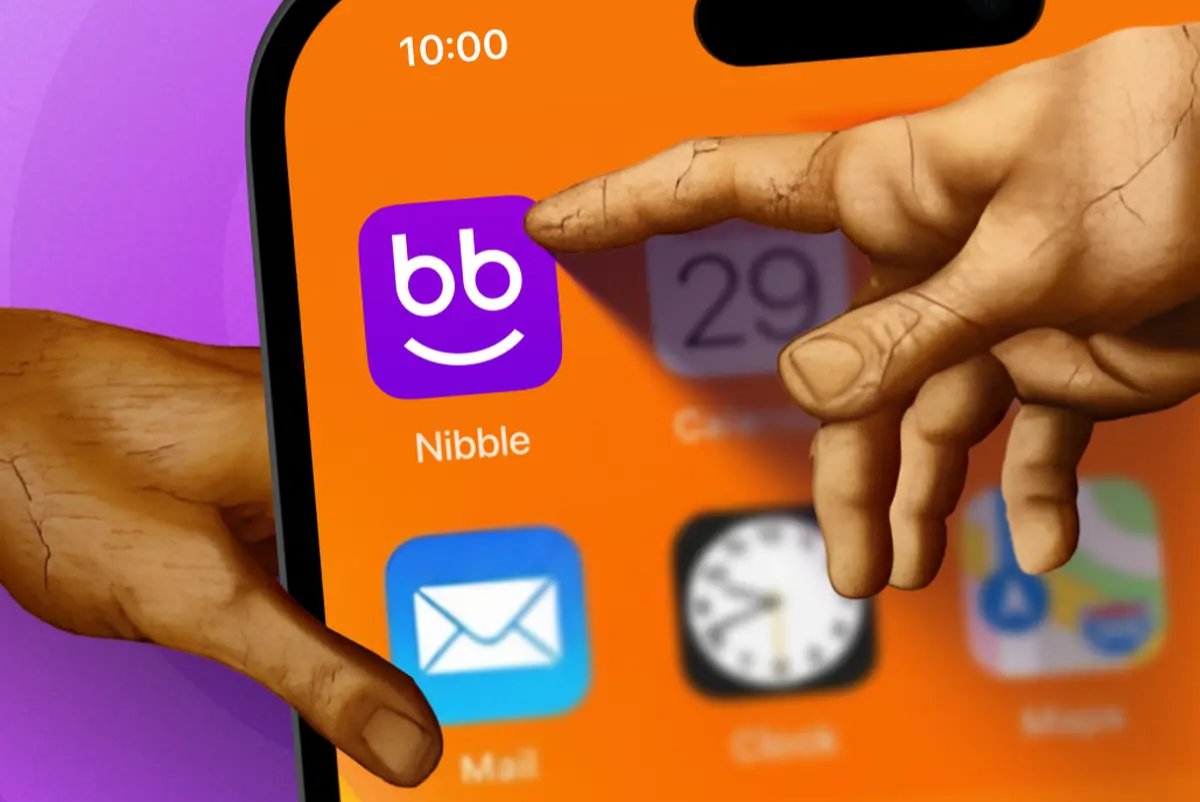
Over the next six decades, games moved into arcades, homes, online networks, and persistent shared spaces. Each move changed what designers could build and how players interacted with a game. For example, even short puzzle products such as the Peak app show another branch of that history today: games can now fit into a 10-minute phone session and use small challenges for educational purposes as their entire format.
Analyzing how hardware shapes player experience gives us a picture of how games continue to change. Below, let’s follow the timeline to see how gaming moved from university computers to arcade cabinets, home consoles, online worlds, and the devices you use today!
1. Spacewar shows what games looked like before a consumer market
Steve Russell and a group of MIT students programmed Spacewar! in 1962 using a PDP-1 minicomputer. The Smithsonian records that the team built the game as an interactive demonstration designed to push the processing limits of the machine’s CRT display:
- Direct real-time control: players manipulated ships using dedicated custom switches
- Dynamic outcomes: physical momentum and gravity calculations made every match distinct
The game proved that computers could handle real-time interactive entertainment. However, the PDP-1 cost over $120,000 at the time, keeping the software locked inside university research centers. A playable concept existed years before consumer hardware existed to support a commercial retail market.
2. Computer Space and Pong put games beside the cashbox
Engineers Nolan Bushnell and Ted Dabney created Computer Space in 1971 as a coin-operated arcade adaptation of Spacewar!. The Smithsonian notes that while the cabinet looked futuristic, its complex controls confused casual arcade patrons.
Bushnell and Dabney quickly applied those lessons when they founded Atari, releasing Pong in 1972:
- Research game: players already understood complex computer interfaces
- Arcade machine: strangers had to understand play mechanics within seconds
Pong succeeded because its paddle mechanics required zero explanation. By placing coin-operated cabinets in taverns and bowling alleys, Atari proved that interactive software could generate reliable, continuous revenue through microtransactions.
3. Magnavox Odyssey moves the game onto the family television
Ralph Baer began testing ways to display interactive graphics on standard home television sets in 1966. His Brown Box prototype was licensed to Magnavox, which brought the Odyssey console to retail in 1972. The Smithsonian recognizes the system as the first commercial home video game console.
The Odyssey created a distinct shift in consumer behavior. Players no longer had to travel to a public arcade venue to play a game; interactive media officially took up residence on the family television screen.
4. Atari 2600 makes the console a library
The launch of the Atari Video Computer System (later renamed the Atari 2600) in 1977 established the microprocessor-based console model. The Smithsonian highlights this era as the transition point where systems began using interchangeable ROM cartridges sold separately from the main hardware:
- One console could run many cartridges
- Stores could sell games separately from hardware
- Players could build personal game collections
- Developers had a repeat market for new releases
This architecture split hardware production from software development. For modern game creators, this shift established the software platform model that drives current console and digital storefront economics.
5. The 1983 crash shows what happens when a platform fills with weak releases
The North American console market collapsed in 1983, with industry revenues dropping significantly over two years. The Smithsonian attributes this sharp downturn to an oversupply of competing console systems and an influx of low-quality, rushed software titles flooding store shelves.
Without quality control standards, retail stores lost confidence in stocking video games, and consumers migrated to home computers like the Commodore 64. The crash demonstrated that a platform’s survival depends directly on maintaining basic quality standards across its software library.
6. Nintendo: Rebuilding the home console market around a controlled platform
Nintendo launched the Nintendo Entertainment System (NES) in North America in 1985, revitalizing the home market. The Smithsonian notes that the system’s commercial success surpassed earlier consoles, establishing structural guidelines that redefined the industry:
- Hardware Licensing: Third-party publishers signed strict development contracts
- Quality Lockouts: The 10NES security chip prevented unauthorized cartridges from running
Nintendo treated the console as an integrated publishing platform rather than an open toy line. By strictly limiting how many games a publisher could release annually, they restored consumer trust at retail.
7. PlayStation: Pushing console games toward discs and 3D spaces
The Computer History Museum notes that Sony’s entry into home hardware grew out of a discarded CD-ROM partnership with Nintendo. Sony continued development independently, launching the PlayStation in 1994 and eventually delivering over 100 million units worldwide.
Switching from expensive cartridges to high-capacity CD-ROMs gave developers megabytes of cheap storage for pre-rendered audio, full-motion video, complex 3D graphics, and more new tech things. This extra capacity allowed studios to move away from flat 2D sprites toward fully navigable 3D polygon environments.
8. Xbox Live: Making the console a networked place
Microsoft launched Xbox Live in 2002, transforming the home console into a permanently networked terminal. The Computer History Museum records that this service established unified friend lists, voice communication, and centralized online matchmaking across the platform.
Game designers began building experiences specifically around online competition and persistent player identities. Community discussions frequently highlight this era as the point where local split-screen multiplayer gave way to online voice chat as the primary way players socialized through games.
Virtual worlds combine games with ongoing social presence
Modern games can function as social spaces as well as designed challenges. The Smithsonian American Art Museum describes video games as participatory spaces created by designers and activated through players’ interactions. Online games extend that idea by allowing players to meet, communicate, take part in events, and return to the same digital environment over time.
This shift toward interaction has also moved beyond entertainment. Nibble’s overview of interactive learning through games, videos, and quizzes shows how game-like challenges and quizzes can be used inside short educational sessions. It is another example of how mechanics developed around digital play now appear in activities that are not conventional video games.
For designers, this widens the job considerably. They may be building rules for communication, repeated participation, live activities, and player interaction alongside the core game itself.
Follow gaming history through the place where the player sits
Hardware evolution continuously shifted the fundamental environment where the history of gaming takes place. Gaming began in academic laboratories, where shared mainframe displays served users inside university research departments. It then expanded into public arcades through coin-operated cabinets engineered for brief, high-density play sessions.
Eventually, television-connected hardware brought software libraries into private living rooms, setting the stage for modern networked spaces that connect millions of players inside persistent online worlds simultaneously.
This trajectory illustrates how hardware boundaries dictate software mechanics throughout the history of gaming consoles. When evaluating older game mechanics, you can also examine the underlying technical limits of the hardware to understand why those specific design choices emerged!

