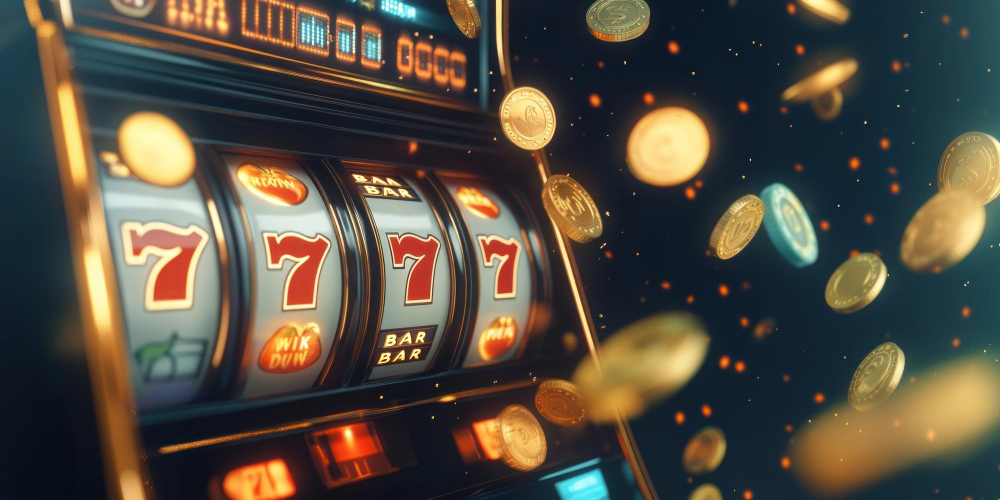
The familiar chime rings out from a nearby screen. A player glances up without thinking. They know that sound. It means reels have stopped in a certain way. It means something good just happened. That moment of recognition happens in seconds. But the audio that caused it took weeks to build.
Slot games feel alive because of what comes out of the speakers. Every spin, every near miss, every bonus trigger arrives with a soundtrack designed to hit a specific emotional note. None of it happens by accident.
Why Slot Games Rely on Sound More Than Players Realise
Sound anchors visitors to https://www.spinia.com in the experience. It creates rhythm where there would only be silence. A spinning reel makes noise. A stopping reel makes a different noise. The brain learns these patterns fast. After a few spins, the player expects certain sounds at certain times. When those sounds arrive, the game feels right. When they don’t, something feels broken.
Developers borrow tricks from movie sound design. A horror film doesn’t just show a door opening. It adds a creak. A slot adds a burst of audio that matches the size of the win. Small wins get short, cheerful beeps. Big wins get longer, richer tones. The player hears the difference before they read the number on the screen.
Designing Winning Moments Through Audio
Take Starburst as an example. The game keeps things clean. No heavy soundtrack. No dramatic flourishes. Each win triggers a sharp, bright sound that cuts through the background noise. That cue lasts less than a second. But it works. Players feel a small rush every time they hear it. The sound says reward without shouting.
Sweet Bonanza works the opposite way. That game wants players to feel happy and light. The sounds are playful. Bouncy. Almost cartoonish. A small win in Sweet Bonanza comes with a cheerful pop. Another small win comes with another pop. They stack up. The player never feels like a single spin matters too much. But the steady stream of pleasant sounds keeps them engaged. Each pop feels like a tiny celebration.
Compare that to playing the same game on mute. The reels spin in silence. The symbols land without noise. A win appears on screen, but there is no audio to back it up. The moment loses its energy. Players notice the pause between spins more. The whole experience slows down. That’s why most players leave the volume on.
Building Anticipation With Timing and Rhythm
The moments before the reels stop matter more than most people think. Sound designers build tension into those seconds. A spin starts with a certain noise. Then the reels slow down. The audio changes pitch or rhythm. The player leans in without knowing why.
Book of Dead does this well. The game has an atmospheric soundtrack that hums in the background. It feels mysterious. Slightly tense. When the reels spin, the music stays steady. But when the bonus symbols start lining up, something shifts. The audio gets quieter for a split second. Then a new sound cuts in. A deeper tone. A heavier beat. The player knows something is coming before the game even shows the bonus round.
That moment of silence before the shift is the key. It creates a tiny gap. The brain fills that gap with anticipation. Then the new sound arrives, and the player feels relief mixed with excitement. That sequence takes maybe two seconds. But it changes how the player remembers the whole session.
Gonzo’s Quest uses a different trick. The game has cascading reels. Wins disappear, and new symbols fall into place. Each cascade speeds up the audio. The pitch rises. The rhythm tightens. The multipliers get bigger, and the sounds get more intense. By the third or fourth cascade, the audio feels urgent. Exciting. The player wants to see how far it will go.
Creating Identity Through Unique Sound Profiles
Every popular slot game has a sound signature. Players recognise Book of Dead from across a room. They know Starburst by its first few notes. That recognition isn’t accidental. Developers build audio profiles the same way a band builds an album. Each game needs its own feel.
Gonzo’s Quest uses tribal percussion and echoing tones. The sound matches the jungle theme. It feels adventurous. Sweet Bonanza uses bright synth pops and light melodies. It feels like candy and celebration. Neither game could swap audio and still work. The sound is part of the identity.
This matters because players develop favourites. Someone who enjoys Starburst likes clean, fast feedback. Someone who plays Book of Dead wants atmosphere and suspense. The audio tells the player what kind of experience to expect. It also trains them to return. Hear that familiar Gonzo’s Quest intro, and the brain remembers past winning cascades. That memory feels good. The player sits down.
What Happens When the Sound Is Gone
Play any slot on mute for ten minutes. Then turn the volume back on. The difference is startling. Without sound, each spin feels disconnected from the last. Wins happen in silence. Losses drag. The player has to read the screen for every piece of information. The game becomes work instead of play.
With sound, the experience flows. The player hears a win, glances at the screen, and moves to the next spin. The audio carries the emotional weight. It tells the player when to feel excited, when to feel patient, and when to pay attention. That is a good design.
The best slot developers think like film composers. They know a quiet moment makes the loud moment hit harder. They know a short, sharp sound feels different from a long, rising tone. They test every beep and chime with real players. If the sound doesn’t create the right feeling, it goes back to the editing room.
Next time the reels stop and a familiar chime rings out, listen closer. Someone built that sound to make a player feel a certain way. That someone spent hours adjusting the pitch, the length, the rhythm. All for a moment that lasts less than a second. That is the quiet craft behind every spin.

