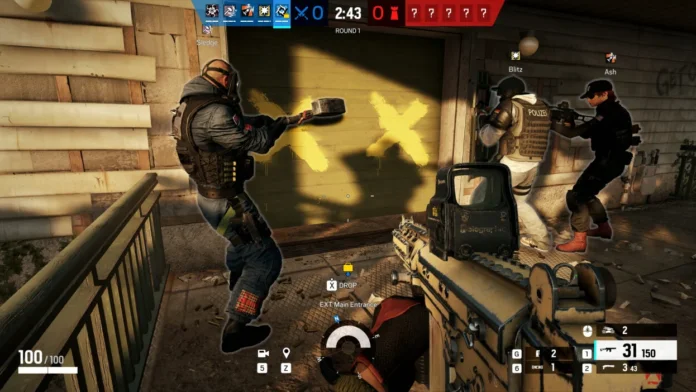
Rainbow Six Siege is widely recognized for its tactical gameplay, destructible environments, and emphasis on teamwork. Unlike many traditional shooters, success in Siege relies heavily on operator abilities, map knowledge, and strategic coordination rather than fast reflexes alone. Alongside these gameplay systems, Ubisoft has also built a structured progression economy that revolves around unlocking operators and cosmetics.
From a game design perspective, Siege offers an interesting example of how currencies can be used to support long term player engagement while maintaining competitive balance. The system allows players to customize their experience while keeping the core gameplay fair for everyone.
Why operator design drives the entire progression system
At the center of Rainbow Six Siege is its roster of operators. Each operator introduces unique gadgets and tactical possibilities that can completely change how a round is played.
Because these abilities directly influence strategy, unlocking operators becomes a key part of progression. Early in the game, players begin with a small selection of characters. As they play more matches, they earn resources that allow them to expand their roster.
This design encourages gradual learning. Instead of overwhelming players with dozens of options immediately, the game introduces operators over time so players can understand each gadget and counter strategy.
The role of currencies inside Rainbow Six Siege
Rainbow Six Siege includes multiple currencies that support the progression system. Renown is earned through gameplay and can be used to unlock operators or cosmetic items. This currency rewards consistent play and encourages players to complete matches, challenges, and seasonal events.
Alongside this system, the game also includes premium currency that players sometimes discuss when considering cosmetic content. In community conversations about bundles, skins, or seasonal items, players frequently reference R6 credits as the currency used for purchasing certain cosmetics and premium content.
This dual currency model is common in multiplayer game design because it separates gameplay progression from optional cosmetic purchases. The structure helps maintain fairness while still allowing developers to support ongoing updates.
Cosmetic customization and player identity
While operator abilities define gameplay strategy, cosmetics play an important role in player identity. Rainbow Six Siege offers a wide variety of visual customization options including
- Weapon skins that change the appearance of firearms
- Operator uniforms that alter character outfits
- Headgear variations that provide visual individuality
- Weapon charms that attach to guns as collectible items
These items do not affect gameplay performance, but they allow players to express personality within the game. For designers, cosmetics are a safe way to expand the economy without disrupting competitive balance.
Seasonal events and themed bundles also encourage players to return regularly, since new cosmetic content is introduced throughout the year.
Why Siege’s economy works for a competitive shooter
Designing a progression system for a tactical shooter presents unique challenges. Any system that gives players gameplay advantages through purchases would undermine the competitive nature of the game.
Rainbow Six Siege avoids this problem by ensuring that operator access can be earned through normal gameplay while cosmetics remain optional. The economy therefore supports engagement without forcing players into spending money in order to compete.
Discussions about digital marketplaces occasionally appear in gaming communities when players talk about cosmetic items or in game currencies. Platforms such as Eldorado are sometimes mentioned in these broader conversations about digital gaming economies.
However, the core progression in Siege still revolves around playing matches, learning operators, and improving tactical coordination.
Long term design lessons from Rainbow Six Siege
Rainbow Six Siege has remained relevant for many years because its systems combine deep gameplay with a sustainable progression model. The game regularly introduces new operators, maps, and seasonal content while maintaining a stable competitive environment.
For game designers, the title demonstrates how currencies, cosmetics, and operator progression can work together without compromising fairness. The balance between gameplay rewards and optional purchases allows the game to evolve while keeping the tactical core intact.
As multiplayer shooters continue to grow, Siege remains one of the clearest examples of how thoughtful economy design can support both player engagement and long term competitive integrity.

