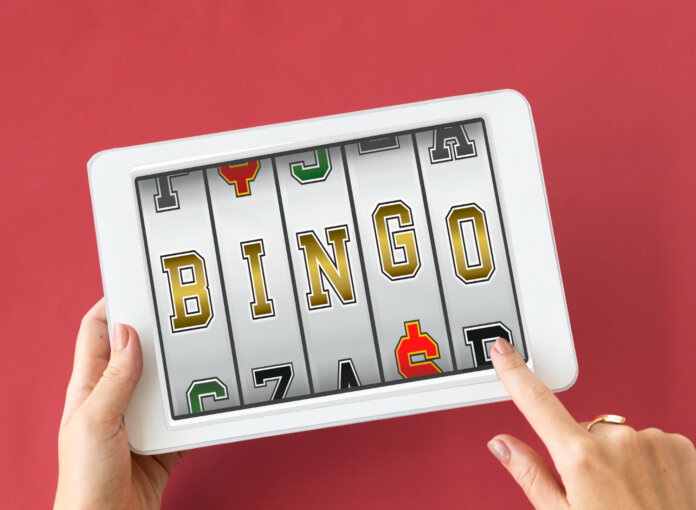
For many people, slot machines are the most familiar face of gambling. Bright lights, catchy tunes, and spinning reels call from every corner of a casino or phone screen. Yet few players stop to ask why these games look and sound the way they do. Designers spend hours studying how every color, symbol, and jingle can shape what someone feels and does. To see how this works, think of an online casino hub where the popular online casino entertainment site called spinbara dazzles newcomers with a colorful lobby, promising a tempting casino bonus. The look, the music, and the pace of play are all chosen with care. Each lever pull, screen tap, and blinking marquee is mapped out after months of user testing and lab studies. The aim is simple: extend engagement, lift wagers, and keep the casino floor—or app—ever busy around the clock. They pull a player in, invite longer sessions, and steer choices from one game to another. This article explores the main design tricks behind slot machines and explains how they influence behavior. By understanding these tools, players and parents can make smarter decisions about leisure time and money spent.
Color and Symbols
Brain science studies reveal the power of colors to communicate quickly to our minds, and slot designers understand this, selecting vibrant hues which signal luck, prosperity or serenity to their players. Red lights flash after wins because their signal excitement. Gold frames with coin symbols tell players “riches await”. Even background color matters: A deep blue screen can give players confidence that the reels will spin evenly and safely, encouraging them to stay longer and spin again. Cherries, bars and sevens have long been symbols that people recognize quickly without too much thought before spinning again. On video slots, animated gems or cute animals serve the same function: when they line up easily they send an instant signal of success; similarly when our brain recognises familiar, shiny images it produces dopamine–our feel-good chemical! That burst reinforces the habit of hitting the spin button before realizing what the final outcome has become apparent. Floor planners place flashy cabinets along busy aisles so their brilliant red and gold colors catch people just passing by; soft rocking chairs matched to these hues complete the invitation for longer stays than just passing glances.
Sound Effects and Music Loops
Sounds are the silent companions of slot machines. A soft ding marks every coin that falls, while rising chords create tension before reels stop turning. Not only are these noises entertaining; they train our ears to anticipate rewards! Studies show that players interpret games more generously when their win sounds are louder, even for small payouts. Background music also acts as an effective stimuli; fast tempos raise heart rates more rapidly leading to quicker decisions by the player. Slow jazz loops create the sensation of time dragging on, providing the feeling of an informal evening out. Designers test various tracks until they find one which best matches their target audiences; many tunes use similar chord progressions seen in children’s cartoons to provide safe, playful stimulation for brain processes. Combine speakers near a player’s head with sound effects and music for an intimate experience. Sound effects and music work as part of a loop: hear a chime, feel good about what just happened, press spin again – this keeps seats filled while most tones do not fall within typical speech range, meaning your brain rarely tires of hearing them again and again.
Slot Machine Rewards and Near Misses
Unlike the odds-laden world of real life casino gambling, slot machines do not pay out at random intervals; rather they follow carefully planned reward schedules designed to maintain hope without draining their bankroll completely. Small wins occur frequently enough that hope remains alive without draining their finances too rapidly while bigger prizes appear just often enough that winning feels possible. Variable ratio reinforcement, the mechanism behind social media likes’ addictive quality. Another tool known as near miss occurs when two jackpot symbols land but one jackpot symbol stops short by just one position; when this occurs, our brain interprets this result almost as an equivalent win. MRI scans reveal that similar reward centers of our brain light up even without actual money changing hands, even without us receiving anything for it. Designers take advantage of this by stacking reels so near misses occur more frequently than would normally occur due to random chance; creating the strong urge to try again as victory feels ever so close; these schedules also speed up play while eliminating time for thoughtful pauses, keeping players immersed for far longer than originally anticipated in trying their luck at winning big!
Responsible Design and Player Awareness
Realizing how slot games operate doesn’t mean eschewing them completely; rather, it helps players make clearer choices. Some modern developers now include features to break out from any trance-inducing rhythm. Timers serve to remind players how long they have been spinning, while win/loss meters show that each round truly balances itself out, eliminating any illusion that small wins offset larger losses. Transparent odds tables replace vague “up to” messages and session-limit settings allow players to cap themselves after a specific time or budget has elapsed. Governments and health groups advocate for stricter regulations – such as mandatory pop-up warnings after every thousand spins. Some regions now mandate hourly reminders showing time and total spending to players, though awareness remains the best way of guarding against irresponsible gambling behavior. By noting how color, sound and reward schedules influence our emotions as players experience casino slots in mobile gaming apps – parents may share these insights with teen gamers encountering riskier forms of entertainment like digital slots – it allows all involved players to have an opportunity to slow their pace of gambling responsibly.

