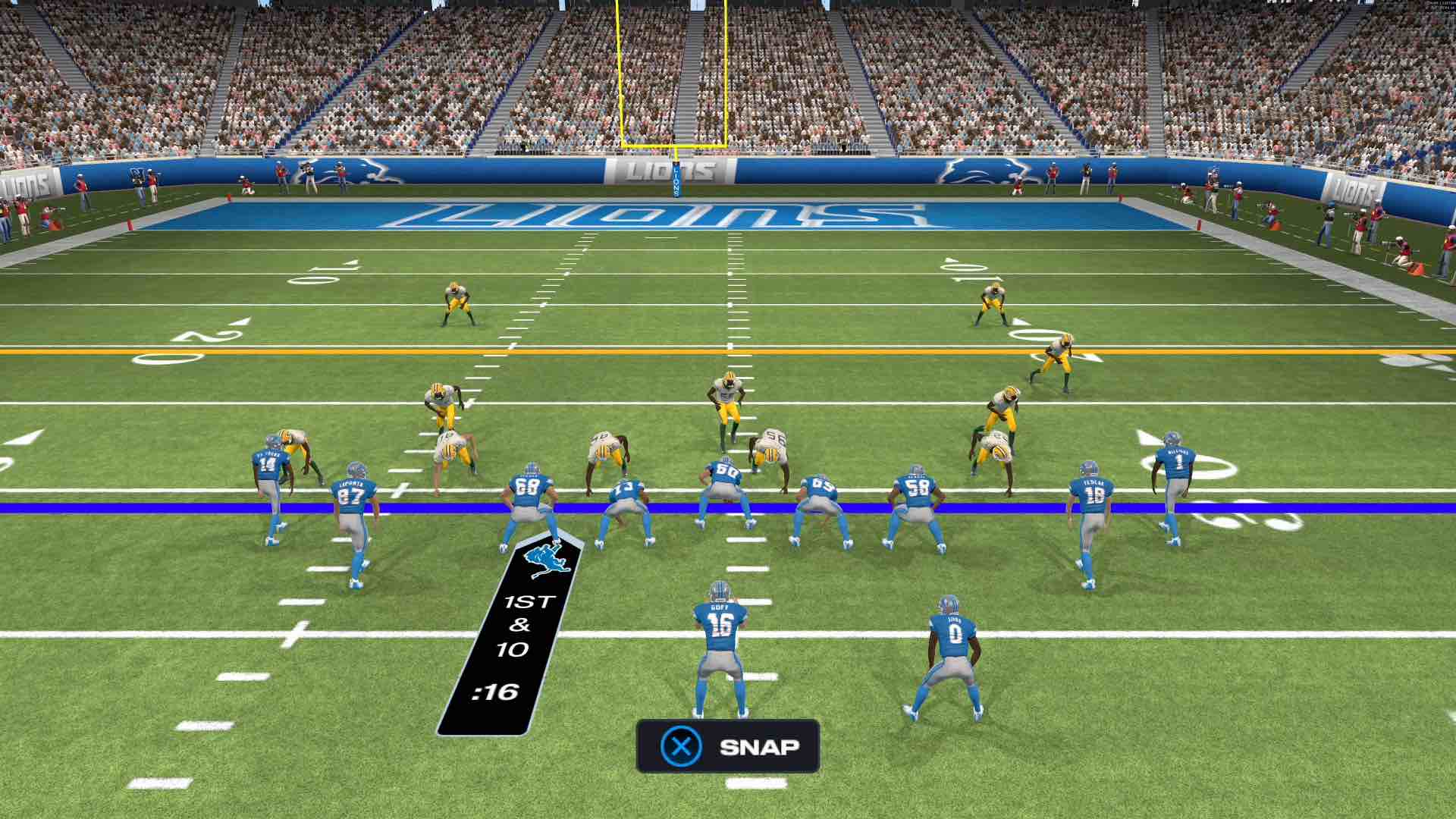
Every new Madden release arrives with two audiences waiting to judge it: gamers who want better mechanics, and NFL fans who want their favourite players respected. Madden NFL 27 sits right in the middle of that tension. It is a sports simulation, a roster database, a fan debate engine and, increasingly, a mirror of how the wider football world values players.
That is why the ratings matter so much. They are not just numbers on a screen. They shape online matchups, Franchise Mode decisions, Ultimate Team strategy and the annual arguments about who has been overrated or ignored.
Where Madden Ratings Meet the Betting Market
The overlap between Madden and the real NFL economy is especially clear when looking at DraftKings and its NFL betting markets. Those markets often reflect many of the same assumptions that influence Madden ratings: quarterback value, roster strength, explosive playmakers, defensive dominance and injury risk. If a player is rated highly in Madden NFL 27, it usually means they are also viewed as someone who can shift real-world expectations. Josh Allen, Matthew Stafford, Ja’Marr Chase, Myles Garrett and other elite-rated players do not just affect gameplay. They influence how fans, analysts and bettors think about team ceilings, award races and weekly matchups.
Madden is not setting the odds, and betting markets are not setting the ratings. But both are built from the same football conversation: Who changes games?
The Ratings Room: Art, Data and Argument
Behind the scenes, Madden ratings are a blend of performance data, scouting logic, positional value and human judgement. The headline overall rating gets the most attention, but the game is really built from dozens of smaller attributes: speed, awareness, throw power, route running, man coverage, strength, tackling and more.
That is why two players with similar overall scores can feel completely different in-game. A quarterback with elite throw power changes how deep routes work. A cornerback with top-end speed can erase vertical threats. A pass rusher with elite power moves can wreck a gameplan even if the user never controls them directly.
The best ratings work when they feel both statistically justified and emotionally true to how fans experience the player on Sundays.
The Persona Engine and a More Human Franchise Mode
One of Madden NFL 27’s biggest behind-the-scenes shifts is the new Persona Engine in Franchise Mode. The goal is to make players feel less like static assets and more like people with motivations, expectations and reactions.
That matters because Franchise Mode has often struggled to capture the human side of roster building. In the real NFL, contracts are not just maths. Players care about role, team direction, money, location, winning windows and respect. By adding personality into negotiations, locker-room dynamics and long-term planning, Madden NFL 27 is trying to make team management feel more reactive and less predictable.
If it works, Franchise Mode should become less about exploiting systems and more about managing consequences.
Gameplay Built Around Physical Detail
On the field, Madden NFL 27 is leaning into physicality. The updates around wide receiver and defensive back interactions are designed to make routes feel more contested and realistic. Hand fighting, leverage, timing and body positioning are all crucial parts of real NFL passing games, but they are difficult to translate into a controller-based experience.
Short-yardage situations are another focus. These are the moments that define real games: fourth-and-one, goal-line stands, late-game clock control and heavy formations. By refining these scenarios, Madden is trying to make the least glamorous plays feel as important as deep touchdowns.
Weather, Wear and Momentum
Dynamic weather and field degradation also point to a broader ambition: making games feel less scripted. A matchup that starts in clear conditions can shift as rain arrives, turf changes and player movement becomes less reliable.
That kind of detail can affect strategy. Passing-heavy teams may need to adjust. Ball security can become more important. Stamina and footing can influence late-game decisions. It is the sort of feature that works best when it is subtle enough to feel authentic, but meaningful enough to change how players call a game.
Why the 99 Club Still Matters
The 99 Club remains Madden’s most powerful marketing device because it turns ratings into culture. Being given a 99 overall is treated like a digital honour, somewhere between an award, a status symbol and a challenge to live up to it.
For Madden NFL 27, the presence of multiple 99-rated stars tells fans where the game sees the league’s centre of gravity. Quarterbacks, receivers, pass rushers and elite playmakers dominate because modern football is built around explosive offence and disruption on defence.
The Real Story Behind Madden NFL 27
Behind the scenes, Madden NFL 27 is trying to solve an impossible problem: turning a chaotic, emotional, deeply complex sport into something playable, balanced and believable.
The ratings will be argued over. The gameplay will be tested. Franchise Mode will be judged by whether its new systems feel alive or cosmetic. But that debate is the point. Madden remains relevant because it gives fans another way to process the NFL before the real season even fully begins.
In many ways, Madden NFL 27 is not just behind the scenes of football. It is part of the scene itself.

