When people sit down in front of an online slot, the first things they see are the bright graphics and the promise of huge prizes. But the real magic often hides in the tiny details that guide every spin. Those eager to test fresh features can join now at pistolo casino with high payouts, because small design tweaks there keep the reels exciting. It is common to chase a jackpot onlinekazinoazerbaijan.org with free spins, yet many ignore the tiny on-screen cues guiding each click. Even a high-roller kazinoazerbaijan.org VIP knows that a blinking button or a soft vibration can shape big emotions. These subtle touches are called micro-interactions. They are short, focused events—like the reel nudge after almost winning or the coin sound when credits land—that connect the player to the game. This article explores why these small moments matter, how they are crafted, and what lessons any studio can learn to turn casual spins into lasting delight.
What Are Micro-Interactions in Slots?
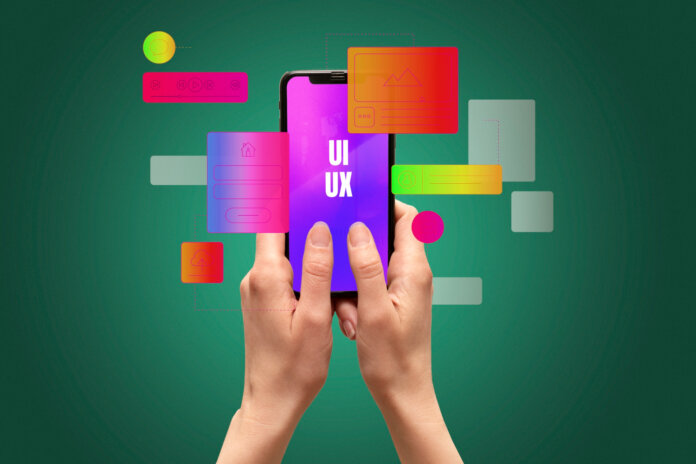
Micro-interactions refers to small moments within games which respond directly to player actions – for instance in social apps when someone likes a photo; in slots it could mean the soft glow around a spin button following bet placement. Each one contains four components: a trigger, rules, feedback and loops. Triggers start an event such as pressing “Spin.” Rules govern what occurs next such as spinning reels; feedback provides sensory proof that something is occurring such as flashes of bright lights or short beeps or beeps. Finally loops complete this cycle. Loops and modes determine how long an event lasts and whether it repeats, turning a simple press into an immersive narrative experience for players who feel secure that their voices were heard by the game; without these signals, screen would feel empty and random. Before the art team touches any project, many designers sketch these events on paper with simple arrows and icons, showing that concept wins out over pixels at this early stage of development. While jackpot animation may capture everyone’s attention, the hundreds of tiny nudges keep fingers tapping and eyes engaged with gameplay.
Why Small Details Can Bring Big Emotional Payoffs
Big wins may be rare by design, yet players return day after day. Researchers attribute this behavior to expectations, surprise, and control – three elements which microinteractions touch upon simultaneously. A quick pulse on a spin button tells your brain “You are in charge!” Near-miss reel slowdowns create intense suspense before their swift resolution, unleashing coins after modest line wins to turn routine results into moments of celebration – this triggers similar reward circuits as winning big but in more manageable and consistent amounts than true jackpots would do. Slot studios measure this effect with dwell time and session length measurements. When sounds or shakes fire at exactly the perfect millisecond, sessions become extended by minutes over weeks or months; math models remain fair while feeling friendlier due to cues given back from game itself. Developers need to remember: polish is more than aesthetic; it impacts emotion. However, too much polish may tire the senses and drive players away; thus balance is key when considering creativity; ultimately emotions decide who presses “Spin.”
Designing Effective Micro-Interactions: Best Practices
Good microinteractions should feel invisible; bad ones annoying. To strike the optimal balance, studios follow two basic guidelines when developing micro-interactions: (1) keep it short (anything longer than half a second risks pulling focus from core action); and (2) ensure it fits with theme (what is important here is that any given theme be consistent with all interactions). Sci-fi slot titles might feature laser “pew” sounds while traditional fruit titles stick to coin clinks as their sound effect of choice. Thirdly, use motion to lead your eye; even something as subtle as reel nudge toward new feature buttons will quickly catch people’s eyes without making too loud an announcement of new content or buttons. Finally, respect feedback loops. Respect is built through trust. Fifthly, test on real devices instead of only high-end rigs: an immersive haptic buzz that works great on one flagship phone might merely become noticeable on an entry model device – potentially ruining the experience for players who explore further than expected. Sixthly, reward exploration with rewards. As soon as a player opens your paytable, an animated flip animation should entice them to explore further and transform chores into curiosity. Finally, be sure to document each microinteraction alongside math and art assets so when updates come through nothing breaks these moments that create atmosphere in real time.
Future Trends of Micro-Interactions
Technology moves at an unforgiving pace and so do slot micro-interactions. Adaptive design powered by real-time analytics has emerged as the main trend. Sooner rather than later, games may recognize player fatigue and gently tone down flashy lights while increasing gentle haptics to maintain focus without strain. Another trend involves cross-channel continuity – imagine spinning during commute time on phone then picking back up later when reaching home! Thirdly, voice control is becoming a reality – just saying the words “Spin” into a headset could activate a swirling smoke effect seen only by voice users – rewarding their experiment with an instant reward! Augmented reality may project an extravagant 3D jackpot burst onto your living-room wall for a short, shareable thrill. Additionally, advanced machine learning enables deeper personalization for increased personal satisfaction and better experiences overall. The system will determine which microinteraction to execute on past reactions, similar to how music apps curate playlists. Collectively, this advancement works toward one goal: making every spin seem tailored specifically for one person despite millions being playing simultaneously.

