When did your hobby last feel like a break instead of one more thing to manage? For many, the answer isn’t recent, and the reason usually comes down to one missing piece: a limit. Without one, a hobby that used to mean relaxing after work slowly expands to fill whatever time is left, including time that wasn’t free to begin with.
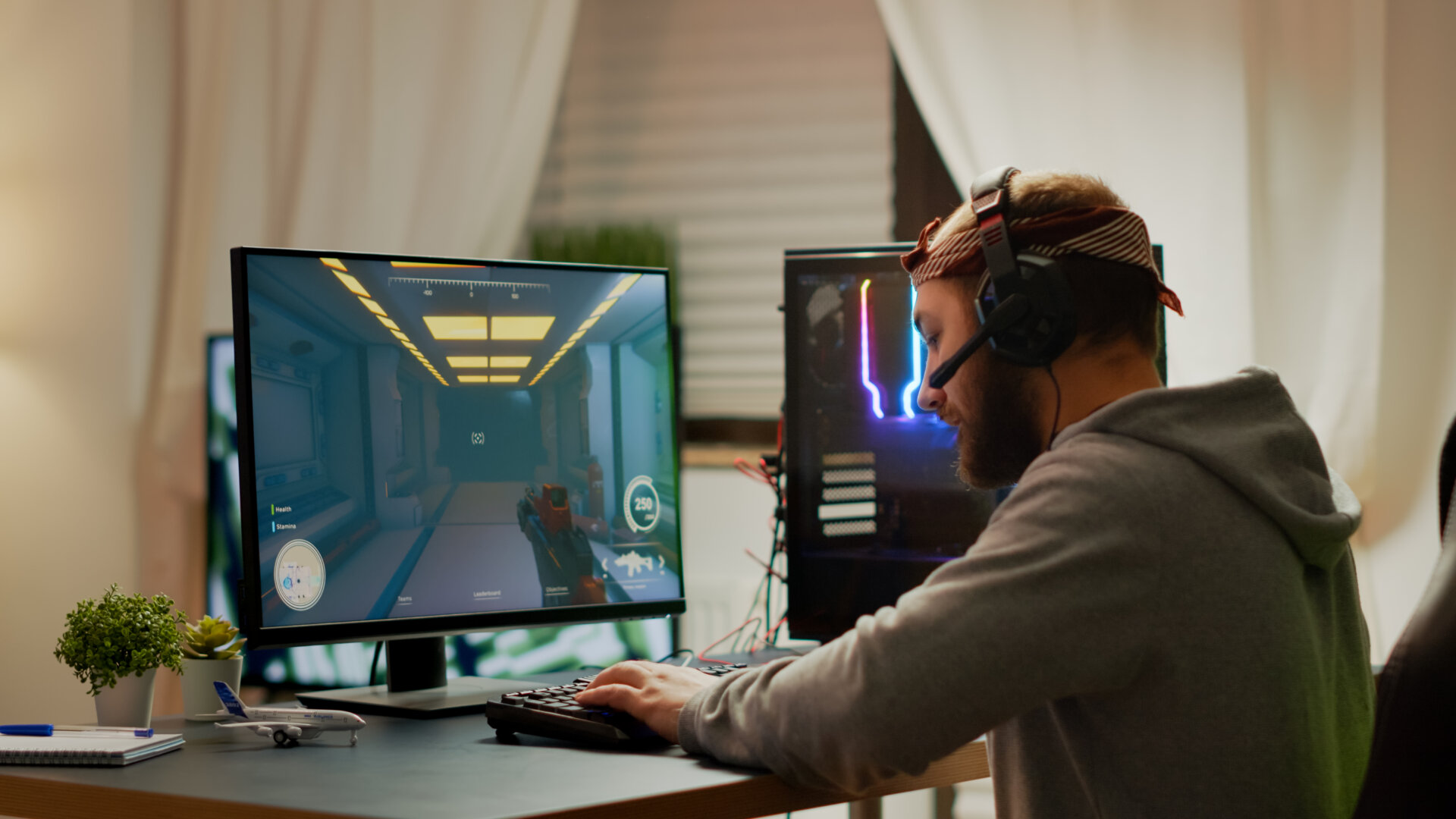
This happens across almost every kind of pastime, whether it’s a sports league that eats entire weekends, a craft project that spirals past bedtime, or something lighter like casual games. You launch the gaming app, intending to play one session, and all of sudden you’ve gone through multiple rounds.
That’s the pattern a personal boundary is built to interrupt, and the sections below cover exactly what a limit protects once you’ve set one.
They Preserve Choice
When you decide on a stopping point in advance, a hobby feels chosen rather than something that just keeps going. Even just 20 minutes can turn into 2 hours faster than most people expect, especially with anything that’s designed to hold attention for long stretches, and you rarely feel time passing by while you’re in the moment. Reading, gaming, and scrolling through a hobby community online all share this trait, since none of them come with a built-in ending; the session continues until something external interrupts it, whether that’s an alarm, a phone call, or simple exhaustion.
Decide on an end point before a session begins, and it protects everything around it: sleep, work, and plans with other people. Even a rough estimate, rather than an exact number, is enough to keep a session from quietly taking over an evening it was never meant to fill.
They Keep Spending Intentional
Set a price before a hobby starts, and spending stays part of the fun rather than a source of stress. Craft supplies, gym fees, and entertainment spending can all climb steadily without anyone noticing; casino-style entertainment works the same way. Before playing slots through a gaming app, review an online slots guide, check betting limits, and responsible gaming programs to set clear spending boundaries, stick to them more easily, and prevent temptation from weighing in.
There’s nothing wrong with spending on something enjoyable. What helps is setting the amount first, since in-the-moment decisions tend to favor “just a little more” over sticking to a plan. A fixed amount that’s chosen ahead of time keeps the activity feeling like entertainment rather than a source of stress.
They Make Commitments Sustainable
Group hobbies like book clubs, gaming guilds, or weekend leagues can feel obligatory the moment other members expect steady participation, and stepping back can feel like letting someone down (even when it doesn’t). That pressure builds quietly, since nobody explicitly asks for constant availability; it just becomes the unspoken norm over time.
It’s fine to skip a session once in a while to protect the parts of the hobby actually worth showing up for. This applies to solo-feeling hobbies, too, since keeping up with a group chat can eat just as much time as the hobby itself, often without feeling like a real time cost until later. There’s a real difference between showing up because you want to and showing up because you feel you have to, and that difference makes the commitment easier to sustain.
They Keep the Fun
How a session ends says a lot about whether a hobby is still doing its job. Not every hobby announces when it stops being fun; often the shift is subtle and the habit continues past the point of enjoyment. If a session ends with you feeling relaxed, the hobby is still working the way it should; if it ends with irritation, restlessness, or fatigue, something is worth examining, even if the hobby itself hasn’t changed at all.
This kind of check-in doesn’t need to happen constantly, but skipping it entirely lets a hobby run on autopilot long after the enjoyment has faded. The earlier you notice that shift, the easier it is to adjust, whether that means shorter sessions, a smaller budget, or a short break, before burnout forces the issue in a way that’s harder to ignore.
Boundaries don’t make a hobby smaller. They’re what keeps it from quietly becoming another obligation on an already full list. The point is treating a hobby the way it was meant to be treated from the start: something chosen, not something that runs on its own until it costs more than it gives back. People who protect their hobbies usually aren’t the ones with the most free time. They’re the ones who decided their limits early and actually kept them.

