
Creating video games can seem like a daunting task — that is because it is. Game development is a complex process that requires specific knowledge and skills, along with mastery of a wide range of game design tools, styles, and technologies available today. That is why many aspiring developers consider 2D video game development the perfect entry point. It offers the right balance of creativity and technical challenge, allowing beginners to learn and improve seamlessly.
We understand that getting started in 2D video game development may still feel overwhelming, and we are here to help! We will now explore everything you need to know about 2D video games, so you can start building your own.
What Is a 2D Video Game?
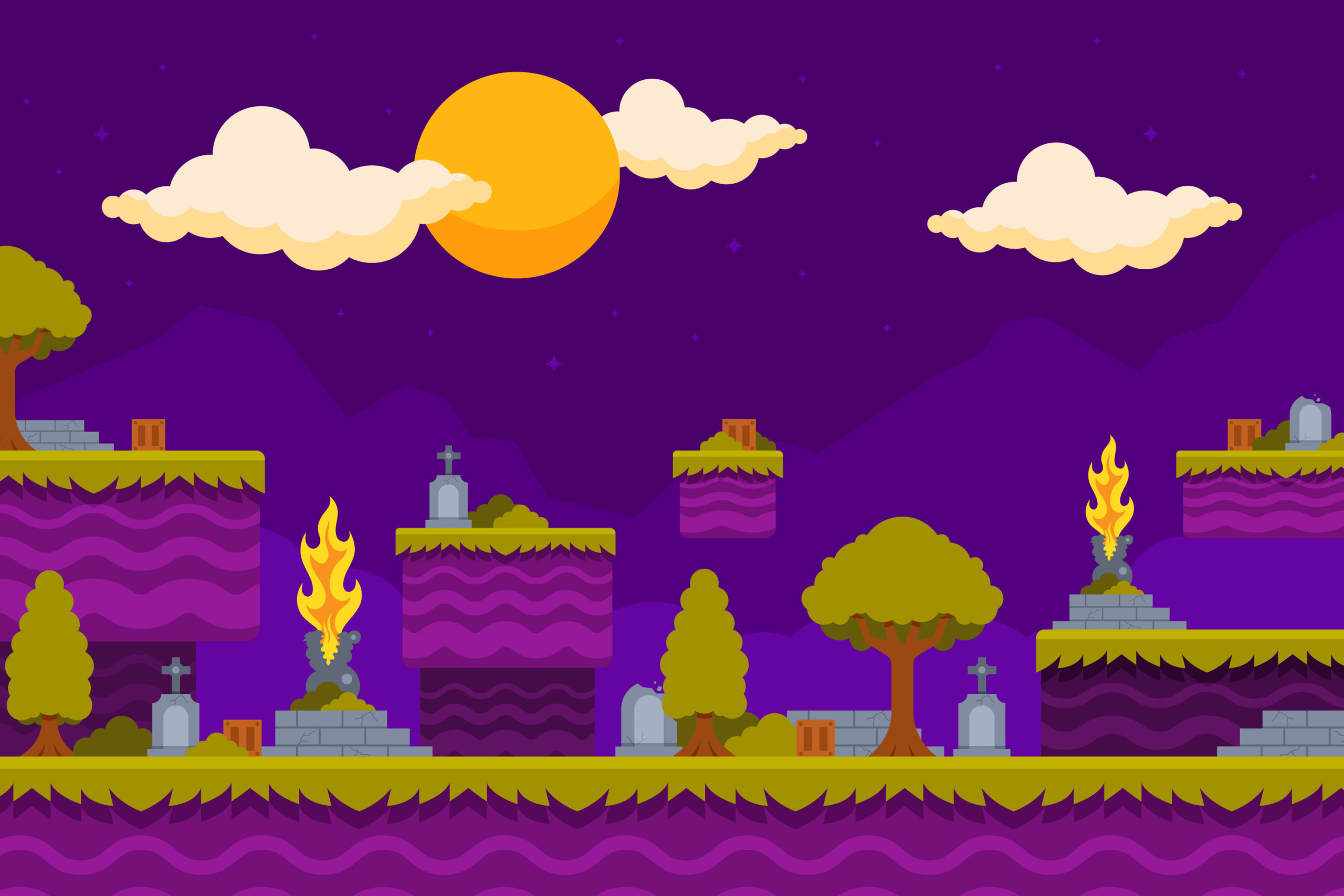
A 2D video game is a type of game where all visuals exist within a two-dimensional space, often working as sprite-based experiences. Generally, games of this kind only allow players to move along the horizontal and vertical axes of a screen with a fixed perspective, which is why they heavily rely on artistic style and engaging gameplay to enhance immersion.
2D vs 3D Video Games
The difference between 2D and 3D video games lies in their visuals. In detail, the former operates on a flat plane, while the latter introduces depth. 2D games may seem flat, while 3D titles give a sense of realism and perspective. Likewise, 3D projects are more complex to develop, since they entail an intricate design pipeline.
Advantages of 2D Video Games
While 3D video games seem to offer better playing experiences due to their realistic, immersive, and engaging qualities, 2D video games offer their own set of advantages, which keep them highly relevant to this day.
- Easier and Faster Development Process
- Lower Production Costs
- Loyal Fan Base and Community
- Nostalgic Appeal
- Straightforward Gameplay
Popular Genres in 2D Games
The simplicity of 2D video games leads to versatility that enables them to fit into a broad range of game genres, such as the following:
- Idle games
- Platformers
- Puzzle games
- Roguelikes
- Role-playing games
To explore more about this, read our ultimate guide to video game genres.
Top 2D Video Game Examples
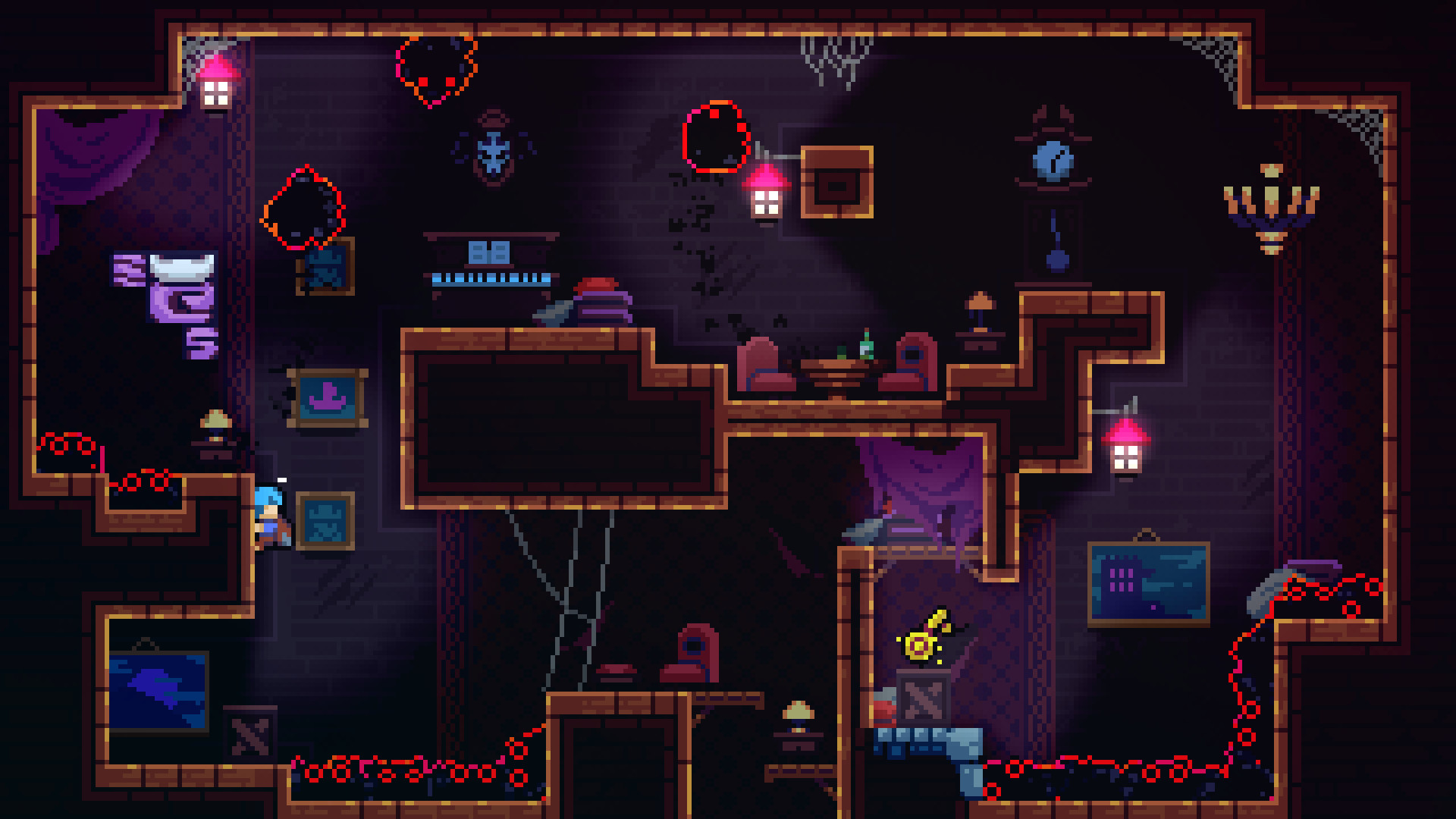
By no means does the format of 2D games limit their creativity and success. Many iconic titles prove their influence and impact that can be on the same level as their 3D counterparts. Here are a few examples:
- Celeste (2018)
- Cuphead (2017)
- Donkey Kong Country (1994)
- Hollow Knight (2017)
- Inside (2016)
- Metal Slug 3 (2000)
- The Binding of Isaac (2011)
- Sonic 3 & Knuckles (1994)
- Stardew Valley (2016)
- Super Mario Bros (1985)
How to Make Your Own 2D Game
2D video game development would be much more manageable if you broke it into clear steps. And we did it for you!
- Start with a Simple Idea – Focus on the core concept, such as the game mechanics, art style, and other elements that make up the foundation.
- Pick a Game Genre – Determine on a game genre, as it will guide the rest of your decisions that shape your project.
- Choose the Right Tools – Use beginner-friendly tools (e.g., GameMaker, Godot, or Unity), which are suited for simple projects.
- Build and Test – Start creating visual assets, designing levels, adding audio, then review their balance and playability.
- Launch and Improve – Publish your game on platforms and gather feedback. To learn more, visit our article about launching your indie game and our guide on how to publish.
Final Thoughts: Simplicity Meets Endless Creativity
Whether you are inspired by Stardew Valley or Cuphead, creating a 2D video game is one of the most accessible ways to begin your game development journey. It also provides promising opportunities, as this kind of game holds timeless appeal that transcends generations of players. It never gets old, they say. Hence, seasoned developers also take them as a way to challenge themselves to experiment and innovate. With the right approach, even a simple concept can evolve into a memorable experience that rivals complex AAA games.
If you are serious about building your first 2D video game, check out our full breakdown on how much it costs to make a video game.

