
Consoles and PCs no longer dominate the gaming world alone — they are now sharing it with smartphones. The rise of mobile devices has immensely impacted the gaming industry. Statistics indicate that the global mobile games market is expected to reach $134.22 billion in revenue this year. At the same time, the number of users is anticipated to exceed two billion by 2030. This big leap made mobile game design one of the fastest-growing sectors in interactive entertainment.
With that said, for sure, many are interested in entering the field. However, a game designer must understand that being an expert in computer or console games does not necessarily mean that they can easily switch to making mobile games. You need to adapt to how players interact with smaller screens, short gaming sessions, and touch-based controls.
If this is exactly what you are looking for, our guide is perfect for you! This article explores the principles of mobile game design, including user experience, monetization strategies, game engines, optimization, tips, and industry trends.
Defining Mobile Game Design
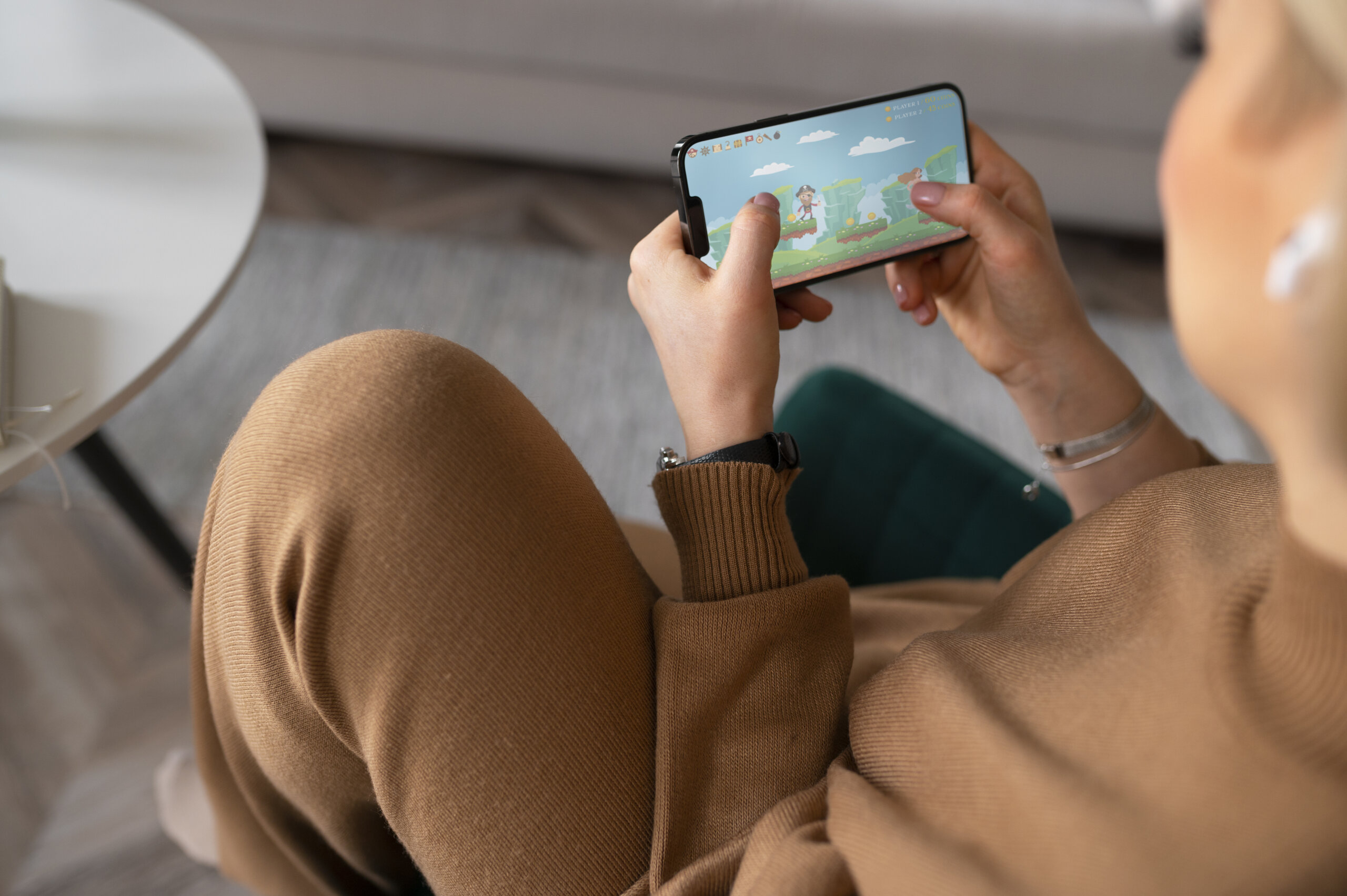
Mobile game design refers to the creation of video games that spark pleasurable gameplay experiences within the constraints of mobile devices, whether iOS or Android.
Key Elements of Mobile Game Design
In designing mobile games, creators must put emphasis on clarity, simplicity, and efficiency, as smartphones have limited screen size, varying processing power, and restricted battery life.
- Accessibility
Mobile games feature simple and clear mechanics that are easy to learn and play.
- Session Length
Games that are ready to be played in quick sessions cater to mobile gamers who play in short bursts.
- Progression Systems
Players need something to look forward to, such as new levels, upgrades, or achievements, which encourages continued playtime. For instance, EA FC 26 allows players to unlock attributes, playstyles, and perks upon reaching certain levels.
- Visual and Audio Appeal
Bright and clean visuals, along with thrilling music, entice gamers to play more.
Understanding User Experience
One critical aspect not to overlook when designing a mobile game is user experience, as it is tied to player satisfaction and engagement. In detail, the design should match the target audience. Likewise, the controls should be large enough to tap on smaller screens and must respond quickly. At the same time, the layout should adapt to different devices. Onboarding is also crucial, as things like well-designed tutorials prevent overwhelming players. Moreover, performance matters since nobody wants to deal with lag, crashes, and slow loading times that disconnect them from the game world. Ensuring that a game features a good user experience design helps in improving retention rates, revenue, and reputation.
Simple Steps to Design a Mobile Game

Take a look at the general process of creating a mobile game.
- Know Your Audience
Ask yourself about who you want to make games for, so you can assess factors like genre and visual style to come up with informed decisions.
- Conceptualize Your Game
Start forming game ideas, including core mechanics, narrative, levels, reward systems, and beyond.
- Choose the Right Game Engine
Select the right development tool that fits your needs and preferences before prototyping, wireframing, or even investing in full production. Two of the most popular choices are Unity and Unreal Engine, while alternatives like Godot Engine also exist for those working on smaller projects.
- Optimize Graphics for Mobile
Use simple but effective art styles, compress texture, and maintain a stable frame rate.
- Pick a Monetization Model
Decide on a monetization strategy that perfectly aligns with your goals and matches your game to achieve balance.
- Test and Launch Your Game
Conduct playtests to thoroughly review your game for identifying bugs, performance issues, and gameplay problems. Once completed, you can start choosing where to publish your project.
- Update and Iterate
Monitor player feedback to improve your game.
Mobile Game Monetization Strategies
Of course, aside from keeping players happy, game developers need to generate revenue to keep going. However, they must make it a point that the monetization model or revenue system does not negatively impact player experience. Finding the right balance is key. Here are a few strategies to choose from:
- In-App Purchases
- Subscription Models
- Ad Placements
- Premium Paid Apps
- Paywalls
- Paid Content
Tips for Engaging Gameplay

Strong visuals and polished mechanics are a good start, but compelling gameplay is necessary in mobile game design if you want to create experiences that retain players.
- Clear Goals
Keep things simple, as players should always understand what needs to be accomplished.
- Variety
Players can get bored over time, so include new mechanics, fresh environments, and daily challenges to avoid a repetitive feeling.
- Social Features
Boost player interaction and competition by integrating leaderboards, multiplayer modes, or community events.
- Player Feedback
Allow gamers to send feedback that can help you identify the specific changes or improvements necessary for regular testing and update rollout.
Trends in Mobile Game Design
As the mobile game market worldwide continues to grow and as technology advances, several trends emerge that target evolving player preferences. More specifically, the modern trends include the rise of cloud gaming, cross-platform play, and integration of augmented reality, virtual reality, and artificial intelligence. At the same time, the industry is also witnessing subscription models, social gaming features, accessibility, and inclusive design taking the center stage.
Frequently Asked Questions
Q: What is mobile game design?
A: Mobile game design pertains to the process of creating games intended for smartphones.
Q: How long would it take to design and create a mobile game?
A: There is no specific timeline, as the process depends on factors, including complexity, genre, platforms, and designer experience.
Q: Is it possible to learn more about mobile game design?
A: Yes, indeed! Learning mobile game design more deeply is possible through courses, game design classes, and game design schools.
Final Thoughts: Making Big Experiences for Small Screens
Interest alone will not make you successful in mobile game design. It requires mastery of all the essentials, such as creativity, technical prowess, and a clear understanding of player behavior and experience. Keep in mind that having a brilliant idea is not enough; you have to use intuitive user interfaces, optimize graphics, and integrate monetization systems, as these contribute to the overall experience. A word to the wise — always have a checklist. Now, prep everything that you need and start building the next hit game that fits in everyone’s pocket!

