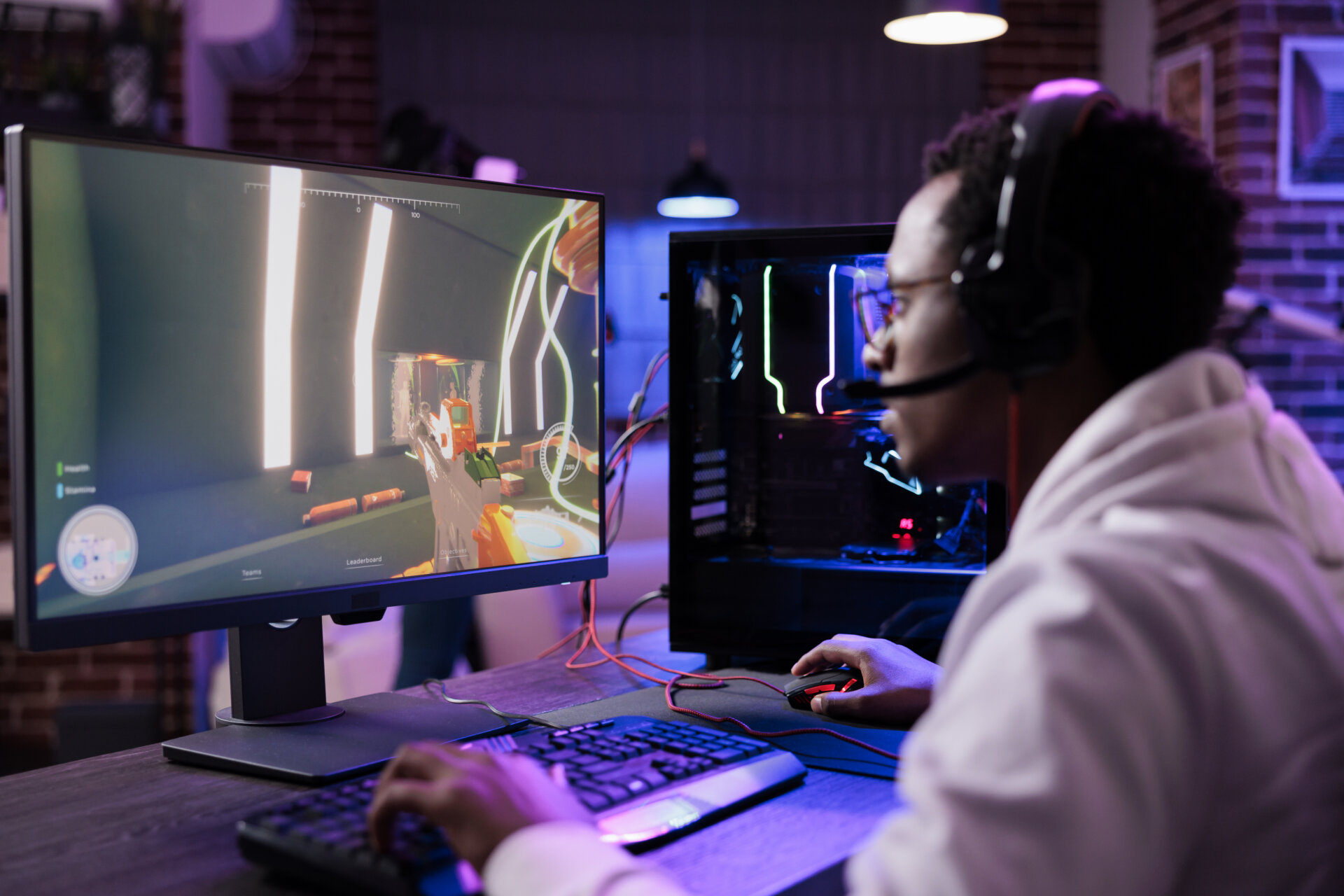
For many, becoming a video game designer represents the ideal mix of creativity and technology. There is just something uniquely powerful about video games that appeals to many people. Compared to other forms of entertainment media, they are completely immersive. Video games invite players to step inside them, explore the worlds that feel alive, make meaningful choices, and shape their own adventures. Such descriptions sound exciting, but they do not even come close to what video games truly offer, which is why many people are interested in them.
Every memorable gaming experience comes from a team of creators, and a game designer is at the center of it all. Imagine being the brain behind a popular video game. Who would not want to be the person responsible for the titles enjoyed by more than 3.32 billion players worldwide? Not to mention the competitive salary that awaits those who create video games. Promising, right? But, while the idea is appealing, the reality is more complex.
Not everyone who loves video games can just waltz into a game studio and apply to become a game designer. Things do not work like that. Besides, game design is not only about having great ideas, but it is also about shaping those ideas into structured, playable experiences that work. More than this, it requires exceptional creativity, technical understanding, extensive patience, and a constant willingness to learn.
At this point, it should be clear that becoming a video game designer can be challenging. However, if you are serious about pursuing this profession, we will not stand in your way. But you’d better be prepared before you do so. To help understand the path ahead, this full guide provides essential information on a video game designer’s role, how to become one, possible career paths, a few tips, and the potential salary.
What Does a Video Game Designer Do?
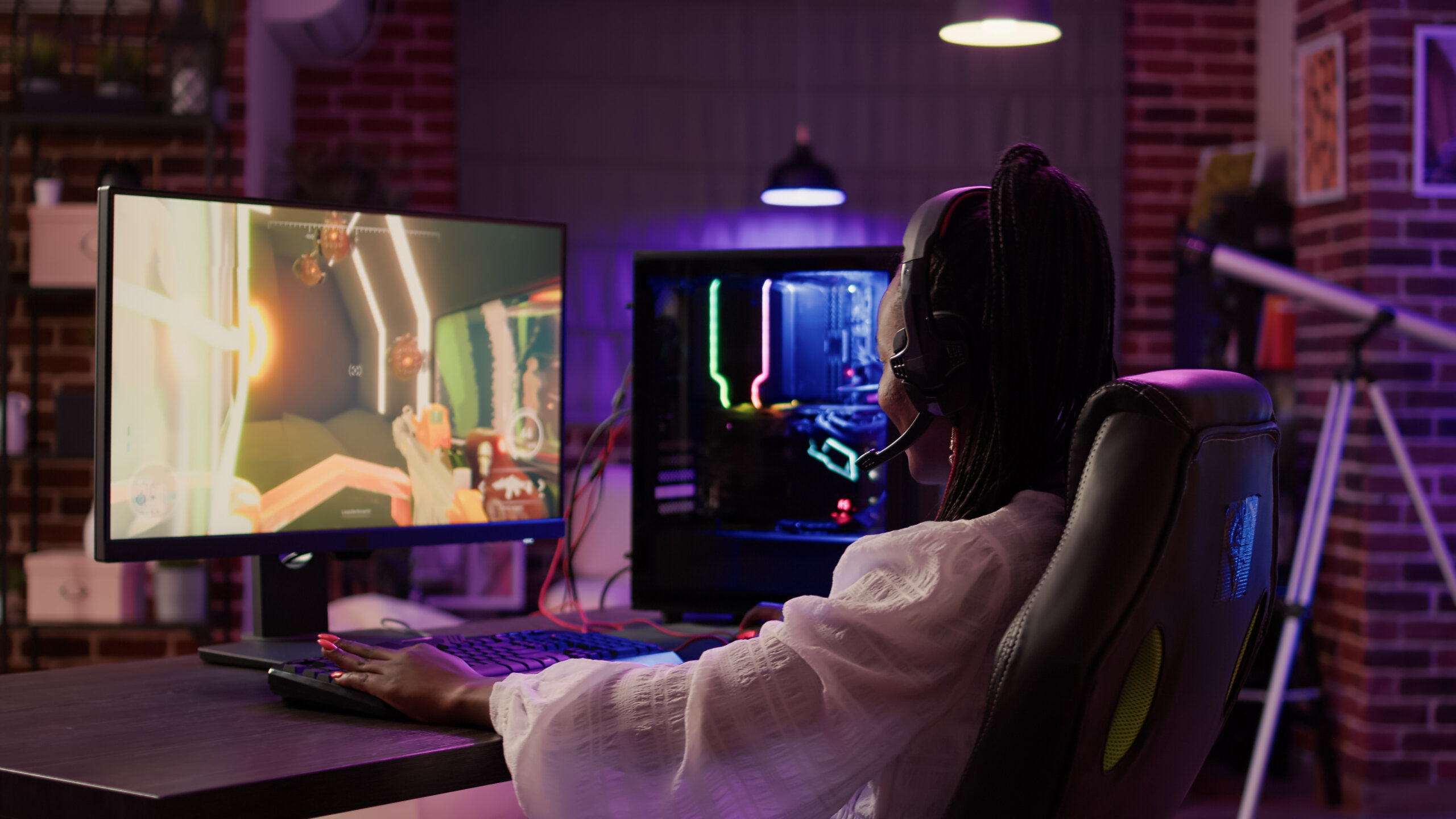
Understanding the role is essential for understanding the journey. Let us begin by knowing more about a video game designer. A video game designer, commonly referred to as a game designer, is the creative mind responsible for a game’s overall vision, concept, and experience. This includes generating fresh ideas for artwork, characters, gameplay, levels, mechanics, rules, storylines, and more. It is the responsibility of a video game designer to come up with ideas that players find fun and engaging, thereby requiring mastery of the art of game design.
It is worth noting that the role of a game designer is not all about fun and games. It entails complex responsibilities throughout the entire game development process. As players seek more complex and realistic games, demand for extensive skills among video game designers is growing. Today, they need to possess the perfect blend of soft skills (e.g., creativity, communication, problem-solving) and hard skills (e.g., proficiency with game engines, programming fundamentals).
The job also calls for constant collaboration with other team members. In more detail, a game designer works closely with programmers, artists, producers, and others. A team-oriented approach is necessary to ensure they are operating with a cohesive vision.
Specializations also exist in game design. After gaining enough experience and expertise, some designers focus on different specific areas, including level design, gameplay design, systems design, narrative design, and UI/UX design. This variety shows that being a video game designer is not just one job. It is a mix of different, connected skills and roles.
Steps to Becoming a Video Game Designer

There is no universal formula for becoming a video game designer. Nevertheless, if you are wondering how to become a game designer, you can follow these clear steps that can guide you toward achieving your dream.
Build Foundational Skills
The journey to a game design career often begins with developing core skills. One way to do so is to start playing the game analytically. Revisit existing games and observe aspects like mechanics, narratives, and player feedback loops to see what works, what does not, and how to improve them. This gives you a good feel of modern games, improving your analytical and creative skills.
Choose an Education Path
Education also plays a key role in becoming a game designer. This allows you to learn both soft skills and hard skills. By working on group projects, you will develop essential team skills necessary for professional environments. Pursuing education also enables you to master industry tools and software and familiarize yourself with the game design process. But unlike other fields, the gaming industry is much more flexible. You can choose from different paths, including a bachelor’s degree path at game design schools, a boot camp path at specialized institutions, or a self-taught path through online tutorials or courses. The choice depends on preference and what works best for you.
Start Building Game Projects
Another important step is creating your own projects. Do not worry! You do not need to build a massive, complex game right away. In fact, an effective approach is to start with something small and simple. For beginners, focusing on basic prototypes can contribute more to your learning journey. It is much better than taking on ambitious projects you can never complete with the skills you have now. Also, building game projects strengthens your understanding of design principles and improves your ability to execute ideas. Consequently, you may begin establishing a portfolio as you create more work. It will serve as a tool for landing jobs, as it shows employers what you can do.
Join Communities and Be an Intern
Networking and practical experience are also critical components. The game industry is home to online forums and game jams, which can open doors to industry connections. It can help you gain visibility and learn from others. In line with this, getting internship roles at studios is also pivotal in experiential learning. Plus, you can use it as a stepping stone to pursue jobs.
Apply for Entry-Level Positions
After securing formal education and developing the essential skills, it is time for you to start working professionally. This step begins with job hunting. You can find openings by exploring annual conferences, online job boards, and job fairs. Considering working at the place where you interned is also a viable option. You can even try leveraging the network you built to get recommendations and referrals. Moreover, starting in junior positions or QA roles can help you gain real-world experience before moving into more advanced roles.
Continue Learning
The urge to learn more should not fade even after landing a job. Actually, this should be a reason for you to continue improving. The game industry is constantly evolving, and continued growth in experience and skills is necessary to thrive. Also, it should be safe to say that you do not want to be stuck at entry-level roles, right? That said, ongoing learning can help you advance and specialize. Such upgrades elevate your credentials and portfolio, which boosts your chances of taking on bigger roles.
Entry-Level Roles in Game Design
Breaking into the gaming industry must be one of the most challenging parts of the journey, aside from the learning phase. Like in any other field, newbies often begin in small roles rather than as full-pledged game designers. And it is perfectly normal to start from the bottom. Unless you are the boss’s child. But even then, there is no guarantee.
Kidding aside, you must understand that starting with entry-level roles in game design is not a setback. Consider it a gift. A gift that allows you to grow and get closer to your goals of becoming a video game designer. While they are not specialized roles yet, they provide valuable experience and insight. Here are a few options you can consider:
- Assistant game designer
- Associate game designer
- Junior game designer
- Quality Assurance Tester
Tips for Aspiring Video Game Designers

Rarely is the roadmap to a game design career straightforward. Most of the time, the experience and journey vary. But regardless of the chosen path, it will always require adaptability, persistence, and a willingness to learn.
One of the most valuable lessons is to start small. Many think that aiming high always helps. While it is true, it is more likely to frustrate and discourage you once you realize you are not skilled enough. So, focusing on achievable projects helps build a strong foundation.
Learning the basics of programming also goes a long way. While it is not mandatory, having a background in coding makes you a better team contributor and enables clearer communication.
Likewise, feedback is crucial, as it is one of the fastest ways to improve.
Another key tip is staying consistent. Even small efforts can produce significant results when steadily done.
Above all, maintaining curiosity and passion is essential to keep you going and eager to learn.
Game Designer Salary in 2026
When considering how to become a game designer, it is natural to think about salary expectations. It is more important now that financial stability is somehow hard to sustain. Thankfully, game design is a field that offers competitive earnings.
According to Glassdoor data, the salary of a video game designer in the United States typically ranges from $74,000 to $134,000 per year. Meanwhile, the average annual salary of a game designer in the US is roughly $98,000.
When navigating potential salary in a game design career, it should be noted that several factors influence the figures, including education, skills, company, and location. For additional guidance, check out our article on the video game designer salary in 2026.
Frequently Asked Questions
Q1: Can anyone become a video game designer?
Answer: While anybody can pursue a game design career, only those who put in the work to gain knowledge and develop industry-level skills are likely to get hired by studios or employers.
Q2: Does becoming a video game designer require a degree?
Answer: Becoming a video game designer does not entail specific education requirements. You can either pursue formal education at universities, gain career-ready skills through boot camps, or choose a self-taught route through online learning. However, many employers give a slight edge to applicants who have a degree.
Q3: What skills are essential to become a game designer?
Answer: To become a game designer, you need the right balance of soft skills and hard skills. These include creativity, problem-solving, communication, collaboration, proficiency with game engines, basic programming, and more.
Q4: How much salary can I expect as a video game designer?
Answer: On average, video game designers in the United States across industries make around $98,000 per year. The figure may be higher or lower depending on factors such as experience, location, position, and others.
Q5: Where can I apply for work as a game designer?
Answer: Nowadays, game designers are needed in various industries, including healthcare, education, information technology, and more. However, if you want to stick to the gaming sector, game designers can either pursue an independent career or apply at indie studios or major AAA companies.
Final Thoughts
By now, you should see that the path to becoming a video game designer is anything but easy. No matter how passionate you are, it just cannot happen in an instant. It takes in-depth industry knowledge and skills to qualify for a video game designer role. At the same time, the time to learn, practice, and gain experience is no joke. But that should not be enough to stop you from pursuing the field. As the iconic line of American author Earl Nightingale goes, “Never give up on a dream just because of the time it will take to accomplish it. The time will pass anyway.”
On this journey, those who keep creating, learning, and adapting are more likely to succeed. It might feel overwhelming at first, especially if you are just starting out. The important thing is to take the first step. Start small and build from there. Every bit of progress brings you closer to your goal. If you are willing to put in the effort, a career full of possibilities is waiting for you.
If you are committed to pursuing a future in gaming, take action by exploring our guide on how to start your game design career path.

