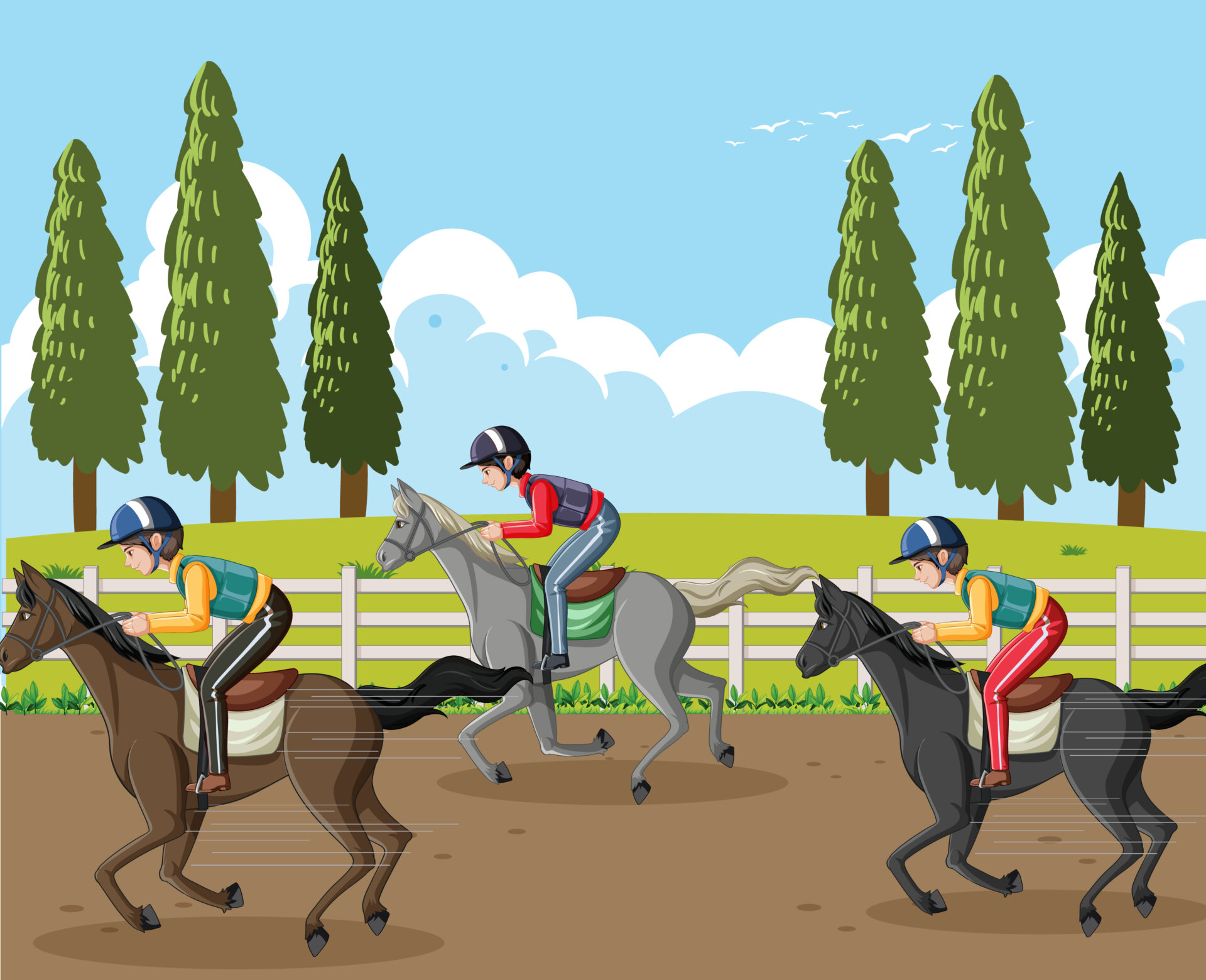
If we take all the best games that will sit in the forever-greats cabinet, what do they have in common? A good story? A good multiplayer feature? Not really. Most of them had impressive progression systems. They are the quiet engine behind every good horse racing game.
If you strip it away, all you’re left with are the races that feel disconnected and pointless. Yes, you might win, but what do you get for all those wins? So, without a good progression system, the game falls apart. But if you build it the right way using layers and many different categories (breeding, upgrades, decisions, XP, leveling, and prestige), suddenly games become a lot more fun.
Even though horse racing games are all about speed, the best ones don’t rush things. They make progression feel earned, which, yes, sometimes may be frustrating, but it makes the entire process more rewarding.
Progression Has to Feel Slower Than the Player Wants
This sounds counterintuitive, but it’s true. Imagine a game where 10 minutes in, you’ve already unlocked everything. What’s the point of playing the game longer? But this is like a balance scale. If the process is too slow, they quit out of frustration. After all, this is horse racing; players want some areas to be fast.
The sweet spot lives in the middle. Horse racing games do this well because racing itself is built around patience. Horses don’t peak instantly. Stables don’t become dominant after one race. This means that the game mirrors reality, even though it may be time-consuming.
However, once players reach a certain point of prestige/success, the entire process feels more rewarding. On top of that, people have already spent a lot of time building something in the game, so there is a lower chance they’ll quit the game soon.
Early Progression Is About Learning, Not Winning
The early stages of horse racing games should be easygoing. The horse racing industry is complex and imagine a person who has never placed a horse racing bet in their life, or watched a horse race, starting a game with 10 different modes flashing on the screen. It’s confusing!
Just like in betting, all beginners have a learning curve. During this time, bettors learn what metrics in a race are important, how odds work, and how to manage their budget. Some even scan local authoritative sites like TwinSpires for the best horse racing bets, all to get better at something quicker.
Well, we have the same thing in horse racing games. Progression systems shouldn’t punish new players for not knowing what they’re doing. Early stages should teach them about mechanics and management.
Short races, limited stats, clear upgrades, and simple breeding choices. All of these things will flatten the learning curve and make games feel more understandable to beginners.
Horses Are Progression Anchors
In most of the popular racing games, horses aren’t disposable units. They’re long-term investments. You breed them, take care of them, train them, and race them.
They spent a lot of time with their horse, which is where the emotional attachments come in. Pro game developers know that emotional attachment can slow down progression, but in a good way. Studies suggest that this is a real thing, and people really do get emotional attachments to game characters. People hesitate before replacing a character they’ve spent hours developing, and that’s natural.
This creates a natural pacing in horse racing games. Instead of chasing the next unlock, upgrade, or race, players weigh trade-offs. When horses become anchors, progression becomes a series of decisions instead of a straight line, and that’s all because they’ve spent so much time developing their character.
Facilities and Systems
A common trap in racing games is making faster horses the only meaningful upgrade. That works briefly, then collapses.
A good idea is to layer progression through systems. That’s why we have stables, training grounds, races, and many other aspects (areas within a single game).
These upgrades don’t feel as exciting as a new horse, but they multiply future progress.
Players who understand this always advance faster, even if their horses aren’t the best early on. That mirrors real racing operations and, more importantly, rewards strategic thinking instead of brute grinding.
Progression should compound. Not reset.
Resource Scarcity Creates Real Choices
There is nothing worse than having unlimited currency. This can kill not just the progression but the entire game, and it is even worse than bad balancing.
That’s why strong racing games limit resources just enough to force prioritization. You can upgrade something, but not everything. Some games, like Rival Stars, “starve” you of resources before your next big upgrade, so if you spend recklessly, you won’t have enough money to progress.
Scarcity also makes success feel more satisfying. Winning a tough race is just like beating Malenia, Blade of Miquella, in Elden Ring. You feel like you’re about to pop a champagne just because the road there was tough.
Importance of Late-Game Progression
One of the hardest parts of progression design is the late game, and there is a good reason for that. Increasing costs and stat requirements feel lazy, and players notice. That’s why better systems change how progression works instead of just stretching it without any point.
Higher-level races introduce complexity. Breeding becomes more dynamic, and the competition is harder than ever before.
After all, at this stage, people aren’t chasing unlocks anymore. They worry about strategies, optimizing systems, and competing with others.
Progression in the game is responsible for engagement. People log in constantly because there’s always something just out of reach. When progression is done right, winning a race feels great, but building something that lasts feels even better.

