If you’re here, it’s probably because you’ve been browsing school websites, and you’ve seen the numbers. Forty thousand, sixty thousand, maybe more. The numbers seem scary, especially when you start picturing yourself in a few years, still paying off debt.
The simple answer to the question ‘are game design courses expensive?’ is, unfortunately, that yes, they can be.
But that isn’t the whole truth. Because game design isn’t just one thing, it has many aspects and specializations. There are programmers, artists, writers, producers, and sound designers. The cost of learning any one of those trades can differ a lot from the top universities to community colleges. And the price is only half. The other half is you. What you need, how you learn, how much debt you’re willing to carry before you land your first job. So before you commit to those years of work, you have to look past the tuition and see what you’re actually getting yourself into.
For-Profit Universities and Private Academies
When you start researching game design education, you will see some names more than others. Full Sail. DigiPen. Gnomon. These institutions dominate the search results and fill advertisements. They promise labs equipped like professional studios, alumni credits on blockbuster titles, and recruiters who return calls. The pitch is compelling, and the facilities are impressive. It is, by any measure, a package that makes you want to call them.
But most of the time, you’re not just paying for knowledge here, you’re also paying for the brand and for the network. It’s a premium product, and it comes with a premium cost.
So let’s break down what these universities offer their students, with actual numbers.
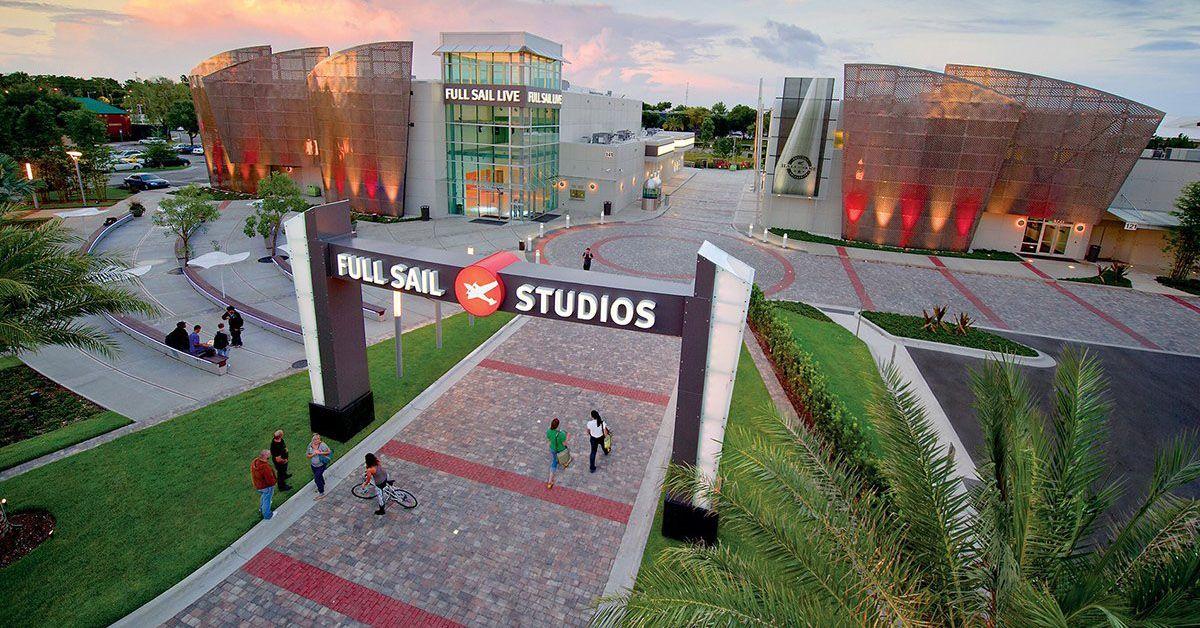
- Full Sail University – Undergraduate programs in Game Art, Game Development, or Computer Animation run $88,000 to $95,000 for tuition. They’ve got a campus in Winter Park and run on an accelerated timeline.
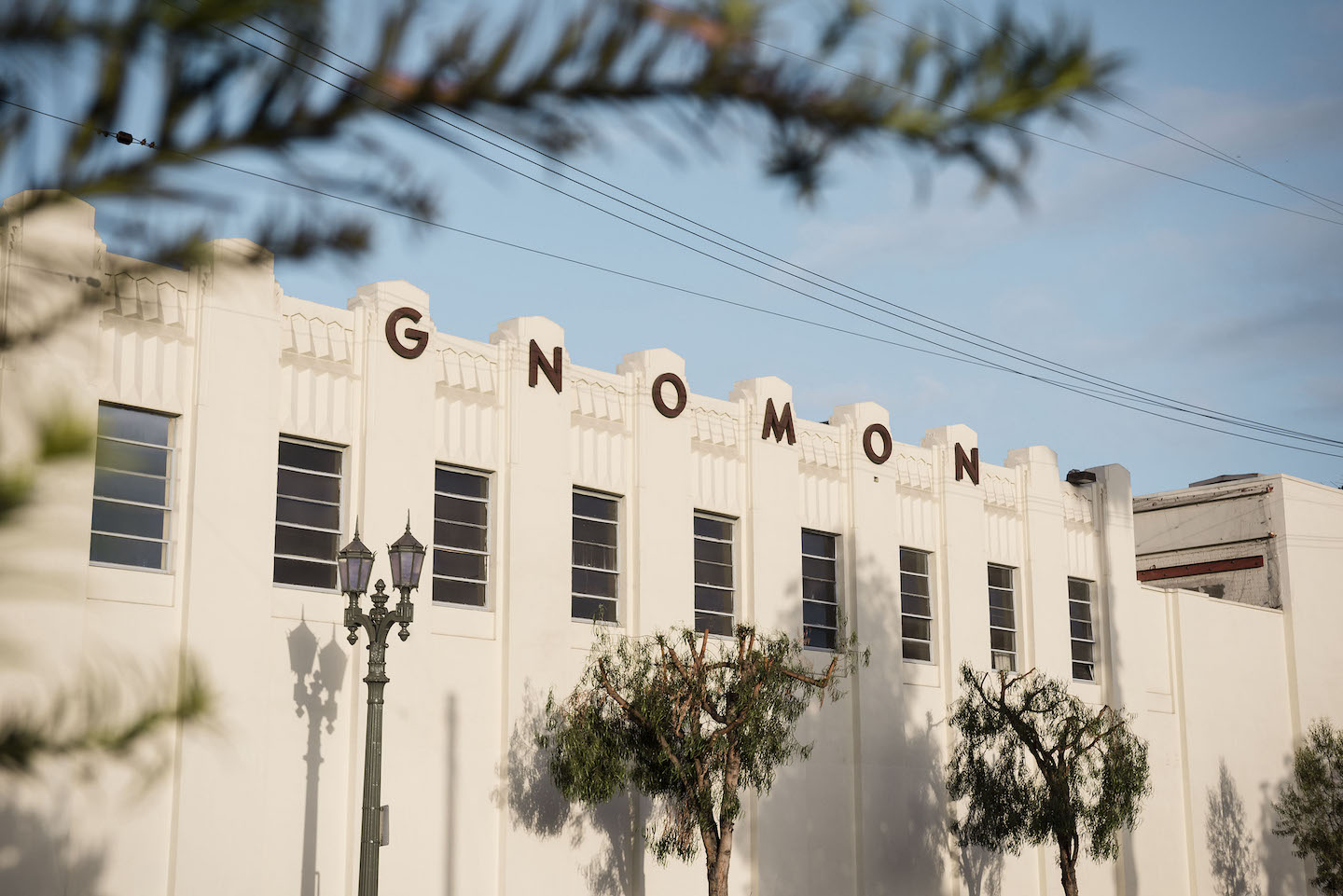
- Gnomon – This is the school if you want to work in Hollywood or at the big VFX houses. But if you want a Bachelor of Fine Arts here, you’re crossing the six-figure line. For four years, the 4-year BFA program can reach over $205,000, including living expenses in LA. They’re known for connections, but those connections are expensive. Always check the school’s Accreditation before committing to such a high tuition per credit rate.
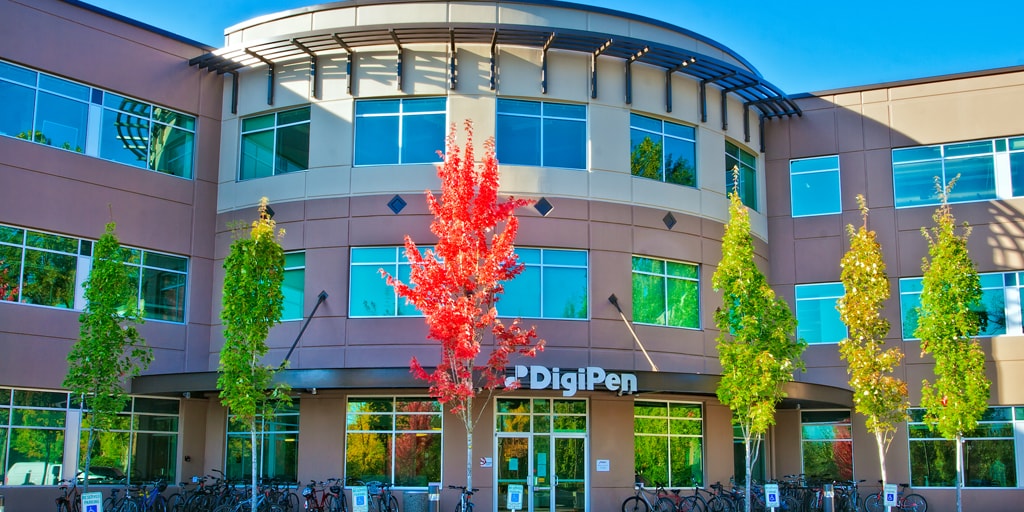
- DigiPen Institute of Technology – They focus on C++ programming programming and engineering side. For undergrads at their main campus, the prices are around $40,000 per year in tuition. They also have a Singapore campus with similar rates.
These places have one thing the others don’t, structure. You are constantly under a lot of pressure. You’ve got deadlines, mentors who’ve worked on big titles, and you’re just one in a room full of other talented kids who will push you. But you have to be clear-eyed about it. You have to ask yourself if this is worth the debt. Because it’s not just the tuition, you will have a starter salary you’ll be chasing for many years, and no time to take risks on an indie project.
It means you can accept a position at a small indie studio, taking creative risks. It means you are not chained to a corporate contract solely to service loan payments. In an industry where portfolio matters more than pedigree, that flexibility is not just practical. It is freedom.
The Middle Path: Public Universities and Community Colleges
Do not overlook the public institution. Many students make this mistake, and they assume that if a program doesn’t have a famous name, it lacks value.
A public university with a reputable computer science or interactive media department can have the same educational foundation at a much cheaper cost. For students, annual tuition is around $10,000 and $25,000. These places receive state funding, which subsidizes the cost of instruction, a reason their prices are more manageable.
The Community College Entry Point
Community college is an even more affordable option. You can complete your general education, learn the fundamentals of UI/UX design or 3D modeling, and then go to a four-year institution. They have formal articulation agreements with public universities, so the credits transfer. This way students can live at home, work part-time, and avoid the debt that accompanies four years at a private institution.
The Hidden Costs of Design School in 2026
Before you commit, remember that the price isn’t the final number. To compete, you need the right hardware. A computer capable of running Unreal Engine 5 or Unity HDRP will cost $2,000 to $3,500. Also, for professional-grade mastery, you have to pay licensing fees for Adobe Creative Suite or Autodesk Maya, which add $600 per year to your expenses. If you want to be self-taught path, these costs remain, but you can use some modern tools to automate asset creation and coding, which reduces the cost
The Trade-offs and Realities
The experience at these institutions isn’t the same as in private universities. The laboratory equipment can be older, and the animation instructor may bring more academic theory than experience with big names. You might have to do more self-teaching to master specific technical concepts, such as understanding ambient occlusion. Their career options may not have direct lines to recruiters at Naughty Dog or Insomniac. It’s not a guarantee, but these are things to research before applying, usually from other students.
But consider the good parts. A lighter debt changes your early career, it means you can accept a position at a small indie studio and take all the creative risks you want. Also, you are not chained to a contract just for loan payments. In this industry, portfolio matters more than your degree, so having freedom and flexibility can help you a lot.
Before you graduate, most reputable programs will require a Capstone Project to prove your skills. This is where your first portfolio review happens, and it is a very big step in landing a job at a studio like Naughty Dog or Insomniac.
There are many schools like these across the country. Wichita State University has a Bachelor of Applied Arts in Media Arts. Southern New Hampshire University offers a Bachelor of Science in Game Art and Interactive Design. In California, Berkeley City College gives you an Associate of Arts in Animation and Game Design. The best method to find the ones close to you is the National Center for Education Statistics’ College Navigator.
Learning The Trade On Your Own
But if none of these options fit you, there is an even cheaper, more flexible option.
If you really want to make games, the entire internet is your classroom. YouTube is an incredible library, and there are forums, free versions of Unreal and Unity, and tutorials from devs who like to teach for free. And the cost is your time and your internet bill.
Then you have the targeted bootcamps. These are programs that focus on the basics and teach you everything you might need to start creating a game. They cost a few thousand dollars, between $2,000 to $10,000, for a 12-week course on a specific skill.
You can find entry-level courses on platforms like Coursera. The California Institute of the Arts offers Game Design: Art and Concepts, a beginner-friendly specialization that includes a course called “Introduction to Game Design.” It takes about 6 hours to complete and you won’t need any diplomas or prior experience, just apply and start learning.
Now that you are here, you’ve seen that numbers can be high or low. But here’s what colleges don’t put in the brochure. Your diploma matters, but your dedication and work are what take you beyond a simple career to success. Yes, some game design courses can be expensive. But the real cost isn’t always on the tuition statement, it’s the freedom. Choose with your eyes open, whatever makes you feel like it’s the best fit for your career.

