
We have already explored mobile game design and board game design. However, there is one more genre that deserves our attention. Guess what? Yup, card game design! Are you ready to shuffle, deal, and dive in? If you are up for it, let us dig into it!
From our grandparents’ parents to our own parents, playing cards have long been a popular way to spend time together. That is why card games have captivated millions of players for centuries. In fact, they still do. Recent statistics show that the card games market was projected to reach $473.94 million last year, indicating a positive trajectory.
In connection with this, the steady upward trend is the reason behind the continued existence of card game design. So, if you have a fascination with creating a quick party game that involves playing cards or a complex strategy card game, you must first learn the principles of card game design.
Luckily, you have chosen the right guide, as this article offers essential tips and techniques for creating engaging card games. More specifically, it will provide practical insights for aspiring game designers, including information about mechanics, themes, balancing rules, card abilities, visual appeal, playtesting, iteration, and launching.
Exploring Card Game Design
Card game design refers to the process of creating a game built around a deck of cards that features a system of rules and player interactions. These games may exist as physical tabletop experiences or digital titles played on devices. Nonetheless, each format offers a unique balance of simplicity and depth. At the same time, the card game design principles behind them remain closely connected.
Fundamentally, the cards alone often serve as the main components through which players plan, decide, and strive to win the game. Since the parts are limited, creators find the simplicity both an opportunity and a challenge. Game designers must add fresh twists.
Practical Guide in Card Game Design
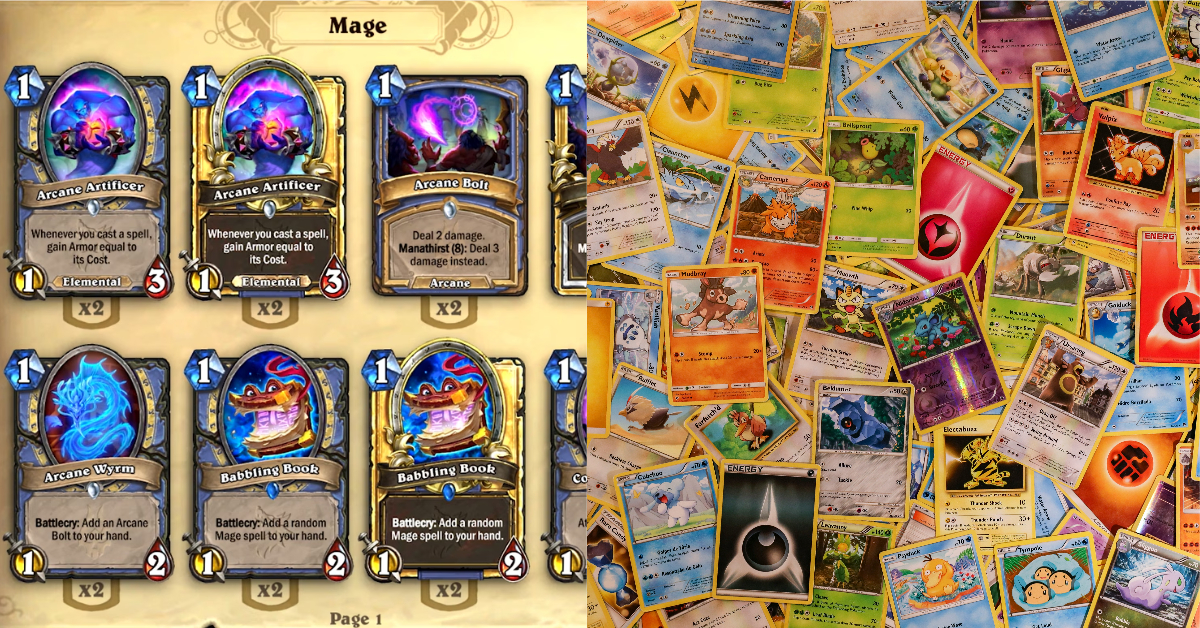
Card game design can be both challenging and frustrating if you have no idea what you are doing. It could also lead to your game failing. To help you navigate the process, here is a comprehensive guide that will help you create thoughtful decisions that shape how players experience your game.
Understanding Card Game Mechanics
At the heart of card game design are the mechanics. These are the rules and systems that determine how players interact with the game and each other. Of course, the first thing you need to do is define the objectives of the games. In short, ensure that players clearly know how to win. Do they need to remove the most cards, complete a set, earn points, or beat opponents? Once you define the winning conditions, make sure they align with the game mechanics and play style. Doing so allows players to have a clear direction and purpose.
In card game design, mechanics represent how cards are drawn, played, exchanged, and discarded. It basically tells how every move affects the overall gameplay.
Accordingly, when establishing game mechanics, you need to keep a few things in mind. First, avoid overwhelming players. You do not want to scare them off with overly complex instructions. Everyone starts as a beginner, so they need a smooth and easy onboarding to understand your game. The second thing is to ensure that interactions happen and happen naturally. Most people play card games because it is fun to do together. In addition, you must make players play within limits. You need to have mechanics that will force them to think and make strategic decisions, creating a sense of challenge in the gameplay.
Moreover, some mechanics you can consider adapting are deck-building, hand management, resource management, and card drafting. In detail, deck-building enables players to improve their set of cards throughout the game, which creates a sense of progression. Hand management, however, encourages players to think several turns ahead, as they need to pick which cards to play and when. On the other hand, resource management allows players to collect certain rewards to be able to play stronger cards. Meanwhile, card drafting entails matching a group of cards for points or to win.
Choosing Themes for Card Games
While mechanics take care of the structure, having a theme gives your game a personality. Generally, it is best to pick one that interests you, as you would want to create something that you yourself want to play. At the same time, you also want to choose a theme that naturally complements the mechanics you have established. It is a crucial consideration since themes can also influence how players connect with your game emotionally. For instance, a whimsical theme can create a lighthearted experience, while a dramatic theme could emphasize tension.
Another thing to think about when selecting a theme is originality. Yes, you can copy other themes that became successful, but why would players want to play your game when they are already used to something similar that already works well for them? So, think about unique twists. Do not be afraid to experiment!
One hallmark of effective card game design is the integration of strong thematic elements. It makes every part of the game feel more cohesive and meaningful.
Balancing Gameplay and Rules
One of the most challenging aspects of game design is balance. If certain cards or strategies are significantly stronger than others, there is a huge chance that the game becomes predictable or unfair. You do not want that. That is the reason why the official rules of UNO forbid players from stacking +4 cards to pass the penalty to the next player.
In card game design, strategies must remain viable. You should find a way to make players feel that their choices matter and that winning depends on skills and a little bit of luck. Striking a balance between being easy to learn and providing depth is essential. Rules should be clear and simple, while the gameplay remains meaningful. Overly complicated gameplay and rules make a game difficult to learn, whereas overly straightforward ones limit the thrill. Design your card game in a way that new players can follow easily and long-time players can discover more over time. As mentioned, balance is key.
Creating Unique Card Abilities
After you establish solid rules, it is time to consider letting players have a chance to break them. It keeps the game exciting and increases variety and replayability. One creative way to do so is to create unique card abilities. These determine how each card interacts with the game and with other cards.
Particularly, abilities can range from simple effects to more complex actions that impact the game state or alter it entirely. For example, some cards might allow players to swap hands, acquire resources, or change the order of play. Additionally, risk and rewards should come into play in the process of creating abilities. You want to avoid giving players who have them an unfair advantage. Therefore, you can incorporate drawbacks or require careful timing to use the card. Plus, you would want to treat this type of card like a hidden treasure, as having too many can overwhelm players or slow down gameplay.
Designing Cards for Visual Appeal
In card game design, you have to make sure that you come up with well-designed cards. Always ensure that the visuals match the theme, or else players may find elements of your game disconnected. The primary visual elements you should be aware of include layout, typography, color, and illustrations.
A clean layout that is easy to navigate allows players to quickly tell what each card is for. Include enough space between elements so that every feature of the card is easy to locate, and consider visual hierarchy to emphasize what needs to stand out. Font also matters. Think about the user interface and user experience to find out whether your font style and size communicate important information clearly. Furthermore, using artwork that conveys a thematic experience is important to bring out the personality of characters, the atmosphere of a setting, or the tone of the game. Color coding is also a great technique to help players recognize cards instantly.
Each of these visual elements contributes to the clarity and appeal of the game. However, you must be cautious about the visual structure being consistent, as you want players to compare them easily. Well-designed cards enhance the immersion of a card game.
Playtesting, Gathering Feedback, and Iterating
Any game design process is not complete without playtesting. It is a vital stage to go through, for even the most carefully planned game can behave differently once real gamers play it. Through playtesting, designers are able to observe how players experience the game. More specifically, this allows them to identify confusing rules, unbalanced cards, and any issues with mechanics or technical areas.
Thankfully, card game design lets designers build very simple prototypes that they can use to playtest early on before fully committing to production of polished components. They can use printed paper versions or even handwritten ones to experiment with the ideas first.
Game designers should really have keen eyes during playtesting, as they need to watch how players interact with the game. In this stage, testing with different types of players is valuable. Veteran gamers can give you feedback on balance and strategy, while casual players might provide insights about the pacing or accessibility. This approach helps you pinpoint areas that require improvement.
Most importantly, playtesting shows you that card game design is iterative. By understanding how players respond to your game, you will know if your output achieves its intended experience. If not, you should not hesitate to revise your game. It may call for tweaked card abilities, adjusted rules, or enhanced game objectives. However, not all feedback needs to be followed, but patterns often reveal real concerns.
We also want to inform you that you may not get it after one iteration. It can be a repetitive process that requires multiple rounds of testing and revision until you finally achieve the sweet spot. Do not be discouraged if you still have not reached the desired final form after a few tries. Remember, ongoing refinement is a core principle of effective card game design.
Publishing and Marketing Your Game
Once a game has gone through successful playtesting and iteration, you need to wrap up the process by finalizing the card design, rulebook, and the like. After that, you can now proceed to publishing your creation. However, this stage comes with its own challenges, including distribution and marketing, all of which are essential for your game to achieve market success.
If budget is an issue, consider self-publishing through crowdfunding platforms that have made it easier for independent creators to launch their games and reach audiences. For physical card games, turn to Kickstarter or GameFound. Going the digital route, however, requires you to know how to publish your indie game on Steam, Epic, and Itch.io. Meanwhile, financially capable card game designers can choose to pitch their games to established publishers, such as Tencent, NetEase, Activision Blizzard, and many more. Renowned publishers like these can offer resources for production, artwork, and distribution. However, there could be a trade-off, as they may influence the final design.
The next stage of your journey in card game design is marketing. It should not be neglected as it can make or break your game. Have you ever wondered why so many games come out every year, but you only know about a few? Marketing. People should know about your game before they can decide if they want it. A few strategies you can employ include social media promotion, game conventions, and online communities. In other words, create hype around your project.
Card Games Worth Knowing

One way to jumpstart a card game design journey is by getting inspiration and ideas from existing games in the market. Here are a few examples you can check out:
- Balatro by LocalThunk
- Disney Lorcana Gateway by Ravensburger
- Skull and Roses by Hervé Marly
- Star Realms by Darwin Kastle
- Dominion by Rio Grande Games
- Cat in The Box by Bezier Games
- Parallel by Parallel Studios
- Scout by Oink Games
- Betrayal: Deck of Lost Souls by Bruce Glassco
- Marvel Snap by Second Dinner Studios, Inc.
Frequently Asked Questions
Q1: What is meant by card game design?
Answer: Card game design is the art of making games that primarily involve the use of cards as the main gameplay component. The process entails developing card abilities, mechanics, rules, themes, and visuals.
Q2: How can I learn to design a card game?
Answer: The most common way to start studying card game design is through tutorials, classes, or online courses. If you really want to invest in education, you might want to consider enrolling in game design schools.
Q3: What is the first step in designing a card game?
Answer: Most card game designers would start with ideation. Try to come up with the core idea or mechanic. From there, you can move forward to creating the basic rules and prototype cards for early playtest.
Q4: How many cards should a card game have?
Answer: Traditionally, most card games work with a standard 52-card deck. But honestly, there is no strict rule about this, especially with modern digital card games that feature unique gameplay.
Q5: Why is playtesting important in card game design?
Answer: Conducting a playtest is crucial in card game design. It helps every developer identify problems, such as unclear rules, overpowered elements, or the possibilities of unfair strategies, which take out the fun in the game.
Q6: Is it possible for a solo developer to make a successful card game?
Answer: While it is essentially better to have a team, making a card game alone is definitely possible. You can check out LocalThunk, a solo anonymous developer who created the video game Balatro.
Q7: How can you publish your card game?
Answer: There are two main ways to publish a game. The first option is to self-publish using available platforms. The second option is to reach out to external publishers and pitch your game.
Final Thoughts: Cards In, Fun Out!
At this point, you probably realized that card games might have been deceiving you all along, making you think that they are simple to create. As mentioned, their simplicity calls for a process of card game design that is creative and analytical to become appealing and stand out.
However, is that going to make you give up so easily? Remember, you do not need to be an expert overnight. You can take your time and try. Most successful games often begin as simple ideas that evolve along the way. You must embrace the process of playtesting, iteration, and creative exploration. This way, you will be more likely to develop engaging and memorable card games. Doing so will also help you turn your fun ideas into an enjoyable experience you and your loved ones can share.
Pro tip: If you are worried about making a game that players would enjoy, try mastering the art of game design. It can help you understand every aspect you must consider.

