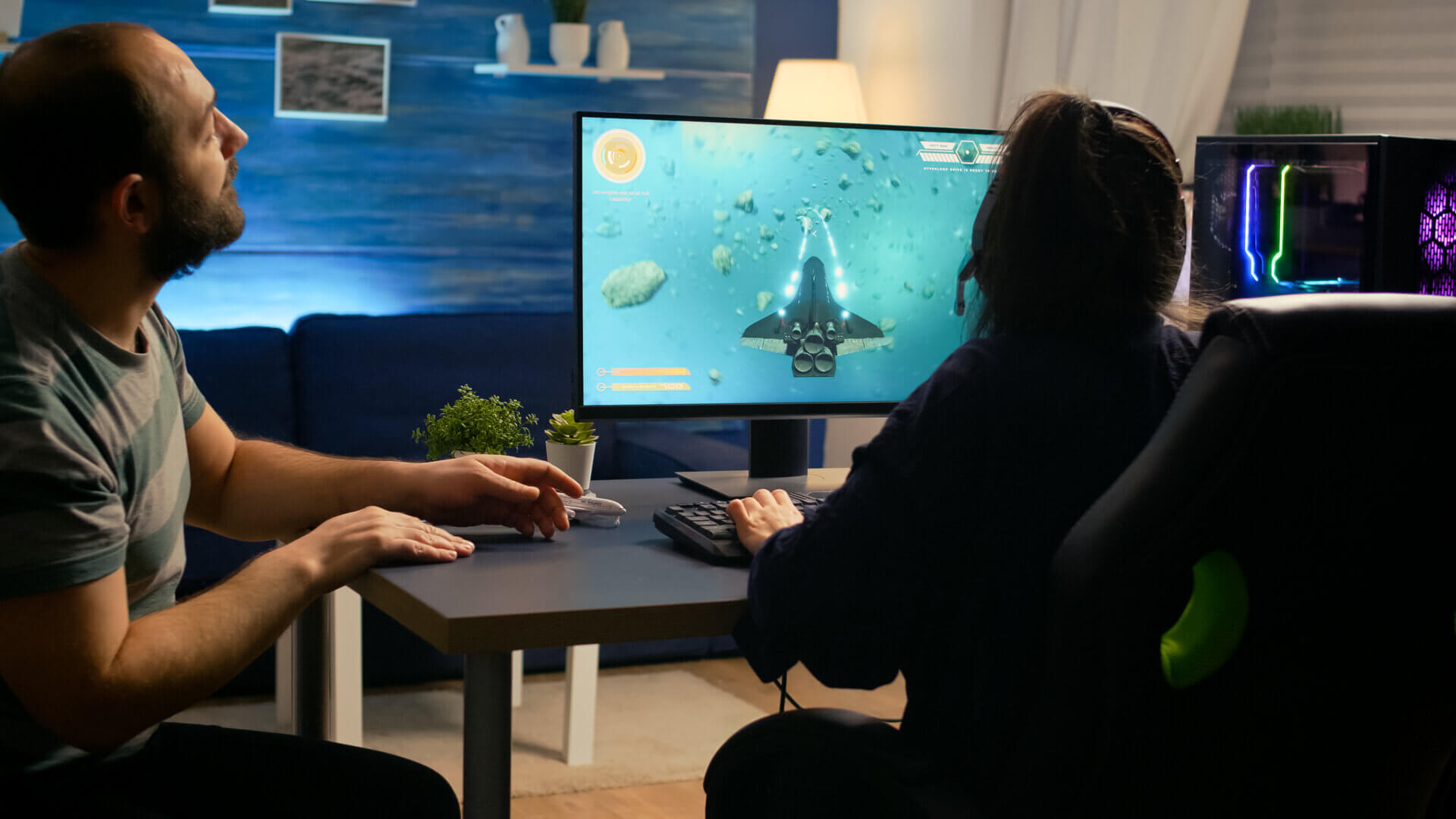
Creating video games is much like constructing a house. Why? When you’re trying to build a house, you want something that is aesthetically beautiful and feels like home. In the same sense, when you’re developing a game, you want something that is visually appealing and engaging. Once your house goals are met, you don’t just thank the architects, you also thank the engineers. And the same goes for game creation. You shouldn’t just appreciate the work of game designers. Coding and game design both play a big part in the process. So, game programmers are equally deserving of such recognition for the work they put in.
Behind every smooth jump, unique storyline, or responsive control is a powerful combination of coding and game design working in sync. That’s right. The magic of successful games like Super Mario, Call of Duty, and Fortnite truly happens when these two fields come together.
Curious player or aspiring developer, once you see how coding and game design fit together, you’ll start to appreciate games on a whole new level. To help you follow along, this article will introduce the fundamentals and key elements of game coding and game design, the roles they play, plus how to get started in these fields.
Understanding the Basics of Coding and Game Design
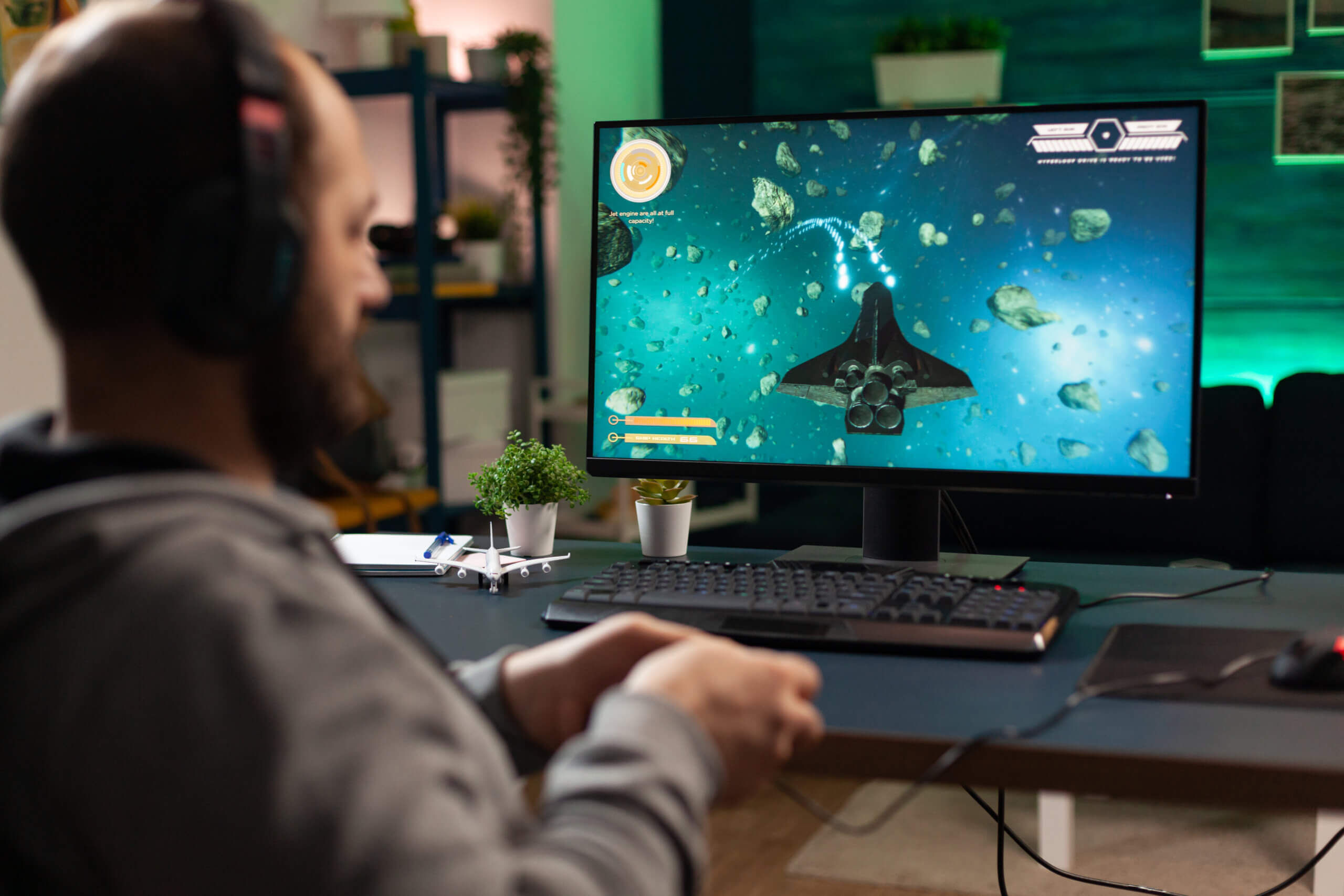
Before you jump right into how these two game development areas work together, it’s best to know the differences first.
Starting off with game design. It focuses on the experience. Game design takes care of the elements that influence how the game feels, how players interact with it, and what makes it fun or meaningful. This area addresses the key elements, including game mechanics, player agency, goals and objectives, balance and difficulty, progression system and rewards, narrative and storytelling, visual and audio design, feedback mechanisms, and user interface and experience. The bottom line is that it answers the question of what a game should be like.
Moving on to coding, a subset of programming. This area focuses more on execution. It involves writing code to make ideas functional. Generally, people who code use programming languages to create movement systems, control inputs, interactions, and more. In other words, game programming acts as the bridge between concept and reality. Without it, the work of game designers would remain just an idea.
How Coding and Game Design Work Together
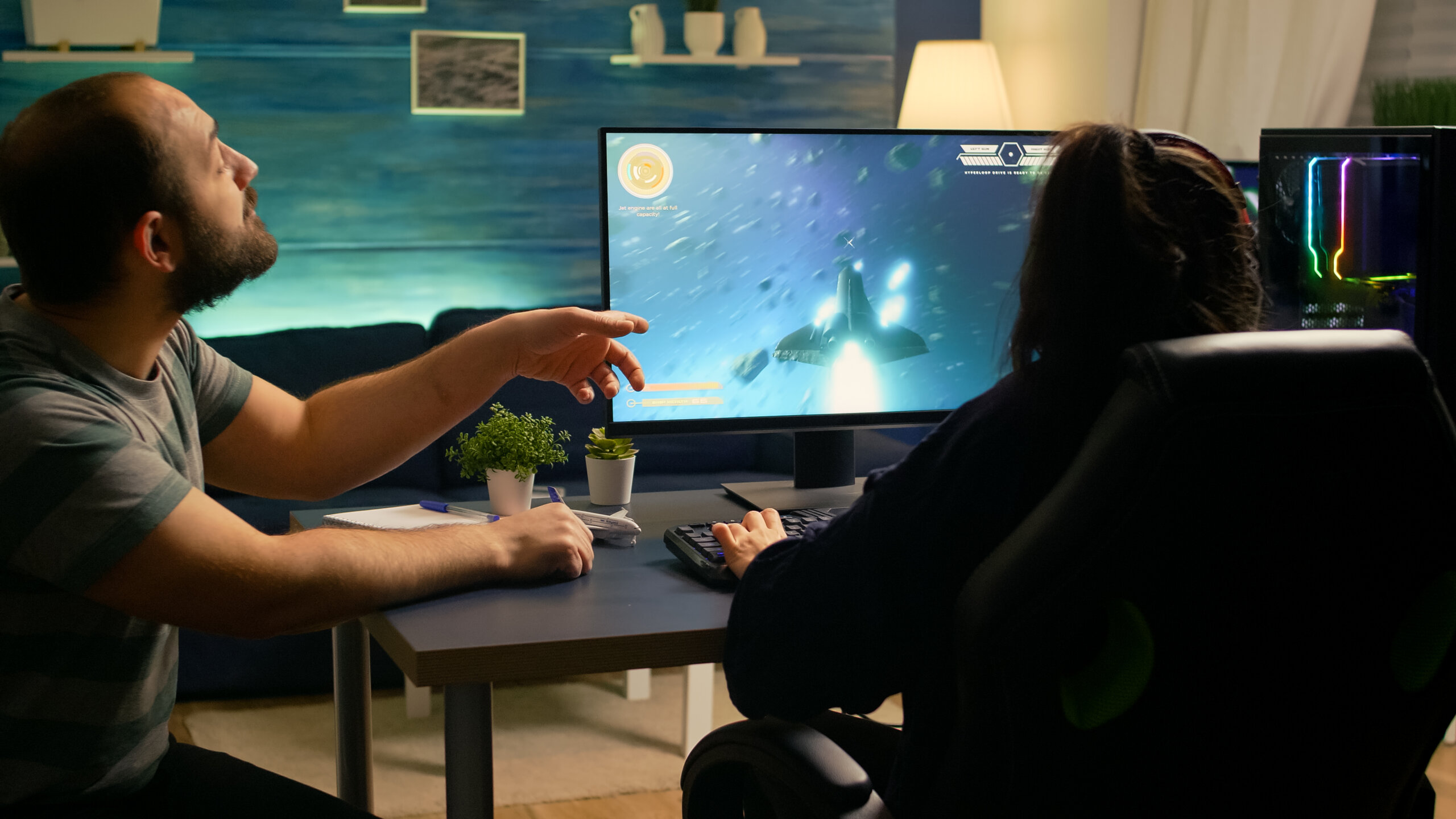
Coding and game design are important roles in their own right. But in collaboration lies the power of both fields. Put simply, the game development process is not a straight line. It’s an ongoing cycle of ideas, implementation, testing, and refinement.
To understand this better, let’s use the game EA FC 26 as an example. Everything surely started with a concept. The designers might have imagined specific mechanics, like a character who can run, kick, pass, and score a goal. But turning those ideas into reality requires complex game programming. The job of a programmer, then, is to figure out how fast players can run, what happens to opponents once players tackle, and the like. You see, it’s where creativity meets logic.
In the process, a feature rarely works perfectly on the first try. The jump can feel too floaty, or the rivals react too slowly. Hence, designers test the gameplay and give feedback. Meanwhile, programmers adjust and optimize the code to improve the experience. At the same time, it could also be the other way around. Programmers might raise some feasibility constraints, then the designers could adjust the core game ideas. Both test and tweak until the game works as intended. This back-and-forth process is coding and game design in action. And it’s also what makes a game feel polished.
Getting Started with Video Game Programming and Design
Thanks to modern technology and industry practices, the barrier to entry has lowered dramatically. So, if coding and game design sound exciting to you, getting started won’t be much of a problem. Many developers find it helpful to think of it this way: if you’re capable of assembling furniture from IKEA with manuals on a piece of paper, you’re more than ready to learn game programming and game design.
- Learn the Basics – You don’t need to master everything at once. Start with learning the basic elements of a game and beginner-friendly programming languages.
- Use Design Software and Game Engines – Tools like Adobe Fresco, Unity, and Godot simplify the process by managing complex aspects and removing the need to create everything from scratch.
- Start Small Projects – Try creating simple games to help you understand how coding and game design interact in real scenarios.
- Practice Both Areas – Getting a grasp of both worlds, even at a basic level, helps you improve your ability to create engaging experiences.
- Seek Feedback and Keep Iterating – Game creation is largely a trial-and-error process. If your first works feel rough, ask other developers for advice, then improve your game. Each attempt teaches something new.
Frequently Asked Questions
Q1: What is the difference between coding and game design?
Answer: Game design focuses on the ideation and conceptualization of game elements, while coding involves writing the code that makes those ideas function within a game. Despite having fundamental distinctions, coding and game design serve complementary roles in game development.
Q2: Which is harder, game design or game programming?
Answer: Not one is necessarily more difficult than the other. And it’s mostly subjective. Some find more creative aspects easier. In contrast, others may find comfort in technical areas. So, it really depends on your skills and strengths.
Q3: How can I learn game design or game programming?
Answer: The path to studying coding and game design is essentially the same. You can pursue a degree program at universities, enroll in online courses, or choose a self-taught route by using online resources.
Key Takeaways
Great games are neither just well-designed nor well-coded. It’s always both. The relationship between coding and game design is what brings video games to life. One provides the vision and the other delivers the structure. Neither can succeed without the other. As they say, it takes two to tango.
Therefore, the next time you play a game and everything just feels right, remember that coding and game design are two of the major factors that made it possible.
Looking for other roles that contribute to game development? Head over to our guide on 3D modeling.

