
Start them young. It is the philosophy most parents follow, believing that early guidance helps children develop the skills and habits necessary to achieve their future goals. Whether the kids aspire to become a world boxing champion or a professional football player, they often enroll in classes and train early. The same principle applies to teens who are interested in the world of pixels, characters, and interactive storytelling. That is why game design for teens is increasingly gaining popularity.
If your teenage child wants to create RPG projects, 2 player video games, and the like, it is best to support them in learning the craft. Game design for teens enables them to master art, technology, and storytelling to make extraordinary gaming experiences.
To help you carve the pathway towards this objective, this guide will explore why game design appeals to teens, the needed skills, game design classes, and practical ways to start their journey.
Why Game Design Appeals to Teens
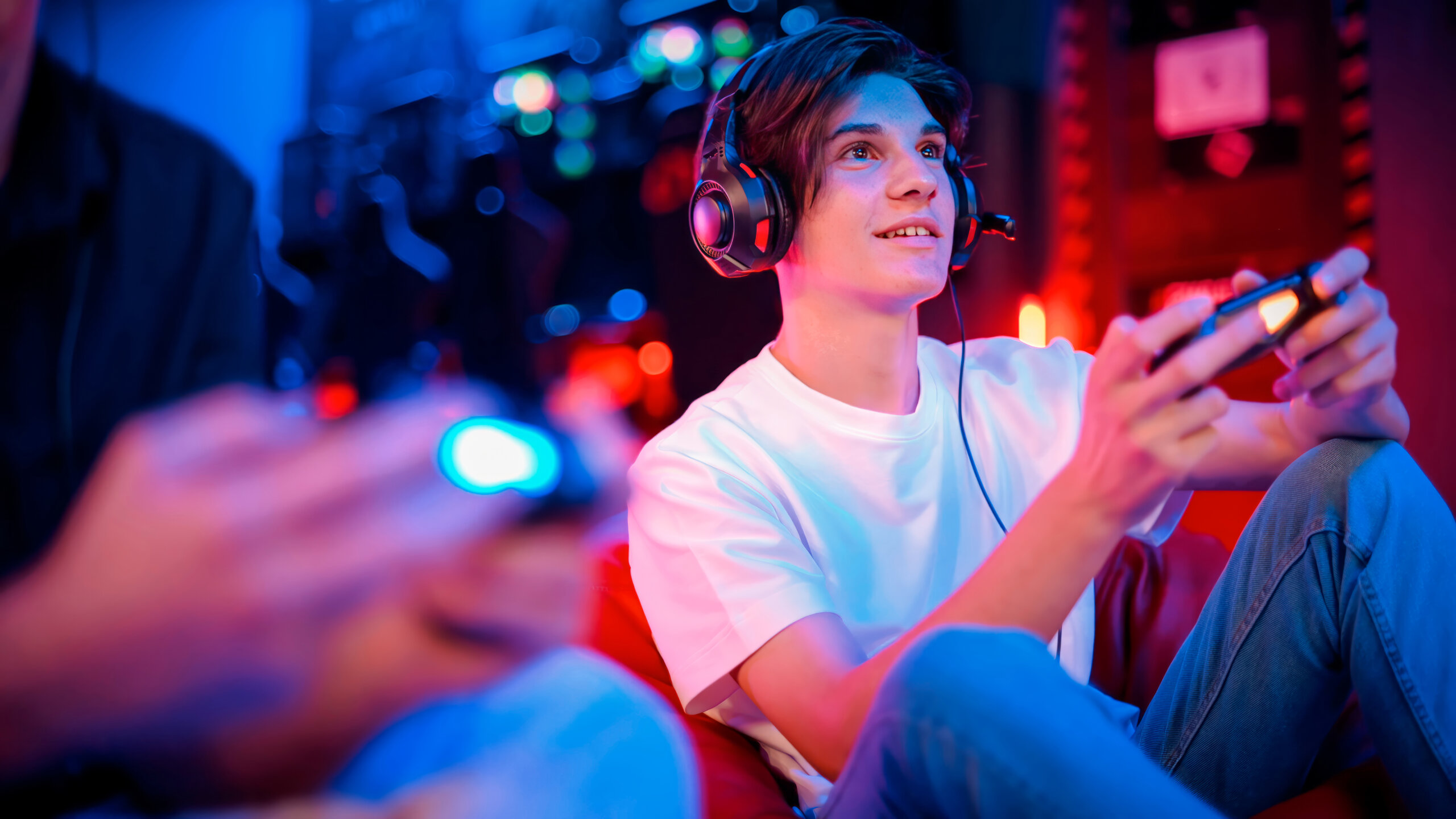
Naturally, teens are curious and eager to express themselves. Correspondingly, video games are an immersive medium that blends interdisciplinary areas, which perfectly aligns with teen interests. In line with this, psychology explains that curiosity is a powerful motivator for exploration and learning. And with 85% of teenagers in the United States playing video games, many achieve autonomy, competence, and relatedness. In a way, game design for teens is more than a form of entertainment. Learning the field makes them feel a sense of agency and accomplishment. It is no wonder that many start asking how these games are actually made.
Being able to design a game also allows them to see the direct outcomes of their decisions, fostering a strong sense of creativity and self-expression. Game design for teens transforms them from being mere consumers into the actual creators of the games they love. It interests them as the process enables them to turn the things they have always wanted into reality.
Top Skills Teens Learn in Game Design
Game design is a multidisciplinary field. By engaging in game design for teens, young creators can develop a myriad of valuable skills, helping them handle complex projects and organize ideas. It will help them avoid being a one-trick pony.
- Programming – Teenagers learn to write basic scripts, control game mechanics, and create interactive experiences using programming languages.
- Visual Graphics – Through game design for teens, they gain expertise in animation and 2D/3D modeling to create visual assets that are essential for characters, game worlds, and interfaces.
- User Experience – The areas of study help them acquire a deeper understanding of how games should shape the experiences of players.
- Creativity – Teens are exposed to different aspects of game design, like storytelling and world-building, all of which enhance their creative skills.
- Audio Integration – Game design explores how adding the right music, sound effects, and sound design elevates the playing experience.
- Project Management – They experience the process of starting a project all the way to completion.
- Problem-Solving – Teenagers become proficient in critical thinking to find solutions and conduct iteration.
- Collaboration – Learning game design involves engaging in group projects that encourage teamwork.
Choosing the Right Game Design Classes

Learners will experience a significant difference in their learning journey based on selecting the video game design classes for kids or teens. It is crucial to know what to consider to make the correct choice.
For instance, it is important to choose a class that matches the teen’s experience and skill level. Additionally, take into account the class format that fits the style of the learner. You would also want to pick classes that give students creative freedom rather than strict templates to follow. Moreover, classes should make mentorship and support accessible, wherein teenagers can receive guidance and the chance to be independent. Above all, look for comprehensive classes that integrate multiple disciplines, so teenagers learn extensively.
Master skills and create your own video games by exploring our guides on game design classes and game design courses.
How Teens Can Start Designing Games
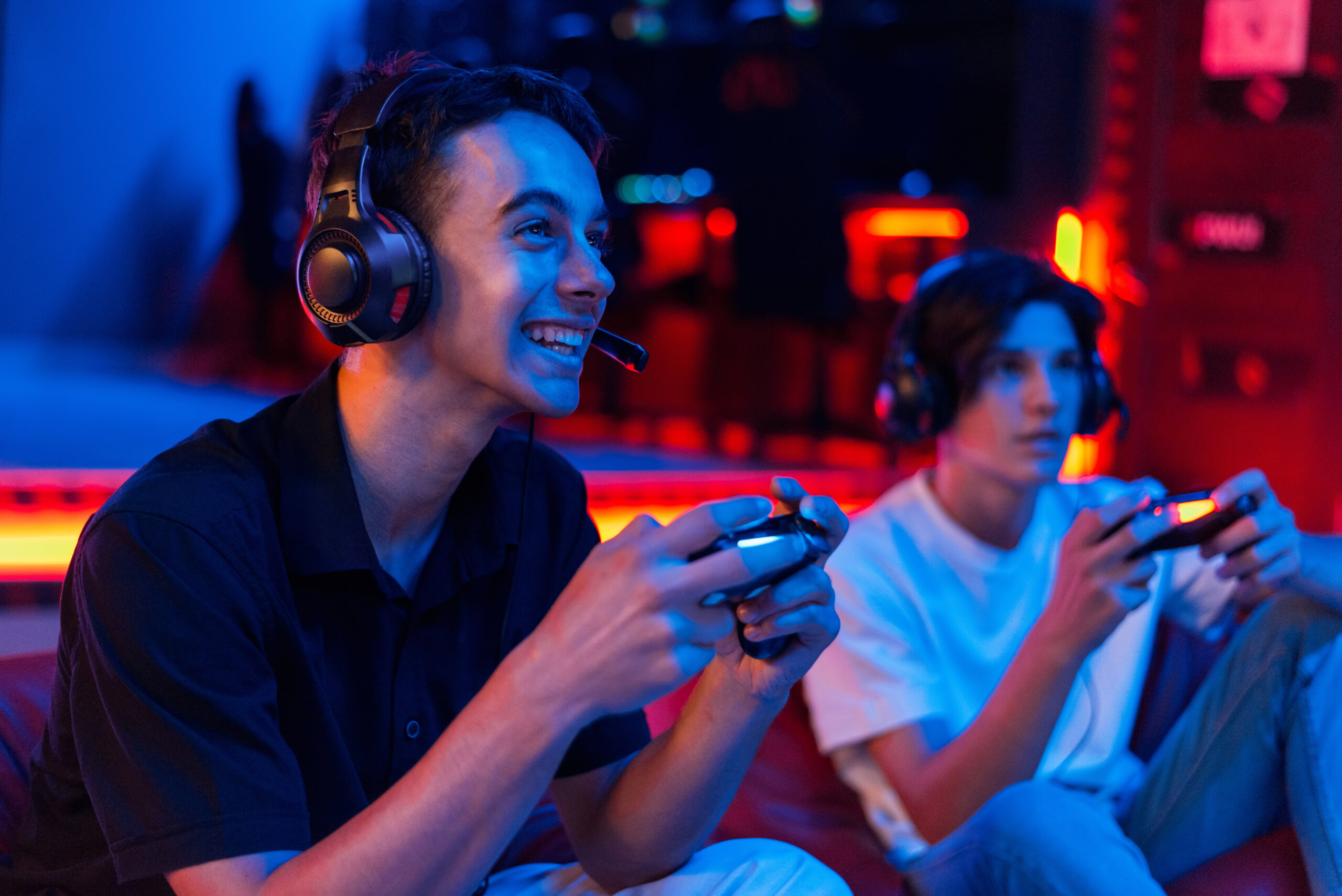
Starting game design can become overwhelming without proper guidance. So, teens should begin with simple, manageable steps.
- Explore Beginner-Friendly Platforms – Look into different tools such as Godot, Unity, and Unreal Engine, or simpler ones like Scratch, Roblox Studio, and Thynker.
- Start Small – Begin with something simple and achievable, and avoid jumping to making highly technical games.
- Play and Study Games – Try to analyze existing games and see how they work and why they work well.
- Sketch Ideas – Create simple storyboards or prototypes to help visualize game ideas.
- Playtest and Get Feedback – Share ideas or the game itself with other people and see their response.
- Join Communities – Connect with other creators through online spaces or organizations to learn from them and even collaborate.
Inspiring Teen Creativity Through Gaming
One of the most rewarding aspects of game design for teens is the boost in creativity. They learn how to think about player experience and how to balance fun and challenge. It also helps them become more comfortable in expressing ideas. Most importantly, learning game design empowers teens by allowing them to become creators who shape experiences for others, honing their sense of empathy, leadership, and responsibility. Practicing creativity skills at an early age creates endless possibilities for them.
Final Thoughts: Early Beginnings Matter
If you think game design for teens is simply about making video games, you are not looking at it holistically. Let us make it simple: game design for teens is a way for them to explore creativity, gain confidence in problem-solving, and develop real-world skills in demand in a thriving gaming industry. At the same time, game design for teens champions training in coding, visual design, and beyond for personal and academic growth. Game design for teens is like a modern playground where they can become creators and innovators. It is essentially an offer you cannot resist.
With this guide, you are now better prepared to help your teens access the tools and platforms that will introduce them to projects that teach valuable lessons that extend beyond the screen.

