
Breaking into game development can feel fulfilling and overwhelming. One could say it is a double-edged sword. Between learning programming languages, mastering game development tools, and understanding the art of game design, the path forward is rarely straightforward. That is why even if you have already taken online courses or completed a game design degree, you can still feel like there is much more to learn and explore. Consequently, this is where game design workshops truly stand out, as they focus on one crucial element: real-world application. Statistics indicate that 75% of students show higher retention of course material when engaging in experiential learning. Correspondingly, 82% of learners show a stronger ability to apply theoretical knowledge to practical settings.
That said, you can see that game design workshops allow both beginners and experienced developers to gain advantages in learning and refining their craft. With a structured yet flexible space to grow, game design workshops provide an immersive environment where you test ideas, mistakes become lessons, and creativity thrives through collaboration. Here, you become actively involved in the design process, rather than being a passive observer.
We will now help you step into the role of a game designer by showing you everything there is to know about game design workshops and how they mirror the realities of the game industry, from tight deadlines to player feedback. Specifically, this guide will focus on what makes them valuable, the benefits, what to look forward to, the necessary tools, and how you can find opportunities that align with your goals.
What are Game Design Workshops?

Let us begin by defining the topic in focus: game design workshops. According to Lucid, a workshop refers to an educational session that involves hands-on interaction to create a desired, specialized result.
In the context of game development, this concept takes shape as structured, interactive learning experiences where participants actively create, analyze, and refine games. Through the use of proven methods and tools to practice prototyping and playtesting, they can establish strong foundations in game design, game programming, visual design, and beyond. Often led by experienced facilitators or industry experts, creators also learn to collaborate, experiment, and refine their ideas in real-time.
Game design workshops can vary widely in format and scope. Similar to other forms of education, the options for learning include immersive in-person formats and flexible online setups. The former can be held in physical locations, such as community hubs, studios, or universities, while the latter can be taken anywhere, even from the comfort of your home. The first one enables direct engagement, while the other allows for accessibility that makes learning possible without worrying about geographical limitations.
Either way, both serve as a bridge between theory and practice. In detail, some focus on beginner-friendly introductions to core concepts (e.g., mechanics, narrative, player experience). On the other hand, other workshops dive into intermediate to advanced topics (e.g., level design, system balancing, and game UI design). Therefore, duration differs with beginner options taking a few hours or a few days and advanced offerings taking longer.
Benefits of Game Design Workshops
Learning how to make games is not the only reward you can get from game design workshops. Participating in them allows you to reap a wide range of benefits that go beyond creating games.
- Hands-On Experience
At the forefront is hands-on experience. You will actively apply concepts rather than passively consume information from tedious lectures, enabling a deeper understanding and retention. Combining practical exercises and theoretical instruction strengthens every participant’s understanding of the topics in focus.
- Immediate Feedback
Another key benefit is immediate feedback. In many workshops, facilitators and peers provide real-time critiques and suggestions, which lets you immediately identify problems, determine solutions, and act on them. Considering that game development entails a constant process of iteration, such feedback loops become essential. It also allows for collaboration, encouraging participants to share their perspectives and solve challenges as a team.
- Creativity
Creativity is also one of the major advantages of joining game design workshops. In particular, the structured yet flexible environment pushes you to think outside the box and work on fresh and unique ideas. Experimenting is encouraged here, so do not be afraid to propose new mechanics or craft different narratives. In other words, a workshop is a safe space for innovation.
- Networking Opportunities
One more valuable aspect is networking, as workshops are often composed of individuals with similar interests. Most of the time, the participants range from beginners to seasoned developers, which means you can gain access to direct mentorship and might even find future career prospects. In a crowded space like the gaming sector, building connections not only leads to collaboration but also helps participants have the chance to secure their ticket into the industry.
- Industry-Level Instructors and Tools
In addition, game design workshops introduce you to industry experts and expose you to industry tools and practices. Typically, experts or specialists facilitate workshops, which allow you to acquire practical and real-world insights. At the same time, they provide valuable guidance on the use of professional software, frameworks, and workflows.
- Enhanced Confidence
Aside from the artistic and technical training, workshops also help build confidence. Once you have experienced and completed the entire game design or game development pipeline, you will gain a sense of accomplishment and a concrete understanding of what you are capable of doing.
What to Expect in Game Design Workshops
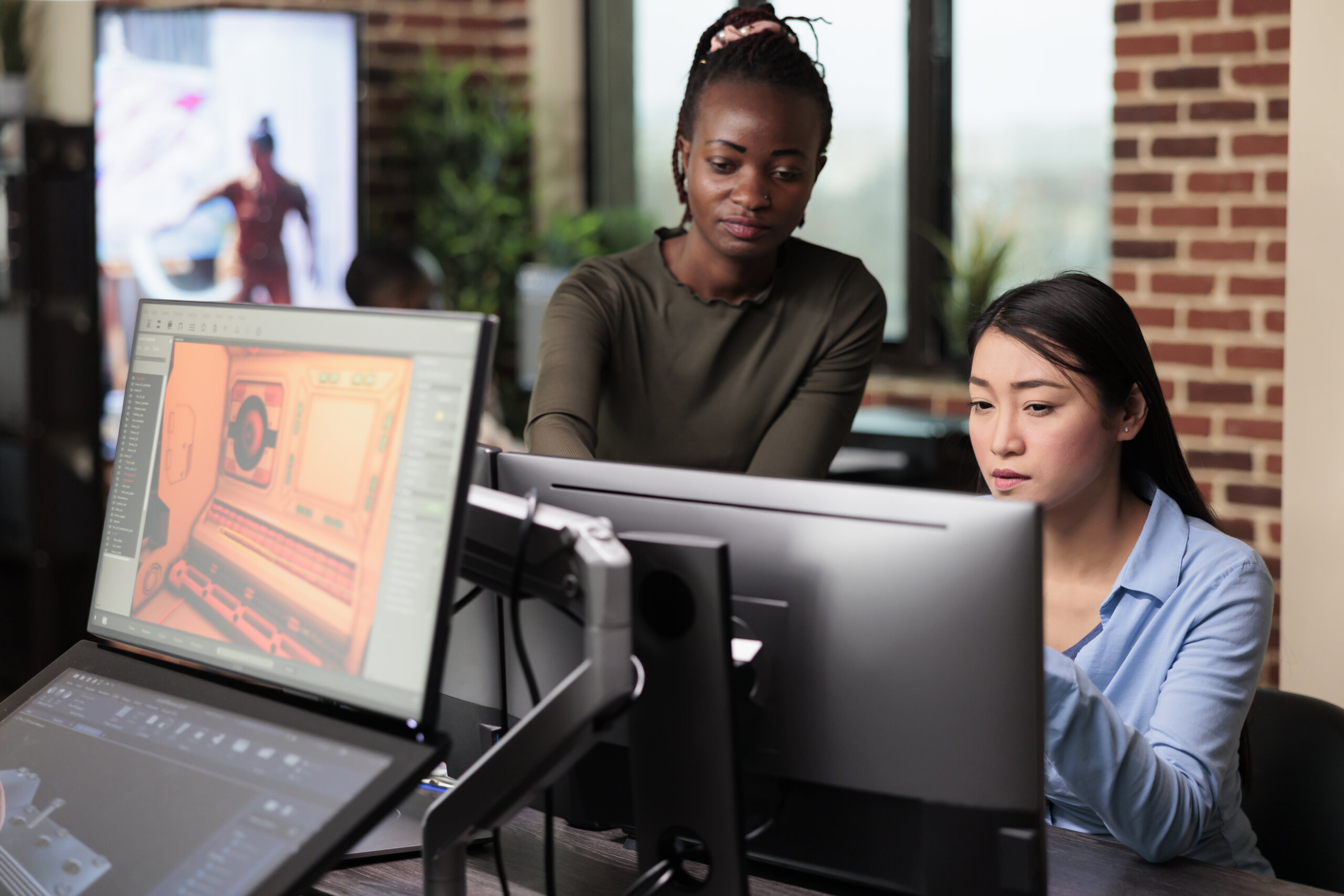
To maximize the learning opportunities during workshops, you have to know what to expect. It allows you to understand what you are getting yourself into.
Specifically, you cannot pinpoint areas you want to learn. Most of the time, you will follow a structured flow that often begins with learning the concepts and all the way to doing exercises. At the same time, you need to adapt to being a team player. Yes, it is advantageous to be capable of finishing a project alone, but workshops put emphasis on collaboration. It prepares you for working in professional companies that are comprised of groups of experts. Besides, two heads are better than one.
Since you will be working with others, expect to receive feedback that may likely influence your output. This is also valuable because working with real clients means dealing with constructive criticisms, as they often have specific desired results. Consequently, be ready for iterative work, as feedback leads to multiple revisions and testing. Furthermore, know that you may be asked to present your work by the end of the workshop, enabling you to improve your communication skills.
Essential Tools for Game Design Workshops
Aside from having a reliable laptop or a powerful computer, several game design tools are necessary to achieve meaningful game design workshops. These can help you bring your ideas to life and streamline the entire process.
One of the most important tools you need to have is a game engine, as these enable prototyping. Many beginners prefer Godot Engine, while more experienced creators consider Unity or Unreal Engine their go-to platforms. At the same time, design tools play a significant role. Software like Figma, Autodesk Maya, or Adobe Suite can be used to create assets, user interfaces, and other visual elements. Debugging tools such as Visual Studio are also essential to ensure everything is working smoothly. Apart from these tools for the technical aspect, collaboration tools are equally important, especially for online formats. Platform options for team brainstorming and work organization include Miro, Trello, and Jira.
If you want to dive deeper into these, check out our comprehensive guide on game design tools every aspiring developer should know.
Game Design Workshop Activities
Activities lie at the heart of game design workshops, as these foster a dynamic learning environment where participants are actively engaged. More specifically, these allow you to apply what you have learned and explore creative ideas.
- Brainstorming Sessions
One common activity is brainstorming sessions, where you can share and exchange ideas. These small-group discussions promote critical thinking and active participation. Most importantly, it makes participants feel that they are in a supportive learning environment.
- Role-Playing Exercises
Role-playing exercises help you gain a broader experience by stepping into the different roles involved in game development. By doing so, you will get a deeper understanding of what each member contributes and how every decision impacts the project.
- Rapid Prototyping and Playtesting
Other crucial activities in game design workshops include prototyping and playtesting, which allow you to test concepts, identify issues, and improve the quality of the final product.
Tips for Maximizing Game Design Workshops

While facilitators play a big part in the workshops, you, as a participant, need to consider a few things in order to benefit from the experience.
For instance, you have to remain actively involved and be open to feedback. Thinking you can do it all and do not need others may hinder your growth. Similarly, you need to practice time management to maintain a steady and efficient progress. Moreover, make sure to take notes and document your process to keep track of ideas and feedback that can help you adjust later on. Above all, do not be afraid to take risks and fail. Most game developers were not perfect on their first attempts, and some even took years before achieving a certain level of proficiency.
Finding Game Design Workshops Near You
Nowadays, game design workshops are widely accessible, with the main challenge being selecting the one that best suits your needs and preferences. Luckily, you can find a lot of prospects to consider.
More specifically, game design schools often host workshops related to game design. Local community centers and hubs are also great resources, as some organizations offer game design workshops as part of their programs. Additionally, expanded access to these learning sessions is available on websites or online platforms. Likewise, you can find listings of game design workshops on platforms like Meetup, wherein groups focused on the same field share information about upcoming events or activities. High-quality workshops are sometimes also included at industry events and conventions.
By exploring these options, you can find game design workshops that match your interests and goals, helping you take the next step in your game development journey.
Frequently Asked Questions
Q1: Who is allowed to participate in game design workshops?
Answer: Anyone with an interest in game design can join workshops, as many of them are beginner-friendly and there are also ones tailored for advanced participants.
Q2: Are programming knowledge and skills necessary to attend?
Answer: Not necessarily. There are game design workshops that do not solely focus on coding, putting emphasis on design concepts.
Q3: How long do game design workshops usually last?
Answer: There is no definite duration, as sessions or the whole workshop depend on the depth of content.
Q4: Are online workshops as effective as in-person ones?
Answer: While they can be highly effective as they also utilize the right tools and structure, along with better accessibility, in-person formats open doors for direct collaboration, mentorships, and the use of tools and equipment.
Q5: What should I bring to a game design workshop?
Answer: Most of the time, you would need a laptop for in-person setups. In contrast, a stable and fast internet connection is necessary for online formats.
Final Thoughts: Bridging Theory and Experience
As the demand for interactive entertainment continues to grow, so does the importance of practical learning experiences. Hence, learning by doing is now essential in the field as dynamic and creative as game development. In this journey, game design workshops are your ally. Not only do they provide the perfect environment to turn ideas into tangible experiences, but they also offer a combination of collaboration, experimentation, and structured learning. From brainstorming concepts to improving gameplay through feedback, game design workshops go beyond theory, immersing you in the realities of designing and creating games.
It is important to note that this is not about taking another set of game design classes. Participating in game design workshops is a crucial step to sharpen and broaden your existing knowledge and skills in the field, which can play a transformative role in your journey. We are not only talking about getting a certification here, but it is also more about investing in your growth as a creator and positioning yourself for success.

