
Playing video games is surely fun and entertaining. But whether you admit it or not, it can get boring at some point. And it is not because you start hating games — you still love them, but you might feel like everything is becoming repetitive. Perhaps it is time for you to explore the other side of the video game industry and engage in video game design training. That is right. The gaming space is not just about playing games. In fact, it never was. It is also about building worlds, telling stories, and shaping experiences.
If you have not noticed yet, those games you love would not even exist without the brilliant minds behind them. And you have the chance to be part of the teams of game designers that kick off the game development process. Who knows? This might just be your true professional calling. So, whether you want to try designing your original video game or entertain the possibility of being an official game designer at studios, this guide on video game design training is here to help you.
What Is Video Game Design Training?
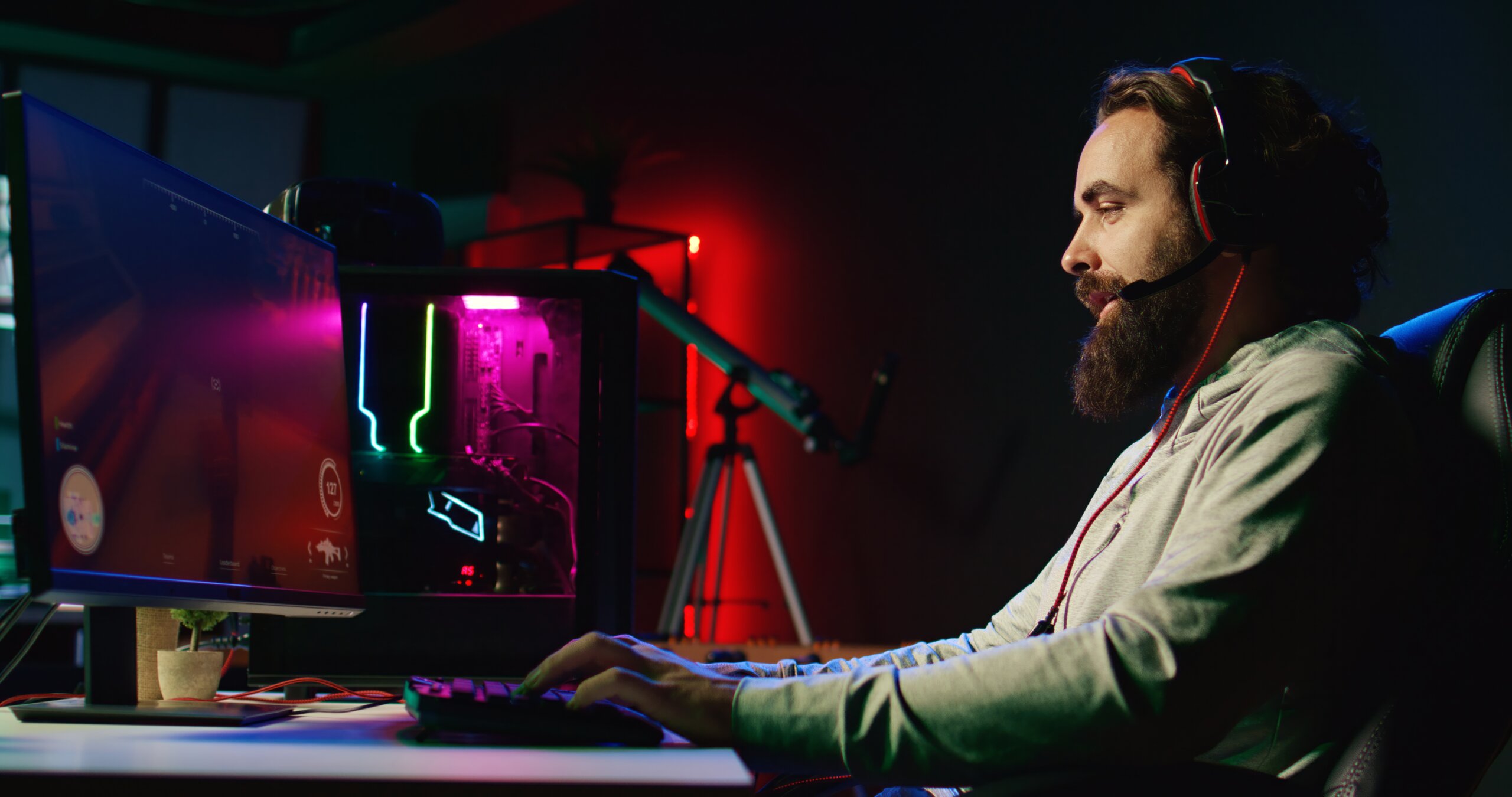
Video game design training is a form of education that covers the conceptualization, creation, and refinement of video games.
It helps aspiring game designers develop the artistic and technical skills needed to design characters, challenges, levels, mechanics, narratives, objectives, and more. At the same time, it introduces learners to the proper ways to interact with other game developers when working in professional teams.
Also, video game design training does not entail one fixed path. You can choose from different routes to pursue this form of learning. For some people, earning a degree from a university or specialized game design school remains the most reliable option. In contrast, those who prefer something a tad shorter opt to take online courses or boot camps. And if you think that you do not fit in these learning styles, you can always pursue a self-taught path, where learning happens at your own pace and preference. Regardless of the path, the goal remains achievable. Different methods, same results.
Key Skills Learned in Game Design
One of the biggest advantages of video game design training is the chance to build a wide range of skills. Skills that are not only for creating games but are also invaluable across many fields and industries.
In particular, you can expect to learn a variety of skills, including creativity, problem-solving, critical thinking, adaptability, game engines, programming, storytelling, and many more.
To learn more about this, visit our full article on game design skills.
Tools Used in Game Design Training
Being a good game designer is not enough to bring game ideas to life. You will need tools to work with. Accordingly, most video game design training programs expose learners to these early on, giving them hands-on experience in turning concepts into playable experiences.
Among the variety of industry-standard tools, you will learn to use game engines (e.g., Unity and Unreal Engine) and 3D modeling software (e.g., Blender and Autodesk Maya). Likewise, trainings will introduce you to version control systems, design software, and asset libraries. At the same time, you will also be able to explore tools for audio elements and prototyping.
Top Video Game Design Courses
Choosing the right course for you depends on many factors, such as your goals, budget, and learning style. Thankfully, there are no longer any shortages of ways to learn game design today. Here are a few options you can consider in your journey:
- University Programs: Bachelor of Fine Arts in Game Design, Bachelor of Science in Computer Science, Game Design Minor
- Online Learning Platforms: Code Academy, Coursera, edX, OutSchool, Udemy
- Boot Camps: Game Development Boot Camp (Central New Mexico Community College), Game Design Boot Camp (University of New Hampshire and University of North Carolina at Charlotte)
Career Paths in Game Design
Aside from the fulfillment of making video games enjoyed by players, training in game design also opens up multiple career opportunities, such as the following:
- Game Designer
- Gameplay Designer
- Level Designer
- Narrative Designer
- UI/UX Designers
- Quality Assurance Tester
Beyond these traditional roles, video game design training can also lead to jobs across other industries, including simulation, education, healthcare, and others.
Tips for Succeeding in Game Design

Game design is not an easy task. You are going to need everything that can help you make the job feel lighter. In the same way, it is challenging but absolutely achievable with the right approach. That said, you can consider some of these quick tips as you start learning game design.
- Build basic skills
- Establish a portfolio early
- Seek and accept feedback
- Stay curious and keep learning
- Be persistent
Frequently Asked Questions
Q1: Do I need to learn how to code for video game design training?
Answer: Not necessarily. While coding skills offer greater flexibility, most video game design training programs cater to beginners with little to no knowledge of game design. Besides, coding is also not a strict requirement for game designers, although it is highly beneficial to know.
Q2: Is it possible to complete video game design training in a few months?
Answer: Yes, it is. However, it would heavily depend on the path you choose. At universities, completing a degree typically takes 4 years. On the other hand, online courses and boot camps can last several weeks to a couple of months. Meanwhile, self-taught learners can control their pace and would mostly rely on consistency.
Q3: Should I pursue video game training if I am a beginner?
Answer: Being a beginner is a good reason to engage in video game training programs. It is an ideal path for those interested in entering the gaming industry and exploring other niches beyond playing video games.
Final Thoughts
We understand that stepping out of your comfort zone can be scary, especially if it means entering a complex field like game design. However, if you think about it, such a shift can be more of an opportunity than a risk. If you fail, there is really nothing to lose. But if you succeed, you will not just be learning how to make games; you will be understanding how to create meaningful experiences that you and other gamers both enjoy. As the saying goes, failing is not the end of the world. It could even signal that real learning begins.
The tools are now more accessible than ever. There are also plenty of resources. And opportunities are waving at you, waiting for you to take a leap of faith and make the first step by pursuing video game design training.
If we have not convinced you enough, take a look at our guides on the video game designer salary in 2026 and why students choose video game design as a major.

