
Non-stop laughter. Tiger looks. Increased competitive tension. Pushing and teasing. All great game mechanics ideas have different effects on different players. But most memorable video game mechanics have one thing in common: they make players constantly think about them long after the credits roll. In fact, a clever mechanic can turn a simple concept into a breakout success, whether it’s the survival crafting loop of Minecraft or the time-bending combat of Superhot.
For game developers, one of the biggest challenges is crafting game mechanics. With estimates indicating that there are roughly five million video games in the world, it’s really hard to say that a particular video game mechanic is unique or original. Therefore, the goal is to add twists and minor tweaks that will make the mechanic feel fresh to players. Most importantly, there should be nuances that create meaningful decisions, emotional tension, and replayability.
To help spark your creativity, below are some highly effective gameplay categories, each broken down into practical game mechanics ideas that can inspire the next best game project.
Note: Some mechanics are simple actions like jumping or attacking, while others are larger systems that shape the overall experience.
Unique Level Progression Systems
Experience points and stat increases are often the focal points of traditional level systems. In contrast, many modern video games play around with progression systems that feel more personal and reactive to player behavior. That means progression should change gameplay, not just numbers. Players remember mechanics that reward player behavior and shape long-term engagement.
Game mechanics ideas in this category include:
- Action-based skill leveling
- XP gained from specific actions rather than running generic rewards
- Branching skill trees with irreversible specialization choices
- Reputation systems that unlock abilities based on faction alignment
- Hybrid progression loops
Why these work:
These mechanics blur the line between gameplay and progression. Instead of earning rewards, players feel they are improving through gaming itself.
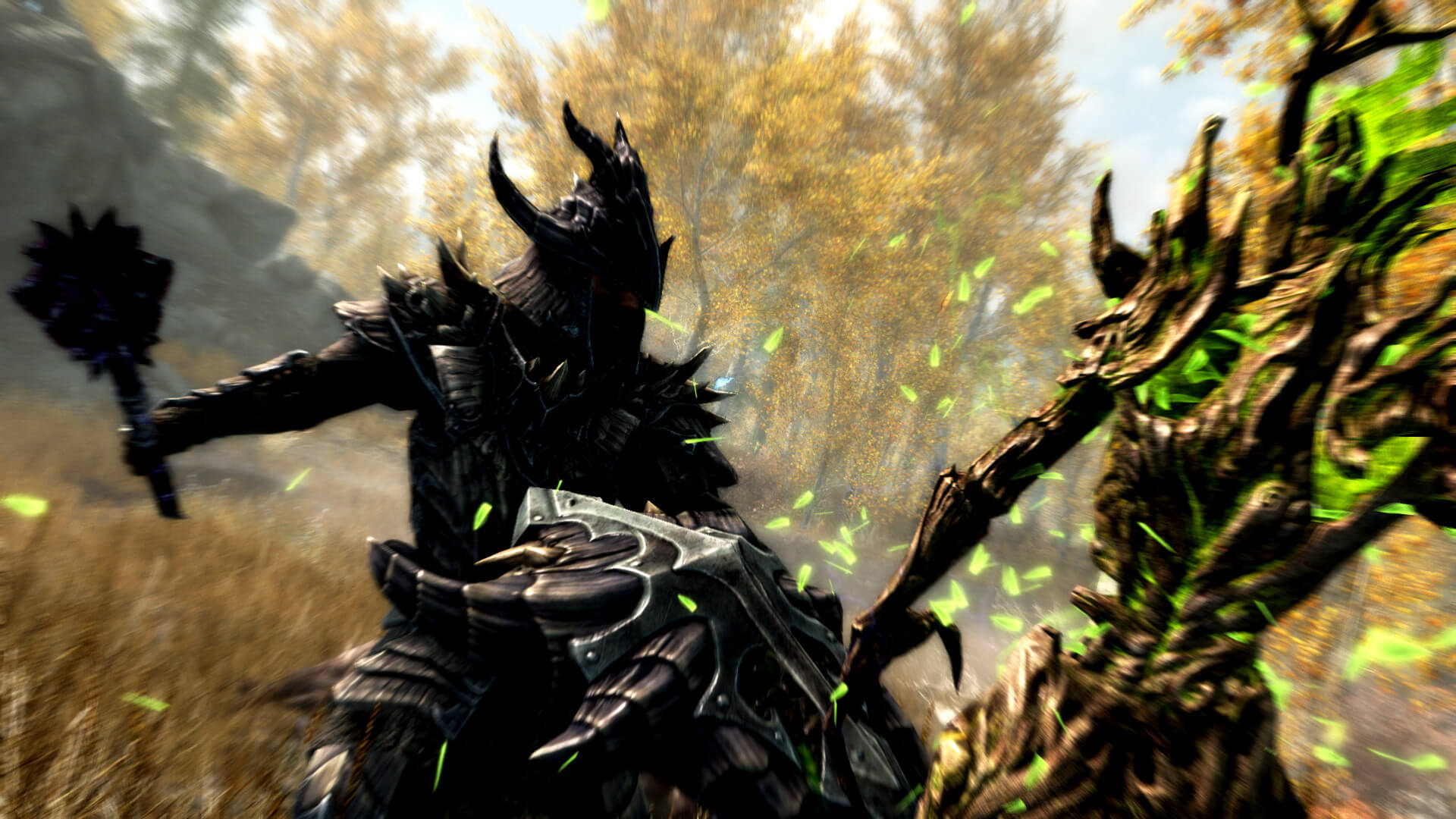
The Elder Scrolls V: Skyrim is one of the best examples. The game uses repeated actions to enhance abilities rather than relying solely on menu allocation to level skills. For instance, sneaking increases stealth, while spellcasting develops magic proficiency. These create a natural sense of growth tied directly to gameplay.
Innovative Combat Mechanics
One of the most refined systems in gaming is combat. And it’s because players quickly learn to optimize repetitive patterns. That’s why modern combat systems are more and more focusing on layered input complexity, environmental interaction, and rhythmic or timing-based execution. So, rather than simply increasing damage or animation variety, developers create combat systems that are defined by mechanics that control timing, movement, and decision-making.
Game mechanics ideas in this category include:
- Dodge timing windows with invincibility frames
- Stamina-based attack and sprint systems
- Rhythm-based combat inputs
- Environmental combat interactions
- Combo chaining mechanics for layered attacks
Why these work:
These mechanics shift combat from execution to problem-solving. Remember that innovation happens when combat moves away from mere memorization and capitalizes on adaptation.
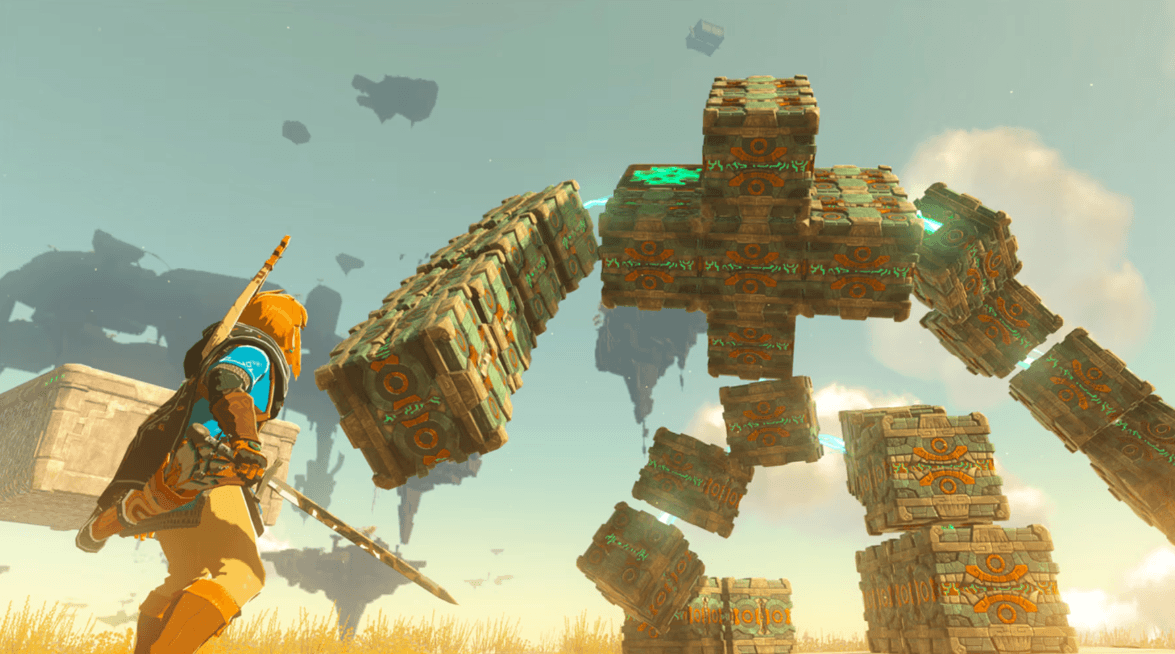
Players can see this in games like The Legend of Zelda: Tears of the Kingdom. It expands combat through physics-based creativity. Rather than pre-defined solutions, players can mix systems to create new attack strategies.
Creative Resource Management
Resource systems are often overlooked, yet they are among the most powerful tools for managing tension within a game. By having resource mechanics that control pacing and force players to make meaningful trade-offs, every decision in the game has weight.
Game mechanics ideas in this category include:
- Ammo scarcity that requires tactical shooting decisions
- Limited inventory slots that affect loadout strategy
- Risk-based healing mechanics requiring timing decisions
- Survival meters like oxygen, hunger, and stamina
- Weapon durability systems that force adaptation
Why these work:
These mechanics turn scarcity into decision-making pressure. For that reason, players will treat them as pressure systems, which will influence how they move, behave, and take risks.
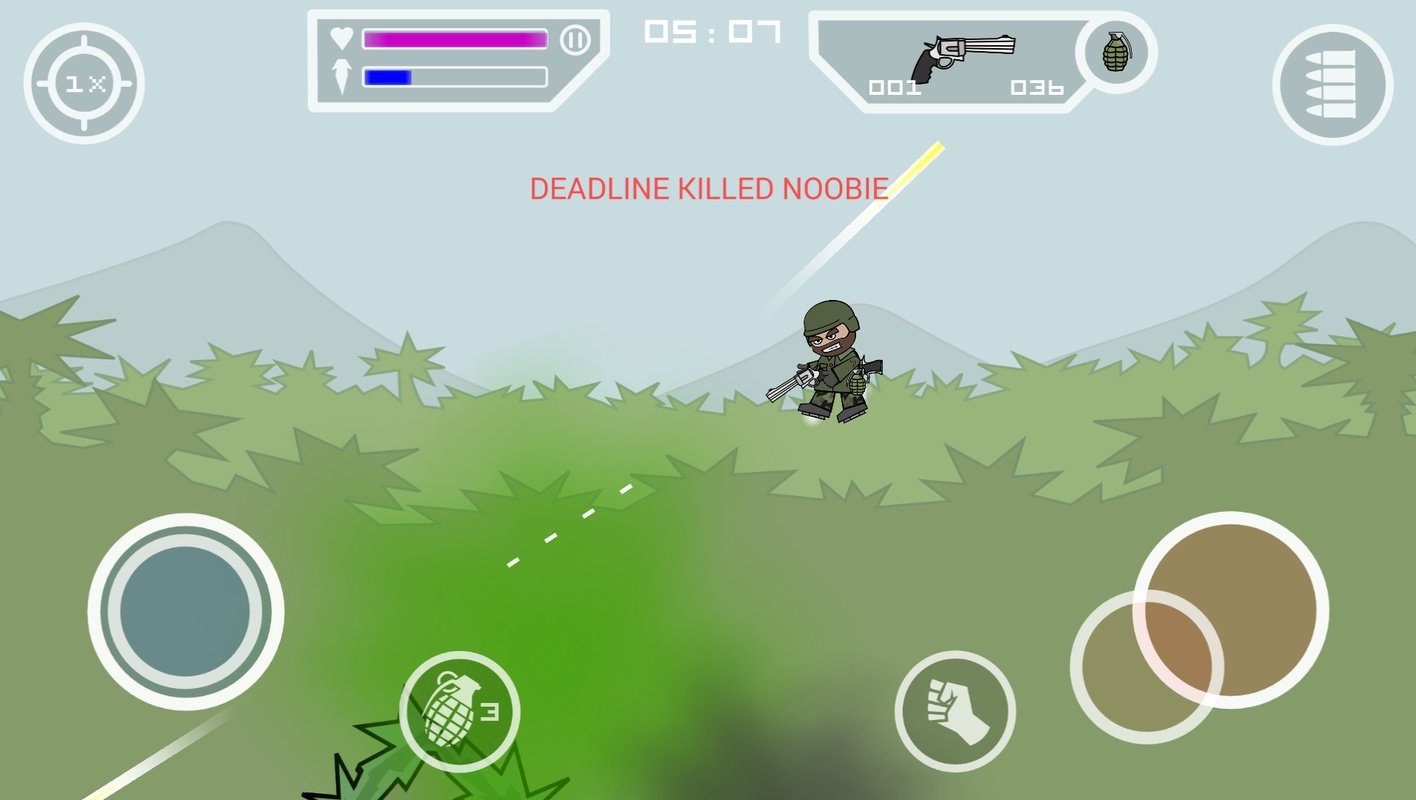
Doodle Army 2: Mini Militia shows this well. Resources like health, ammo, and jetpack fuel force constant prioritization between survival and aggression.
Dynamic Player Interaction
Modern games succeed because they feature unpredictable human behavior systems. Unlike AI, players bring emotion, devotion, and creativity into gameplay. Because of this, multiplayer systems are no longer just competition or cooperation. They now shape social behavior and conflict by incorporating player interaction mechanics.
Game mechanics ideas in this category include:
- Proximity-based communication
- Player-driven economy and trading
- Temporary alliance mechanics in competitive environments
- Social deduction mechanics like accusation, deception, and voting
- Reputation systems affecting social behavior
Why these work:
These mechanics generate new storytelling, where player behavior becomes the main source of narrative.
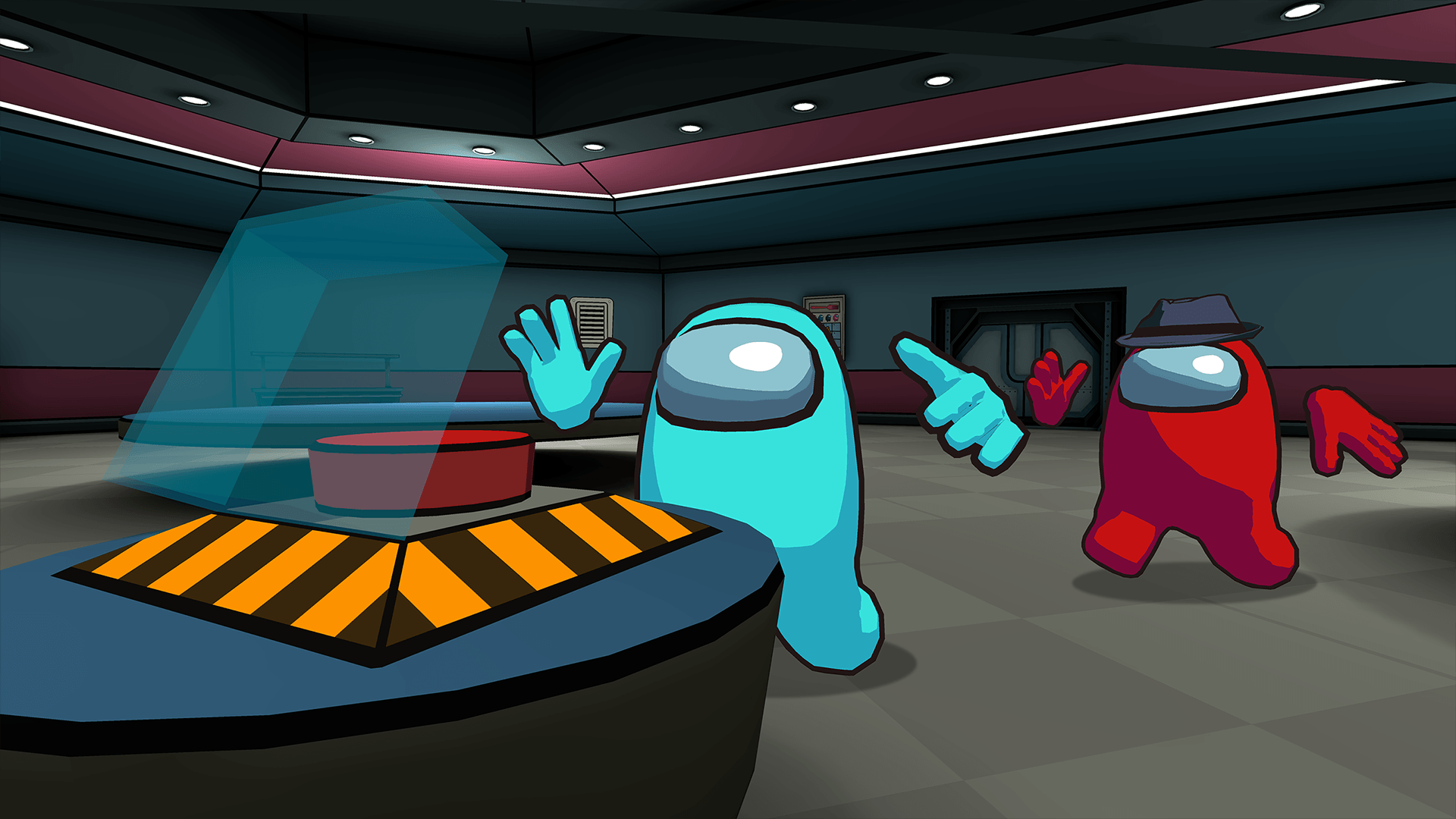
For instance, Among Us demonstrates how these mechanics can produce complex social dynamics. Its gameplay loop may be mechanically simple, but it’s psychologically deep, driven by decisions of actual players. The game’s social experience offering is what made it popular even during lockdowns amid the COVID-19 pandemic.
Randomized Events and Challenges
The sense of mystery also makes games more appealing to players. But the wrong application of randomization mechanics only leads to chaos. There should be variation without removing structure. In other words, it should be controlled unpredictability. One way to do this is to change gameplay conditions each session.
Game mechanics ideas in this category include:
- Random loot drop tables
- Rotating mission objectives
- Dynamic enemy placement
- Procedural level generation
- Environmental hazard variation
Why these work:
These mechanics force adaptation while preserving the core gameplay identity, making every playtime feel fresh and new.
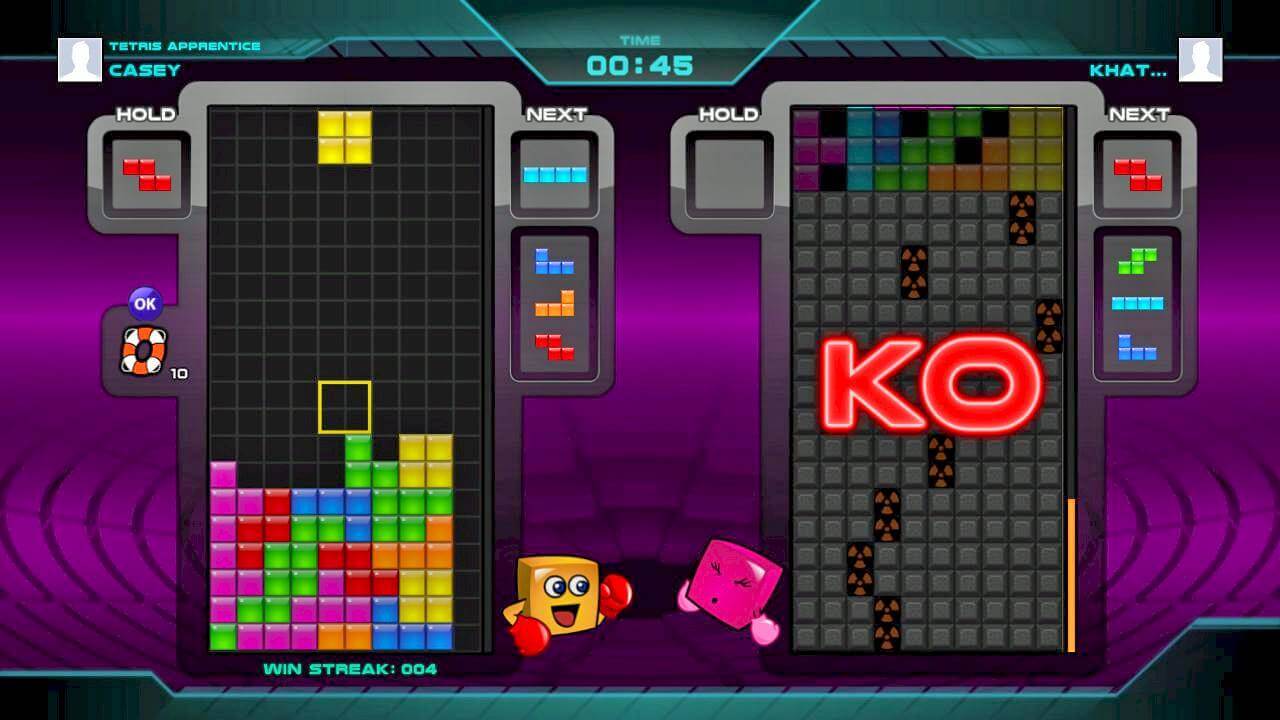
In games like Tetris Battle, the random order of pieces prevents every game from feeling scripted or templated, making players continuously active. It pushes players to think about how to succeed in every session, increasing replayability.
Adaptive Enemy AI Concepts
Not all games involve multiplayer interaction. That’s why AI systems that define the perceived intelligence of a game world matter. Immersion can break quickly when enemies are predictable. But with adaptive enemy AI mechanics, a game can introduce learning and variation, thereby determining how it reacts to the player.
Game mechanics ideas in this category include:
- Adaptive tactics based on player behavior
- Coordinated group AI behavior
- Patrol detection and escalation
- Enemy communication and reinforcements
- Memory-based tracking of player strategies
Why these work:
These mechanics create the illusion of intelligence. It’s what makes encounters feel personal and evolving even without the presence of other human participants.
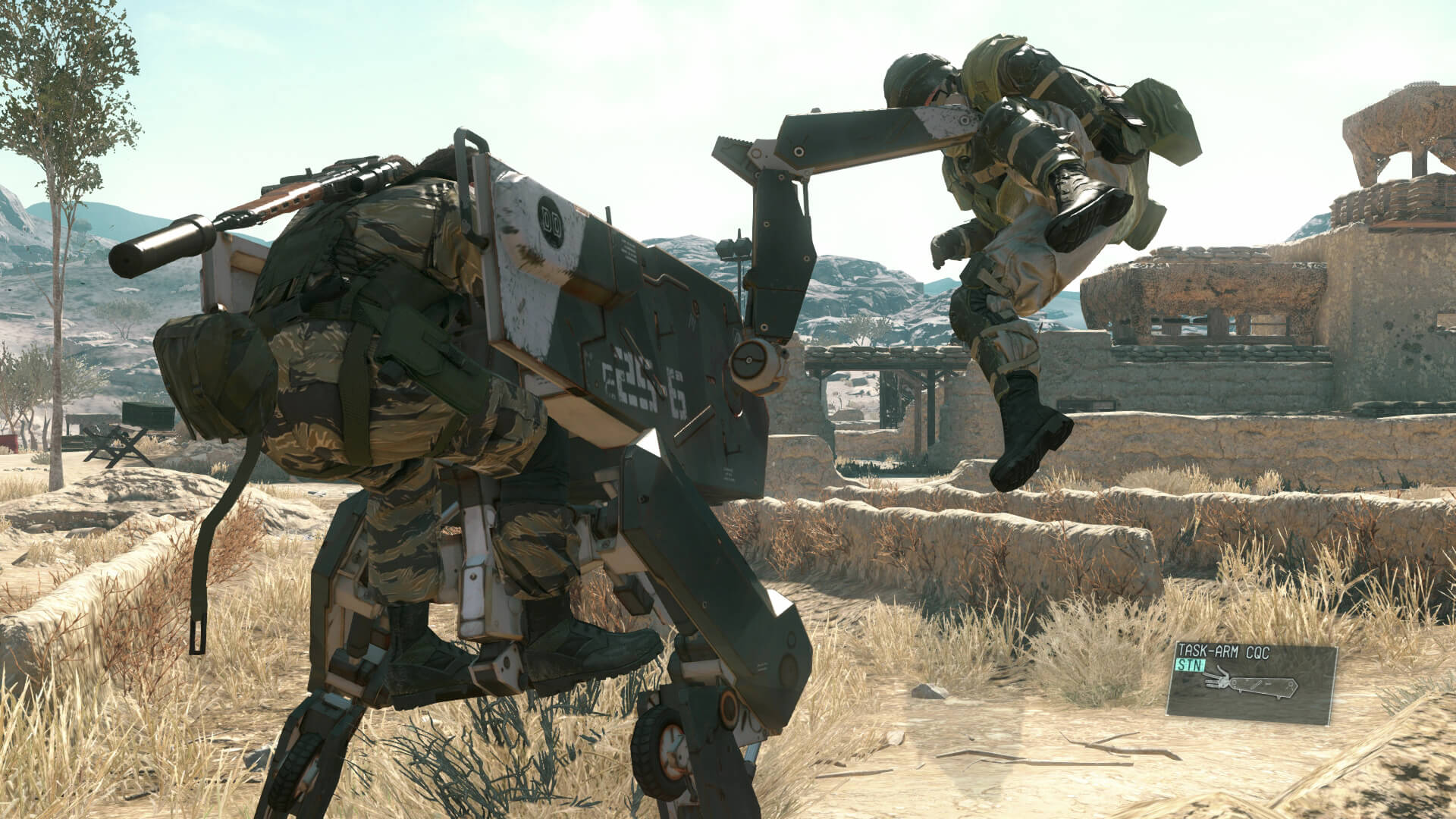
A landmark example is Metal Gear Solid V: The Phantom Pain. In the game, enemies adapt by adjusting their tactics or equipment in response to player actions. For instance, conducting night raids forces opponents to use flashlights and night-vision goggles.
Reward and Achievement Systems
Players don’t just want to feel challenged. They also want to feel and see the fruits of their labor. With that said, a game should integrate reward mechanics. These drive motivation and long-term engagement. To put it simply, a well-designed reward system ensures that every action feels acknowledged in some form, whether tangible or not.
Game mechanics ideas in this category include:
- XP-based progression
- Cosmetic unlocks
- Narrative progression unlock
- Competitive ranking
- Achievement-based triggers
Why these work:
These mechanics maintain motivation by balancing immediate feedback with long-term goals, rather than leaving player actions or level completions without any recognition whatsoever.
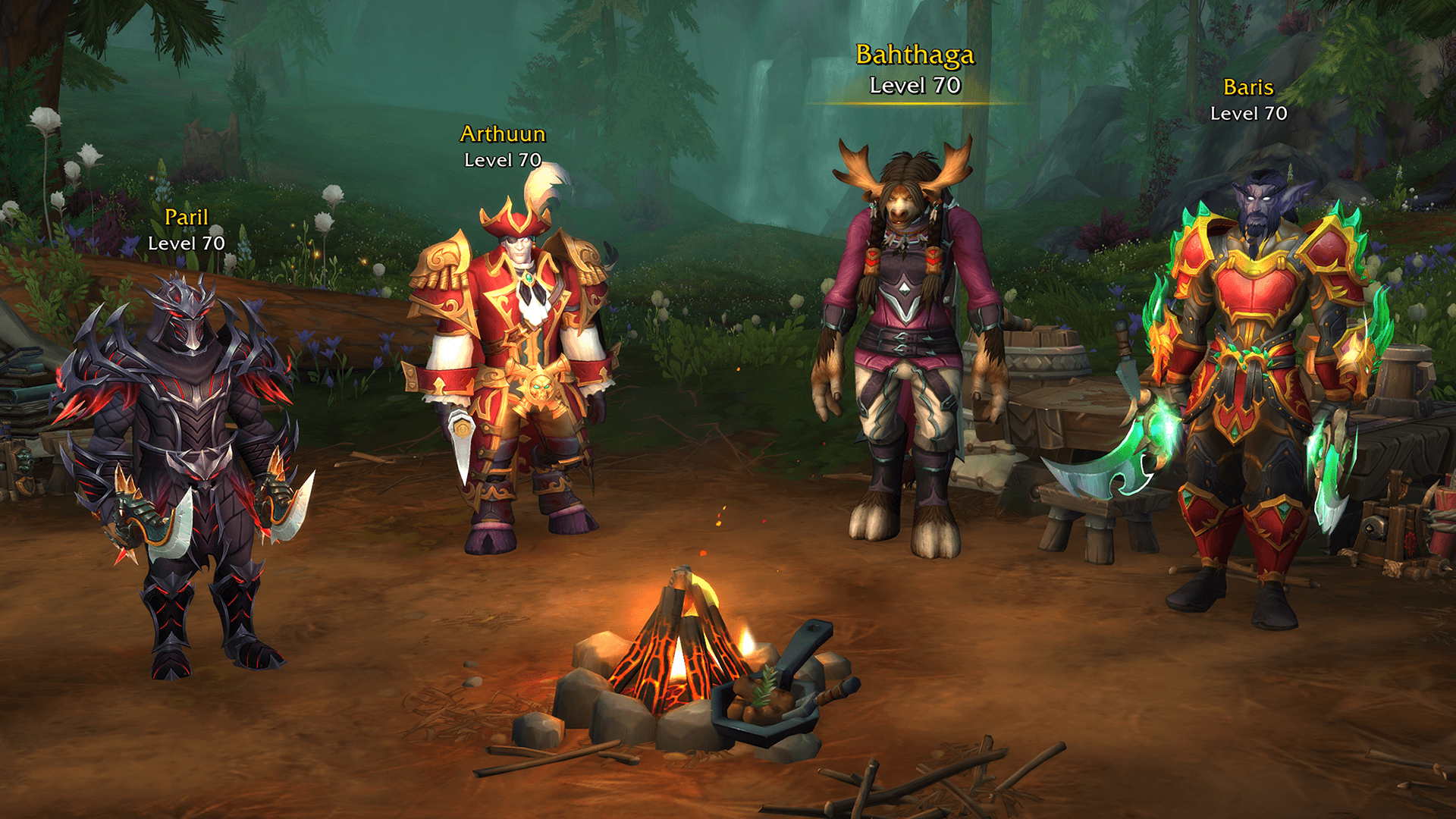
World of Warcraft demonstrates this vividly. It keeps players engaged by employing layered reward mechanics on various time scales. For example, combat feedback or sound effects provide immediate rewards, while finding a gear upgrade, earning a higher rank, or achieving a status serve as long-term rewards.
Customizable Character Abilities
For players to be fully immersed in a game, it should be relatable not just in its visuals but also in its mechanics. By customizing ability systems, players can express identity through a personalized gameplay style. In this way, two players can play the same game but have distinct experiences.
Game mechanics ideas in this category include:
- Hybrid class systems
- Risk-reward ability trade-offs
- Evolution-based ability
- Modular ability upgrade and attachments
- Branching skill trees with specialization paths
Why these work:
These mechanics encourage experimentation and replayability through personalization and creative problem-solving.
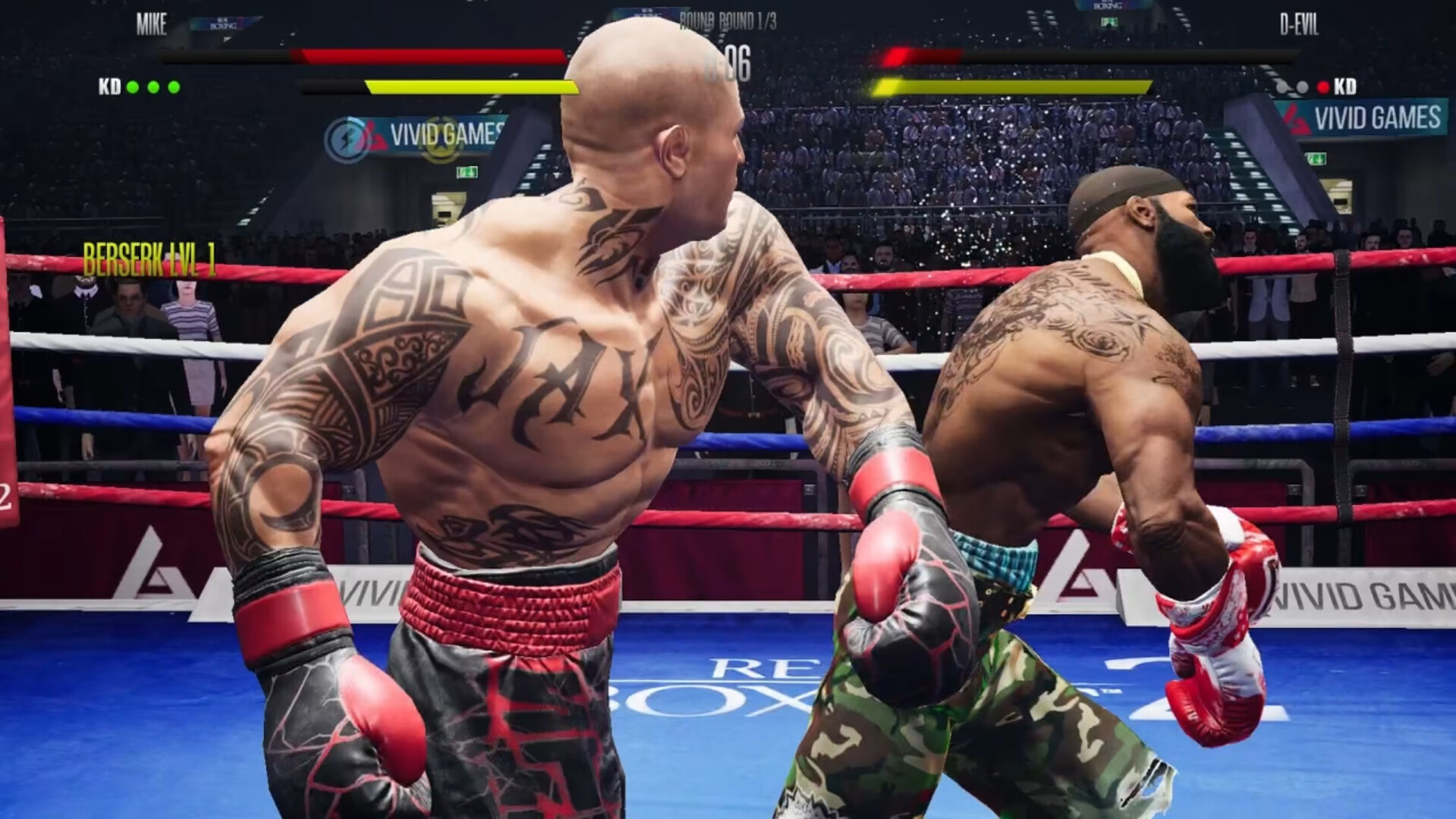
One game that adopted these types of mechanics is Real Boxing. Here, players can create their fighter and choose to focus on health, speed, power, and other specialties in the build. Such customization gives them a sense of ownership over that character. It becomes their version of the protagonist.
Final Thoughts: Mix and Match
As can be seen, almost all types of game mechanics ideas have already been used in existing video games from studios such as Tencent, Naughty Dog, Rockstar Games, Supergiant Games, and others. This situation may lead one to think that it’s impossible to even come up with fresh ideas and concepts.
But clearly that’s not the case. It’s worth asking why video games are still made and why they still thrive despite having mechanics that are more or less familiar. Today, games typically employ the simple concept of combining two or more mechanics and making subtle modifications. For example, a game can pair skill-based combat with action-based XP so that players also develop their abilities over time.
That said, completely original mechanics are rare. Many developers just build on existing ideas. It all boils down to how they rearrange game mechanics ideas to create games that drive value and unique gaming experiences. All that matters is that the game mechanics should generate stories, emotions, and decisions that players remember after the game ends.

