
It’s true that game designers should dedicate themselves to learning basic game design. But not moving past that point can hurt over time, especially with the global video game market expected to reach $415.78 billion by 2034. Investing in advanced game design is now crucial. It keeps game designers on par with the industry’s constant evolution. One promising entry point to this stage is learning game mechanics in advanced game design.
Game mechanics are not just simple gameplay features. In advanced game design, they form the underlying systems that control how players interact with a game. Decision-making. Pacing. Long-term engagement. Game mechanics determine all three by shaping how individual systems connect and respond to player input.
A recent survey revealed that 35% of players want diverse gameplay in new games. As such, understanding game mechanics in advanced game design is essential. It outlines how to create game mechanics that generate challenging, enjoyable, and well-balanced gameplay. This directly influences how games feel, function, and retain players over time.
Understanding Advanced Game Mechanics
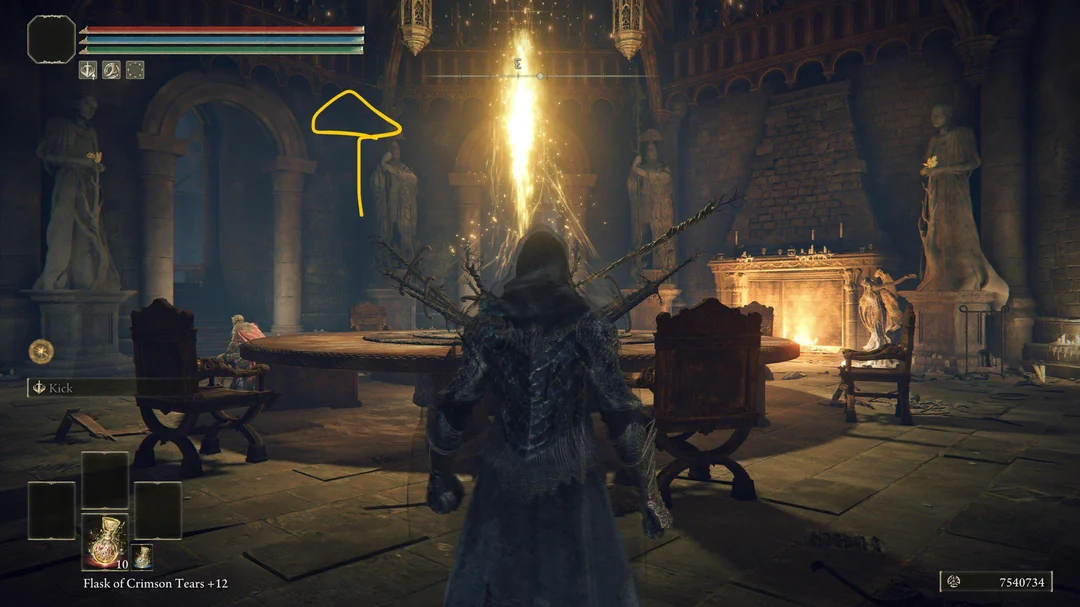
Game mechanics in advanced game design define how players interact with gameplay at a structural level. Like how play progresses, the conditions that determine victory or defeat, and what happens when. Mechanics encompasses the rules, processes, and data. This helps game systems determine moment-to-moment decisions and long-term progression. It also helps players adapt to challenges across different gameplay scenarios.
At this level, mechanics are designed as interdependent systems. Not isolated features. Adjusting stamina or resource availability can directly reshape combat pacing or exploration behavior.
When dealing with game mechanics, make sure that the:
- Core system design defines how the basic gameplay systems (combat, movement, interaction) are structured and connected. It ensures they function as one framework. Not separate mechanics.
- Progression structure determines how players can move forward in the game. Systems like leveling or equipment upgrades should shape long-term engagement and difficulty scaling.
FromSoftware’s work on Elden Ring shows how these principles can be implemented. Stamina acts as a central constraint. It regulates attacking, blocking, casting spells, dodging, and sprinting. This creates a more deliberate combat rhythm. Not just constant action. It forces players to think in terms of positioning and timing to raise their odds in boss fights.
Key Principles of Advanced Game Design
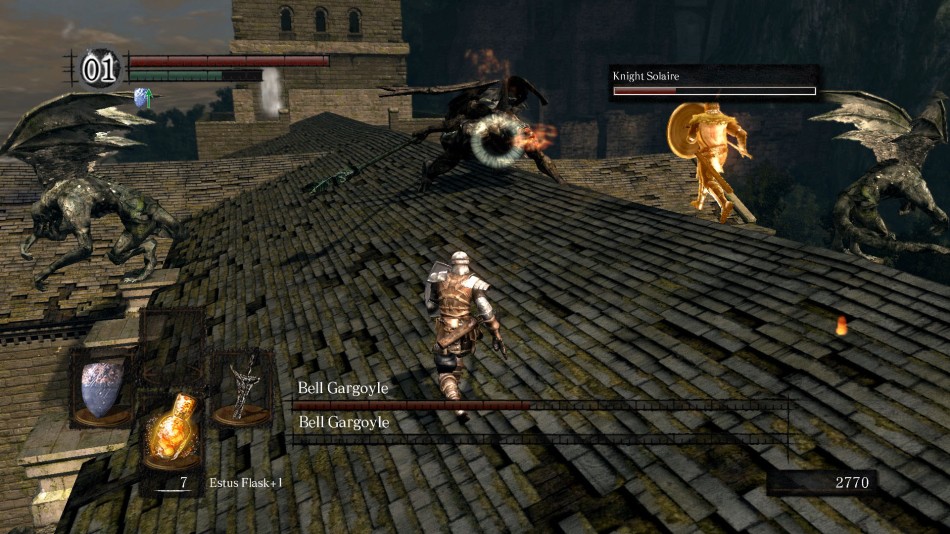
Just like basic game design, advanced game design is built on foundational principles. This ensures that mechanics work together to create engaging, balanced, and meaningful gameplay experiences. With principles, systems can be tuned, tested, and refined until they achieve the desired player experience.
In advanced game design, designers should make it a point that:
- Player agency ensures players can approach challenges in multiple ways. How systems are designed and combined should provide options for handling stealth or direct combat.
- Risk-reward balance structures gameplay so that high-impact actions come with meaningful consequences. This includes taking damage, using scarce resources, or exposing players to enemy advantage.
- Feedback loops communicate the results of player actions. Damage indicators or hit reactions should be clearly understood by players through visual effects, sound cues, or mechanical responses.
In development, these principles are continuously adjusted based on playtesting and player data. Damage values. Enemy behavior. Resource availability. These parameters are often modified once a system feels too forgiving or too punishing to restore balance.
Combat systems in Dark Souls combine these core advanced game design principles. Players can choose when to attack, dodge, block, heal, or adjust their character build. Each action carries consequences, such as exploring a hidden path that can either bring valuable items or death. Repeated death and respawn support learning, allowing players to refine their strategies by trying again with new knowledge. This layered system interaction encourages deliberate decision-making and creates tension throughout gameplay.
Game Mechanics in Modern Games
Modern games apply advanced game mechanics by combining multiple systems that underpin their gameplay. These mechanics influence difficulty, player engagement, and overall satisfaction. It enables player actions to make unpredictable yet coherent outcomes.
The most commonly found mechanics in modern games include:
- Action Mechanics – Lean into fast reactions, precise timing, and direct control. From jumping and shooting to dodging and air-dashing in platformers, shooters, and fighting games like Devil May Cry, these mechanics create high-intensity gameplay experiences. Accuracy, reflexes, and execution determine success.
- Exploration Mechanics – Encourage players to move through game worlds. Open-world traversal and environmental storytelling in open-world and adventure games, such as Horizon Forbidden West, reward players for engaging with the environment. Secrets or non-linear paths expand world-building and immersion. It makes discovery and curiosity central to the experience.
- Progression Mechanics – Focus on long-term character growth, customization, and development. Leveling systems and skill trees in titles like Assassin’s Creed Valhalla lead to long-term engagement. These let players evolve their abilities or shape their playstyle. They deliver a sense of continuous improvement and meaningful progression.
- Resource Management Mechanics – Involve controlling limited in-game resources. This includes health, stamina, currency, and inventory space. Economy and currency systems or survival and crafting systems in projects, including Escape from Tarkov, heighten tension and depth. It pushes players to make strategic decisions. Such mechanics boost the importance of planning, efficiency, and risk assessment throughout gameplay.
- Strategy Mechanics – Highlight forward thinking, risk evaluation, and adaptability. Turn-based and real-time strategy games like XCOM 2 that include base building and management, or formation control reward structured thinking, positioning, and long-term planning. Not just reliance on speed or reflexes.
These systems are tuned through iteration and data analysis in production environments. This makes it easier for systems to remain balanced while still allowing varied gameplay experiences.
Benefits of Advanced Game Mechanics
Game mechanics in advanced game design enhance a game’s longevity. They add layers of complexity, depth, and strategy. This helps systems sustain engagement and foster meaningful player interaction.
- Improved engagement and replayability – Interconnected systems create different outcomes based on player decisions. It makes each playthrough feel distinct. Strategic depth and a sense of progression attract players to return over and over again.
- Deeper Mastery Curves – Layered mechanics give players the challenge of mastering new systems. It encourages them to improve over time by learning optimized strategies and interactions with the system.
- Enhanced player immersion – Consistent mechanical logic reinforces the game world’s internal rules. This makes player actions feel grounded and believable within the system.
These benefits influence long-term design decisions. Like progression pacing, difficulty scaling, and live-service updates. That’s why in real-world development, developers usually adjust systems post-launch to maintain engagement. They often use player behavior analytics and retention patterns.
Tips for Mastering Advanced Game Design

Mastering game mechanics in advanced game design means understanding how systems interact at a structural level. That said, here are some practical insights to adopt:
- Analyze how mechanics influence each other in different genres. This helps in understanding how complexity is built through layering. Not just individual features
- Break down games to understand how mechanics, progression, and feedback systems are structured and interconnected. Successful games provide mastery growth by allowing players to develop their skills over time.
- Refine systems continuously using player data and observation. Mechanics that offer unfair advantages or weaknesses derail the game’s difficulty and timing dynamics.
Many studios begin with small-scale prototypes. This lets them validate movement, combat, or progression systems. All before expanding into full development. It cuts risk and ensures core mechanics feel responsive and intentional.
Wrapping Up
Game mechanics in advanced game design are not just individual features but interconnected systems. They shape a game’s structure and feel. They shape how players experience challenges. They shape the way players make decisions.
In modern game development, mastering these game mechanics means balancing structure, feedback, and player agency. Many times, designers tap into the Game Mechanics Advanced Game Design PDF of Ernest Adams and Joris Dormans. This resource material outlines the internal economy, novel prototyping techniques, design patterns for game mechanics, and more. All aimed at creating experiences that remain engaging over time.
When applied effectively, advanced game mechanics become the foundation of depth, replayability, and meaningful gameplay design.
For a detailed guide on video game creation, visit our article on game mechanics ideas.

