
Minecraft sold over 300 million copies. Among Us made headlines during the COVID-19 pandemic. Stardew Valley became one of the very first indie titles to win at the Golden Joystick Awards. All three games defined success in their own ways. Those people who look at these projects usually assume there must be some ultra-advanced design framework behind them. But honestly, a lot of the power of these titles comes from executing the basics of game design extremely well.
Basic game design is not just about ideas. It’s also about structuring interactions that consistently produce meaningful player experiences. Strong concepts fail without proper execution. Simple game mechanics can succeed when supported by well-designed systems.
In what follows, the article will help in recognizing how mechanics, rules, and feedback interact to shape player behavior and long-term engagement. This guide will run through each principle. It will also show how they apply directly to real development scenarios.
Understanding Basic Game Design
Basic game design is the process of defining how players interact with a system. Vice versa, how that system responds. Like what challenges players are supposed to face. And how they will explore the game world.
Every video game consists of several components. But it’s built on three foundational elements:
- Game mechanics – The actions players can perform. It’s the framework that determines how they can advance the story, overcome challenges, or engage with the game environment.
- Goals and objectives – The reasons that shape those actions. Games clarify what the mechanics are for. It provides players with direction and motivation to stay engaged. These must be difficult enough to stimulate players but easy enough that they feel achievable.
- Feedback mechanisms – The game’s response to player input. Visuals. Audio. Haptics. Players must seamlessly receive all kinds of cues to understand what they’re supposed to. All without breaking immersion.
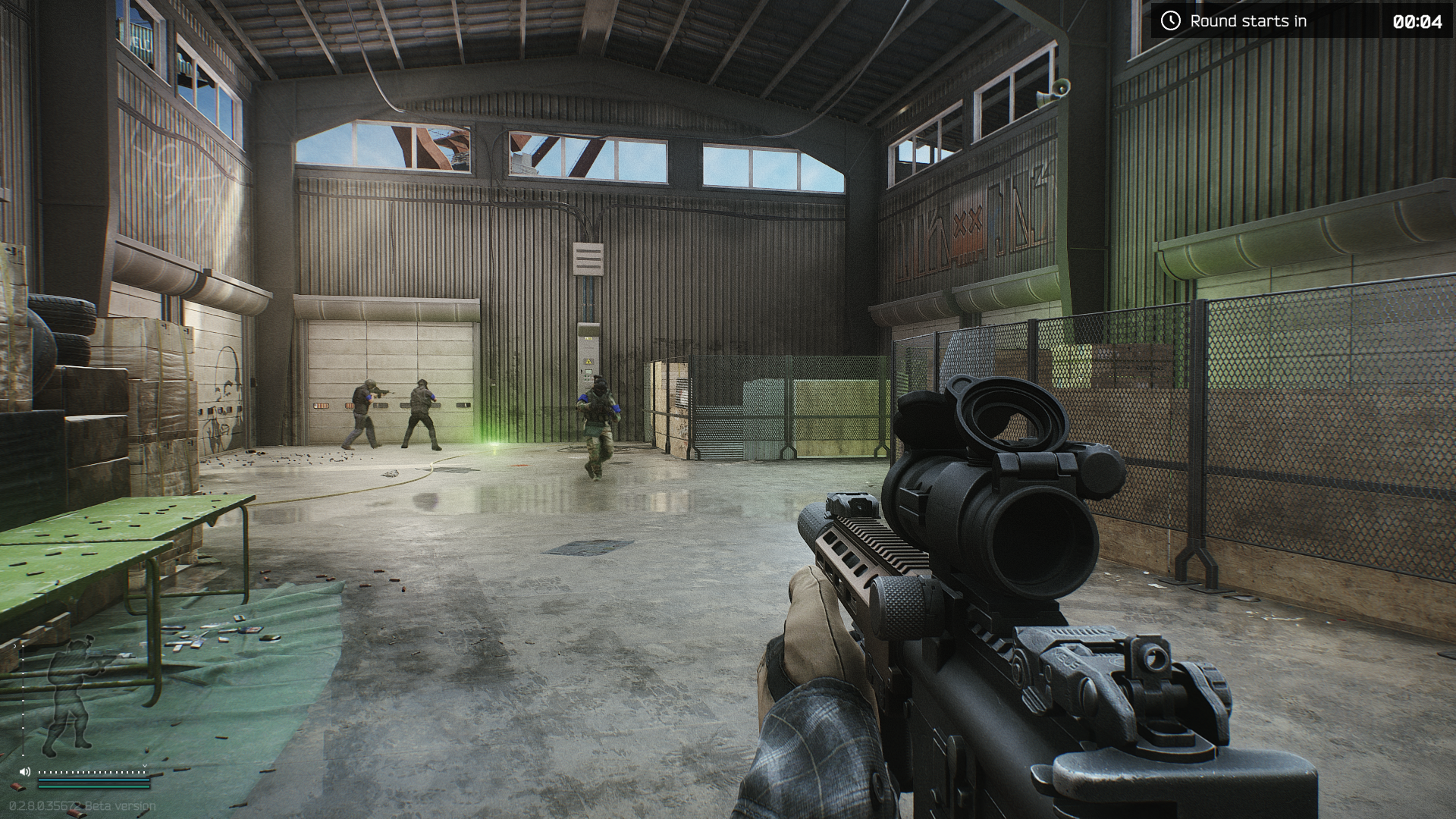
Escape from Tarkov captures this vividly. Mechanics are well-defined. Players go through high-risk environments using realistic shooting, looting, and extraction systems. The primary and secondary goals are also clear. Reach one of the exit points, earn as much money, and survive raids with a successful extraction. Feedback is also well-delivered. It provides environmental and sensory cues. Like gunfire to figure out the weapons of other players. This helps them decide whether it’s time to be aggressive or stealthy.
This directly shapes systemic design. Mechanics must support high-stakes decision-making. Goals must create tension through risk-reward tradeoffs. Feedback must convey information without relying on heavy UI. These elements must work together cohesively. A mechanic without clear feedback feels unresponsive. Rules without meaningful interaction feel restrictive. Not engaging.
To learn more about the complete components of basic game design, check our breakdown of the elements of game design to create engaging games.
Key Fundamentals of Game Design

Game design systems create engagement over time through the fundamentals of game design. And it’s more effective to understand how they operate within a single system. In the industry, these fundamentals are best understood as core design principles. They shape how systems behave during gameplay.
Some of the most crucial game design fundamentals are:
- Clarity – Players must instantly understand which actions are possible. The game should clearly introduce, visualize, and explain mechanics through readable systems like UI and animations. It makes it easier for players to know which inputs do what without having to guess every time.
- Consistency – Systems should behave predictably across scenarios. Once a player learns a rule, that should apply to any part of the game. Not unless intentionally broken. This builds trust between the player and the game’s systems.
- Challenge and balance – Difficulty should align with players’ skill levels. It’s not about making the game easy or hard. It’s about scaling challenges with player mastery. Systems should gradually introduce complexity without overwhelming the player.
The combat and survival systems of the 2023 remake of Resident Evil 4 demonstrate these fundamentals of game design in a tightly controlled survival-action framework. Clarity is backed up by audiovisual and mechanical readability. Movement is more fluid and responsive. Environments are more oppressive, and sound design is immaculate. Both help players understand combat outcomes moment to moment. The game also retained scarce ammunition and structured inventory management as the survival-action rules. It shows a stable rule set that players can learn and rely on across encounters. The challenge is supported by an emphasis on limited resources, escalating enemy pressure, and encounter design. It requires thoughtful engagement and strategic decision-making. All of which matters in increasingly difficult situations.
This structure shows how survival-action games maintain engagement through readable systems and controlled pressure. Clear audiovisual feedback and responsive mechanics help players interpret outcomes. Consistent resource and combat rules allow players to build reliable habits. Carefully tuned scarcity and escalating encounters ensure difficulty increases not through confusion or unpredictable rule changes.
Applying Basic Game Design Principles
In basic game design or in game development in general, understanding theory is not enough. Application matters. Designers must be able to implement game design basics during production.
In doing so, make sure that the game:
- Starts with a core loop. It should define the primary action that players repeat. Like explore, engage, reward, and upgrade. Typically, this loop sets the foundation for all systems. Without a core loop, systems often require restructuring or complete redesign.
- Builds around player decisions. The game must ensure choices have clear outcomes. Each one should influence risk, reward, or the game’s direction. It ensures that gameplay remains interactive. Not passive or scripted.
- Limits system complexity early. Core mechanics should become stable before combining them into larger systems. Early detection of conflicts between mechanics, input behavior, and progression rules cuts debugging and rework.
- Aligns mechanics with player goals. Every action should support progression. It can be short-term, such as survival, or long-term, such as mastery. Proper alignment improves retention. This reduces design inconsistency.
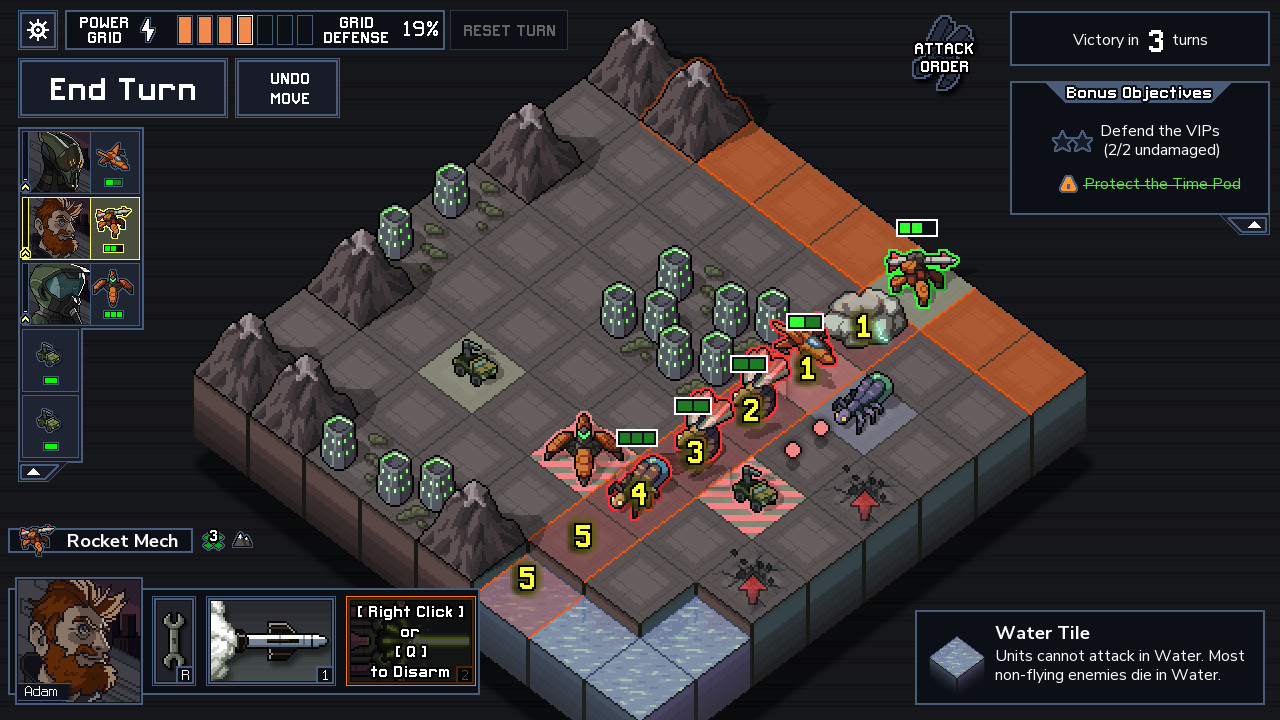
Subset Games’ Into the Breach gets this. It’s structured around a turn-based loop. Players position units, respond to enemy actions, and prevent damage across repeating turns. Each turn serves as a small decision cycle. Positioning and timing determine the outcome. The system is also highly decision-focused. In the gameplay, small choices matter. It reinforces the importance of player input. And since grid defense is the lifeblood of a campaign, all mechanics ultimately align around protecting objectives.
Making enemy intent visible. Building gameplay around clear response cycles. Both show how tactical games can translate design theory into systems.
Wrapping Up
Great games don’t necessarily entail complex disciplines. Basic game design is more than enough as long as the game is engaging and immersive.
Understanding the basics of game design means learning how systems function together. Not just individually. For a more structured approach, many designers use books like The Fundamentals of Game Design by Ernest Adams. It’s commonly searched for as “Fundamentals of Game Design 3rd edition pdf.” This resource highlights the importance of basic game design, including areas like balancing, concept development, gameplay, mechanics, storytelling, and user interfaces. It helps in connecting theory with implementation.
Ultimately, the goal is not complexity. It’s clarity and cohesion. A strong understanding and application of game design basics form the foundation of successful game creation.

