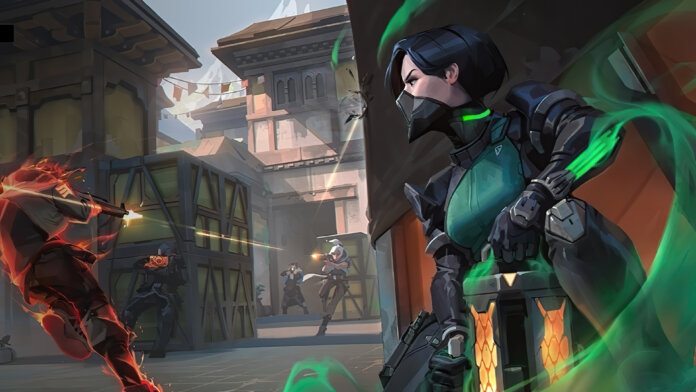
You’ve done the deathmatch grind. You’ve spent hours in Aim Lab. You’ve watched every pro settings video on YouTube. Yet somehow, you’re still whiffing shots you know you should hit. What gives?
The frustrating truth is that most players focus on the wrong things when trying to improve their aim. They chase sensitivity changes, blame their hardware, or mindlessly grind drills without understanding what’s actually holding them back. Let’s break down the real reasons your aim is stuck and what you can do about it.
You’re Constantly Changing Your Sensitivity
This one hurts because we’ve all done it. You undershoot one day, so you bump your sensitivity up. The next day, you overshoot, so you lower it again. Before you know it, you’re changing settings every single session, never giving your muscle memory a chance to develop.
Your brain needs consistency to build the neural pathways that make aiming feel automatic. Every time you switch sensitivity, you’re hitting the reset button on that progress.
The fix: Pick a sensitivity and stick with it for at least two weeks. Most pro players use an eDPI between 200-400, with the average around 280 according to compiled pro settings data. A solid starting point is 800 DPI with 0.35-0.5 in-game sensitivity.
Your Crosshair Placement Is Letting You Down
Crosshair placement is arguably more important than raw aim. If your crosshair is already where enemies are likely to appear, you don’t need superhuman reflexes. You just need to click. Most players, however, move around with their crosshair at chest level, forcing vertical adjustments before every fight.
The fix: Keep your crosshair at head height at all times. Before rounding any corner, mentally picture where an enemy’s head would be and pre-aim that spot.
| Crosshair Placement Habit | Impact on Aim |
| Aiming at the floor/feet | Requires a large vertical flick – slow and inconsistent |
| Aiming at chest level | Still needs adjustment – wastes precious milliseconds |
| Pre-aimed at head height | Minimal correction needed – faster kills |
| Pre-aimed at common angles | Enemy walks into your crosshair – easy headshots |
You’re Shooting While Moving
Valorant punishes moving accuracy harder than most shooters, a mechanic that separates it from traditional games and contributes to the ongoing debate about whether competitive gaming qualifies as a sport. Yet many players panic-fire while still moving, then blame their “bad aim” when shots don’t connect.
Counter-strafing, which is tapping the opposite movement key before shooting, brings you to an instant stop and makes your shots accurate. This fundamental mechanic separates players who feel like their Valorant aim not improving from those who consistently climb ranks. Many players find that using services can help them reach goals faster while they improve their skills.
The fix: Practice in the range with “Shooting Error” enabled. This visual feedback shows exactly when you’re accurate. Practice strafing left, tapping D to stop, then shooting.
You Neglect Sleep and Physical Health
Taking care of your body helps your mind work better. Your reaction time and fine motor control are directly affected by sleep, hydration, and physical condition. These cognitive benefits work both ways, with focused gaming actually improving certain mental faculties when you’re taking care of yourself. Small daily habits make a noticeable difference over time.
The fix: Get 7-8 hours of sleep before heavy practice sessions. Stay hydrated. Take breaks every hour. Your aim isn’t just a software problem. Your body is the hardware running it.
You Skip Warm-ups (Or Overdo Them)
Both extremes hurt your gameplay. Jumping straight into ranked means cold hands and a foggy brain. But spending two hours in deathmatch? That’s fatiguing your hands and burning the focus you need for actual games.
The fix: Aim for 15-30 minutes of warm-up before ranked. A few minutes hitting bots, then one or two deathmatches focusing on mechanics, not kills.
You’re Practicing Without Purpose
Mindless deathmatch grinding doesn’t build skill. It reinforces whatever habits you already have, good or bad. If you’re spraying when you should tap and wide swinging when you should jiggle peek, practice only makes those habits stronger.
Common practice mistakes to avoid:
- Chasing kills in deathmatch instead of focusing on mechanics
- Grinding the same Aim Lab routine without targeting weaknesses
- Never reviewing gameplay to identify actual problem areas
- Practicing for hours without breaks, leading to fatigue
- Copying pro settings without understanding why they work
Your Mental Game Is Sabotaging You
Confidence has a massive impact on your mechanics. When you’re tilted, stressed, or expecting to lose, your hands tense up, your decision-making suffers, and your aim falls apart. A study published found that cognitive performance in reaction-based tasks varied significantly based on players’ psychological state. Staying calm can help you perform more consistently.
The fix: If you lose two ranked games in a row, take a real break. Step away for 15-20 minutes. Get water, stretch, reset your mind. Playing tilted creates negative reinforcement that makes future sessions harder.
You’re Ignoring Recoil Patterns
Every weapon in Valorant has a predictable spray pattern. The Vandal kicks up and to the right. The Phantom has a tighter, more vertical climb. If you don’t understand these patterns, you’re relying entirely on first-bullet headshots.
The fix: Practice the Vandal’s pattern until you can control a 5-7 bullet spray onto a single point. You don’t need to master 30-bullet transfers, but controlling short bursts wins fights where your first shot misses.
Your Hardware Is Working Against You
Bad hardware can definitely hold you back. A wireless mouse with input lag, a 60Hz monitor, or inconsistent framerates all add friction between your brain and the game.
The fix: Ensure stable FPS above your monitor’s refresh rate. Enable raw input in settings to bypass Windows mouse acceleration.
Frequently Asked Questions
How long does it take to improve aim in Valorant?
Most players see noticeable improvement within 2-4 weeks of focused, consistent practice. The key is patience – playing 30 minutes daily beats playing 5 hours once a week.
What eDPI do most pro players use?
Professional players typically use an eDPI between 200-400, with the average around 278-320. This translates to roughly 800 DPI with 0.3-0.5 in-game sensitivity.
Is raw aim or crosshair placement more important?
Crosshair placement is more important for improving quickly. If your crosshair is already at head level and pre-aimed at common angles, you need less mechanical skill to secure kills.
How do I stop panic spraying in gunfights?
Practice tap-firing in deathmatch where there’s no pressure. When you consistently hit opening shots in practice, that confidence transfers to competitive games. Also, try consciously slowing down – you have more time than you think.
Key Takeaways
- Sensitivity consistency matters more than perfect settings – commit for at least two weeks
- Crosshair placement is the highest-ROI skill – keep it at head level always
- Counter-strafing is non-negotiable – learn to stop before shooting
- Mental state directly impacts mechanics – take breaks when tilted
- Practice with purpose, not volume – focused sessions beat autopilot grinding
- Physical health affects aim – sleep, hydration, and breaks matter

