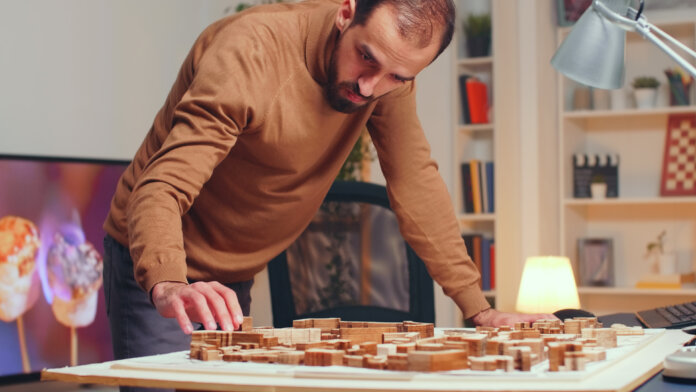
When people talk about gamers, the first thing that comes to their mind is people who play video games. It makes others wonder whether board games are going out of style. Actually, they are not fading away anytime soon. In fact, the global board games market is projected to reach $41.07 billion by 2029. The figure indicates that the popularity of tabletop games continues to grow, with players seeking more social and immersive experiences beyond digital screens. As the demand for this game form increases, many creators are becoming interested in learning the ins and outs of board game design.
However, both seasoned game designers and beginners may need some guidance on making a well-crafted game board design, as it features notable differences from modern video games. But worry no more! This article will walk you through the key concepts of board game design and the steps that are necessary in the process of creating your own successful board game.
Understanding Board Game Design Basics

At its core, board game design focuses on having a structured system. It is where players interact with rules, components, and objectives to achieve specific outcomes. Compared with video games, tabletop games involve physical components and direct player interaction.
Key Elements of Board Game Design
- Experience Design
A game should allow players to become invested and truly connect with it.
- Physical Design
Every component must improve the gameplay and make the game more immersive and interactive.
- Strategy Design
Players should have defined mechanics and objectives for a clear direction when playing.
- Visual Design
The game should be visually appealing to enhance player retention and potentially attract a broader audience.
How to Design a Board Game
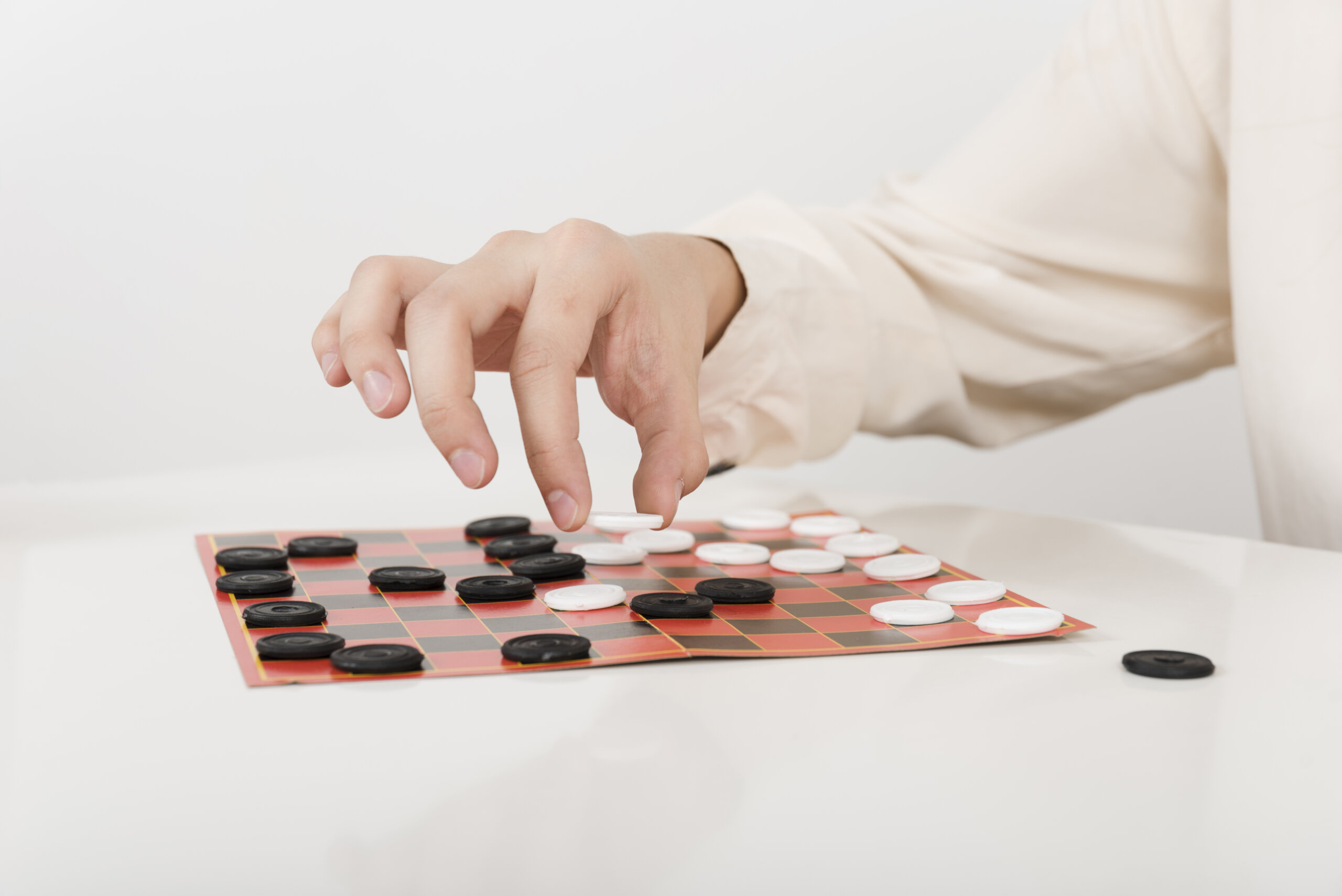
There is no strict or universal approach to board game design. Many things can differ from one designer to another. Nevertheless, here is a basic approach you can take in starting your journey in board game design.
- Start with an Idea
Identify what type of game you want to create. One way to do it is by asking yourself questions such as: Who will play the game? How should they feel? What makes this game unique? What are the objectives?
- Build a Basic Prototype
Transform your ideas into a physical format. It does not need to be visually polished yet. You will use this to define the board layout and player flow to test the gameplay concept.
- Test and Refine
Invite other people to participate in a playtest, so you can see if the rules are clear, the gameplay is balanced, and the overall game flows smoothly.
Enhancing Your Game Design Board
After you are done making a core gameplay that works well, the next thing you should do is enhance the game design board. It adds up to the overall playing experience, which can potentially either make or break your game.
- Integrate a fitting artwork that matches the essence of your game.
- Add components like tokens, dice, cards, miniatures, and trackers.
- Put dynamic areas where players can make exciting decisions.
The additional elements that you will add do not necessarily need to influence gameplay. Their purpose would be to make the game more fun, immersive, interactive, and memorable. Subsequently, once you are finished with these steps, you can proceed to the actual production.
Common Mistakes in Board Game Design
Mistakes are part of life, which means they are essentially inevitable even in the process of board game design. Yes, it can be exciting to be making a tabletop game, but creators often encounter challenges. That is why we are going to help you identify all the possible problems you can encounter, so you can do your best to avoid them.
- Unclear Game Direction
Sometimes, excitement can get ahead of you, and it can cause you to make a game immediately without having clear objectives. Consequently, it can also lead to a game without clear and concise rules. These make a game feel disjointed and frustrating.
- Overcomplicated Ideas
Remember, too much of anything is a bad thing. Creators tend to overcomplicate mechanics and the board layout. Too many mechanics, spaces, symbols, and rules can make the game overwhelming and the gameplay difficult to understand.
- Poor Visual Communication
If players find it hard to identify important areas of the board, you can be in trouble. Unclear symbols, inconsistent visual design, and small texts can make a game stressful rather than enjoyable.
- Balance Issues
Even if the game features compelling mechanics and ideas, if it relies too much on luck or strategy, there is a chance it would lead to unfair advantages. Players can feel helpless or find it too difficult.
- Pacing Concerns
You can create the most entertaining board game, and players would still lose interest over time. As a designer, you have to consider pacing. Having a game that runs too long can feel repetitive and become boring. You want something that maintains excitement throughout.
Tips for Successful Board Game Design

Careful planning is key to creating a memorable and successful board game. Although we mentioned that game design pitfalls are basically inevitable, there are ways to increase your chances of avoiding them or at least fixing them.
- Decide on a Clear Gameplay
Determine what you want to do and keep rules short and clear.
- Start Small
Concentrate on one mechanic and move forward gradually. Keep a consistent structure that keeps the gaming flowing smoothly.
- Keep Visuals Simple but Appealing
Ensure that your board game is visually inviting, but do not overdo the process.
- Examine Existing Board Games
Observe other board games and what makes them successful. You can try to aim for a mix, prioritize player interaction, and keep the learning curve manageable.
- Playtest
Do not be afraid to change or adjust your game. Iteration is key. Continuous testing is necessary to ensure that every aspect of your board game works.
- Put It Out There
Most people hesitate to let others know about their game due to fears of negative comments and their idea being stolen. Do not be one of them. Allow people to play your game and be open to constructive feedback.
Final Thoughts: The Tabletop Adventure Continues!
It would not be a surprise if many people thought that board game design was easy. After all, most things look manageable until you are actually the one doing it. At least with this guide, you now understand that board game design is an artistic and analytical process. Every stage poses its own challenges that contribute to the final gaming experience you can create. So, if you want to learn more, you can also take game design courses to hone your knowledge and skills.
At this point, you are ready to start crafting a thoughtful game design board, playtest ideas, and improve along the way. Who knows? You might be the next creator to make engaging board games that would bring family, friends, and many people together around the table.
Note: This article is for educational and informational purposes only. While we aim to ensure accuracy and reliability, practices may vary depending on the project, design experience, and industry trends.

