Home Blog Page 25

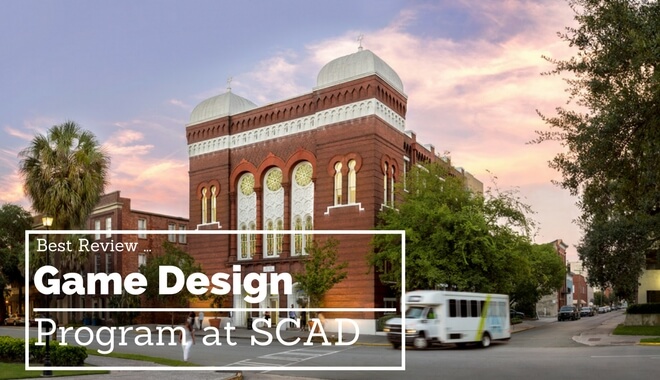
Savannah College of Art and Design: National Rankings and Accredited Degree Programs

savannah college of art and design program review
The Savannah College of Art and Design is named for its Savannah, Georgia location. But that’s not the only place from which it operates…

SCAD has facilities in Atlanta and Hong Kong and features online learning.

And the best part is, SCAD offers at least one of its Interactive Design and Game Development Degrees at all four locations:

  • Savannah
  • Atlanta
  • Hong Kong
  • Online

The state-side flexibility isn’t crazy since both campuses are in the same state—but that’s still more flexibility than any single-campus school offers! Plus, an opportunity to learn in Hong Kong could lead to an out-of-your-shell experience.

And then there’s online learning…but if you aren’t going to a physical school to network with other students and professors and industry collaborators, there might be better options for you.

Let’s take a look at the Savannah College of Art and Design!

National Rankings


You should never put all your eggs in one basket, but that doesn’t mean you can’t use a single ranking to feel out a game design program.

In this case, we’re talking about the P. Review and their list of the Top 50 Undergraduate Game Design Programs (and their list of the Top 25 Graduate Game Design Programs).

In 2017, the Savannah College of Art and Design Game Design Program ranked 24th on the list of the top 50—better than 50% of the top 50 game design programs out there. Their graduate Game Design Program took 15th on the list of 25—that ain’t so bad, either.

But, as we said, you shouldn’t put all your eggs in one basket. There’s more to picking a school and a program than input from the Princeton Rankings.

For example, in the past five years, students from the Savannah College of Art and Design have won the E3 College Game Competition.

Besides a shot at victory, what else do the Game Design programs at the Savannah College of Art and Design offer?

The Interactive Design and Game Development Program


The Savannah College of Art and Design offers four versions of their Interactive Design and Game Development degree:

  • BA
  • BFA
  • MA
  • MFA

The Game Development program at SCAD provides students with a chance to touch the industry, “from participation in professional conferences to opportunities to collaborate with industry giants, our students have every chance to capitalize on their passion for interactive design.”

Time to check out their undergraduate programs.

BA in Digital Media, Concentration in Game Development


The Bachelor of Arts in Digital Media with a Concentration in Game Development focuses more on general education than it’s Fine Arts counterpart.

Your coursework is broken up into four sections:

  • Foundation Studies
  • General Education
  • Concentration
  • Additional Electives

Your foundation studies include:

  • Drawing
  • Design
  • Composition and Media
  • Color Theory
  • One Studio Elective

Your foundation studies make up 25 credit hours of your degree for the BA program.

Your general education studies include:

  • Western Art
  • Computer Art Applications
  • 20th-Century Art
  • Composition

And more, along with a number of subject-specific electives:

  • General Electives
  • Maths/Natural Sciences Electives
  • Behavioral/Social Sciences Electives
  • Art History Elective

Your general education will take up about 90 credit hours of your degree program (which is half of your total credit hours).

Then there are your concentration studies:

  • Introduction to Game Design and Development
  • Game Art
  • Game Design
  • Programming
  • Digital Design Aesthetics
  • Game Development
  • Game Design

The list continues. Your concentration studies will make up 45 hours of your degree program. The final 20 hours will go to additional electives.

The BA in Digital Media also comes with an Interactive Design concentration.

The foundation and general education courses are essentially the same between the two concentrations. Naturally, the concentration hours between the two programs make up the bulk of the difference.

With Interactive Design, you can still expect to learn some Game Design. Mostly, though, you’ll be studying concepts like:

  • Typography
  • Interactive Web Design
  • Social Media Applications

And other interactive design topics.


BFA in Interactive Design and Game Development


The BFA program in Interactive Design and Game Development differs from the BA program in a few ways.

First, the coursework breakdown is a bit different. The BFA includes:

  • Foundation studies
  • General Education
  • Major Curriculum
  • Major Curriculum Concentration
  • Additional Electives

The second difference is the credit hours for each section.

Your foundation studies would make up 35 credit hours of your degree. You’d study similar topics (color, composition, drawing) and you’d also take two studio electives.

Your general education makes up only 55 credit hours. You’ll take fewer subject-based electives (i.e. one maths/sciences elective instead of two). And you’d study Western Art and Computer Art Applications.

Your major curriculum includes Interactive Design and Game Development Studio time, as well as core programming principles and digital design aesthetics, among other topics.

And, as we mentioned, you’ll need to pick a concentration. There are options for both Game Development and Interactive Design and Physical Computing. Game Development concentrations include:

  • Game Art
  • Game Design
  • Game Tech
  • Game Programming
  • Game Development

You’ll have 15 additional elective hours to spend how you’d like.

The primary difference is the studio time—you’ll spend more time in the BFA applying what you know. The BA caters to a more “well-rounded” education. Which can be beneficial if you put it to good use.

Oceanography 101 might not make the most sense where you’re going…but sometimes you need to take that easy class to focus on your primetime coursework. We get it.

What Is the Story with the SCAD Faculty?


The faculty behind the Interactive Design and Game Development programs at SCAD come from a healthy mix of studios and companies:

  • Midway Games
  • Savage Entertainment
  • Michelin
  • Nickelodeon Digital
  • Activision
  • Acclaim Entertainment
  • Hydraulx Visual Effects
  • American Museum of Natural History

And there are more, to boot. Anytime you’re dealing with people in the industry or people who spent years in the industry, you know you’re signing up for something worthwhile.

Not all teachers are alike, and not all industry veterans are born to teach, but to have those experienced eyes looking over your work and giving you advice or recommendations—that’s nothing to shake a stick at.

What Do Alumni Say About Their Game Design Program?


Redditor spaz1020 says “be prepared to work, then work harder. I spent 3 years in Savannah and spent almost every night at Monty working cause your project can always be better, there’s always something to practice or learn. It was a blast and I miss it.

Currently, I work doing 3d training lessons for the military but I know plenty of people from my class working at different studios and I continually work on my portfolio and personal projects.”

When asked about those studios, spaz1020 followed up with “WB, Vicarious Vision, Volition, Sledgehammer, Amazon and plenty of indie studios…it took me a while to get this job but a few of my classmates get [sic] hired right after school at the same place, same for the other studios.

Connections and how you treat people really really matters [sic] as they can either get you that interview and help you get a job or they can say to throw [sic] your application away.”

The takeaway here is, you can definitely get a job—you just need to apply yourself (PS That isn’t going to change no matter which school you go to). And you need to be networking—another common theme with schools, no matter their caliber. You never know who is going to make a difference in your life. You never know who the gatekeepers will be.

One more parting note, from a current sophomore in the program—Darthpool_: “It’s a fantastic program, but as you’ve already heard, you get out of it what you put in. Prepared to put blood, sweat, and tears in projects?

Then this is the place for you. There’s really no ceiling on what you can do if you apply yourself. SCAD gives you absolutely every tool needed to do whatever you want with your career.”

And there you have it. SCAD isn’t a magic success pill—but it can darn sure put you in a place to succeed. The rest is up to you.

Illinois Graphic Design Schools

0

illinois best graphic design colleges
Finding the right university or college that would best suit your needs is never an easy task, especially when it comes to graphic design.

As more and more universities rise up to the call of thousands of digital art students, it has become harder to find the right fit for your skills, needs, and budget.

Lucky for you, we compiled the best institutions in Illinois that offer a graphic design degree or certificate.

Who knows, you might find your dream school today.

Our Ranking Criteria

In addition to feedback from schools and alumni, we rely on public data sources to determine our school rankings (read more). Some of these data sources include:

Top-Rated Graphic Design Schools in Illinois

University of Illinois – Urbana-Champaign

The Bachelor of Fine Arts in Graphic Design program offered by the University of Illinois requires 122 credit hours, preparing students as they enter the professional industry of design visual communications.

The program addresses everything a student must know for the graphic design world, including design history and contemporary practices, social responsibility, user experience, research methods, and graphic design fundamentals, such as image-making and typography.

Students are asked to identify opportunities where simple yet impactful designs can add value and clear up complex ideas. Finally, students can take an interdisciplinary selection of electives that are chosen based on their personal interests, including advanced interaction design, sustainability, traditional printmaking, video, and photography.

School of the Art Institute of Chicago

The Bachelor of Arts in Graphic Design program offered by the School of the Art Institute of Chicago encourages students to truly identify their role as designers and creators.

Graphic Design majors at SAIC are allowed to develop their skills across multiple mediums and platforms, as they have access to virtual and physical design areas. This program equips students with a number of skills in graphic design, including web design, typography, identity, interaction, and packaging.

Northeastern Illinois University

The Bachelor of Arts in Art with a concentration in Graphic Design program offered by Northeastern Illinois University promotes and provides a thorough and comprehensive understanding of the visual arts.

Students are given firsthand exposure to a variety of technical and analytic skills, giving them the opportunity to solve complex programs through creative visual concepts.

Students can expect to find a Graphic Design program that is more concentrated on the art and visual aspect of the profession, with many classes based around cultural and historical events related to art, and developing the technical means to create a visual means of communication.

Quincy University

The Bachelor of Fine Arts in Graphic Design offered by Quincy University emphasizes on creating contemporary careers through traditional digital design understanding.

They emphasize developing and maximizing each of their students’ individual flair, helping them to develop their voice, style, and create their identity as artists and designers. Students can expect to be exposed to a variety of artistic mediums, including everything from 2D drawing to pottery.

This is done to help each student truly find their style, because only with an individual style will they successfully secure long-term careers in the graphic design industry.

Judson University

The Bachelor of Fine Arts in Visual Communications: Graphic Design program offered by Judson University emphasizes the development of technical design skills while deepening the students’ understanding of art and graphic design history.

Judson also requires that all of its students take classes on religion, on top of their regular classes. As a student of this program, you will be required to take a practicum or internship that will equip you with real-world working experience in graphic design.

Robert Morris University

The Bachelor of Arts in Graphic Design program offered by Robert Morris University concentrates on the ever-changing and ever-evolving nature of the graphic design and communications industries. Students of this program are encouraged to be flexible and original with their technical and conceptual skills.

They use their abilities with a focus on certain applications, including web design, packaging, typography, print, advertising, editorial design, and corporate identity.

Students can expect to be taught the traditional foundations of graphic design, including 2D design, color theory, and drawing, before taking more specialized and advanced graphic design courses.

Elmhurst College

The Bachelor of Fine Arts in Graphic Design program offered by Elmhurst College creates an avenue for its students to learn to effectively and creatively communicate in visual mediums. This program prepares its graduates to enter the graphic design industry, performing tasks related to media, public affairs, marketing, advertising, and illustration.

Students can expect to be provided with the fundamental educational framework and experiential training that will fully prepare and equip them for the graphic design industry in today’s market. Through internships and the development of a full and complete portfolio, graduates will be more than ready to begin their careers upon completion of this program.

North Central College

The Bachelor of Arts in Graphic Design at North Central College offers an interactive learning experience for those hoping to hone their digital multimedia skills.

Focusing on digital tech, this graphic design track is built to teach its students how to communicate their ideas through digital mastery, using various applications, software, and programs like Photoshop, InDesign, Illustrator, Corel Draw to advance the students’ skills on crucial aspects of digital design.

Students have full access to MAC and PC graphic labs, as well as advanced software and hardware.

Bradley University

The Bachelor of Fine Arts in Graphic Design offered by Bradley University is a holistic design program designed to teach students everything – from the most basic concepts of design up to the most complicated principles of the field.

The program is designed to equip students with knowledge in typographic design, editorial design, corporate standards and branding, graphic information systems, as well as industry methods and processes. Their lively curriculum puts a strong emphasis on the students’ creative thought process as well as technology in bringing their works to life.

University of Illinois – Chicago

The Bachelor of Arts in Graphic Design, under The School of Design at UIC, offers a specialized approach towards design education. The program offers extensive skill-based instruction on 2D and 3D form-making, interdisciplinary product development courses, and new media courses.

This extensive program requires a senior thesis at the end in order to check the skills of their students. UIC’s proud alumni have worked for big companies like Apple and Google, which prove the university’s steadfast dedication to corporate design and product development.

Game Dev Facebook Groups: Connect With Beginner, Intermediate & Pro Game Developers

0

top game development facebook groups
Sometimes Facebook feels like the wild west of the internet.

Sure, it’s brought millions of people together and lets your grandma connect with her grade school boyfriend…

But westward expansion also brought people together and let them connect with…a sometimes brutal end (Red Dead 2, here we go).

Facebook is seen these days as a “fake news” cesspool, a toxic battleground of political comments, spam-like bots, and more.

But tucked away in the corners of this ravaged, you-know-you-shouldn’t-keep-reading-comments-but-you-can’t-help-it social media platform, there are little bubbles of happiness.

Enter – Facebook groups.

Facebook groups are simple online communities that allow users to communicate about common interests. In this case, it’s like a gaming forum for Facebook users.

Now, no part of Facebook is immune to trolls. It’s the internet. No one is truly safe. But, many Facebook groups have found ways to cultivate a responsive, supportive community of like-minded individuals.

Today, we’re looking at Facebook Groups focused on Video Game Design. We’ve put together a list of the top 10 video game design groups we could find on Facebook. Each group has something to offer and a better-than-average negativity rate (at least, they did at the time of this list).

Let’s hit this list!

Game Designers and Coders


The Game Designers and Coders Facebook group has over 9,500 members. When you’re looking for Facebook groups, it’s important to pay attention to how many people are in the group.

Some groups have 3 members. Others, like this one, have nearly 10,000 members. The amount of people in a group is not inherently a bad thing. If you’re looking for a lot of engagement, the more people there are, the more they’ll have to say (in many cases).

This group continues to grow. They’ve added 173 members in the last 30 days. That means the group is still active.

But that’s not the only indicator. In the last 30 days, the group has had 160 posts. That’s a lot of posts! It’s possible your post could get lost in the sea. But it’s also possible that, if you’re asking good questions or posting good content, you could end up with 15-20+ comments on your post.

This group is a closed group. That means that, in order to join, you’ll need to request permission from the group’s admins.

This is typically a good sign. It means the group wants to control its growth and the quality of people they’re letting in. This typically means fewer bots or spam accounts, and any trolls that sneak through the cracks probably won’t last very.

2D & 3D Animations, Game Designs & Development


The 2D & 3D Animations, Game Designs & Development group is a closed group with over 1700 members.

They’re actively accepting members, adding about one per day over the last thirty days. The posting is manageable, with just 32 posts in the last 30 days. The group was created by Asset Games India. Asset Games is now 3D-properties-hub.

The group has a link to their official site, where you can take a look at their 3D models (and potentially purchase them). Could be helpful for inspiration, but might not be your best bet for getting help or advice.

Indie Games Marketing


The Indie Games Marketing group could be helpful if you’re thinking about marketing a game you’re developing.

The group has 5,310 members, so it’s a decent size. People are actively joining, with 101 adds in the last 30 days.

The group has some rules (and a strict banning policy for any rule breakers—which generally means better content from the group members).

The first rule is:
“No KS links, Greenlight links, art posts, YouTube/Video trailers – We don’t talk development here.”

So, if you’re in the development phase, this group isn’t for you. But, if you’re looking for help from people with more knowledge or experience with game marketing, then this group could deliver.

You’ll be dealing with some self-promotion from some group members, which don’t receive much attention. A scan through recent posts will show you that good content does get participation from other members. Respect people’s time and they’ll help you out!

Independent Video Game Design and Development


The Independent Video Game Design and Development group is young, only about 8 months old. It’s small, too, with only about 420 members.

Forty-one members joined in the last 30 days, and the group averages about one post per day. There are a few comments on these posts, but the questions and comments aren’t super helpful…yet.

This is “a more relaxed group with no rules as long as the content is related to video games in any way and does not offend anyone.” If you have good questions or advice to offer, it might be worth getting into this group early.

Gaming Artwork and Design


The Gaming Artwork & Design group has 7,455 members but hasn’t added any new members in the last thirty days. It’s a closed group, which could account for this lapse in new members.

Still, the groups been engaged on the inside—80 posts in the last thirty days.

The group has guidelines about staying on topic with your posts (gaming and design-related). The original intention of the group is to cater to graphic designers, game designers, and animators, as well as people looking for artwork or design help for their stream or youtube channel.

If you’re looking to collaborate or to find work-for-hire, this might be a good group to join.

Mobile Apps & Games Designers, Developers, and Programmers


The Mobile Apps & Games Designers Developers and Programmers group has 7,951 members—with nearly 1,000 added in the last 30 days.

This group is extremely active, with 680 posts in the last month.

Now, a lot of these posts end up being self-promotion for both games and tutorials. Some of it is spam, with businesses just joining to try and get people to like their professional page (the downside of open groups, though closed groups are not immune). There’s not a lot of engagement on these posts.

But! There are also posts about job opportunities, links to helpful articles, and links to some projects that are actually cool. There’s some junk to sift through in this group, but there are definitely worthwhile contacts in there if you can root them out.

Video Game – Composers & Sound Designers


The Video Game – Composers & Sound Designers group “is a group for anyone who is connected to making sound or music for video games or wants to get into the field. Fans as well as any field of game developers are welcome.”

This group has over 8,800 members, with 191 added in the past month. There have been 128 posts in the last 30 days. It’s been around for about 11 years. This group has good content and good engagement. Posts made in the last few days have received 20+ comments, and the discussions are valuable and interesting.

Here’s a plus—they don’t tolerate any spam or ads.

Indie Game Developers


The Indie Game Developers group is “for small companies and individuals designing and publishing their own games.” The group is enormous—over 96,000 members. Nearly 3000 members have been added in the last 30 days. The groups have been around for 10 years.

There have been over 3,000 posts this past month—but these posts are still raking in the comments.

The group admins policy against spam and promotion, and off-topic posts. Many of the members seem really helpful, and the content looks like quality stuff.

There are interesting posts about all corners of the world, and neat updates from developers working on their own projects. Several posts are asking for advice, some technical, some not, and these posts all have at least a handful of responses.

Godot Engine


The Godot Engine group is a public group with over 11,000 members.

If you aren’t using the Godot Engine, this group might not make sense…so think of it as an illustrative list addition. Search for the official group of whatever engine or tools you do use, and join that group!

The Godot Engine group is active, and some of the posts are interesting. Even low-effort questions yield some helpful answers and comments. It’s also a great resource for specific help with the Godot Engine. Find a group-specific to your tools and join that community!

Can a Video Game Design Certificate Help You?

0

guide to video game design certificate
A video game design certificate is typically awarded to students who complete a 1- or 2-year intensive program on game design.

A video game design certificate program is designed to prepare students for entry-level positions in the game industry.

Certificate programs are offered at many universities and colleges, but every program will be different.

A game design certificate is different than a traditional degree, but can still be helpful in the right situation.

Will a Video Game Design Certificate Help?


A game development or design certification is meant more as an introduction to the subject. Upon completion, you’ll have a good understanding of what game design or development is all about and foundational knowledge that you can build on in the future.

Some benefits of a certification in game design:

  • Give you a solid foundation in game design
  • Introduce you to the right teachers/mentors
  • Connect you with other like-minded creatives
  • Reveal that game design might not be for you

Picking the Right Program


Choosing where to get your certificate might not feel like as big of a decision as choosing where to get a degree—but you shouldn’t make the choice lightly.

This is your opportunity to spend a year or two learning the ropes, building your skills, and dumping all of your free time into game design.

Here’s what to look for:

  • Programs with alumni that work at the studios you want to work
  • Programs with alumni that are satisfied with their certificates (and work in the industry)
  • Programs with professors and instructors who’ve worked on projects you’ve heard of
  • Programs that attract talented learners and creators

If you can reach out to alumni directly, that’s even better than reading reviews on the program’s website. They’re going to cherry-pick their testimonials and only feature ones that make them look appealing. Offer to buy an alumnus in the area coffee in exchange for picking her brain about the program—that’s way more valuable than the program’s website.

Check on Reddit. Email a professor and ask to meet him. Attend this semester’s capstone showcase. Do your research.

If you find the perfect program and capitalize on it, doors might open for you.

But there’s no guarantee.

The Reasons Not to Get a Certificate


You don’t need a video game design certificate.

The majority of people in the gaming industry right now do not have a certificate in game design.

Why not?

A couple of reasons. First, game design in college is still new. There are plenty of courses now, but many of the professionals in the industry started before these choices were available. Second, there are other ways to learn now.

For the person who can’t afford college, doesn’t have the time, or would prefer to learn on their own, they can. It’s hard. But not impossible.

The internet makes it possible for anyone to get the experience they need. At the end of the day, your success will depend on what you can do, not how you acquired the skills.

This might change over time, but right now a piece of paper saying you’re a game designer doesn’t mean everything to people in the industry. Your education won’t be the deciding factor for many hiring managers.

What Hiring Managers Actually Think?


Reddit is a treasure trove of informal advice from people currently in the industry—including hiring managers. So, we dove in—advice from the people that do the hiring (rather than the marketing team for the universities out there) is worth paying attention to.

Also, everybody is different, including hiring managers. Listen to their advice below, digest it, think about it, and then mix it into everything else you know before making a decision. Take opinions with grains of salt—they are not the only answer, but sometimes people say opinions like they’re facts. This information is all just part of the puzzle.

Alright, let’s get into it.

Redditor Songload is “a professional game developer who has influence over hiring” and if he sees “two resumes where one has an undergraduate degree in game design and designer credit on several projects listed, and one has an undergraduate degree in literally anything else and designer credit on several projects listed, I will always pick the person without the game design degree.

The reason is that if you see someone from a game college with projects listed they’re probably class projects and it doesn’t actually prove initiative…undergraduate game degrees may be quite useful educationally, but they are useless for getting jobs in the industry.”

Again, just one person’s opinion—but if you spend enough time on these forums you’ll quickly see that certificates and degrees in game design do not guarantee placement in a job.

At the end of the day, they’re just pieces of paper.

If Eligible for a Certificate, You Might Already Have the Talent


Here’s what Redditor GameDevThrowaway99 says about going to school for game design (He’s “been in the game industry for a few years. In a hiring position for all major disciplines at two studios and a publisher”):

ALL of higher-end gaming education colleges carefully review relevant portfolios of students before they are extended offers to join the programs.

There’s a good reason for this, colleges with the highest placement rates boast these numbers because students they “accept” could have already had a job in the games business with their existing portfolio…. The terrible colleges don’t even bother to review portfolios. They just let anybody in and watch them flop around like a fish out of the water if the student doesn’t already know something about development.

Ok—so it sounds like there’s some truth in there. But as a hiring manager who doesn’t spend any time on “terrible colleges”…how could he know what a school does or doesn’t do for their students?

But he does bring up a very interesting point. If the stricter colleges accept your portfolio over hundreds of others…would a game design company also accept your portfolio submission over other submissions?

According to GameDevThrowaway99, there’s one thing that will separate you from your competition (and it doesn’t matter if you have certificates or degrees in game design).

It’s your portfolio—“You want a job in the game industry? It’s actually quite simple. Go make some game content for your portfolio. Seriously, that’s it. That’s 99% of what it takes. Build something. Make a game. Make some 3D models. Make some art. Build a level…

The portfolios we review out of game colleges all end up as identical junk…so the people that get the jobs are the ones that have something unique in their portfolio. Something that shows a desire to actually make games, not just the ability to follow instructions and earn a piece of paper.” (emphasis is ours).

The Price Vs. Value Question


Some programs are tens of thousands of dollars for a year (or less) of certificate program training.

The New York Film School offers a game design certificate program. It’s a one-year program with a tuition price tag of $31,020 (not including the $2,068 lab fee). It’s less than four years at the New York Film School… but it’s still a substantial amount of money.

If you’ve never taken out loans and paid back debt on that scale, it can be hard to imagine how frustrating it is.

Take CaptTyingKnot5, for example—a Redditor who “learned useful things, useless things and life lessons, all of which can be learned online fo FREE [sic] if you have the motivation to do so, I know my degree certainly wasn’t worth the debt that came with it. For you, it would be good to network and work on group projects, but again, you can do that fo FREE online. [sic]”

The internet is crazy because it’s made it easier than ever to learn how to do…well…anything!

And that includes skills like game design, game development, and game programming.

What Is An Esports Certificate?

In early 2021, a company called The Esport Certification Institute, or ECI was founded. This for-profit company had backing from some high level esports managers as well as investors and business insiders. The product they offered was a $400 course, and an exam in which, upon completion, students would be handed an esports certificate to help boost their resume when applying for careers in this new industry. The certificate would, in theory, help you get noticed when applying for a job in esports by showing you put in the work.

The only thing was, esports certificates were not a thing up until this point, and not really recognized by most teams or companies. The backlash to this concept was immediate, and the ECI was forced to take down their website.
But soon, universities would start offering esports certificates of their own, offering to give students the skills they need to enter a competitive and profitable industry that caters to billions of users every year. So now it seems to be more than just the ECI, but an actual trend that could soon be prominent all across the industry. If you’re interested in esports, is this something you should consider, and what does this mean for the future of gaming?

Who Would Want an Esports Certificate?

For those who want to start a career in esports, but are having trouble finding a job or even knowing where to look, you may benefit from the training provided in the coursework, if not the certification itself.

For reasons stated below, whether the certificate will help at all is somewhat unclear. But there certainly is an incentive to be trained on the ins and outs of getting a career in Esports. While the ECI is currently down, the UNC Greensboro website now also offers a similar course as to the one ECI originally offered, This four week, online-only program offers information on aspects of esports careers such as:

How to Engage with Fans

While it’s never going to be an exact science, learning to build up and cultivate an audience is an important part of becoming an esports player. Even if you have the skills to play videogames on a professional level, it takes a lot of charisma to gather the eyes you need to truly be successful.

One of the courses offers to help by teaching you how best to gather a diverse audience, and market yourself towards them. A big part of this is teaching you the ins and outs of live streaming, as well as methods to increase audience engagement.

Sponsorship

A big part of the way esports players make their money is through sponsorship. With esports attracting so many eyes, there’s money to be made for the sponsor as well as the player. The course offers to teach you how to sponsor, as well as how to attract sponsorships, covering different aspects of esports as a business.

Management

If you’re managing an Esports team, this section of the course could be very helpful. It discusses how to write and negotiate player contracts, how to divide up the branding rights between you, your sponsorships, and your players as well as how to keep your team engaged and performing at their best.

What sort of training they need to go through to stay competitive. Esports are just like regular sports in this regard. Team managers have a lot of work to do to keep the teams they represent in the spotlight. There is even a section covering how to create sponsorship packages.

Tournaments

This section of the course is dedicated to setting up a tournament, hosting one, and entering one. Most tournaments have limited open slots, so getting into them can be a bit tricky. And anyone who has ever hosted a party can relate to the difficulty of throwing together an event.

There are licensing agreements, rules for noise limits and safety when gathering large crowds, and of course the trick of finding and securing a venue that can even hold such a crowd. Plus how do you create tournament rules, hire security, etc. There’s a lot of planning that goes into running a tournament, and this section of the course covers it.

Attending an accredited business or marketing school, and earning an actual degree may do more for you in the long run and offer similar insight. But these are courses specifically catering towards people interested in a career in esports. The courses themselves tend to be run by industry professionals, but it’s best to do research on the credibility of the university itself before coming to a decision on whether or not this course is for you, as sadly there are many schools and courses out there that are more of a money grab than an actual education.

Is An Esports Certificate Worth It?

Let’s be clear–unlike certification programs you can find for other careers, such as public accounting, you don’t need a certificate to enter the esports industry. In fact, the concept of an Esports Certificate is so new that it’s unclear whether it will even be acknowledged by potential employers.

In theory, the certificate should show that you’re serious about an esports career, and are willing to put four weeks of training and $400 down to prove it. But the truth is, unless certification somehow grows into the industry standard, it may just do nothing at all.

On top of that, the courses offered are all online, and noncredit. The course has no accreditation.

So is getting an Esports certificate pointless?

Not entirely.

The courses offered do have useful information that would be difficult to get outside of full university business and marketing course.

That alone could be valuable in and of itself, assuming the courses really are what they claim to be. Plus, despite the backlash, there are prominent members of the sports industry who promote the idea.

It may well be that, if not now, then soon, having an esports certificate really does help to promote you. ECI co-founder Ryan Friedman stated that his company was an attempt to shake up the industry’s reliance on unpaid internships by adding another way to be trained.

It is true that many enter the field of esports as interns, before getting promoted upwards. All of this does not mean that the practice itself isn’t a bit shady.

So for the vast majority of people interested in an esports career, this is likely not worth your time and money. At least not yet. If you can easily afford the lessons and have the time to attend them, it may be of some value.

But don’t overestimate what an unaccredited and largely symbolic esports certificate will do for you. It’s not a free pass to an esports career, but it won’t hurt your chances. The only question that remains is:

Are Game Certificates a Trend?

The launch of esports certification was met with a huge backlash from the esports community. In fact, the criticism was so severe and widespread, that the ECI actually removed the course temporarily to discuss how to move forward. The arguments against them weren’t entirely without merit.

They had effectively placed a $400 price tag to earn a certificate to enter an industry that doesn’t require certification. If this were widely implemented and accepted by the biggest esports teams, it would act as a form of gatekeeping.

Only people who could afford to pay a $400 bill, and to take the necessary time to go through the lessons could enter the esports field. Despite ECI’s having stated a desire to promote diversity, this would create a barrier towards it.

However, several other schools, such as Ohio University and UNC Greensboro, have begun to offer their own esports programs. So far, these are geared towards the Esports business management, and they have not received the same level of critique as ECI did when they first started their program with insider support.

Esports is a billion-dollar industry, and big business has caught onto this. It’s no surprise that universities would try to profit from this fairly new market, the question is; will their efforts succeed? It will largely depend on whether esports teams change their hiring practices to make having a certificate necessary.

It’s not impossible, as esports companies are only getting bigger, and don’t necessarily have the staff measures in place to sift through the influx of applicants. Right now the only way to tell if you’d really be qualified to join their teams is previous experience.

Certification could be a way to give someone new to the industry a bit of an edge, despite its flaws. But as of yet, this hasn’t happened, and esports teams seem to treat the concept as a joke at best and a predatory scam at worst. But time will soon tell if their attitude changes.

It wouldn’t be too surprising if, in a number of years, the Esports industry is as heavily managed and regulated as the NFL, with increasingly high bars of entry.

It’s hard to hold up a crystal ball and really see what the future holds. A few short years ago, Bethesda was facing backlash for adding downloadable horse armor to their Elder Scrolls games. It was considered exploitative and bizarre at the time. Paying for nothing more than a skin to put on your digital horse?

Years later, for better or worse, we live in a gaming landscape rampant with premium skins, purchasable experience boosters, and loot boxes.

What was considered unthinkable a few years ago didn’t just happen, it became the industry standard. as more and more companies realized there was an opportunity here. But it wasn’t all bad. DLC isn’t always malicious, sometimes it can breathe new life into a game you love.

In conclusion, we might be in a horse armor situation when it comes to these esports certificates.

What’s seen as strange now could become tightly woven into the fabric of esports as a whole soon enough. Here’s hoping it breathes new life into esports and doesn’t become gaming’s newest loot box controversy.

Getting Started “For FREE”


The reality is, some of the best options are available to you for much less money than a certificate program costs. Investing in yourself is never a bad idea, but neither is being smart about those investments.

If getting a certificate isn’t the differentiator, and you need to do projects in your free time to stand out from your classmates anyway, it’s worth exploring other options.

With that in mind, we’ll show you some bread crumb trails.

Start Game Design without a Certificate Program


YouTube has how-tos and tutorials on just about anything you could want (like this 87 video playlist on Game Design from Extra Credits). Game engines, 3D modeling, sketching, how to sit properly—it’s ALL on there.

Books are cheap (but still more expensive than YouTube) and have great educational value (and a subtle social value—it’s really easy to connect with people over books that have made impacts on both of your lives). Three popular ones:

  • The Art of Game Design: A Book of Lenses (Jesse Schell)
  • Challenges for Game Designers (Brenda Romero and Ian Schreiber)
  • A Theory of Fun for Game Design (Raph Koster)

Free Game Engines


Download a free game engine (like Stencyl) and start messing around. Or watch the tutorials first. Use Google when you get stuck. Try Unity when you’re feeling brave and excited. Unreal also provides tutorials on its website.

If you’re thinking too big to design your first game, try modding with AAA assets instead. You can mod your favorite games. The mod community is talented, creative, and helpful.

No Substitute for Putting the Time In


Those are all steps you can take right now. You can close this article, type one of those tips into Google, and be on your way to becoming a game designer.

A paper saying you’re a game designer won’t be enough to convince your potential employers.

You need to put your time and creative energy into building your own games. Start working on your portfolio. Start with simple games that are fun to play. Work your way up.

You don’t need to spend hours applying and tens of thousands of dollars in tuition fees—you can start with a 4.99 ebook and a pencil and paper.

You don’t need a game design certificate (or a game design degree) to be successful in the industry. You need drive, you need passion, and you need talent.

Are you still excited about designing games?

Then get to work!

The Funniest Video Game Glitches: For the Lolz

0

top video game glitches

The Red Dead Redemption Pimped Out Ride


In honor of the second installment of the incredible Red Dead Redemption franchise, we thought it’d be good to start out with a thumpy jaunt down memory lane.

Red Dead Redemption is a real blast, and is wonderfully executed in so many ways…but things can still go wrong….

No doubt the Wild West was a bumpy ride, but…surely not this bumpy?

Mass Effect’s Effect on a Neck


Another powerhouse franchise that warrants a nod of respect from gamers is Mass Effect. Another big world with interesting characters and an engaging story, and another…glitch.

We don’t know the long-term effects that space travel will have on humans, and it’s safe to say that Commander Shepard has seen a lot, but it’s safe to say neither of those warrant this kind of trapezius torque.

The Wolf Among Us – Strip Dance


The Wolf Among Us is a neat interactive graphic adventure game from 2013. Another season is around the corner in 2018, which has the cult following for the game pretty excited.

They’re so excited, in fact, that they’re probably dancing. Dancing like the main character from the first installment after he caught an inappropriately timed boogie bug.

Passing Well Beyond the Sky’s Rim


Spend enough time in Skyrim, and you’ll feel like you’ve seen it all. Dragons flying backwards, your arms dislocating from your shoulders, horses flying around erratically—another big game, another breadcrumb trail of glitches.

One of the most celebrated glitches rests in the power of the giants clubs. The first time we experienced this, a sabre cat was chasing us up a hill. We accidentally ran right into a giant’s camp. The sabre cat followed, and landed a perfect slam from a giant.

The cat disappeared….skyward. Watching, amazed at the height this cat was climbing, we were unprepared for what happened next. This isn’t our video, but it recreates our out-of-this-world experience.

2K17 – A Year of Limbless Beasts


NBA 2K17 was a pretty looking game…for the most part.

Every once in a while, a glitch would kick out the stool beneath the realistic graphics. You’d end up with giant, wing-like arms, short little legs, or, in some cases, you’d just turn into Rayman.

Is it easier or harder to dunk, do you think, if your hands aren’t attached to your body?

The Battlefield 3 Beta Meets Worms


Did you ever play any games from the Worms franchise? They’re a real romp of 2D explosive fun.

How about Battlefield—have you played any games from that franchise?

A wonky glitch in the Battlefield 3 beta turned some perfectly capable players into worm-people that used their buns, not their hands, to fire the weapon. It’s outrageous and we can’t get enough of it.

UFC 2 – Fighting the Kangaroo


UFC 2, developed by EA Sports, had a funny glitch where combatants could get locked in weird positions…or just up and jump out of the ring entirely.

One poor player had a fight where his opponent peaced for a bit. Then she came back and they had to fight through the cage around the ring. It…doesn’t go well. Give it a look, it gets good around the 0:50 mark.

You can also check out the parody commentary for a whole compilation of these UFC glitches.

PUBG Driving Through Walls Simulator


PUBG is a wild game that has a lot of people talking with it’s innovative battle royale game format.

And, while it’s available to buy and play, it’s not quite a “finished” title—The devs are actively working on the game and acknowledge this when they sell the game.

There are occasionally some glitches where the world won’t render properly, and buildings just won’t appear at all.

A bit of a problem there…but it gets even worse when you give players a vehicle in an area that’s supposed to have a lot of buildings to hide in, like Pochinki.

Mount & Blade: Warband – the Mighty Face


It’s like Face from Nickelodeon meets the sun baby from Teletubbies…except terrifying. There’s a glitch in Mount & Blade: Warband that turns the blue sky into the huge, warped face of a character. It’s wild. Not for the faint of heart.

Assassin’s Creed Unity – Horror Face


There was a funny glitch (that has allegedly since been patched) for Assassin’s Creed Unity that would prevent your character’s face from rendering, especially during certain cutscenes.

Instead, sometimes just your eyes or teeth (or both) would appear. As if being an assassin didn’t carry enough weight, now you’re a horrifying monster, too. Talk about a game changer.

Star Wars: Battlefront 2 – Failure to Light


Thank goodness for Luke Skywalker (for the sake of the Starwars universe), without him the galaxy would be doomed.

There’s a glitch in Star Wars: Battlefront 2 that means Luke’s lightsaber doesn’t always light up…Which means it looks like he beats down on Darth Vader with good, ol’ fashioned fisticuffs. Not the funniest glitch, but satisfying for any supporters of the light side out there.

RDR – Cougar Man, Meet Bird Man


For this one, we once again head out West to the old stomping ground of John Marston. Yep, we’re double-dipping for seconds and thirds on Red Dead Redemption. There’s a glitch in this game where, somehow, a mountain lion hid in human’s clothing.

With the speed and strength of a cougar, but the look of a contorted NPC, this beast engages in a ferocious assault on Mr. Marston.

And, just when it couldn’t get any more bizarre….along come the bird men. These peaceful counterparts to the cougar man are still jarring, but there’s something majestic about them.

It’s funny and terrifying in equal bits, but either way you can’t look away. Very thankful to have not come across any of these hybrids in our own adventures.

Fallout 4 – Lining Up that Perfect Shot


The VATS system in Fallout 4 makes it easy to line up some top notch shots and let your enemy have it before they even know what hits ‘em.

At least, that’s what should happen. Sometimes you’ll just inexplicably launch into the air and fall to your death, leaving your prey to live another day. The wasteland is a dangerous place—didn’t anyone warn you?

Crysis – Shark’s Jumping Ship


So, land sharks aren’t nearly as bad as sharknados, but they’re still considered a crysis (see what we did there?).

And in Crysis, sharks are not afraid to do whatever the heck they want—water be damned.

So, you know, next time you fire up an old favorite, be really careful on the beaches. They’re coming for you.

Sims 4 – A Parent’s Love


They say nothing can compete with a parent’s love for his/her child. Apparently the Sims 4 wanted to put that to the test.

There’s a glitch in the game where, when your sims have a baby, the perfect little angel doesn’t always render like a perfect little angel….

In fact, there are some pretty demonic creations. In some cases, babies have melded with frying pans. In others, their eyes jut out of their heads, their torsos stretch like taffy, and their arms and fingers look like some kind of slenderman conspiracy photo.

Can your Sim love their demon baby?!

Madden  NFL 15 – We Are the (Tiny) Titans


Madden NFL 15 was a fun game but had a pretty wild glitch—one where a certain player was really small. Like, Honey I Shrunk the Kids small.

He functions as a regular character in terms of his power and speed. Even though he’s the size of a bug, he hits like a mule.

The cool part is, Madden embraced the mistake. EA Sports even did a spoof on his “larger than life story.”

Assassin’s Creed Origins – Oh Chariot


Another dip into Assassin’s Creed, this time with full hearts and full…faces.

Yes, the faces rendered properly here. But that doesn’t make it any easier for this player to use his chariot. Sometimes it’s better to let the video do all the talking. This is one of those times.

Behold, the mighty chariot pilot.

Heavy Rain – SHAUNNNNNN!


The Shaun Glitch is a popular one, but does contain a spoiler. If you haven’t completed the game yet and want to do so without knowing what to expect, don’t watch the video.

There’s a prompt in the game that lets you “Press X to Shaun” which makes your character call out the name “Shaun!”

But, the glitch lets you continually spam the name…which gets increasingly more hilarious as the game continues, as your character keeps yelling Shaun in more and more outrageous, nonsensical points in the game.

It’s a riot. Remember though—spoilers.

FIFA


Many a heated hours of competition have been dumped into the FIFA franchise the world over. It’s no wonder people get so upset when things don’t go the way they’re supposed to.

Fifa’s collection of glitches over the years never fails to impress. The most recent, from FIFA 18, show players walking through walls to go in the stands, goalies misbehaving, and characters simply disappearing, among other things.

It’s a wild ride, so strap in.

LOTR Online All Aboard!


This is an irrational first pick but there’s something that’s so hilarious and ingenious about it, we couldn’t help ourselves.

This glitch in Lord of the Rings Online let players use the “follow” command on chairs, which would cause the chairs to follow the player around. It’s even better when players used the command on multiple chairs and then sat in these chairs while one player just paraded everyone around.

Lord of the Rings! And instead of defending Middle Earth, people are sitting in self-driving chairs out in the rolling hills. Something about that really tickles us.

Get Your Graphic Design Education in Wisconsin’s Accredited Colleges

wisconsin top graphic design colleges
If you or your son or daughter are interested in joining the ever-growing graphic design industry, now is as good a time as any. Graphic design is one of the fastest-growing fields in the professional world, and building a reputation as a reliable graphic designer can guarantee you a successful career.

But you can’t jump into the graphic design industry without the education and experience to keep you afloat. Here are the top institutions for a graphic design certificate or degree in Wisconsin, so that you can find the best place to secure your degree today.


Concordia University Wisconsin


Program Name: Graphic Design
Location: Mequon, WI
URL: https://www.cuw.edu/programs/graphicdesign/index.html
Acceptance Rate: 63%
Total Enrollment: 7,721
Average Tuition (In-State / Out-of-State): $28,600 / $28,600
Room & Board Cost: $10,530
Accreditation: Higher Learning Commission

Career Services Offered: N/A

Degrees Available:

  • Bachelor of Arts in Graphic Design

About:
The Bachelor of Arts in Graphic Design program offered by Concordia University develops students who can apply their passion, imagination, and creativity in visual art and design to the practical aspects of a graphic design career.

Concordia University offers students a state-of-the-art program with the latest facilities, technologies, and software, underlined with a Christian learning experience.

With the on-campus graphic design lab, advanced design classes, and direct field experience with internship help, this program appreciates the out-of-classroom experience and believes it to be crucial in evolving one’s visual art skills and appreciation.

University of Wisconsin – Stout


Program Name: Graphic Design and Interactive Media
Location: Menomonie, WI
URL: https://www.uwstout.edu/programs/bfagdim/
Acceptance Rate: 88%
Total Enrollment: 9,619
Average Tuition (In-State / Out-of-State): $9,456 / $17,423
Room & Board Cost: $6,744
Accreditation: Higher Learning Commission

Career Services Offered:

  • Co-Op Education
  • On-Campus Job Interviews
  • Internships
  • Resume Assistance
  • Career/Job Search Classes
  • Alumni Network
  • Interest Inventory

Degrees Available:

  • Bachelor of Fine Arts in Graphic Design and Interactive Media
  • Master of Fine Arts in Design

About:
The Bachelor of Fine Arts in Graphic Design and Interactive Media program offered by University of Wisconsin – Stout has been developing students who have significantly impacted the art world of the Midwest for over half a century.

This program is the largest undergraduate art program in Wisconsin, and it allows students to tailor their education in Graphic Design and Interactive Media as they see fit, choosing which theoretical and technical aspects of graphic design they will pursue.

Students will experience a number of design skills, including those related to web design, motion graphics, packaging, publishing, advertising, and more.

There are several out-of-classroom experiences, including direct work with faculty with decades of experience in graphic design, as well as the latest equipment and software to fully complete their projects.

Mount Mary University


Program Name: Graphic Design
Location: Milwaukee, WI
URL: https://www.mtmary.edu/majors-programs/undergraduate/graphic-design/
Acceptance Rate: 56%
Total Enrollment: 1,404
Average Tuition (In-State / Out-of-State): $28,940 / $28,940
Room & Board Cost: $8,530
Accreditation: Higher Learning Commission

Career Services Offered:

  • On-Campus Job Interviews
  • Internships
  • Resume Assistance
  • Career/Job Search Classes
  • Alumni Network
  • Interest Inventory
  • Interview Training

Degrees Available:

  • Bachelor of Arts in Graphic Design

About:
The Bachelor of Arts in Graphic Design program offered by Mount Mary University emphasizes developing students who have a global perspective of the graphic design field.

Students can expect to develop professional skills and fundamental art competencies that will equip them with the ability to work with local and international clients and companies.

Students are allowed access to state-of-the-art computer labs with which they will learn graphic design software such as Adobe Creative Suite. The primary mission of this program is to ensure that students develop themselves artistically through professional communication.

Marian University


Program Name: Graphic Arts
Location: Fond du Lac, WI
URL: https://www.marianuniversity.edu/degree/graphic-arts/
Acceptance Rate: 77%
Total Enrollment: 1,974
Average Tuition (In-State / Out-of-State): $27,370 / $27,370
Room & Board Cost: $6,750
Accreditation: Higher Learning Commission

Career Services Offered:

  • Co-Op Education
  • On-Campus Job Interviews
  • Internships
  • Resume Assistance
  • Interest Inventory
  • Interview Training

Degrees Available:

  • Bachelor of Arts in Graphic Arts

About:
The Bachelor of Arts in Graphic Design program offered by Marian University combines skill and knowledge in graphic design with the values and fundamentals of traditional studio art. There is an emphasis on developing the personality, art style, and voice of each student in the program.

Graphic Design students are taught the foundations of the fine arts and are encouraged to use this understanding with modern applications, including typography, layout, and software-aided design.

Students are expected to complete both a portfolio that showcases all of their skills as well as an internship with a professional graphic design-related company.

St. Norbert College


Program Name: Graphic Design
Location: De Pere, WI
URL: https://www.snc.edu/careers/students/programs/graphicdesign.html
Acceptance Rate: 81%
Total Enrollment: 2,211
Average Tuition (In-State / Out-of-State): $36,593 / $36,593
Room & Board Cost: $9,467
Accreditation: Higher Learning Commission

Career Services Offered:

  • On-Campus Job Interviews
  • Internships
  • Resume Assistance
  • Career/Job Search Classes
  • Alumni Network
  • Interest Inventory
  • Interview Training

Degrees Available:

  • Bachelor of Arts in Graphic Design

About:
The Bachelor of Arts in Graphic Design program offered by St. Norbert College involves many long hours beyond classroom coursework, where students are expected to work solo and in collaboration on projects with other teams to express and develop their graphic design potentials.

This program offers a distinctive educational experience in both graphic design and fine arts, and students are encouraged to understand both in the hopes of developing the most complete and thorough education.

Students are taught to recognize principles of line, color, texture, shape, scale, and other fundamental art and design elements, and learn how to apply this heightened sensitivity towards creating the most effective visual graphic designs.

Edgewood College


Program Name: Graphic Design
Location: Madison, WI
URL: https://www.edgewood.edu/academics/programs/details/graphic-design/undergraduation
Acceptance Rate: 78%
Total Enrollment: 2,552
Average Tuition (In-State / Out-of-State): $28,500 / $28,500
Room & Board Cost: $10,494
Accreditation: Higher Learning Commission

Career Services Offered:

  • On-Campus Job Interviews
  • Internships
  • Resume Assistance
  • Career/Job Search Classes
  • Alumni Network
  • Interest Inventory
  • Interview Training

Degrees Available:

  • Bachelor of Arts in Graphic Design

About:
The Bachelor of Arts in Graphic Design program offered by Edgewood University is a liberal arts program that helps students successfully enter the graphic design workforce. It does so by equipping its students with a balance of creative expression and technical skills.

Faculty in this program are well-known practicing artists and professionals, with decades of combined experiences in the graphic design industry.

Throughout this program, students can expect to gain real-world experience through work-study jobs on campus around the university, as well as internships with professional organizations and companies in the region.

Graphic Design students can expect to have certain skills developed, including videography, photography, painting, drawing, coding, web design, typography, layout, design, and art history appreciation.

Cardinal Stritch University


Program Name: Graphic Design
Location: Milwaukee, WI
URL: https://www.stritch.edu/Programs/Graphic-Design
Acceptance Rate: 82%
Total Enrollment: 2,464
Average Tuition (In-State / Out-of-State): $28,844 / $28,844
Room & Board Cost: $8,118
Accreditation: Higher Learning Commission

Career Services Offered:

  • Co-Op Education
  • On-Campus Job Interviews
  • Internships
  • Resume Assistance
  • Alumni Network
  • Interest Inventory
  • Interview Training

Degrees Available:

  • Bachelor of Arts in Graphic Design

About:
The Bachelor of Arts in Graphic Design program offered by Cardinal Stritch University recognizes the importance of creating students who are fully aware of the increasingly complex Graphic Design world and its relation across multiple professional platforms.

The program fully embraces the latest technologies and software related to studio art, photography, and graphic design, as well as time-based and digital media.

Students are taught both how to work independently and with creative teams and can expect to be personally and closely guided by experienced faculty as they tackle complicated graphic design and visual communication theoretical and practical problems.

Northland College


Program Name: Graphic Design
Location: Ashland, WI
URL: https://www.northland.edu/tag/graphic-design/
Acceptance Rate: 54%
Total Enrollment: 582
Average Tuition (In-State / Out-of-State): $35,157 / $35,157
Room & Board Cost: $8,886
Accreditation: Higher Learning Commission

Career Services Offered:

  • On-Campus Job Interviews
  • Internships
  • Resume Assistance
  • Career/Job Search Classes
  • Alumni Network
  • Interest Inventory
  • Interview Training

Degrees Available:

  • Bachelor of Arts in Graphic Design

About:
The Bachelor of Arts in Graphic Design program offered by Northland College exposes students to the latest and fastest-growing branch of visual communication and aims to develop students who are more than qualified to enter the graphic design industry.

This program explores graphic design solutions for real-world visual problems. It does so by solving project problems through both traditional and digital design solutions across multiple platforms, including interactive media, web, advertising, branding and identity creation, publication design, and more.

Finally, this program aims to create a design center within the university that most effectively connects students with campus researchers, government agencies, and regional nonprofits with graphic design needs during their stay.

Silver Lake College


Program Name: Graphic Design
Location: Manitowoc, WI
URL: https://www.sl.edu/future-students/freshmen/academics/graphic-design-programs
Acceptance Rate: 55%
Total Enrollment: 429
Average Tuition (In-State / Out-of-State): $27,360 / $27,360
Room & Board Cost: $7,200
Accreditation: Higher Learning Commission

Career Services Offered:

  • On-Campus Job Interviews
  • Internships
  • Resume Assistance
  • Career/Job Search Classes
  • Alumni Network
  • Interview Training

Degrees Available:

  • Bachelor of Arts in Graphic Design

About:
The Bachelor of Arts in Graphic Design program offered by Silver Lake College focuses on design principles, professional practice, graphic design and art history, and critical thinking.

Students may expect to be introduced to a professional and creative learning environment where they can best develop their command of visual communication with design and art principles, combining their visual art with aspects of technology, imagination, and theory.

Graduates of this program are prepared to competitively secure full-time work in the graphic design industry.

University of Wisconsin – Parkside


Program Name: Graphic Design
Location: Kenosha, WI
URL: https://www.uwp.edu/learn/programs/graphicdesignmajor.cfm
Acceptance Rate: 82%
Total Enrollment: 4,399
Average Tuition (In-State / Out-of-State): $7,389 / $15,378
Room & Board Cost: $7,924
Accreditation: Higher Learning Commission

Career Services Offered:

  • On-Campus Job Interviews
  • Internships
  • Resume Assistance
  • Career/Job Search Classes
  • Alumni Network
  • Interest Inventory
  • Interview Training

Degrees Available:

  • Bachelor of Arts in Graphic Design

About:
The Bachelor of Arts in Graphic Design program offered by the University of Wisconsin – Parkside equips students with the ability to join the recent rise of the graphic design industry, with all the skills and abilities required to solve modern graphic design problems.

Students of this program will take courses in both studio art and those specific to certain graphic design disciplines, such as branding, layout, and typography.

This can be considered a multi-faceted program, where students may choose from a wide variety of courses that will educate them in everything from the history of traditional print media to the latest software and technological solutions to video, digital art, and web design.

DAVE: The School That Helps You Turn Your Passion Into Reality & Get You Career Ready

dave school review
The DAVE in DAVE school stands for Digital Animation & Visual Effects…School.

The school itself is located inside the gated backlot of Universal Studios Florida. The DAVE School’s 18,000 square foot facility includes learning and interactive labs, a dedicated Virtual and Real-Time production stage, a Vicon motion capture system, 3D printing, and VR/AR labs, and secure student access 7 days a week.

The school started with its Visual Effects Program, developing a game production program more recently. Then, in 2016, the DAVE school added two online bachelor programs. These online courses are in Motion Graphics and Production Programming.

The 2019 numbers posted for the DAVE school show a 73.91% retention and employment rates.

As we mentioned, the DAVE school offers college-level programs in Game Production, Graphics, Visual Effects, and Motion Graphics with an upcoming program in Virtual Production beginning in July 2021.

Some of these programs are exclusively campus-based, others are exclusively based online (pay attention to which is which—this will impact total cost, flexibility, etc.).

NUC University (NUC), which includes The Dave Schools is accredited by the Middle States Commission on Higher Education.

Let’s take a look at their programs so you know what you’re getting yourself into with the DAVE school.

Game Production Diploma Program


The Game Production program at the DAVE school is a campus-based, 12-month diploma program. It consists of four different twelve-week course blocks. You’ll “work together with fellow students and instructors to create a game from scratch.”

The program is broken down as follows: 9 months fully online with the last 3 months being a studio residency at our campus located on the backlot of Universal Studios Florida.

You’ll learn how to use software like:

  • Unreal Engine
  • Adobe Premiere
  • Adobe Substance
  • Autodesk Maya
  • Pixologic ZBrush
  • Redshift 3D
  • Marmoset
  • Quixel
  • Engage VR

Now, a big selling point for this program is that everything happens in “a production environment that mirrors major game studios.” You’re learning in a way that reflects how studios would operate in the real world.

You’ll learn how to design, model, rig, and animate original characters and levels. Then you’ll learn how to bring them into a game engine.

By the end of the program, according to the DAVE school website, you’ll have a “demo reel sure to impress any AAA or Indie game studios looking for artists.”

The Courses


Over the course of the program, you’ll take these courses:

  • Fundamentals of Asset Creation & 3D Design
  • 3D Animation: The Art of Motion
  • Game Asset Creation & Immersive Techniques
  • Real-Time Technologies & Studio Production

Each course “block” stacks on the knowledge from the previous block. You’ll get a thorough understanding of 3D modeling and sculpting techniques before moving on to rigging, animation, and motion capture.

Then you’ll move to actual game creation, with a look at the whole process. Finally, you’ll pick a specialty and “elevate those skills to the level required by top employers.”

For Portfolio Production, you’ll be paired with “an experienced production manager” who “will assign you tasks that contribute to the eventual completion of the project and will supervise your work.” By meeting the standards of your production manager, “you will be producing industry quality work (that will be presented on your demo reel) every single day.”

Few programs offer that kind of constant over-the-shoulder help.

This attention is helpful in that you know you’ll be making high-caliber work, and any mistakes can be quickly corrected. On the other hand, if your vision doesn’t line up with your production manager’s, you could have a miserable go of it. Important learning opportunities await in both scenarios!

Instructors for the Game Production Diploma Program


The faculty and staff at the DAVE School seem pretty solid.

  • Jeff Cavitt: Environmental Artist for Forza Horizon 2
  • Jon Gourley: 3D modeler for The Flash
  • Roger Borelli: Lead modeler for Green Lantern the Animated Series
  • Alexander Llanos: CG Artist on Conan the Barbarian
  • Dean Rasmussen: Digital Artist on Snow White and the Huntsman
  • Dan Greenfield: Senior artist on Solar Flux
  • Angel Gonzales: Creative Lead on Walking Dead Survival Instinct

The instructors all have industry credits, which is a great sign. If the DAVE school’s big selling point is the “industry-mimicking experience,” then instruction and guidance from industry veterans are a must.

What’s the Cost?


The cost for this program (and most programs at the DAVE school) is $35,000 USD. More on this in a bit!

For now, let’s look at other programs at the DAVE school so you know what your options are.

Visual Effects Production Diploma Program


The Visual Effects Production program takes place on campus. It’s a 12-month diploma program.

In it, you will “grow your VFX skillset for a variety of CG industry jobs.” This program “gives students a broad range of skills which allows them to pursue jobs in the computer graphics industry.” This includes everything from game art, to military simulation, to feature film, to architectural visualization.

The course will also teach you the following software:

  • Unreal Engine
  • Pixologic ZBrush
  • Autodesk Maya
  • Mudbox
  • Adobe Photoshop
  • Adobe Premiere
  • Nuke
  • Redshift 3D
  • Quixel
  • Engage VR

The Courses in the Program


As with Game Production, you’ll start off with the Digital Modeling and Sculpting course, and the Fundamentals of Computer animation course.

From there, you’ll go on to study Movie Magic—the art of visual effects, and Stereoscopic 3D Production.

You’ll learn:

  • Character, Prop, and Environment Modeling
  • 3D Animation
  • Visual Effects
  • Lighting and Texturing
  • History of Film FX
  • Digital Compositing
  • Green Screen Keying
  • Rotoscoping
  • 2D/3D Tracking
  • Demo Reel and Portfolio Creation

The courses in the program are:

  • Fundamentals of Asset Creation & 3D Design
  • 3D Animation: The Art of Motion
  • Compositing & VFX: Principles of Integration
  • Real-time Technologies & Studio Production

This program, like many of the DAVE school programs, is a highly collaborative one.

It also costs $35,000 USD.

Visual Effects Production Bachelor’s Degree Program


The Visual Effects Production Bachelor’s Degree program looks a lot like the Visual Effects Production Diploma Program with some extra courses and a bachelor’s degree attached.

It looks like that…because that’s exactly what it is.

You need to complete the 12-month diploma program on campus. You also need to complete an additional 36 credits—12 courses in general education, 8 courses in electives.

The base price is $35,000. For every general education course, it costs an additional $399. For elective courses, it’s $1,070 per course.

Motion Graphics Bachelor’s Degree Program


The Motion Graphics Bachelor’s Degree is its own program (unlike the visual effects production BA program).

It’s a 36-month program that can be completed completely online.

You’ll develop proficiencies in:

  • Adobe After Effects
  • Adobe Illustrator
  • Adobe Indesign
  • Adobe XD
  • Adobe Photoshop
  • Adobe Premiere
  • Autodesk Maya
  • Storyboard Pro
  • Engage VR

The Motion Graphics Program teaches you how to “utilize video, animation, and graphic design to convey information to a wide range of audiences.” You’ll be studying concepts like:

  • The Business of Motion Graphics Advertising
  • Typography and Design
  • Motion Graphics Production I
  • Digital Illustration
  • Advanced Color Theory and Design
  • Advanced Typography and Design
  • Motion Graphics Production I & II
  • Dynamics and Visual Effects for Motion Graphics
  • Motion Graphics Business Start-ups

The Motion Graphics Course Curriculum consists of:

  • Design Theory and Process
  • The Business of Motion Graphics Advertising
  • Digital Media Design and Production
  • Typography and Design
  • Color Theory and Design
  • Digital Photography
  • Motion Graphics Production I
  • Introduction to 3D Digital Modeling
  • Introduction to 3D Animation for Motion Graphics
  • Digital Illustration
  • Advanced Color Theory and Design
  • Advanced Typography and Design
  • Motion Graphics Production II
  • Motion Graphics Production III
  • User Experience Design
  • Dynamics and Visual Effects for Motion Graphics
  • Fundamentals of Business Management
  • Motion Graphics Business Start-ups
  • Final Projects and Demo Reel
  • Career Development
  • General Education Courses (36 Credit Hours Required)
  • Elective Courses (24 Credit Hours Required)

It could be because this program is so new, but the total cost is only $35,000. There are no additional fees added for the electives and general education classes.

The lower price tag and the flexibility from the online nature of the program might make this option a bit more appealing for some of you.

Still, it’s a very new program.

It’s too young for retention and placement percentages, and there isn’t a lot of feedback available from students of the program (it’s unclear how many students there have been since the program’s inception).

Production Programming Bachelor’s Degree Program


The Production Programming Degree Program is the other recent addition to the DAVE School’s offerings.

It’s a 30-month, fully online bachelor’s degree program.

For this program, you’re choosing between seven different concentration tracks, where you’ll learn “how to write code for games, movies, and other productions.”

You’ll learn:

  • Software design
  • C++ programming
  • C# programming
  • Production pipelines
  • Computer graphics
  • Game engines
  • Database management
  • Unreal
  • Unity
  • Visual Studio

And more, depending on your track.

You can choose from the following tracks:

  • Game Design
  • Game Programming
  • Graphics Programming
  • Mixed Reality
  • Mobile App Development
  • Productivity
  • Simulation

A Quick Breakdown of the Tracks


  • Game Design will teach you “how to conceptualize games, craft gameplay mechanics, develop stories, visualize a look, support a team with documentation, test, and evaluate product outcomes.”
  • Game Programming will teach you “how to build tools to assist game developers, create software that automates development tasks, simulate real-world systems…using languages such as C++ and C# and game engines like Unreal 4 and Unity.”
  • Graphics Programming will teach you how to create cutting-edge visual effects. You’ll have access to VR and AR systems to start experimenting in different realities. You’ll also learn about popular multimedia libraries and procedural modeling.
  • Mixed Reality will focus on virtual reality and augmented reality programming and applications.
  • Mobile App Development is pretty straight forward—you’re building mobile apps.
  • Productivity focuses on programming languages like C#, C++, Python, Java, and MEL to build tools or apps used by gaming, film, and other industries.
  • Simulation teaches you how to recreate “processes and systems” and build “discrete events and continuous simulations.”

The Alumni Factor


Alumni from the DAVE school have worked on projects like Avengers: Age of Ultron, Game of Thrones, Uncharted 4: a Thief’s End, Rogue One: A Star Wars Story, and more.

Some alumni have certainly had successes.

With an average placement rate of 68% and a graduating class size of around 150, that means about 97 students are finding jobs after graduating (This could be a reflection of the industry and not the school—the figure could also be much worse).

Awards & Nominations


Is the DAVE School Worth it?


Ultimately, the choice is yours. People have found success here. But recently, 45% of students have not found the success they’re looking for.

It’s further proof that the right school doesn’t automatically mean success. It’s what you put into it.

If you like the studio simulation environment, the programs, and the faculty, it’s worth giving the DAVE school a call to find out more.

Deciding what to spend and how to proceed is no easy task. Keep taking the time to do your research. Read everything you can about the programs you’re interested in.

Weigh your options. Call and ask questions. Reach out to alumni. Look up what they’re doing now. See if you like projects that the faculty have worked on during their time in the industry. Look for projects that current students are working on.

The faculty does boast award-winners, and recent alumni have worked on big-name titles. But it’s all going to come down to the time you put in, and the skills and relationships you develop.

Academy of Art University Review: Accredited Degree Programs & The Faculty Rundown

review of academy of art university
You may have heard of this San Francisco-based school

So let’s talk about it!

The Animation & Visual Effects Degree Program

The School of Animation & Visual Effects is home to the degree of the same name. According to Academy of Art University, this program affords you the opportunity to learn from “some of today’s most accomplished professionals in the heart of the animation industry.”

Here’s some basic cost information for the complete Bachelor’s Degree Program in Animation and Visual Effects (assuming it takes you four years to complete):

  • Tuition and fees: $115,911
  • Books and supplies: $9,272
  • Off-campus room and board: $53,168
  • On-campus room and board: $63,168

The university isn’t required to calculate job placement rates for students who have completed the program (and the Academy of Art has opted not to).

The University does include some averages on money borrowing and student debt as it relates to this animation program:

  • The typical graduate leaves with $35,417 in debt (median debt for borrowers).
  • The typical monthly loan payment is $407 per month with 6.8% interest rate (this is the median monthly payment, if the debt is repaid at 6.8% over a ten year period—this might not be the most realistic number, because a variety of factors influence the interest rate and repayment period).
  • The typical graduate earns $30,171 per year post-graduation.

Alright! Enough of the numbers! Let’s talk about the program.

There are a number (oops, sorry) of areas you can focus on under the umbrella of animation.

Storyboarding

“The storyboarding emphasis translates a script into a series of motion sequences.”

This focus only has a BFA available.

3D Animation

“The 3D animation emphasis is designed for students interested in acquiring the basic to advanced skills necessary to become a professional character animator.”

This focus is available as BFA and MFA degree programs.

3D Modeling

“The 3D modeling emphasis is designed for students interested in acquiring the basic to advanced skills necessary to work in the field of animation as a professional modeler (hard, organic, etc.).”

This focus is available as BFA and MFA degree programs.

2D Animation and Stop Motion

“The 2D animation and stop motion emphasis is designed for students interested in acquiring basic to advanced skills in classical, hand-drawn animation.”

This focus is available as BFA and MFA degree programs.

Visual Effects

“The Visual Effects program is designed to provide students with expertise in directing a complete, short animated film, designing and building 3D characters, and fully integrating visual effects shots from concept to post-production.”

This focus is available as AA, BFA, and MFA degree programs.

Who Teaches in the Animation & Visual Effects Program?

Chris Armstrong: He spent more than 10 years working at Industrial Light & Magic. He worked on Star Wars Episode 1 and Star Wars Episode 2, and other projects, like Galaxy Quest and The Mask.

Tom Bertino: He spent nearly 20 years working at Industrial Light & Magic. He also worked on The Mask and was nominated for an Academy Award and BAFTA for the CG work he did. He’s worked on a lot of projects—that’s what happens when you spend over 30 years in the industry.

Charles Keagle: He’s worked on Ren and Stimpy, he’s worked at Pixar on Toy Story 2, and he worked on South Park: Bigger, Longer and Uncut, among other things. He’s had work shown at New York’s Museum of Modern Art.

Sherrie Sinclair: She worked with Disney for just about nine years with credits on films like The Lion King, Mulan, Tarzan, Pocahontas, and Lilo and Stitch.

One more, for good measure (although this is far from the whole list!).

Elizabeth Sousa: She’s created work for a long list of big-name companies: Disney, Maxis, Paramount, Virgin, ABC, NBC, and Fox. She’s been a professional artist since 1978 and teaching at the Academy of Art University since 2003.

Thoughts on This Program

The Animation and Visual Effects program is on the expensive side (spoiler alert: they all are). There are a lot of well-connected staff members. And it is located in San Francisco, which is a big animation and visual effects hub.

You’ll have to decide if the cost is something you can handle. You might also be interested in their online degree program for Animation and Visual Effects.

Game Development Degree Program

The Game Development degree, from the School of Game Development, “gives students a well-rounded education in the arts with an emphasis on applying techniques in game design, concept art, 3D modeling, rigging, lighting, and animation.”

You’ll learn concepts like:

  • Production methods working in teams
  • Unique control types
  • Rapid development through iterative processes
  • Monetization

You’ll know about game engine tech, fundamental game art principles, and pre-production to post-production processes.

Areas of Interest

You can pick between a number of different game development areas to focus on. The option to customize is only helpful if you know your choices, so we’ll touch on them quickly below.
(Availability for these areas might be impacted by the degree you’re pursuing)

The Game Development program is offered as an AA, BFA, MA, and MFA degree program.

Environment Concept Art

“Environment concept art serves an extremely important role in setting the mood, feeling, time period, and location of the game.”

3D Character Modeling

“3D Character Modelers are responsible for modeling characters and creatures in the computer, as well as accessories like armor, weapons, etc.”

You’ll get good with Maya, using it to model and texture assets.

Character Concept Art

“Character Concept Art focuses on designing all of the characters in a video game.”

This typically comes from write-ups on the character. This is another field that’s heavy on references and inspiration.

Game Design

“Game Design describes the creation of the content and rules of a video game.”

This requires developing interesting narratives and fun gameplay rules.

UI/UX Design

“UI & UX Design covers basic graphic design, layout, developing wireframes, designing mockups, and creating prototypes for usability testing.”

As we spend more and more time with screens in front of our faces, this only becomes more important.

3D Environment Modeling

“Artists who create environments and props have the ability to influence the player’s game experience through composition, style, lighting, silhouette, prop modeling, prop placement, color, texture, and shader effects.”

The Alumni Factor

Graduates from the Game Development program have worked on projects like Titan Fall 2, Rise of the Tomb Raider, League of Legends, and Mafia III

They’re being hired by companies like:

  • Rockstar Games
  • Sony Computer Entertainment
  • Blizzard
  • Electronic Arts
  • Telltale Games
  • ArenaNet
  • Crystal Dynamics
  • Riot Games
  • Zynga
  • And more

The Faculty Roster

Let’s take a look at who’s teaching in this department!

David Goodwine: He’s worked in the industry for 17 years, spending 13 of those years working on games. He’s worked for Double Fusion, Electronic Arts, PDI/Dreamworks, and more. He has credits on titles like Lord of the Rings: The Two Towers, Project: Snowblind, Lord of the Rings: The Return of the King, and more.

David Graham: He’s worked at Electronic Arts, PlayFirst, Planet Moon Studios, and Slipgate Ironworks. He’s been working in the industry for over a decade, and he co-wrote Game Coding Complete, 4th edition. Gotta’ love it when you get the person who “wrote the book” on something.

There are more industry powerhouses on the list! But for now, we’ll keep moving.

Thoughts on This Program

The estimated program costs for the BFA are the same as those of the animation program:

  • Tuition and fees: $115,911
  • Books and supplies: $9,272
  • Off-campus room and board: $53,168
  • On-campus room and board: $63,168

But the median debt for this program is slightly higher: $43,627. This obviously makes the monthly loan payment higher ($502 with 6.8% interest—again, not the best estimate to measure against).

Also, the typical graduate earnings are not listed for this program (neither are the placement statistics).

So it’s still a huge cost to attend here, barring significant financial aid—that much didn’t change with the program. You do have less of an idea of how much your peers earn once they graduate and find a job. Some internet snooping might be able to fill in the gaps.

Once again, the lack of a guarantee of success shows up! You’re the real deciding factor.

Graphic Design Degree Program

The Graphic Design program has a home in the School of Graphic Design (who saw that coming?).

According to the Academy of Art University’s Graphic Design website, their “Graphic Design program integrates practice, theory, and inquiry, while refining and encouraging innovation, critical thinking, visual literacy and conceptual problem-solving.”

The estimated program costs are the same as the other two programs. The typical debt level for graduates is $38,850. And the median earnings after graduation is $58,386.

This program is offered as a 66 credit AA degree, as a four-year certificate, and as a BFA degree program.

There is an online graphic design program as well, available as an AA, BFA, MA, and MFA online degree program.

Outside of the different degrees, there aren’t highlighted areas of focus or interest.

The Faculty Rundown

This program also boasts an impressive list of instructors.

Mary Scott: She’s worked on projects for Sony, Disney, Microsoft, Procter & Gamble, Hitachi, and more. She’s won industry awards. And she has almost 40 years of experience—and she might be teaching your portfolio class.

Anitra Nottingham: She’s worked as a book designer for Penguin Books Australia, and Oxford University Press. She’s also led teams as the creative director for companies like Intuit.

There are more professors to see if you’re interested.

Thoughts on This Program

This program is expensive (the third time you’re hearing this, we know).

Students have gone to Academy of Art University and now they are working their dream jobs on Titanfall 2, or League of Legends, or whatever their dream job happens to be.

There are also students that have paid for this degree and are not working their dream jobs, for one reason or another.

Your degree is not the most important thing to your career in any of these fields (hint hint, your portfolio is more important).

The connection to the industry through experienced faculty members is a big plus. So is the network you’ll enter, and the like-minded individuals that will surround you at the Academy of Art University.

But it’s the time you put in that will really make the difference. The time you put in, and the work that comes out of that. You have to decide if four years and six figures are more advantageous than a smaller, less expensive program. Keep researching. Make the most informed choice!

uDemy and Coursera Game Design Courses

udemy vs coursera
Game design programs have been popping up at colleges left and right over the past decade+. It’s no wonder—video games are a billion-dollar industry. More people than ever are playing them, and more people than ever want to make them.

But the cost of college has only gone up, and the idea of getting a 6-figure degree to break into an industry that historically has not needed one is a hot debate (don’t believe us? Go on a Reddit forum).

It makes sense. A significant number of industry veterans didn’t get a “game design degree” before landing their first jobs. The programs weren’t available then. Sure, there was computer science—but plenty of game designers broke into the industry without a degree.

So… is a college degree worth it? It won’t be right for everyone. And, luckily, there are alternatives.

Alternatives to College Programs

For one, you have Coursera. Coursera is a subscription-based learning program with online courses—many of which are created by universities.

You can learn at college-level material at a much better rate—and the faster you learn, the less it costs you because it’s subscription-based.

Then there are platforms like Udemy. An online learning platform that features a dearth of courses—anything you could want! (Including video game design and development)

Udemy has a flat fee to purchase the course—for life. There are some other differences, too. And we’ll go into a course or two that each one has to offer, and why they might or might not be the right choice for you.

First, let’s start with Udemy.

Are Udemy Courses Worth it?

Here’s a little background.

Udemy has 55,000 online courses, with thousands of different instructors, and lifetime access for every purchased course. You buy it once, you have it forever. You can go back and reference it at any time!

As you’ll see in a bit, not all programs work this way. The ability to go back and reference trouble areas or review to stay sharp is a perk worth keeping in mind.

The Cost

Prices will vary, but Udemy loves to run sales. It seems like every time we check in on them to write a new piece, they have some kind of discount promotion going. For Black Friday, they’re offering 95% off on some of these video game courses.

That means you’re paying $10 for 70 hours of content. Content that normally costs $200 (which still seems like a fair trade—do you know what 70 credit hours would cost at a university?).

What Can You Learn?

Udemy’s scope of courses seems all-encompassing. What you learn is only limited by your interests (and maybe your bank account—unless there’s a blowout sale!).

For the sake of this review, we’ll look at one of their best-selling game design courses, titled:

Be a Game Developer/Designer: Complete Master Series

This “complete master series” course was developed by the School of Game Design. In the class, you’ll “learn everything you need to become a master game developer/designer!”

Well that sounds pretty good, doesn’t it? Let’s take a look at some promised outcomes for the course:

  • You’ll spend time learning and developing with the Unity game engine
  • You’ll gain an “expert understanding” in digital painting in Photoshop
  • You’ll “create advanced 2D/3D games and applications”
  • You’ll develop for major consoles, smartphones, and Mac and PC
  • You’ll have an “expert understanding” of Mudbox, Maya, and 3DS MAX

The Course Requirements

The course requirements are pretty light if you already have a computer that can run the software you’ll be using (Unity3D, Maya, Mudbox, 3DS MAX, and Photoshop). Other than that, all you need are “general computer skills.” (And…they recommend a 3 button mouse).

Since you’ll need a computer running these programs anyway, the overhead specific to this course is pretty low (especially compared to…you guessed it! college). Course requirements like this are listed for every class, so you’ll always know what you need before you purchase a program.

The Course Descriptions

Every Udemy course offers an in-depth description of what you’ll tackle over the duration of the program.

The description for this particular course is substantial, offering nuggets like “to succeed in this competitive industry it is essential to have expert knowledge of the entire game development pipeline. You will be learning expert techniques and workflows from veterans who have been working in the game industry for over 15 years and have a passion for making great games.”

In addition to requirements and descriptions, Udemy courses provide “target audience” information. This lets you know if the course is or is not right for you. This helps with picking courses that are the appropriate skill level and have the appropriate content focus.

For our example course, Become a Game Developer/Designer: Complete Master Series, their target audience info reads as follows:

  • All skill levels
  • People interested in working in the game design industry
  • Please [sic] who want to create and publish their own games

(It’s funny to have featured an example with such a prominent (and bizarre) typo. We assume they meant “people” not “please”—you get the point.)

The Reviews

Udemy does a good job of providing introductory information to its courses so you know what you’re getting. The descriptions, the requirements, the target audience info—all of this is helpful. But one of their most helpful features is the candid reviews from students who have participated in the class.

These are reviews from people just like you, who once sat where you sat, who once wondered if they should drop some loot on a Udemy course.

As helpful as the Udemy/course creator-provided intel is, they’re trying to sell you a product. The reviews give you an honest look and a realistic take on student experiences in the course. We’ve collected a few reviews for the Game Design course we keep referencing:

-Derek N (3 stars): “the content is great so far, however there is a lot of repetition of previously covered topics.

-Gary K (5 stars): “Very in-depth and very easy to learn and understand. More courses by this instructor will be good.”

-Colby C (4 stars): “Needs to be updated, but tons of great content to get you started”
(quick note: this was written a month before the course was updated, in 10/2017—this dated info may have been fixed).

-Ryan W (5 stars): “This has to be the absolute BEST educational experience of my life. I could not possibly give a review that truly represents how appreciative I am that this even exists, seriously. Bottom line; the ratio of money spent to knowledge earned is absolutely laughable.

I have spent THOUSANDS AND THOUSANDS of dollars on my education, which I will forever be grateful. However, if you are even slightly curious about any game developing, I strongly encourage you to start here.” (emphasis was Ryan’s)

Ryan goes on to suggest he’s typically a skeptic and spent a half-hour googling the course 100 different ways to see if it was a scam…

But you can see how helpful this is.

From this snapshot of feedback, you know that some pieces of content aren’t up to date, but the information is still helpful enough for that reviewer to give the course 4 stars—plus, we know the course has been updated since then.

Some customers had a hard time hearing the instructor. Other reviewers say it’s hands down the best use of their money in the history of their education.

Candid reviews make the course easier to evaluate. It makes it easier to see if it’s right for you. You hear the good things and the bad things about the course, from people looking for similar outcomes.

A Udemy Review for eLearners

One of the most common questions that users ask is if Udemy is legit? The answer is: Yes, absolutely. Udemy is pretty solid. There are some instructors and courses that are more low quality than others, but for the price, it really can’t be beaten.

Are Udemy courses worth it?

Pros

  • Constantly updated material
  • Great community
  • Helpful Reviews
  • Can give you useful concerts you won’t learn in school

Cons

  • Time Sink: Courses are at least 40 hours. That can be a huge time commitment for someone who’s got a full-time job and a family to raise.
  • No accreditation
  • Lack of professionalism/experience of instructors
  • Positive Udemy Reviews from eLearners
  • Reasons Udemy May Not be Worth It
  • No accreditation or certification
    • This is a big one. When you take a long course, you want it to enrich your knowledge as well as be useful later on down the road. While the subject may help you learn, they can’t be used beyond your personal experience.
  • Employers don’t recognize udemy as experience.
  • Unqualified instructors
    • Some unqualified instructors can weasel their way into udemy’s framework and offer low-quality classes. This is bad as it can totally turn someone off from using udemy.

Udemy Review for Instructors

The pros of teaching on Udemy

  • Udemy is good for new instructors
  • If you want to be a teacher or instructor, this is a great place to get started. The format is completely casual compared to something like a college lecture hall and 100% online.
  • Flexibility
  • The flexibility offered should also take a bunch of stress off. You can do work on your own time, and have students learn all of their material asynchronously. You provide material and let udemy do the rest.
  • Passive Income
  • This is a good source of secondary passive income aside from your main job. You provide the materials, and like the flexibility of udemy, you let the students and the platform do the rest.
  • Access to millions of online learners
  • This is a fantastic opportunity to meet eager students, new people, and fellow instructors.

The cons of teaching on Udemy

  • High commissions
  • Price caps
  • No flexible pricing plans
  • Lack of access to student data
  • Udemy is not accredited
  • Lack of support

The Udemy Conclusion

You have to decide for yourself if Udemy courses are for you (with the help of reviewers—wink). If you buy the course while it’s on sale and never open it, that’s a waste. If you start it, get stuck and never go back to finish it—that’s also a waste.

But, if you’re motivated, diligent, and ready to put the time in on your own schedule, Udemy’s courses are a potent, low-price option.

They’re a great way to get your feet wet to see if you like animation before going to school for it (or a way to enter a program with more skills and knowledge than your peers).

Coursera

Coursera is similar to Udemy in that it’s a platform offering online courses…

Now for some differences.

Subscription Payments and Collegiate Content

Instead of paying once and owning a course for life, Coursera charges you a monthly subscription fee for the courses.

The good news is, your first seven days are free as part of a trial period. You can test parts of a course and see if you like it. You have the ability to cancel anytime, or you can proceed with the $49 per month subscription (or annual payments for a slight discount).

Coursera Content from Michigan State University and CalArts

The subscription pricing model is not as compelling as the pay-once model used by Udemy. But the content is coming from top-tier game design schools (at a much better price than full tuition)—schools like Michigan State University and CalArts.

These schools are renowned for their game design and animation programs. Coursera makes courses available for $600 a year—100x less than what you’d pay to attend the degree program at these schools.

Granted, you’re not getting a full education and access to the same resources (or even the same content)—but the sources of this content are known for excellent programs. The price is right.

You Can Earn a Specialization, But Can You Earn College Credit?

Coursera has courses bundled as “specializations.

You can earn certificates for specializations upon completing all the courses in the bundle. You can also take the courses individually if you’re only interested in specific topics (you won’t get the certificate, though).

The programs don’t count for college credit, but sometimes universities will give you credit for a specialization certificate earned through Coursera (definitely check with your college before signing on to this, if that’s what you’re looking for).

Candid Reviews

Like Udemy, Coursera allows students to candidly review the courses they’ve participated in.

Here are some reviews from the Michigan State University Game Design and Development Specialization. It’s a course that teaches you to “Build a game using Unity 3D. Design and create your own game, and bring it to market, in five hands-on courses.”

Take a look at what people are saying:

“Excellent entry point for whoever is thinking about designing videogames in a more serious manner. It’s focused on hands-on practice, but it also complements it with some theory, which helps you understand the global picture of video games industry.”

“Very good course, it gives a great start to work with Unity. Practical tip: make sure your PC will support Unity. My MAC was crashing a lot.”

“It’s ok but Udemy has better courses for game development” (shots fired!)

“This class is a pretty good introduction to Unity, I just don’t know that it is better than the free tutorials provided by Unity.” (take cover!)

As you can see, some people loved it, others weren’t sure it was worth the monthly price tag.

Of course, if you have the time to crank out the course in only a few months, you’ll end up paying less. And if you’re strapped for cash, Coursera does offer financial aid.

Parting Thoughts

In any case, these options are significantly less than collegiate-level courses.

They give you the tools you need to start designing and developing games on your own (no matter what level you’re a—beginner to advanced).

Both Udemy and Coursera are solid online platform options—as long as you can stick with any of the courses you enroll in. There won’t be professors making you keep up with assignments, and the price tag isn’t so large that it will necessarily keep you motivated.

Once again, your success comes down to the effort you put into the course.

CalArts Animation Program Review: Is It Worth The Cost?

0

animation program of calarts review
With tuition costs for colleges with animation programs only going up, the decision to go to college isn’t so “common sense” anymore. The internet has made it easier to learn the most current techniques and best practices and to stay up-to-date on the most current information.

You also have access to a la carte learning with online courses from platforms like Coursera and Udemy (Why take statistics again for college credit when you just want to spend your time animating? Am I right?)

That being said, there are some schools out there whose resources, network, faculty, and student results make their programs worth the price tag.

Are CalArts Animation Programs Worth the Cost?


As with any program, you only get out what you put in. And the $46,830 annual cost at CalArt isn’t an easy pill to swallow (This is the cost for two semesters, or one academic year, for both graduate and undergraduate programs).

Depending on which animation program you enter, you could be spending another $1300 to $3500 on necessary books and supplies. CalArts recommends factoring in another $12,500 for things like meals, transportation, medical fees, and miscellaneous expenses.

Are you ready to put in $60,000 dollars’ worth of effort every single year? Where you get your degree doesn’t matter—it’s the portfolio you build and the network you cultivate.

And before you start getting crafty by spending two years at a community college and trying to transfer to CalArts to save six figures—it’s not a viable option for these programs.

According to the portfolio audition requirements for their four-year character animation program, “all students begin at [the first-year undergraduate level] because of the highly sequential nature of the curriculum.” Your transfer credits might lessen your course load, but they “will not shorten the length of residency.”

There are financial aid options that you might be eligible for. But it’s still a lot of debt to take on. Let’s look at some of the reasons why you might want to pursue a degree at CalArts in animation.

The Character Animation Program at CalArts


We’ll start with what these animation programs contain. It’s important you know what you’re getting!

According to the CalArts website, “The BFA program in Character Animation is designed for students who seek an understanding of the art of character performance and storytelling animation.” This program will show you the ropes for traditional animation and computer-generated animation.

Here’s a breakdown of your four years at CalArts (as we said above, this program has to be four years—transferring won’t shorten it).

Year one: you spend both semesters in life drawing, color and design, character animation (CG and traditional), and storytelling courses. This is your foundation year.

Year two: Music, dialogue, sound effects—these elements are incorporated into your skillset. You build on your visual skills from year one by incorporating sound elements.

Year three: This is where you enter the advanced level of your studies. Your course load will likely depend on your interests, but will incorporate the following to some degree:

  • CG computer animation
  • Short-form traditional animation
  • Specialized work in painting, illustration, graphic novels, or advanced visual design

Year four: In your final year, you finally get control over your courses. This year will include the core classes that you want to pursue, based on what you’re most interested in.

Throughout your time at CalArts, you’ll be developing your portfolio (a huge asset when it’s time to job hunt).

The Character Animation Program at CalArts also requires you to attend lectures and presentations. The school brings in an impressive roster of guest speakers from all corners of the industry. Animators, artists, showrunners, filmmakers—there’s a guest speaker for everyone!

We’ll talk more about guest speakers later, but first, let’s look at the portfolio admissions process for the Character Animation program.

Applying for the Character Animation Program


First, you’ll want to spend some time looking at other student submissions. YouTube is a great resource for this—you can find videos showing accepted submissions and videos showing rejected submissions.

On the admissions site, CalArts says “the committee values artwork that reveals a unique and imaginative voice, showcasing the applicant’s artistic interests and conceptual abilities. [They] welcome a range of creative work, including drawings and other traditional artwork, 2D digital art, and computer graphics.”

The whole submission process will require an artist statement.

The artist statement will focus on a few questions:

  • What inspires you to make your art?
  • Why are you applying to the character animation program at CalArts?
  • What are your artistic goals?

You’ll submit a sketchbook (by mail). And you’ll also submit an online portfolio, including observational work, creative work, and a video introduction.

There’s a lot of opportunities to show yourself off, to showcase your originality, and to let your personality, talent, and passion shine through.

The Experimental Animation Program


The Experimental Animation Program is offered as a 4 year BFA and a 3 year MFA. CalArt says “Art principles and practices are at the heart of the undergraduate- and graduate-level tracks in experimental animation—courses of study designed for innovative artists wishing to develop personal visions within the ever-expanding parameters of animation.”

This is the “off the beaten path” program. You’ll have an opportunity to “develop and refine intellectually demanding, aesthetically progressive concepts and professional practices in [your] personal cinematic art-making.”

Faculty, alumni, and students from this program at CalArts constantly win top awards at festivals around the world.

BFA in Experimental Animation


The BFA track puts students through foundational courses in 2D drawing, working directly on film, and computer animation (CalArts says prior experience in animation is helpful but doesn’t list it as a requirement).

You’ll work closely with an Experimental Animation faculty mentor—someone who will help you expand and play with your unique vision.

This program has two big perks: “visiting artists provide critiques and perspectives on current animation practices, and recruitment professionals come to campus annually to review student portfolios to offer internships and employment at leading animation studios.”

MFA in Experimental Animation


The MFA provides you with “a comprehensive foundational background in addition to [encouragement] to seek out poetic, lyrical, structural, and other modes of experimentation with the materials and forms of the moving image.”

You’ll get a lot of experience with the submission process for film festivals and with film festivals themselves. With diligent work, you could eventually become a creative leader on projects. It takes a strong artistic vision to join the Experimental Animation program.

Applying for the Experimental Animation Program


CalArts says “in making admissions decisions, the program’s faculty looks for animation and other creative works that express a strong personal aesthetic in whatever media you choose. Applicants should submit portfolios that contain examples of unique, personal, expressive art that reflects their individual style, including samples of animation if at all possible.”

Submission tip: stay away from group projects, because your contribution is harder to evaluate. There are more parameters for what is and is not acceptable, and you can find them on the admissions site.

The Artist Statement seems to carry a bit more weight in your interview process for Experimental Animation than it does for Character Animation. The site stresses multiple times that you should really explain why you’re seeking experimental coursework.

Questions include:

  • What issues and concerns inform your artmaking practice?
  • Why are you interested specifically in the program in Experimental Animation at CalArts?
  • What are your artistic goals?

You’ll also need to include a short autobiography of academic, professional, and artistic achievements, a synopsis of your work, and any comments on films, books, art, etc. that inform your work.

All three of these programs require a final review of your portfolio before you can graduate the program.

Who Teaches Animation at CalArts?


There are a lot of professors and faculty at CalArts who are still active in the industry. There are others who’ve worked on projects you’re very familiar with. All in all, it’s a pretty impressive roster. You would be lucky to have many of these people as your mentor.

A few examples for you:

  • Jesse Aclin: has worked with Pixar, Laika, Warner Brothers, Disney TV, Blue Sky Studios, Cartoon Network, Nickelodeon, Paramount Animation, and more.
  • Abe Audish: Has worked on the Simpsons movie, Futurama, Powerpuff Girls (the recent episodes), Spaceballs: the animated series, and more.
  • Dale Baer: Has worked on Lion King, Zootopia, Princess, and the Frog, Tarzan (animated from 1999), and more.
  • Jerry Beck: Is a Former studio executive with Nickelodeon Movies and Disney, author of 15 books on animation, and way more.

The faculty is one area where CalArts really shines.

To succeed, you need to meet people in the industry. You need to build relationships with people working in the industry. These are the people that will recommend you for open positions.

They will introduce you to people who can change your life and your career trajectory. Having a mentor is huge, having a great network is huge. If you do go to CalArts, don’t squander these opportunities! Be ready for them.

Who Gives the Guest Presentations?


We mentioned earlier that guest artists drop by to give presentations. These presenters have included:

  • Brad Bird: Ratatouille, The Incredibles, Tomorrowland, The Simpsons, Disney Infinity, and more.
  • Mark Andrews: Brave, Spider-Man (2002), John Carter, Cars, Samurai Jack (the original), The Iron Giant, and more.
  • Sue Nichols: Lion King, Mulan, The Princess and the Frog, Enchanted, Lilo & Stitch, and more.

This is a very small taste from the character animation visitor list. There are more from experimental and from film, and all around it’s a great opportunity.

Clubs and Organizations


There are a number of relevant clubs that could help you network and hone your skills outside of the coursework.

Here’s the shortlist:

  • Acting for Animators
  • CalArts Anime club
  • CalArts Comedy
  • Film Tonight
  • Game Makers

These are the most relevant for your animation career, but the full list has plenty more.

Is CalArts the Right Opportunity for You?


Really, only you can know.

There are a lot of good opportunities at CalArts. The staff, the facilities, the guest speakers, the network. But it’s an expensive price tag. And the degree—your investment—doesn’t guarantee success.

Plenty of people have made it without spending CalArts money on a CalArts education. But plenty of people have also made it by doing just that. There are pros and cons. Consider what you want out of the next 3 or 4 years. Consider how you want to get it.

Good luck.

Find Out Why The USC Is The Top School In The World For Video Game Design

university of southern california game design major review
The Princeton Review named The University of Southern California the top school in the world for video game design.

The game design programs at USC are a combined effort from the Viterbi School of Engineering’s Department of Computer Science and the School of Cinematic Arts’ Interactive Media and Games Division.

The program was founded in 2005 when the (now multi-billion-dollar) video game industry was starting to come into its own. Over the past decade, about 2,000 students have gone through the USC game design program.

This is a school that takes its Game Design programs very seriously. The game design degree is a controversial one. Many of the industry veterans didn’t attend any game design programs because there weren’t many (or any) even ten years ago.

Now, game design programs have become more mainstream. Many colleges are creating and refining the program to attract students like you.

But not all programs are created equal, which is why we’re deep-diving into the USC video game design program. The Princeton Review ranking is certainly a good sign, and on paper, the USC game design programs look pretty impressive.

Hang around game design programs long enough and you’ll realize everyone claims their program prepares students for the industry. With the USC game design programs, as we’ll discuss in detail later, many graduates leave the school with a job lined up.

Let’s take a look at the most relevant programs, so you know what to expect from the curriculum.

Game Design & Development Degree Programs Offered at USC

The University of Southern California offers four primary major degree programs specific to game design and development:

At the undergraduate level:

  • Bachelor of Arts in Interactive Media & Games
  • Bachelor of Science in Computer Science with an emphasis in Games

At the graduate level:

  • Master of Fine Arts in Interactive Media & Games
  • Master of Science in Computer Science with an emphasis in Games

Now, let’s look at these programs a little more closely, shall we?

Bachelor of Arts in Interactive Media & Games


According to the USC Degree programs page, “the Bachelor of Arts in Interactive Entertainment combines a broad liberal arts background with specialization in the design of games and interactive entertainment.”

USC takes the hands-on approach–you’ll make games at every level of the program. As your skills improve, you’ll develop familiarity and competency in several digital media arts.

This program lets you earn multiple industry specializations. The opportunity for specialization will broaden your skills and increase your value to companies after graduation.

Your game design education in the Interactive Media & Games program will focus on innovation, collaboration, creative leadership, and team-building. You’ll also spend time on emerging markets and platforms (AR and VR, anyone?).

Bachelor of Science in Computer Science with an Emphasis in Games


The goal of the BS in Computer Science (Games) program is to graduate students with a solid grounding in computer science and a cross-disciplinary background in game development.”

You’ll cover topics like:

  • Production
  • Video game programming
  • Visual design for games and interactives
  • Game engine programming
  • Game hardware architecture
  • Computer animation
  • Serious game development
  • Game design through the introductory and intermediate levels

This program also includes a final game development project that spans your final two semesters.

Interested in going for your Master’s degree? This program also sets you up for further education in game development or computer science graduate programs.

Master of Fine Arts in Interactive Media & Games


The Master of Fine Arts in Interactive Media “is an intensive three-year program designed to prepare students to become creative thought leaders and innovators in the evolving fields of games and interactive entertainment.”

This program will hone your skills in areas like:

  • Development
  • Design
  • Creative leadership
  • Collaboration

Your third year in the program will involve a thesis project that spans the entire year. The collaboration element is prevalent here—the program “draws on the strengths of the School of Cinematic Arts”—the whole school. This includes resources from animation, sound production, producing, screenwriting, game design, and critical studies.

Master of Science in Computer Science with an Emphasis in Games


The goal of the M.S. in Computer Science (Game Development) program is to graduate students with a core in computer science, an engineering-oriented game development core, and a concentration”.

Your concentration will be in “one of the key research directions”—the list includes:

  • Cognition and games
  • Game development infrastructure
  • Immersion
  • Serious games

Which Program is Right for You?


To know which game design program is right for you at USC, you’ll need to do a little “soul searching.”

What’s your ultimate goal?

If you love the idea of designing or producing games, then your best bet is the Interactive Media & Games degree from the School of Cinematic Arts.

If you’re more interested in technical game development, then you should go with the Viterbi School of Engineering’s Computer Science (Games) degree.

All the degrees take the hands-on approach. You’ll be using technology. You’ll be in charge of creative project development. You’ll be learning by doing, rather than hypothesizing and theorizing. Figure out what you want to focus on, and make your decision based on that.

What is the USC Minor Programs?

If you’re not sold on a game design major—no problem. It’s not for everyone.

If you want formal game design education without committing 30+ credit hours to the cause, a minor might be your best bet.

USC offers several minors, and some are more relevant than others.

Game Design Minor


This minor “teaches iterative design and prototyping skills while providing students the opportunity to explore design for new technologies and the skills of user assessment and usability testing.”

Hands-on experience with new tech, learning sequential approaches to game design, and learning how to test your creations? This is a well-rounded way to get your feet wet in the field.

Video Game Design and Management Minor


This minor “integrates theoretical concepts and practical skills to prepare students for a career in interactive entertainment, specifically the video game industry.”

In this minor, you’ll be exposed to concepts like:

  • Gameplay control
  • User interface
  • Level design
  • Game mechanics
  • Storytelling
  • Multiplayer

You’ll use game design software tools to build your own working video game demo throughout the minor.

The Game Design Minor and the Video Game Design and Management Minor are the most relevant minors to this review, but USC offers several others:

  • Game Animation
  • Game Audio
  • Game Entrepreneurism
  • Game User Research
  • Themed Entertainment
  • Video Game Programming (this one is code-heavy)
  • 3D Computer Modeling and Graphics

Who’s Teaching this Stuff?


There is a huge roster of faculty supporting these programs. And the industry experience between them is dizzying! You don’t have to search long to see companies and games that you recognize.

Take a look at some of these:

You Have Tracy Fullerton, for example, who wrote Game Design Workshop—a textbook that is used worldwide in game programs.

There’s Scott Easley, who is “an Emmy, Telly and Annie-winning commercial writer/creator.

Richard Lemarchand is the lead designer on a “critical and commercial hit series of games.” You might have heard of the series….It’s called Uncharted.

Hao Li was named the top 35 innovators under 35 in 2013 by MIT technology review. He’s held positions at Industrial Light & magic (not to mention Columbia University, Princeton University, and more).

One more—Matthew Whiting. He’s worked on games like Spyro the Dragon, Ratchet & Clank: Size Matters, True Crime, and more. He has over 15 years of experience in the industry.

This is a small taste of some of the professors you have the opportunity to learn from at USC. Professors who have spent years in the industry, who have held positions at studios and companies where you want to work, and who wrote the book on some of these subjects.

What Else Does USC Have Going On?

Flexible, top-rated programs. An impressive roster of faculty. These are great things to have, but on their own, they don’t ensure you graduate with an awesome portfolio or great connections (hint hint—those are what count, not where you got your degree).

No, those two things come down to you and your effort. But USC does give you some helpful resources to make those things happen! Here are some other experience-boosting perks that USC offers.

Cutting Edge Facilities


You’ll have access to a motion capture stage, a Kinect development lab (in cooperation with Microsoft), and an impressive list of hardware and software available for student use.

If you’re interested in the tools and resources you’ll have at your disposal, you’ll want to check out the full list of facilities and technology.

USC Games Demo Day—AGP


USC runs what they call Advanced Game Projects. It’s where students from all across campus get together to try and develop games. Then, on Demo Day, they showcase these projects. It’s like USC’s little E3.

Here’s how it works.

In Spring semester, there’s a rigorous pitch process “wherein small teams pitch projects that are either original or developed out of the other USC Games curriculum, our selection committee (comprised of faculty from across the campus, as well as industry veterans) chooses the 5-7 games that will advance.”

You can peep the whole list for the 2016-17 games on the AGP website. There’s even a game that uses augmented reality (Way more cutting edge than you’d expect from college students, wink wink).

Other Opportunities at USC and Closing Thoughts


There are activities like “game jams” which are hosted by the local student organization, MEGA. Game jams, and opportunities like them, are great places to network with your peers.

This school will have hundreds of people like you—like-minded creatives. People looking to design great games. People looking to push the boundaries of current technology. People who want to create for the sake of creating.

It’s these opportunities that will help you succeed after college. USC will let you tap into a great network of game makers. Just look at where the alumni work: Electronic Arts, Activision Blizzard, Disney Interactive Games, Naughty Dog, Jam City, Treyarch, and more.

It always comes down to the time you put it, not the place you go to. If you do decide to go to USC, make it count.

100 Funniest Zelda Memes

0

best legend of zelda memes
It’s simple really. We like Zelda, and we really like memes. So let’s put them together and laugh at one of our favorite games (and characters) of all time.

We’ve done this before with Mario, and video games in general (Part 1, Part 2). If there are any specific meme lists you’d be interested in seeing, ping us via our contact form and we’ll get on it.

Below you’ll find the result of several hours hunting down Zelda memes online (h/t Reddit, Facebook, Imgur, etc …). Then we went through and discarded what wasn’t funny and posted our 100 favorites from what was left. Fuck you

These are our top 100 Zelda memes.

Our Favorite Zelda Memes

One does not simply …


You came to the wrong …


Feliz Navidad


Going through Water Temple …


This chicken is so raw …


Captain America vs Iron Man


Where each cried …


Do you even lift?


Look at all the Rupees …


Stand down …


Navi, the real MVP


Ladies, if you are …


Oh so you wanna hit me …


I really want to beat this …


The greatest sidequest …


I would have done my …


When you play the Ocarina …


I throw my sword up in the air sometimes …


There’s no guide in the first …


I see you only need to hit my …


Avenge Hyrule


Do you like the Legend …


Free from horrible curse …


Leaked image of the final boss …


What it feels like to …


Here are 4 pictures of …


Wanting your belly button …


That awkward moment on …


I did it to save …


Ganon can’t rule Hyrule …


You want to tell me but …


When there’s more grass than …


Ganondorf can’t conquer Hyrule if …


The Legend of Zelda hasn’t …


Guys let’s take a group …


Now that is some Breath …


You were my brother …


One sec while I hork …


I just started and I’ve …


How Italians play …


Trying to climb Central Tower …


These bananas are so mushy …


Back in my day they told me …


Breath of the Wild quest …


Dad why is my sister’s name …


How does a Breath of the Wild …


How I Prefer Link


How tough am I?


When someone says that Breath …


Auditioning for the Yiga Clan …


Triforce …


Link’s full name is …


We need a new idea for a …


A stunning, incredible game …


Coordinator of the whole Zelda …


Come at me bro …


He hit me multiple times …


Just as I’ve feared …


Oooooh …


The end of the Ocarina …


Mashed A button to get …


Shut up and take my …


Nothing in my life was …


In my world …


Can’t run in Iron Boots …


Plays Legend of Zelda …


F*ck yeah …


68. It doesn’t always rain in …


Have no fear …


I am Error …


You came …


Kill a chicken …


Hey, I just met you …


It’s dangerous to go …


What if Zelda was …


Is your child texting about…


2011 marked the 25th anniversary …


Link cosplay done right …


I hate when Link comes into my …


Link in Park


Oh boy I can’t wait to start …


Once upon a time …


Teen boy gets pounded by …


Enjoying the view …


Calls it Legend of Zelda …


They called me Zelda …


I sold all your Legend of Zelda …


People called me Zelda so much …


Playing Legend of Zelda …


Someone help …


You’ve been playing for …


How it looked like …


Why some people are afraid to use …


Cot Cot …


Your sword is stronger …


Hyeeeh kyaah …


Link why you no listen …


Zelda Movie (IMDB)


Out of red potion …


My name is not …


10 Graphic Design Schools in North Carolina

0

north carolina graphic design colleges
Now that the graphic design industry is on full swing, universities and colleges are opening up their departments to offer various graphic design certificates and degrees. Everything from branding to corporate design to print can be learned by any graphic design enthusiast.

The question is, is it for you?

We compiled the top programs that offer graphic design degrees in North Carolina. Take your pick and start your path towards becoming an all-star graphic designer today.

Our Ranking Criteria

In addition to feedback from schools and alumni, we rely on public data sources to determine our school rankings (read more). Some of these data sources include:

North Carolina Graphic Design Colleges

North Carolina A&T State University

The Bachelor of Science in Graphic Design Communication Systems offered by North Carolina A&T State University focuses on Graphic Design skills, theory, and applications.

The mission of this program is to develop students who are media agile, capable of solving problems through productivity in their respective careers in the Graphics Design industries.

The Department of Graphic Design Technology provides students with the best in competency-based instruction, preparing graduates in developing competencies in communications, sciences, professional writing, mathematics, business, and the arts, resulting in a holistic education that spans over the limits of the graphic design field.

Elizabeth City State University

The Bachelor of Science in Graphic Design program offered by Elizabeth City State University is a rigorous experience, teaching students everything they need to know about the conceptual, theoretical, and technical aspects of graphic design.

Graphic Design students in this program are required to complete an internship and successfully submit a complete portfolio that showcases their range of abilities. Majors are expected to demonstrate an understanding of both the common and advanced elements in the design, graduating with the ability to design projects and work as members of graphic design teams.

Lenoir-Rhyne University

The Bachelor of Arts in Graphic Design program offered by Lenoir-Rhyne University combines aspects of design, digital technology, studio art, and traditional fine arts abilities to instill students with all the skills required for a successful career in the modern graphic design field.

This program fully embraces all the skills related to visual communication and teaches students to use these as they are faced with challenges of problem-solving, branding, formal design, critical thinking, and innovation.

Students may expect to be presented with real-life design situations, where they will be tasked to create websites, advertisements, logos, brochures, and more, with the use of image editing and other graphic design software programs.

Chowan University

The Bachelor of Science in Graphic Design program offered by Chowan University is taught by the combination of the Department of Visual Art and the Department of Graphic Communications.

Innovation and creativity are emphasized, merging the two to create graduates who are technologically, theoretically, and aesthetically trained in graphic design, studio art, print technology, interactive design, packaging design, and more.

Faculty expertise and technological resources come together to enhance the students’ self-expression, artistic ability, and creative ideas as they study a number of professional graphic design skills, including web design, digital design, mixed media, ceramics, painting, photography, packaging, digital imaging, drawing, print design, digital design, video, and more.

Campbell University

The Bachelor of Arts in Graphic Design program offered by Campbell University emphasizes in the creation of students who are fully equipped to enter the graphic design world after they finish the program.

Students will be instilled with a number of skills and technology and software expertise, including web design, typography, branding, print design, interactive, and more. Finally, an internship is required in the student’s junior year in the program.

Students are encouraged to seek out their own internships without much help from the university, as it is believed this will help them when they later seek to begin their careers.

Queens University of Charlotte

The Bachelor of Arts in New Media Design offered by Queens University of Charlotte teaches students to produce high-impact visual content for all types of media and surfaces.

Students will find themselves learning about both traditional and contemporary graphic design, training their proficiency in time-based, interactive, and print media with the latest in digital media tools.

The program will instill the student with a suitable foundation in web/app design, animation, graphic design essentials, and visual literacy. Students will develop their own professional creative voice and persona with their portfolio, learning interdisciplinary skills while solving real-world issues.

Appalachian State University

The Bachelor of Fine Arts in Graphic Design program offered by Appalachian State University is recognized by the university as the definitive educational experience in the graphic design industry.

It combines comprehensive academic knowledge with practical and technical abilities to create a curriculum that focuses on developing concepts, sensitivities, and skills that the best professional designers must understand.

Students in this program are encouraged to develop innovative personal methodologies to solve their own graphic design problems. Ultimately, students can expect to have their sensitivity towards graphic design heightened through enlightened competencies in the discipline.

High Point University

The Bachelor of Arts in Design Studies with a concentration in Graphic Design program offered by High Point University introduces students to a wide array of courses with a focus on digital skills and understandings.

This program emphasizes artistic development and conceptual understanding, allowing students to develop work that is both aesthetically pleasing and visually meaningful and expressive. Students will be forced to challenge notions around exhibiting and viewing art and graphic design.

Ultimately, the program is designed to foster a theoretical and aesthetic appreciation of graphic design, creating students who can create unique visions with meaningful understanding.

North Carolina State University – Raleigh

The Bachelor of Arts in Graphic Design offered by North Carolina State University – Raleigh emphasizes in teaching students the philosophy and understanding behind design before practicing their technical abilities.

Graphic design gives shapes to messages through visual design, and therefore graphic designers are expected to envision complex ideas through visual representation.

The ideal graphic design students of this program will graduate with the ability to design material that educates, informs, beautifies, clarifies, directs, and delights those who personally engage with it.

Through images, physical materials, symbols, digital platforms, and typography, students are taught to visualize and produce artifacts such as product packaging, signage, books, identity systems, magazines, applications, and websites that truly capture and resonate with its audiences.

Meredith College

The Bachelor of Arts in Graphic Design program offered by Meredith University helps students to develop a clear and concise understanding of the three-way dialogue between audience, client, and designer.

The most important element in graphic design is understanding the needs of the client, understanding the capabilities and limitations of the audience, and understand the skill set of the designer.

Through unity of these three, the graphic designer can find the best solution in communicating complex ideas towards its appropriate audience. The program emphasizes the practical side of graphic design, focusing on the art of creative but effective communication.

Massachusetts Graphic Design Colleges

0

massachusetts graphic design schools
Choosing which university to invest your money in is never an easy choice, especially when it comes to graphic design.

Even as a recent industry, more and more institutions are paying attention to the number of students who wish to get a formal education in digital art, which means a ton of options available for you as a potential student.

Making that choice can be pretty hard, which is why we gathered the top schools that offer a graphic certificate or degree in Massachusetts.

Our Ranking Criteria

In addition to feedback from schools and alumni, we rely on public data sources to determine our school rankings (read more). Some of these data sources include:

Massachusetts Digital Design Colleges

Boston University

The Graphic Design program at Boston University is committed to helping students understand the latest developments in interactive and expressive Graphic Design. Majors at Boston University can expect to be exposed to both modern media creation methods and platforms alongside traditional print media education.

The areas of learning in this degree include experience design, information design, web design, editorial publication, multimedia design, 3D design, and computer animation, drawing into animation, and video art.

These areas combine to create a holistic and thorough understanding of the skillset required for the modern graphic design industry.

Northeastern University

The College of Arts, Media and Design (CAMD) at Northeastern University prides itself on being a community of collaborators and creators, creating an environment that is ideal for discovery, research, and inspiration in the fields of arts, media, and design.

Students of this program are taught to create work that informs cultures, empowers the global marketplace of ideas, and benefits society. There is a broad range of disciplines and opportunities that this program offers its students, combining to create an education that emphasizes visual fluency in today’s technology-driven world.

Stonehill College

The Graphic Design program at Stonehill College covers everything from advertising and publishing to screen-based design. Students of this program graduate with experience in extensive internships and become knowledgeable of a world-class on-campus design studio that ensures they are ready to enter the graphic design world.

Alongside coursework, students develop a professional portfolio, in which they learn how to work independently and with a full team, as the course understands the differences in possessing skillsets for both areas.

Finally, students can expect to work very closely with a faculty advisor in building their portfolio, all of whom possess professional experience in the industry.

Endicott College

The Graphic Design program offered by Endicott College is a four-year degree program that equips students with the abilities to succeed in careers in the modern practices of graphic design, including motion graphics media, animation, branding, interactive, web, and print.

They aim to create students that are multidisciplinary and collaborative, ready to adapt and fit into the ever-changing world of graphic design. Students are turned into information strategists whose main goals are to communicate complex ideas in simple yet effective ways.

This program addresses the transformation of the design profession from its traditional foundational levels to the time-based and interactive media popularized today.

Assumption College

Graphic Design students at Assumption College are taught to maximize their communication through combined forms, information, and content styles.

What’s unique about Assumption College’s graphic design program is that it is an ongoing collaboration between the business and art departments of the school, covering various skillsets including marketing, motion graphic design, illustration, drawing, photography, web design, typography, and more.

Students can also expect to gain sizeable experience with the latest in graphic design technology and software. Students are also offered a variety of opportunities beyond the classroom, including internships, the graphic design club, and art club.

Newbury College

The Graphic Design program at Newbury College is a three-year degree program with selective standards, requiring students to have at least a high school GPA of 3.50 to qualify for admission.

This program focuses on boiling the usual four-year graphic design program into a more compact three years, by emphasizing on small classrooms and personalized educational needs.

Like other graphic design programs, Newbury College offers all the basic foundational learning and skills for students to enter the graphic design industry prepared and ready, alongside the more advanced technology and software understanding.

Lasell College

The Graphic Design program offered by Lasell College revolves around the understanding that culture is, first and foremost, visual. Imagery plays a major role in communicating meaning and ideas, and this program focuses on equipping students with the abilities to most effectively communicate.

Whether this communication is to promote an idea or product or to help establish a brand or major message, students will find themselves ready to tackle these problems and situations with all the tools of a professional and skilled graphic designer.

Students of both design and fine arts will find themselves with a graphic design degree that emphasizes both the practical and theoretical studio experience, adding value to their lives as communicators and designers.

Fitchburg State University

The Communications Media program with a concentration in Graphic Design offered by Fitchburg State University equips students with a professional learning environment that encourages the development of personal artistic growth and creative thinking.

The program promotes a steady balance of both design practice and design thinking elements, allowing students to choose which specialized aspects of the graphic design field they wish to pursue.

A variety of skills are introduced to the students, including Advanced Graphic Design, Publication Design, Interface Design, Motion Graphic Design, Illustration, Typography, Computer Graphic Design, and Graphic Design.

Anna Maria College

The Graphic Design program offered by Anna Maria College is based out of their School of Visual and Performing Arts, emphasizing their focus on the more creative and visual aspects of graphic design.

Class-related activities and coursework encourage the understanding of contemporary developments in visual communication, imaging, and art as expressed in a variety of media, such as motion graphics, web-based media, interactive, and print.

Students can expect to tackle projects that can only be completed through diverse approaches to most effectively express complicated ideas.

This program addresses the methodology, theory, and technology in graphic design, fully preparing students to fit in the fast-paced and ever-evolving theoretical and technological environment of the graphic design industry.

How Important are Graphic Design Internships?

0

graphic designer internships guide
It feels like every career wants you to have a degree these days. Graphic Design is no exception. As a result of this trend, college degrees mean less (to a certain degree).

It’s supply and demand. As a result of the increased supply of college graduates with majors similar to the one you’re pursuing, the demand is more easily met, and the value of each unit of the supply goes down.

You aren’t here for an economics lesson, so that’s enough of that. And don’t worry, your degree isn’t worthless. And, more importantly, you are still valuable.

It’s just that your degree won’t get you as far as it used to. You need to showcase your skills in other ways. A portfolio is a great place to start. You should be developing this through our academic career. It should include only the best work you’ve produced.

Yes, studying at a university is a great place to develop your skills and learn “industry standard” practices. This helps if you go to a graphic design school with notable professors–instructors who are either still in the industry, or worked on significant projects before they left it.

Graphic Design Experience That Counts


Then there’s networking.

Come up with an elevator pitch for yourself. Meet other graphic designers while you’re in school. Join a meetup group for other graphic designers in your city. It only sounds daunting until you try it a few times.

Coursework and networking are valuable career pillars, but there’s a third pillar you can add. This pillar pulls the best parts of the other two pillars. It can provide you with actual industry experience and help you build your network.

And you already know what it is.

An internship.

Internships are excellent ways to see what the industry is really like. You can read about becoming a graphic designer all you want–that won’t truly prepare you for the actual job.

Internships are a great way to see if the graphic design is right for you (or any field, really). Maybe graphic design isn’t your cup of tea, but a different role in the creative department suited you much better.

Or, you could very well be an excellent graphic designer. In either case, self-discovery or sweet validation, an internship can help you get to the bottom of it.

That benefit alone is a potential time, money, and effort saver. But that’s not all internships have to offer you. You get experience in the industry.

This real-life experience working on commercial industry projects with professional graphic designers–that is truly invaluable. The experience will help you stand out on your resume, big time. Anyone can go to college these days, not everyone has the drive and the skills to land an internship.

And if you make a great impression, the professionals you work with might have you in mind when an opportunity pops up down the road.

Of course, it doesn’t always work like that. But even without a direct recommendation from someone you interned with, internships still set you apart–not only on paper but in reality, too.

Ok, we’ve finally convinced you to find an internship–you want to find the perfect one, we get it. This guide will show you where to look for some of the best graphic design internships out there, and also provide some advice on how to score these opportunities.

Starting with Names You Know


Submitting applications can seem daunting. So many places to look up and send an application, so little time. Well, sometimes the solution is right under your nose.

That’s right–think of brands, companies, and studios you’ve already heard of. Think of the companies responsible for some of your favorite things, and reach out to them!

Is it a long shot? Maybe. But if they have an internship program, they have to pick somebody…why can’t it be you? Don’t limit yourself! Find companies you recognize, look up their internship program, and swing for the fences.

We tend to have good taste so we took the liberty of picking a few for you:

Hasbro


Hasbro posted intern positions for Fall 2017 at the beginning of September. There are several internship positions available, like the one for music marketing intern, for example. For this guide, we’re looking at the Graphic Design Intern position.

To give you an idea of what to expect, we turn to the post itself. The exact responsibilities may change from season to season as the intern batches are turned over. But for the most part, you can expect the general duties to be the same (just in case the position is filled by the time you go to look).

Hasbro is looking for brand design interns to “work collaboratively with Brand teams in the execution of design concepts that communicate approved brand objectives, including; line looks, logos, icons, patterns, and trend studies.”

Do you know what they’re hiring for this season? They need “graphic design interns to work on [they’re] Brand Design teams like Disney Princess, Frozen and other partner, entertainment brands.”

We can practically feel your excitement (c’mon, designing for toys would be cool). A cool project that Hasbro offers its interns is the “concept design project.” This involves collaborating with other students/interns from other departments at Hasbro to produce an original design concept.

Hasbro requiresgraphic design samples to help [them] understand your visualization process.

[You] should have a portfolio of high-quality and diverse work showing a variety of styles when creating experiences, narrative, worlds and characters” (oh, and “Graphic design projects in a toy, juvenile product or related consumer industry preferred”).

Is it the perfect fit for you? Maybe not. Would it look good and feel good to say you interned at Hasbro? For a lot of people, yes. Yes, it would.

HBO


Looks like we’re sticking with the “H” companies a while longer (because who doesn’t want to stick with what they know? That’s a trick question–you don’t want to stick with what you know. Not when you apply to internships, and not when you’re developing new skills to eventually show with your portfolio!).

Ah, yes, a coveted position at the Home Box Office–who wouldn’t want to intern here? Why do we imagine Petyr Baelish’s voice saying that? Maybe because HBO is home to some excellent television programming, chief among that being Game of Thrones (no spoilers, don’t worry).

The popularity of their programming is good and bad. It’s good because everyone knows the name, respects the name and gets excited to see the name (even if it’s on some resume buried in the stack of hundreds of resumes). It’s bad because everyone knows the name, googles internship opportunities for the name, and tries to strike HBO GOld.

Here’s how HBO Design + Production describes themselves:

We are creative. And collaborative. We represent each aspect of a project, across all mediums…We know that great ideas can come from anywhere and anyone, and we welcome inspiration anytime. We embrace the unexpected and produce the best for our partners. And above everything else, every day, we create with passion and vision.

Even if you don’t land an internship with HBO creating “graphic applications for a variety of HBO/Cinemax print and digital collateral,” they have a great take away in their summary: you should be creating every day. You should be engaging your creativity every day.

It’s like a muscle that gets bigger and stronger every time you use it. You should be honing your graphic design skills in your downtime. It should be fun! Let your passion out (every day), whether or not you land an internship gig at HBO.

How to Find a Promising Internship in Animation

0

animator internships guide
When it comes to animation education, getting your degree is a worthwhile endeavor. Post-Secondary education is becoming commonplace in game design career aspirants. For aspiring animators, it’s already a well-established practice.

You could indeed find all the resources you need to learn animation online for less than what it would cost to go to college… But college has its benefits.

Good schools provide a great place to learn, and professors who know their craft (and have worked in the industry, ideally). It’s an opportunity to make friends and build your network. The friends you make now can open the right doors for you down the road. You never know.

Plus, you’ll face some healthy competition with your peers. You’ll learn to collaborate and to work well in groups. You’ll also develop your critical eye, critiquing the creations of your classmates. And even more importantly, you’ll receive critical feedback yourself.

This environment can help push you to progress and grow faster than you would be scouring the internet for free online material.

Of course, you won’t be the only person going to school for animation. There will be thousands of you. A piece of paper alone won’t separate you from the pack.

The Experience Differentiator: Internships


Coursework will give you a good foundation, but there’s another step you can take to earn actual industry experience, build your network, and stand out from the masses:

You can get an internship.

Internships are excellent ways to see what the industry is really like. You can read about becoming an animator all you want–it won’t prepare you for the real-life demands of the job.

Internships are great for experience, but they’re also an excellent test to see if your chosen field is right for you. You might be surprised to find that you aren’t cut out for being an animator, but you are cut out for a different position involved with making games, television, or movies.

Or, your internship might reaffirm your suspicions–that you were born to be an animator, after all.

Either way, an internship can give you the answers you’re looking for. But, as we mentioned earlier, there’s more to internships than that.

Animation Experience for the Uninitiated


Internships are the best way to get experience in the video game and film industries if you are starting with none. Real-life experience working on real projects with real release dates, with a team of real professionals…that looks a lot better than just a degree.

Plus, the people you work with won’t all stay at the same studio forever. There can be a lot of change over in the video game and film industries.

They might move to new studios. Those studios might have new opportunities. And some of those opportunities will need to be filled. And their new studio might just ask them for recommendations… If you’re fresh in their mind, who’s to say they wouldn’t recommend you for your first animation job?

Of course, it doesn’t always work like that. But even without a direct recommendation from someone you interned with, internships still set you apart from other animators earning similar degrees and certificates through similar animation programs.

An internship on a resume sets you apart on paper, and it will also set you apart in your skills, abilities, and experience.

Now that we’ve thoroughly convinced you to find an internship, you’re probably itching to get started. This guide will show you some of the best ways to find internships out there, and also provide some advice on how to actually land these opportunities.

The “Big Boys”


When it’s time to apply for internships, why not go big? You don’t have anything to lose, it’s great practice, and if you land it? Well….that’d be awesome!

So, why limit yourself? (Hint: There’s no good reason) Look up some big-name studios and see if they have an internship program!

We took the liberty of picking a few for you:

Disney Animation


The Disney Animation program is for students returning to school in the fall. It takes place over the summer, and they have both an 8-week and a 12-week internship program available.

In true Disney Magic fashion, the internship is paid.

Here’s what Disney Animation has to say about its internship program:

As an intern, you will have the unique opportunity to work directly with a Disney mentor as you explore all aspects of art, storytelling, and filmmaking. Your internship will also allow you to meet and collaborate with a talented group of students from around the globe and become part of a multi-disciplinary team focused on both individual and group projects.

Not only do you get paid experience, but you also get to work with a Disney mentor. That’s an invaluable opportunity. Not only will you learn from an industry expert, but you’ll also have a mentor.

A relationship with a mentor is a great thing to have. You can ask questions, get great advice, learn real tricks of the trade, and make a friend in the industry who wants to open doors for you in the future.

There are several opportunities in the Disney Animation internship program. For the sake of relevance, we’ll look at the “job” titles in Disney Animation’s Developing Appealing Characters department. This includes:

  • Animator
  • Look Development Artist
  • Visual Development Artist
  • Modeler
  • Character Technical Director

If you’ve recently graduated from college (within the past three years), there’s still an opportunity for you in the form of Disney Animation apprenticeships.

They offer 3-month, 6-month, and 12-month paid positions for the fall and the spring. The apprenticeship will take you to the Disney Animation offices in Burbank, California. Like the internship, the apprenticeship is a paid position.

Here’s what Disney Animation says about their apprenticeship program:

The Apprenticeship offers participants a chance to understand the depth of their new skills, refine and strengthen key areas, apply them in our real-world environment, and work under the guidance of a Disney Animation mentor.

Another opportunity to work under a mentor–Disney Animation knows how to do it!

More information on how to apply for both the internship and apprenticeship positions at Walt Disney Animation Studios can be found on their studio website.

You’ll need to create a profile with Disney Animation before you can apply. Once you do that, you’ll be able to submit your resume, your portfolio, and a reel.

Pixar


Another big name. Why not, right? The competition will be stiff, but you just never know.

The Pixar internship and residency programs are available in 12-week and six-month terms. You’re able to apply whether you’re in college or have recently graduated.

The Animation and Story internships are classroom-based. As with Disney Animation Studios, you’ll receive training and guidance from a mentor. This learning will take place in a “hands-on classroom environment.

If you like the sound of that, hop over to their site to get the details on how to apply.

Nickelodeon


One more, just for good measure.

The Nickelodeon Internship Program looks like a fun-loving program, where you won’t be “getting coffee and slaving away behind a copy machine where everyone knows you as ‘The Intern’.”

Instead, according to the website, you’ll participate in a “true mentorship program where you (insert name here!) will get the chance to immerse yourself in meaningful projects; where you will feel like a valuable part of team[sic]…because you are!”

The Nickelodeon Internship Program refers to interns as “NICKterns.” So, aside from learning from industry professionals, you can expect some sweet NICKnames (even if they are a bit heavy-handed and a pinch-cheesy).

Aside from getting to meet studio execs and hanging out with artists, you’ll also be able to go to free movie screenings! (Oh, and you’ll be able to have lunch with “renown show creators and producers”)

Nickelodeon offers internships in a bunch of departments. The three most relevant departments are Animation Productions, Animation Development (Nick/Nick Jr.), and Animation Lab.

The website outlines the eligibility requirements you’ll need to meet to be considered. Each internship will last for a minimum of 10 weeks, and you’ll need to be available for at least two full days each week (for a total of 16 hours).

There are more requirements, too, so be sure to check the full criteria list before applying. The spring semester deadline is November 1st, so be sure to get your application in before then! (Summer semester deadline is April 1st, Fall Semester deadline is July 1st).

HEY! Listen!


If you’re also interested in graphic design and you’ve already read Graphic Design Internships 101: The Complete Guide–then everything from here on out, you’ve basically heard before. The below sections cover how to use different resources for your internship search, including:

  • LinkedIn
  • Indeed.com
  • Google

It also covers some helpful practices on the mass apply/personalized resume dilemma (hint: it’s all about the balance).

If this is your first internship 101 guide, or you need a refresher on any of those topics, please proceed!

The LinkedIn Approach


LinkedIn (if you somehow haven’t heard of it) is kind of like Facebook for professionals. It’s a great place to do some networking and keep up with industry news. It also acts as a safe haven for those looking to escape the barrage of cat pics and memes.

A sanctuary that few social media sites can provide these days (even business cats have no place on LinkedIn).

It’s easy enough to make a profile, and worth doing if you haven’t already. Once you’ve done that, you can search for “animation internships” in the job search panel. A quick search can reveal some promising nuggets:

  • Animation intern for Business Insider
  • 3D Animation Internship for Rooster Teeth
  • Animation intern for Westside Escrow Corporation (paid)

And those are just a few relevant postings from seven pages of search results.

Depending on the company’s preferences, you’ll either be applying through LinkedIn or directly on the company website.

LinkedIn also lets you sign up for email alerts. The alert system will batch any new, relevant job postings and send them right to your inbox.

LinkedIn is already pretty popular and will continue to grow. There will be competition for these postings, so you won’t be looking at a guaranteed win. Still, far from everybody uses LinkedIn as diligently as you’re about to, so don’t be discouraged!

Indeed.com


Another site to turn to is Indeed.com. You can sign up for email alerts to see when new animation internships are posted. You can also search by location, which is a real time-saver if you need to be somewhere specific.

A quick search reveals results like:

  • 2D Animation Intern: Flash Animator for Feldspar Studios
  • Animation and Illustration Intern for TrintMe

And these are just a few of the options from pages of results.

Indeed.com also gives you the option to upload your resume to the site, so employers can “find you.”

When you apply through Indeed, you have the opportunity to upload a resume and type a cover letter. Different studios will ask for different submission criteria, so be prepared with a reel and a portfolio, too.

Google


Yes, Google made the 101 guides. 101 guides are supposed to cover the basics, even when the “basics” include the search engine you might have used to find this article…

Anyway, we’re not sure when it was instituted, but Google has a handy way to show results for a simple internship search. Look what happens when you search “animation internships.”

Google now pulls job postings (and in our case, internship postings) from all over the web into one place. For now, this feature is only available in the United States. But it makes it easy to browse quick facts about the internships and provides a convenient link to the main site, where you can actually apply.

So, using Google certainly isn’t revolutionary, but this new Google Search feature will at least make your internship search a bit easier. It will show jobs from Facebook, Linked In, Careerbuilder, Glassdoor, Monster, and many more.

What to Consider?


There are two strategies at play here, and we must talk about each one.

Strategy number one: Applying to internships takes time. There are hundreds of internship opportunities out there. To maximize your chances of landing an internship, you’re going to want to apply to as many of those puppies as you can.

Streamlining the application process is important. Sending out your application is important.

But here’s strategy number two: Obviously customize your cover letter to every business. But you should also customize your resume.

It won’t matter how many resumes and cover letters you send out if none of them focus on what you can bring to each specific company and what the company wants in a candidate.

Be careful in balancing the workload. Take the time to tailor each submission to the company you’re sending it to. You’re bound to see better results if your submission speaks directly to them. It’s easier than you think to spot a generic submission.

The people considering your applications will be able to tell if that cover letter is the same one you’ve sent a hundred times to every internship opportunity on the web.

Take the time to tailor your message to each company. Take the time to stand out. You don’t need to start from scratch each time, but build a template you can use that gives you serious space for personalization.

Closing Thoughts


Remember that your unique flavor is one of the best things you can offer this world. Let it show up when you apply. Standing out is hugely important. The competition will be stiff. Don’t get caught up in “playing it safe.” That’s what everyone will do. Take risks. Go for the big fish. Be yourself. And good luck.

Compare Your Options and Find Your Ideal School: New Jersey Graphic Design Schools

0

new jersey best graphic design schools
The graphic design industry is possibly one of the fastest-growing markets for those interested in an art-related career. However, not all colleges and universities offer degrees or certificates in Graphic Design, due to its relative recentness as a growing industry.

Here you can find the top institutions for a graphic design certificate or degree in New Jersey, allowing you to compare your options and find the ideal school to help you launch your graphic design future.

Rider University


Lawrenceville, NJ

  • Bachelor of Arts in Graphic Design

The Bachelor of Arts in Graphic Design program at Rider University focuses on building a holistic foundation of graphic design skills and knowledge for any student looking to pursue a successful career in graphic design.

With courses that cover everything from speech communication to three-dimensional design, Rider University’s Graphic Design degree aims to produce positive newcomers in the graphic design field, equipping students with software skills and an appreciation for art.

Saint Peter’s University


Program Name: Graphic Design
Location: Jersey City, NJ
URL: https://www.saintpeters.edu/academics/undergraduate-programs/fine-arts/courses/
Acceptance Rate: 74%
Total Enrollment: 3,544
Average Tuition (In-State / Out-of-State): $36,402 / $36,402
Room & Board Cost: $15,334
Accreditation: Middle States Commission on Higher Education Accreditation

Career Services Offered:

  • Co-op Education
  • On-Campus Job Interviews
  • Internships
  • Resume Assistance
  • Career/Job Search Classes
  • Alumni Network
  • Interest Inventory
  • Interview Training

Degrees Available:

  • Bachelor of Arts in Fine Arts (Concentration in Graphic Design)

About:
Saint Peter’s University offers a variety of concentrations in its Fine Arts program, including graphic arts, music, theater, visual arts, photography, and art history. The graphic arts concentration opens students up to the Graphic Arts Lab, which is equipped with the latest Adobe Creative Suite and QuarkXPress.

This state-of-the-art Mac Lab augments the contemporary graphic design focus of the graphic arts concentration, introducing students to firsthand experience with real design work for real projects.

Caldwell University


Program Name: Graphic Design
Location: Caldwell, NJ
URL: https://www.caldwell.edu/academics/majors-minors/art-degrees#graphicdesign
Acceptance Rate: 85%
Total Enrollment: 2,214
Average Tuition (In-State / Out-of-State): $33,900 / $33,900
Room & Board Cost: $11,710
Accreditation: Middle States Commission on Higher Education

Career Services Offered:

  • On-Campus Job Interviews
  • Internships
  • Resume Assistance
  • Career/Job Search Classes
  • Alumni Network
  • Interest Inventory
  • Interview Training

Degrees Available:

  • Bachelor of Fine Arts in Graphic Design

About:
The Bachelor of Fine Arts in Graphic Design prepares the student to enter a career in the graphic design industry, enabling them to begin with a full portfolio or continue their study at the graduate level.

The student can expect to be developed in areas of technical competence, a commitment to artistic quality, and critical judgment. The student must showcase an understanding of the fundamentals of Fine Arts before beginning his or her concentration in Graphic Design, guaranteeing a holistic education.

Montclair Saint University


Program Name: Graphic Design
Location: Montclair, NJ
URL: https://www.montclair.edu/catalog/view_requirements.php?CurriculumID=1829
Acceptance Rate: 66%
Total Enrollment: 20,987
Average Tuition (In-State / Out-of-State): $12,454 / $20,566
Room & Board Cost: $14,094
Accreditation: Middle States Commission on Higher Education

Career Services Offered:

  • Co-op Education
  • On-Campus Job Interviews
  • Internships
  • Resume Assistance
  • Career/Job Search Classes
  • Alumni Network
  • Interest Inventory
  • Interview Training

Degrees Available:

  • Bachelor of Fine Arts in Graphic Design

About:
The Bachelor of Fine Arts in Graphic Design program at Montclair State University is a tough and thorough pre-professional program that stresses visual communication and concept development skills that a student will need to create imagery and content for multimedia, print, and online platforms.

Students can expect to gain a holistic understanding of the graphic design discipline and a full portfolio of graphic design work to begin a career immediately after graduation.

New Jersey Game Design School

Berkeley College


Program Name: Graphic Design
Location: Woodland Park, NJ
URL: https://berkeleycollege.edu/academics_bc/5685.htm
Acceptance Rate: N/A
Total Enrollment: 3,739
Average Tuition (In-State / Out-of-State): $25,300 / $25,300
Room & Board Cost: N/A
Accreditation: Middle States Commission on Higher Education

Career Services Offered:

  • On-Campus Job Interviews
  • Internships
  • Resume Assistance
  • Career/Job Search Classes
  • Alumni Network
  • Interview Training

Degrees Available:

  • Bachelor of Fine Arts in Graphic Design

About:
The Bachelor of Fine Arts in Graphic Design from Berkeley College ensures that students learn all the skills needed for the visual communications industry.

Berkeley College recognizes the importance of Graphic Design in successfully conveying a business’ message and engaging customers, which is why the program revolves solely around practical skills that can be used immediately.

Creativity, conceptual problem solving, and critical thinking are developed in several areas, including web design, typographic design, user interface, and interactive design, publication design, motion graphics and animation, advertising, digital photography and imaging, packaging, illustration, game design, filmmaking, and more.


A Video Game Designers Salary

0


Before the success of gaming consoles, “video games” used to mean PC games. Then console popularity grew.

Around the time of Xbox and the Wii, game studios realized there was an untapped market outside of the self-identified “gamers” category. Kids and adults were more than willing to play games, there just wasn’t content that grabbed them.

Games or franchises like Rockband, Wii Sports, and Fable changed all that. The floodgates had opened.

According to the entertainment software association, 65% of American households have a gamer (what we’ll call a person who plays games regularly). And 67% of American households have a gaming device. And 67% of parents can be found playing video games with their kids at least once during the week.

Despite the occasional bad press, 71% of surveyed parents reported thinking video games had a positive impact on the lives of their children.

Games rule!

A Wild Stat(tata) Appeared!


The games industry “fueled the direct employment of 65,678 Americans” in 2016. That puts it right around other established recreational industries, like bowling and skiing, in terms of employment numbers.

Of course, the gaming industry is way bigger than just America.

Before we get to the big money salary details that you’re craving, we need to look at where the gaming industry is making all its billions. You gotta’ know the biz’ if you want to make that cheddar! (Or something like that)

Anyway…

According to a market research study conducted by NewZoo, the global games market is expected to hit USD159.3 Billion in 2020. They expect the market to continue to grow. They estimate that the global games market will exceed USD200 Billion in 2023.

The games industry is still growing on a global scale. What does that mean for jobs?

Global games industry figures can be misleading, so let’s take a look at the stats in a bit more detail before we look at the bacon you’ll be bringing home (#ketodiet).

Overview of the Industry: The Statistical Breakdown


What is the region responsible for most of the revenue generation? The Asia-Pacific. China alone is expected to generate $27.5 billion of all game industry revenues in 2017. For those of you paying attention at home, that’s a quarter of all revenue for the 2017 projections.

What about North America? From 2016 to 2017, North America saw a 4% growth year over year in revenue. The United States is responsible for USD25.1 billion of the global games revenue. Canada is responsible for $1.9 billion.

North America is home to 180,481,000 gamers—a substantial amount. It is projected to account for 24.8% of the share in global revenue in 2018, with estimated revenue hitting $27.0 billion.

Here are the numbers are broken down by game category for 2017:

  • PC games are expected to generate $29.4 billion
  • $4.5 billion of that revenue is expected to come from Browser PC games
  • $24.6 billion is expected to come from boxed or downloaded PC games
  • Console games are expected to generate $33.5 billion
  • Mobile games are expected to generate $46.1 billion (this is up 19.3% year over year from 2016)
  • $10.8 billion is expected to come from Tablet games
  • $35.3 billion is expected to come from Smartphone games

That’s a lot of sweet moolah floating around in the global games industry. But the industry isn’t growing faster than the competition for jobs within the industry. There are a lot of aspiring game designers and game developers out there.

The competition is stiff.

Universities are offering game design programs and game developer programs. And everyone seems to be asking–Is investing in those programs a sound financial and career decision? Will you be able to make enough money to pay back the expenses of going to college?

The Lowdown on Gaming Salaries by Position

For the sake of this article, we relied on Glassdoor to estimate salaries for positions in the game design industry.

Glassdoor works by processing information that’s voluntarily supplied by actual people working that specific job. So, you might have some job salaries that are extremely accurate and others that aren’t quite as representative of the actual salary picture.

Why does this happen? Some jobs will have information supplied by hundreds of people in that position. Other jobs might only have a handful of info submissions.

The bigger the sample size, the more reliable the data! That’s Statistics 101. (Speaking of 101, if you’re looking for an internship, check out our beginner’s guide to animation internships or graphic design internships!)

We’ve picked some popular jobs in the industry. This includes positions you can aspire to after a few years in the industry, and a couple of positions you can pursue while you’re as fresh as a spring chicken.

We’ve also included descriptions of what to expect from these game-making roles.

The ranges and averages listed on Glassdoor can change based on market changes as well as new information submitted by the relevant workforce members (so click through on the hyperlinked numbers to see the most up-to-date Glassdoor estimate).

It’s also worth noting that different regions will have different averages and salary ranges. Plugin your desired job locations to see how that changes your estimated earning potential!

Video Game Designer Salary

According to GlassDoor, the junior game designer national average salary is $61,292. Not too shabby.

Junior Game Designer is an interesting role, and if you haven’t already served in that position, it’s a stepping stone you’ll likely have to hit before landing the coveted Video Game Designer position.

Your responsibilities as a Junior Game Designer will vary based on company size and the size of the project you’re working on. If you’re on a small team, you might be acting as lead designer. If you’re on a larger team, you’ll likely be relegated to specific design tasks within the development of the game.

Once you put your time in, you have a shot at becoming the Video Game Designer.

A Video Game Designer has a national average salary of $70,750. The low end of this range sits in the mid-forties (about $42k-$48k depending on where you are located). The high end of the salary range sits around the mid-nineties (this will fluctuate based on location, too).

The Game Designer position is a highly coveted position (at the very least, it’s a position that thousands of people outside the industry think they want).

Game designers are responsible for the big game decisions: core elements, gameplay, characters, themes, etc. It’s a powerful role (not to be confused with a barrel roll), and in it, you will have many leadership responsibilities.

Game Designers need good leadership skills. Communication is a biggie–you’ll be in charge of coordination and communicating with the other departments on the project.

As we mentioned, this role is not entry-level. The only way to fast-track it to lead game designer is by starting your own studio (which is viable if you’re into that!).

The role requires serious industry knowledge: system hardware capabilities, budgeting, developer roles, software technologies, and more. The Game Designer needs to plan and plot while keeping time constraints and technical constraints in mind.

Video Game Developer Salary

According to Glassdoor the national average salary for a Video Game Developer is $83,739. The national average salary range is about $52k to $127k. The national average for Junior Game Developer salaries is $71,724.

As a junior game developer, your role will depend largely on the needs of the studio and the size of the project you’re working on. The smaller the team, the bigger your responsibilities (usually).

On a big team, you might be working with a number of other junior developers. The lead developer will oversee the project, and handle the business of her own. In this setting, you’ll receive some focused tasks, like cleaning up or polishing specific aspects of the game.

If you’re working with a small team, you might be the sole developer on the project. That means you’ll need to have (most of) the answers and you’ll be responsible for the developing work.

After some experience, you can go for a Game Developer position (that’s right, dropping the “junior!”). A Video Game Developer’s role still depends on the size of the team and the size of the project. But, as with a senior game designer position, you’ll likely be responsible for certain aspects of leading the team.

Other Typical Gaming Salaries

Company size will make a difference, but many studios will have several positions under the umbrellas of game developers (and sometimes game designers). If you don’t have the experience to land a position as a game developer or game designer, you can land a job as a game artist, or a level designer.

We aren’t saying that these are lesser jobs. They aren’t at all. They are specialized jobs. Game developers and game designers (especially) need to be well-rounded to do the best job they can as they climb the job ladder.

Getting specialized experience in niche elements of game design and development will prepare you more thoroughly for the team leader roles.

Video Game Artist Salary

The national average salary for game artists is $67,628, according to Glassdoor. The low average is $45k. The high end of the average is $92k. Your salary will depend on the studio, your experience, and your location.

Your job as a game artist will require you to create everything from concept art and storyboards to rendering the objects in the game.

Smaller indie studios might outsource this role to freelancers, but many studios will manage this role in-house. You might have a hand in creating any visual asset needed for the game–everything from characters and vehicles to scenery and objects is fair game.

You’ll need art skills (as the name suggest). And you’ll probably want some decent programming skills, too (unless you only want to work on interactive graphic novel games, where you can render everything in a program like Photoshop). A strong portfolio is crucial for landing a game artist position, especially without any prior industry experience.

After enough time passes for you in the industry and you’ve honed your skills to a master level, you will have opportunities to pursue Lead Artist positions.

The Lead Artist is in charge of the art department. As Lead Artist, you have final say over the game’s visual style. To be a well-rounded team leader, it’s a good idea to put in as much time as you can in the different art department roles.

Having a variety of jobs within the department under your belt will give you the experience and understanding you need to effectively lead your department.

Level Designer/Editor Salary

Glassdoor lists the national average salary of level designers as $62,992. The low end is $45,000. The high end of the average is $92,000.

As with Game Artist, the Level Designer position can be considered an entry-level position. There are Game Designers and Game Developers in the industry who got their start with a position like this.

Level Designer is pretty straightforward. You’ll be in charge of designing levels for a game. Houses, castles, mountains, grottos–you’ll be designing and editing the environments needed for the project.

You’ll answer to the Game Designer and the Lead Artist on the project. That doesn’t mean you won’t have the freedom to get creative. You’ll have a theme, style, and art direction to work under, but what you produce in that framework comes from your creative brain.

As you advance as a Level Designer, you’ll be responsible for developing the gameplay of a level. In-game genres like platformers, much of the game’s challenge comes from the level design.

Modding is a great way to work with AAA assets, hone your level design skills, and get noticed by the industry.

Average Graphic Designer Salary

Is Graphic Design A Good Career?

Definitely. If you’re able to put in the hard work as well as translate your ideas and those of your client into a reality, you can land a fulfilling and lucrative job.

Do Graphic Designers Make Good Money?

They definitely have the potential to. It depends on a few factors like education level, job position, as well as the state you live in. New York shows the most promise with salaries starting at $52,960 and North Carolina being the least at $38,841.

If you’ve been in the business awhile, you can expect that to jump up considerably higher.

How Much Do Graphic Designers Make in 2023?

Graphic Design Specialist IV takes the top position as the biggest earners in 2023 with an average of $91,838. Many of these artists can expect to make even more, with salaries rising to well over $110,000.

Junior Graphic Designer Payscale

What is a Junior Designer?

A junior designer is a position crafted for those designers out there that have little to no experience in graphic design in terms of actual jobs or work.

It doesn’t mean they’re not talented!

It simply gives those who haven’t been able to work at great companies to flex their creative muscles and more effectively build their portfolio and familiarize themselves with the industry.

Junior designers benefit from the help of more senior designers and mentors to help them get started in their careers.

How much does a Junior Graphic Designer earn?

Dependent on skill level and position, the average junior designer salary is $50,772. This is noteworthy in that it’s not too far off from an entry-level graphic design position’s salary.

Gaming Payscales Recap

There’s a lotta’ money being made all over the world thanks to games. And, as you saw from the numbers, Game Designers and Game Developers can make a pretty decent living. The gaming industry is a global industry. To get the best jobs, you might have to look at the global market.

Nothing replaces hard work and an incredible portfolio, but if you want a job in the industry, widening your geographic search could do the trick.

Where to Learn Graphic Design in Arizona

0

arizona graphic design schools
Graphic design is so much more than just designing logos and creating flashy fonts. Marketing, pop culture, art, and technology: these are the areas you need to be skilled in to become a top graphic designer in your area.

Upcoming graphic designers need to be fully prepared before jumping into the graphic design world. Earn your education at one of the top institutions for your graphic design certificate or degree in Arizona, and start your path to becoming one of the best graphic designers today.

Arizona Schools for Graphic Design

Arizona State University

The Graphic Design (BSD) program offered at the Herberger Institute for Design and the Arts at Arizona State University provides the student with the knowledge to partake in the evolving multimedia communication industry.

A graduate of this degree will be equipped with the foundation of technical and visual expertise that is sought after by advertising agencies, business communities, and design firms.

Arizona Western College

The Associate in Arts – Graphic Design degree from Arizona Western College lays the foundation as a transfer degree, assisting students into later transferring to a Bachelor degree. The AA in Graphic Design can be completed in two years with 64 credits.

It covers all of the basics of world art, graphic communications, basic design, dimensional basic design, drawing, and more.

Eastern Arizona College

The Graphic Design Associate of Applied Science degree offered at Eastern Arizona College is a simple yet intense two-year program that intends to equip students with sufficient knowledge to progress towards a more advanced program afterward.

Students can expect to be equipped with the foundation for a marketable skill set with traditional and computer-based learning relevant to the graphic design industry. Students can expect to begin building a competitive portfolio in typography, design theory, problem-solving, illustration, print and web, and more.

Glendale Community College

Students taking the Associate in Applied Science in Digital Media Arts degree can expect to learn the basics of multimedia production, design, and animation. This program builds the foundation in each student for an understanding in design methodology, visual literacy, and production flow.

Students can expect to gain experience in creating print materials, design creation, and logos, to build a portfolio to move on to a four-year Bachelors program.

Phoenix College

The Associate in Applied Science in Computer Graphic Design program at Phoenix College promotes the literacy in the fundamental principles of fine arts, infused with an understanding in computer graphic layout and design.

Students will be equipped with the skills to enter the graphic design workforce. This degree is not intended to transfer to a four-year institution and is offered as a stand-alone degree that can take two years or less to finish.

Mesa Community College

The Associate in Applied Science in Digital Arts Track IV Graphic Design from Mesa Community College is a two-year program that equips students with the fundamental graphic design skills and the basic knowledge to continue their education in the field.

Students can expect to build their portfolio with projects from a variety of mediums, including software design, animation, video production, multimedia projects, and more.

Study and Develop Your Graphic Design Skills in Minnesota’s Accredited Design Programs

0

minnesota graphic design colleges
With the demand for quality graphic designers comes the surplus of amazing programs for those who want to learn more about the industry. In this article, we compiled the leading institutions in Minnesota that offer a graphic design degree or certificate.

Take your pick among the following universities and colleges and decide which one is for you according to your budget, desired career path, and skills.

Minnesota Colleges for Graphic Design


Augsburg University


Program Name: Graphic Design
Location: Minneapolis, MN
URL: https://www.augsburg.edu/art/facilities/graphic-design/
Acceptance Rate: 45%
Total Enrollment: 2,550 undergraduate students
Average Tuition (In-State / Out-of-State) : $35,456 / $35,456
Room and Board Costs: $9,628
Accreditation: Higher Learning Commission

Career Services Offered:

  • Co-op Education
  • On-Campus Job Interviews
  • Internships
  • Resume Assistance
  • Career/Job Search Classes
  • Alumni Network
  • Interest Inventory
  • Interview Training

Degrees Available:

  • Bachelor of Fine Arts in Graphic Design

About:
Augsburg University’s Graphic Design program is based on a curriculum designed around interdisciplinary teaching, combining problem-solving and design thinking through its experiential design studio approach.

With collaboration with other disciplines within the University and with international and local partners, Augsburg University’s Graphic Design program is structured to maximize its liberal arts degree.

Bethany Lutheran College


Program Name: Graphic Design Major / Minor
Location: Mankato, MN
URL: https://www.blc.edu/graphic-design-major
Acceptance Rate: 80%
Total Enrollment: 587 undergraduate students
Average Tuition (In-State / Out-of-State): $25,440 / $25,440
Room and Board Costs: $8,100
Accreditation: Higher Learning Commission

Career Services Offered:

  • Resume Assistance
  • Interview Training
  • Other Resources

Degrees Available:

  • Bachelor of Fine Arts in Graphic Design

About:
Bethany Lutheran College’s Graphic Design program helps those who are seeking careers in design and art by providing them with a broad and holistic foundation of liberal arts.

Students are made familiar with the practices of a design-focused career and are taught to become lifelong learners in the field of design. Bethany Lutheran College aims to produce students who can develop their vocation in graphic design, adding service and value to others.

Bethel University


Program Name: Graphic Design
Location: St. Paul, MN
URL: https://www.bethel.edu/undergrad/academics/art/majors-minors/graphic-design
Acceptance Rate: 82%
Total Enrollment: 2,965 undergraduate students
Average Tuition (In-State / Out-of-State): $35,010 / $35,010
Room and Board Costs: $10,340
Accreditation: Higher Learning Commission

Career Services Offered:

  • On-campus Job Interviews
  • Internships
  • Resume Assistance
  • Career/Job Search Classes
  • Alumni Network
  • Interest Inventory
  • Interview Training

Degrees Available:

  • Bachelor of Arts in Graphic Design

About:
The Bachelor of Arts in Graphic Design offered at Bethel University aims to combine studio art experiences with the disciplined practices of business, communication, and the social sciences.

Students in this course are actively challenged to understand their roles in the graphic design industry and how it can be applied to practical applications of their careers.

Concordia University


Program Name: Graphic Design
Location: St. Paul, MN
URL: https://www.csp.edu/academics/bachelor-of-arts-in-graphic-design/
Acceptance Rate: 56%
Total Enrollment: 2,659 undergraduate students
Average Tuition (In-State / Out-of-State): $21,250 / $21,250
Room and Board Costs: $8,750
Accreditation: Higher Learning Commission

Career Services Offered:

  • On-campus Job Interviews
  • Internships
  • Resume Assistance
  • Career/Job Search Classes
  • Alumni Network
  • Interest Inventory
  • Interview Training

Degrees Available:

  • Bachelor of Arts in Graphic Design

About:
The Bachelor of Arts in Graphic Design at Concordia University involves the study of fundamental graphic design with a focus on digital art-making. They help their students answer the questions surrounding design and technology, color theory and advertising, developing their personal voice, and more.

Minneapolis College of Art and Design


Program Name: Graphic Design
Location: Minneapolis, MN
URL: https://mcad.edu/academic-programs/graphic-design
Acceptance Rate: 65%
Total Enrollment: 803 undergraduate students
Average Tuition (In-State / Out-of-State): $36,098 / $36,098
Room and Board Costs: $7,550
Accreditation: Higher Learning Commission

Career Services Offered:

  • On-campus Job Interviews
  • Internships
  • Resume Assistance
  • Career/Job Search Classes
  • Alumni Network
  • Interest Inventory
  • Interview Training

Degrees Available:

  • Bachelor of Fine Arts in Graphic Design

About:
The Graphic Design program at the Minneapolis College of Art and Design teaches students to combine form, image, and type to create captivating visual information and design.

With this program, students can expect to develop their own voice with a focus on producing original work, research with innovative content and concepts, learn to communicate their ideas visually, and prepare for a vocation in graphic design.

Minnesota State University—Moorhead


Program Name: Graphic Design
Location: Moorhead, MN
URL: https://www.mnstate.edu/graphic-design/
Acceptance Rate: 60%
Total Enrollment: 5,924
Average Tuition (In-State / Out-of-State): $8,144 / $15,280
Room and Board Costs: $8,310
Accreditation: Higher Learning Commission

Career Services Offered:

  • On-campus Job Interviews
  • Internships
  • Resume Assistance
  • Career/Job Search Classes
  • Alumni Network
  • Interest Inventory
  • Interview Training

Degrees Available:

  • Bachelor of Fine Arts in Graphic Design

About:
The Graphic Design program at Minnesota State University—Moorhead utilizes both traditional and computer processes to help students achieve effective visual communication solutions through conceptual and technical applications.

With this program, students can expect to deal with various systems, including symbols, visual concepts, information design, motions graphic, web design, brand identity, visual research, and more.

St. Cloud State University


Program Name: Graphic Design
Location: St. Cloud, MN
URL: https://www.stcloudstate.edu/programs/art-graphic-design/default.aspx
Acceptance Rate: 85%
Total Enrollment: 13,236 undergraduate students
Average Tuition (In-State / Out-of-State): $7,910 / $15,828
Room and Board Costs: $8,230
Accreditation: Higher Learning Commission

Career Services Offered:

  • On-campus Job Interviews
  • Internships
  • Resume Assistance
  • Career/Job Search Classes
  • Interest Inventory
  • Interview Training

Degrees Available:

  • Bachelor of Arts in Graphic Design

About:
Studying Graphic Design at St. Cloud State University helps students to develop skills in visual communication through images, typography, and other mediums. You will learn to understand communication and design solutions for modern problems.

The graphic design program actively incorporates technology in its lessons, with thorough explorations in web, print, and interactive design practices. Students may also expect to learn contemporary methods in graphic design alongside a foundational understanding of the industry.

St. Mary’s University of Minnesota


Program Name: Digital Graphic Design
Location: Winona, MN
URL: https://www.smumn.edu/academics/undergraduate/art-design/majors-and-minors/digital-graphic-design
Acceptance Rate: 79%
Total Enrollment: 1,590 undergraduate students
Average Tuition (In-State / Out-of-State): $33,560 / $33,560
Room and Board Costs: $8,880
Accreditation: Higher Learning Commission

Career Services Offered:

  • Co-Op Education
  • On-campus Job Interviews
  • Internships
  • Resume Assistance
  • Career/Job Search Classes
  • Alumni Network
  • Interest Inventory
  • Interview Training

Degrees Available:

  • Bachelor of Arts in Digital Graphic Design

About:
Digital Graphic Design majors at Saint Mary’s University is aimed towards students who are seeking to begin a career in graphic design, motion design, visual communications, web design, publishing, and similar fields. Students are taught how to communicate successfully and effectively through visual mediums.

A digital graphic design major can expect to learn about typography, motion design, web design, illustration, photo processes, and work with programs such as Photoshop, Acrobat, InDesign, Dreamweaver, and more.

University of Minnesota – Twin Cities


Program Name: Graphic Design
Location: Minneapolis, MN
URL: https://graphic.design.umn.edu/
Acceptance Rate: 44%
Total Enrollment: 51,580
Average Tuition (In-State / Out-of-State): $14,417 / $26,603
Room and Board Costs: $9,852
Accreditation: Higher Learning Commission

Career Services Offered:

  • Co-Op Education
  • On-campus Job Interviews
  • Internships
  • Resume Assistance
  • Career/Job Search Classes
  • Alumni Network
  • Interest Inventory
  • Interview Training

Degrees Available:

  • Bachelor of Arts in Graphic Design

About:
University of Minnesota–Twin Cities prides itself on offering one of the most compressive design programs in the country, with the College of Design known as a recognized leader in transformative thinking and practicing.

The graphic design program specifically helps students understand design methods and theory while utilizing problem-solving abilities to solve real problems in today’s industries.

University of Northwestern – St. Paul


Program Name: Graphic Design
Location: St. Paul, MN
URL: https://undergraduate.unwsp.edu/design
Acceptance Rate: 87%
Total Enrollment: 3,448
Average Tuition (In-State / Out-of-State): $29,370 / $29,370
Room and Board Costs: $9,060
Accreditation: Higher Learning Commission

Career Services Offered:

  • On-Campus Job Interviews
  • Internships
  • Resume Assistance
  • Alumni Network
  • Interest Inventory
  • Interview Training

Degrees Available:

  • Bachelor of Arts or Bachelor of Science in Graphic Design

About:
The graphic design program at the University of Northwestern–St. Paul is unique in that it offers both a BA and a BS in Graphic Design. This program provides basic and advanced education in the technology, techniques, and strategies involved in the field of design.

Students can expect to learn skills in advertising, computer graphics, education, freelance design, graphic arts, illustration, website design, and more.

The Types of Video Game Design Jobs

0

kinds of jobs in video game designWe are reader-supported. Purchases made through links on our site may earn us a commission. Learn More.

It’s something we’d all like to do, I’m sure. We play our favorite games and would love to be in the creative process. Who doesn’t want to build a rich gaming world like World of Warcraft? How do you become a game developer?

You need an education or certification background in specific technological fields of study. This could be a degree in computer science, a programmer or coding certification, or an impressive resume.

Our beloved game industry continues to grow, which is great for all those aspiring game designers and game developers out there.

As the industry grows, so too does competition for positions in the industry. Not so long ago, many schools started offering game design certificates. Now we’re seeing an abundance of game design programs and game development programs.

How do I start a career in the gaming industry? You need to become more familiar with all of the genres and categories involved. Along with education and technical prowess, you need to know the ins and outs of games.

Is a degree in game design enough to secure a spot in the industry? Well, to find an answer to that question, we need to understand what positions are actually available in the game design and development industry.

 Jobs Available in Game Design

The game industry is a funny place because similar job titles could mean very different responsibilities depending on the studio or company.

At a mid to a large-sized company, you might see a listing for “game designer.” But it turns out what they really want is someone to exclusively design levels.

At a smaller company, you might see a listing for “game designer”, and they’ll expect some minor programming or art direction out of you.

Know that a job title in the game design industry isn’t always a one-size-fits-all kind of description. Pay attention to the job details before biting off more than you can chew (or taking a bite of gazpacho when you were expecting pudding).

Categories of the Video Game Industry

Console

These games run the gamut from fighting to RPG games. They’re developed for consoles by Sony, Microsoft, and Nintendo, and are usually limited to the console’s specific hardware requirements. Let’s take a closer look at the genres and categories of games you’ll face in game industry jobs.

Casual

Casual games are targeted toward everyone, regardless of age, skill level, and more. The goal of these games is to draw everyone in. They blend the familiar with other aspects like short gaming sessions and fun, simple gameplay. Ever seen your aunt playing Candy Crush or Bejeweled? These are casual games.

MMO

Massively Multiplayer Online games are those that allow players to immerse themselves in a rich, detailed, and online world with thousands of other gamers. Think of World of Warcraft or Star Wars: The Old Republic. They are usually roleplaying games.

Handheld

Handheld gaming has exploded in recent years, thanks in part to the immense popularity of the Nintendo Switch. Getting game design jobs focusing on handheld gaming might be the move to make, especially with games like Animal Crossing: New Horizons and The Legend of Zelda: Breath of the Wild.

Skill-Based

Skill-based games are games that, *gasp*, require an incredible amount of skill! There are games like:

  • Fighting games like those in the Street Fighter franchise
  • Arcade games like House of the Dead
  • Puzzle games like Tetris
  • Word games like Words with Friends
  • Card games like Hearthstone
  • Trivia games like Trivia Crack

Serious Games (Military & Medical)

These are specialized games that actually have training purposes for other careers, namely those in the military and medicine. Games, especially simulators like America’s Army, provide players with realistic and helpful simulations for how to go through specific warfare scenarios and proceed according to protocol.

The same goes for medical simulators, helping doctors and would-be surgeons practice their craft of saving lives through practicing in the virtual world.

Jobs in the Gaming Industry

Video Game Jobs
What jobs are there in the video game industry? Luckily for you, there are tons of jobs in various facets of the video game industry. First, let’s take a look at some of the more technical jobs in video game development, what they do, and if they catch your fancy.

Quality Assurance Tester

Video Game Job - Quality Assurance Tester
Few positions are more entry-level in this industry than a job with the Quality Assurance department (QA for short).

As a QA tester, you’re responsible for exactly what your titles imply: assuring quality. You test games to make sure they run smoothly. You’re responsible for finding bugs, suggesting changes, and offering suggestions for fine-tuning the game.

You are responsible for making sure the game is playable. You root out the glitches, the hiccups, the flaws–in many ways you’re the final gatekeeper. You’re a Crow of the Night’s Watch, and you man the wall against any wildling coding or game elements from invading the lands.

It sure sounds noble and glorious…But, if you know Game of Thrones, you know that serving as a member of the Night’s Watch is a thankless job. In many cases, so, too, is serving as a quality assurance tester.

You’ll have to work long hours playing the same parts of a game over and over to try and break it. You’ll be working under deadlines. QA jobs also aren’t always the steadiest. Quality assurance testers are essential before a big launch. Once the game is out, the need dies down.

Still, quality assurance testing gets your foot in the door of the game design industry. You’ll meet people. You’ll touch some software. You’ll be working in a professional studio, gettings hands-on time in the game design and development process.

In order to springboard from QA tester to a role outside of the quality assurance department, you’ll need to develop game designer or developer skills. Animation, programming, design–whatever you want to get into, develop those skills before becoming a QA tester to give yourself the best odds.

Level Designer/Editor
Video Game Job - Level Designer or Editor
This position is viewed as an almost entry-level position. Some game designers and developers got their start with this job. Many others did not (gotta’ give fair warning).

As a level designer, you’d be responsible for designing environments in a game. Houses, dungeons, buildings, landscapes–whatever environments the game calls for, you’d have a hand in designing.

This job is neat because you can get a bit of freedom with your designs. Sure, the Game Designer and the Art Lead will tell you the theme and the art direction of the game, but you’ll have wiggle room to create within that framework.

Level designers and editors can also be tasked with developing the gameplay of a level. In a genre like platformers, you’ll be designing a large part of the challenges that players of the game will face.

How do you land a job like this? Some level editors got calls from studios after putting serious hours into mods. Modding is an excellent way to get experience with AAA game assets.

It’s also an awesome opportunity to flex your level design muscles. And, as some game developers have proven, if you do it well, you can get noticed.

Junior Game Developer

Video Game Job - Junior Game Developer
As a junior game developer, your role will depend largely on the needs of the studio and the size of the project you’re working on. The smaller the team, the bigger your responsibilities (usually).

On a big team, you might be working with a number of other junior developers, with the lead developer at the helm. You’ll likely receive specific tasks, or be put in charge of polishing various aspects of the game: like adjusting text or cleaning up certain elements.

You’ll answer to the lead developer and help out wherever they need you to.

If you’re working with a small team, you might receive the lion’s share of the developing work. The size of the project and the team you’re working with will determine the scope of your role. Be ready to be flexible in a junior developer position!

Game Designer
Technical - Game Designer
The Game Designer position is a highly coveted position (at the very least, it’s a position that thousands of people outside the industry think they want). The game designer fulfills its titular responsibilities: they are responsible for designing games.

Who decides what the gameplay will be like?

The Game Designer.

Who decides the theme, the characters, and the other core elements?

The Game Designer.

It is a role with great power and great responsibility (but unfortunately no web-slinging).

Game Designers need to be great leaders. You’ll need excellent communication skills. It’s your responsibility to communicate the elements of the game to the other departments.

Obviously, this role is not entry-level. It requires a substantial breadth of industry knowledge: system hardware capabilities, budgeting, developer roles, software technologies, and more.

The Game Designer needs to know these things because it falls on them to identify technical and time constraints and build the best game the studio can within those constraints.

A common sentiment is that game designers need to know how to program, at least to some degree. If you don’t know the programming side, how can you be in charge of the whole product? How can you know what kind of output is possible, and in what time frame?

The short answer is: you can’t.

If you’re aspiring to this position and were wondering how you could get there before now, you’re likely a ways off. There are a lot of roles you’ll need to adopt in the interim. Short of starting your own studio, there’s no shortcut to a Game Designer position.

Software Developers and Computer Programmers

Video Game Job - Software Developers and Computer Programmers
These two game design jobs are perhaps the most crucial to making the game actually run as intended. While we see the animation, physics, and artwork, the team of programmers and developers have created the gaming world’s framework.

What skills do you need to be a game developer? You need to be well versed in coding languages, gaming trends, have excellent teamwork skills, and be able to showcase passion and creativity for your work.

Audio Engineers

Video Game Job - Audio Engineers
Audio engineers are the ones that make sure all of the game’s sounds are synced up, working properly, and coming through as intended. Audio engineers bring gamers into the game world, immersing them in a great experience. Do you think Final Fantasy VII Remake would have been as poignant if they didn’t have amazon audio engineers on their teams? No way!

Interpreters and Translators
Video Game Job - Interpreters and Translators
If you have played The Witcher 3, you’ll be familiar with how many languages you can play the audio in. This means you could have Geralt and his friends speaking Polish, Russian, English, Portuguese, and Japanese. This was the hard work of interpreters and translators.

You take the game script and writing and use your language skills to translate the essence, words, and story into a different language.

Video Game Testers
Video Game Job - Video Game Testers
Yes, you can land a job testing games for bugs and technical glitches before they’re released. How much does a game tester make a year? Game testers usually make around $13-14 an hour, depending on the company you work for. Keep in mind that the average tenure for a game tester is a year or so.

Technical Support Specialists

Video Game Job - Technical Support Specialists
These jobs are geared towards making sure everyone’s gaming experience is running smoothly. Although we joke that I.T. specialists will ask ‘is your system unplugged,’ they go way out of their way to make sure you can keep on playing.

Technical support specialists need to have an intimate knowledge of the game, technology, and computers to even begin to be able to help anyone in their experiences.

How much does a game developer earn in the U.K.? They earn around £19,000 to £25,000. Once starting out, but you can quickly move your way up, making a possible £55,000 to £75,000 once you’ve moved up the game development ladder.

Creative Gaming Jobs

Here are some of the more creative ways to land video game industry jobs:

Game Artist
Video Game Job - Game Artist
Your job as a game artist will require you to create everything from concept art and storyboards to actually rendering the objects in the game.

Smaller indie studios might outsource this role to freelancers, but many studios will manage this role in-house.

You might have a hand in creating everything from characters and weapons to scenery and surface textures.

You’ll need a penchant for drawing, and you’ll probably want some decent programming skills, too (unless you only want to work on interactive graphic novel games). A strong portfolio can help you land this job, so will a good network of professional connections who are familiar with your talent.

Evolution: Once you put in enough years, acquire enough wisdom, and hone your skills to the level of master, you might finally evolve to the position of Lead Artist. Lead Artist is the head honcho of the art department. They are in charge of the game’s visual style.

The visual assets need your OK to make it to the game. If you eventually want to be the Lead Artist, it’s a good idea to put in as much time as you can in the different art department roles.

Varying your experience as you work your way up the latter will give you the diversification and understanding you need to effectively manage the department when you take the wheel.

Animators and Other Artists
Video Game Job - Animators and Other Artists
This is where artists shine. Animators and other artists will visualize and form the look and feel of the game world. While programmers and coders create the world’s framework, artists make the world unique, attractive, and immersive.

Video Game Writers

Video Game Job - Writers
Ever play a great story in a game like Knights of the Old Republic or Mass Effect? You could become a professional game writer yourself.

Gaming Producers

Video Game Job - Producers
Producers are what make the world go round. They help create and finance the game being made. They share a significant responsibility in the game’s development and subsequent success or failure. They wear many ‘hats,’ so to speak. They take on the roles of researcher, financier, salesman, and more.

Market Research Analysts

Video Game Job - Market Research Analysts
This position is all about doing research to make the game development process mirror that of the gaming audience and demographic. Do 18-year-olds play a particular game? What were the online stats for an individual game during a certain time? Research analysts take a deep dive into the critical info to find new solutions and methods going forward.

Sales Representatives

Video Game Job - Sales Representatives
Sales reps are the salesmen of the industry. They go out there and broker deals between distributors, companies, and other aspects of the game industry.

Human Resources

Administrative Job - Human Resources
H.R. in game development isn’t so different from H.R. in many other industries. Human resource employees are all about making sure employees are happy, healthy, and thriving in the game development environment. It focuses on the growth of the company and employees, ensuring they are assisting employees with whatever problems they may have with the company or one another. They are expert mediators and talented delegators.

Customer Support

Administrative Job - Customer Support
Customer support jobs are what make everything run smoothly. These unsung heroes help gamers, customers, and consumers through their unique problems with different products and games.

All of that being said, what is the highest paying job in the video game industry? That honor belongs to Software Developer, who can earn well over $100,000 a year.

Game Design Internships

Scoring a valuable internship can not only impress future employers but also give you an indispensable leg up in the future hunt for game industry jobs. Going on job searching websites can lead you to some great internships. Whether paid or unpaid, (I know, I know), these internships can better familiarize you with nearly any aspect listed above for any of the video game developer jobs.

Tips for Getting a Game Design Job

Breaking into the industry is tough. The bigger it gets, the bigger the pool of competition. Game design degrees have popped up all over the place. That isn’t an accident–colleges are meeting a demand.

So here’s the best tip you can get: make games.

On paper, you’re going to look remarkably similar to the thousands of other students getting game design and game development degrees (if you go that route). Where can you stand out? Your portfolio. Or your reel. Or your modding presence. Whatever you want to create, create it.

You have to love the process so much that you’re willing to ignore the advice of people telling you that it’s too hard to break into the industry (*cough* kind of us right now *cough*).

If you aren’t designing or developing every single day, you’re going to lose. The best athletes train every day. The best writers write every day. The best gamers game every day. The best designers? The best developers? They design and develop every day!

Next time you get the urge to play GTA 5 or watch Kwebbelkop play PUBG, just remember: someone else who wants to make it in the game industry is hard at work honing their skills.

Find Game Design Jobs

Where can I work as a game developer? Here are a few sites to help you along in the job search:

Indeed

Indeed is a great job searching website that streamlines a lot of the hassle of the ordinary job search we all have to do. You can fill out your game-related job resume and check out the plethora of video game industry jobs.

Zip Recruiter

Ziprecruiter allows you to send off your resume with lightning speed to hundreds of employers a day. The same ease of use goes for people looking for employees. The site is optimized for use by job seekers and employee seekers.

How to Find Entry-level Game Design Jobs

Now that you know a little more about game designers, let’s see how you can get that perfect entry-level game design job.

Entry-Level Design Job

Although tricky, it’s not impossible. The key to impressing employers is a robust and concise portfolio and design process.

Since you’ll be trying to convince a future boss that you are the best candidate, you’re at a disadvantage. Many game designers get their degrees or enter a certificate program, hoping to earn accolades that prove their specialization skills.

However, you can turn this around into a positive one. What do you do?

You can pour all of your energy into practicing and beefing up your portfolio with excellent work. You have to do this 100%. Since you won’t have an advanced degree or certificate, you need to show that you can execute impressive work flawlessly.

Responsibilities of An Entry-Level Game Designer

Game designers are responsible for coding, planning, animation, project management, and you guessed it, designing a game. While certain duties and more specific jobs may get assigned to people, a game designer’s job is quite diverse.

If you’re an entry-level game designer in a small team, chances are that you will perform many different tasks and put your skills to the test.

Entry-Level Game Design Positions

Starting out, you most likely won’t be given a ton of responsibility. However, don’t be discouraged! You need to work your way up and prove yourself. If you were to snag a job without experience, you need to put that extra work in to show you’re skilled and dedicated.

Some great entry-level game design positions are:

  • QA Tester
  • UI and Graphic Designer
    • The user interface is a massive deal in gaming. Along with the user experience (UX), it can significantly affect the enjoyment of a game. These professionals ensure that everything is smooth and well-designed.
  • Coder
    • Coders have a bunch of responsibilities, like coding level design, parameters, and physics.

Find Solid Entry-Level Game Design Jobs

Here are some of the best leads for entry-level design jobs you can find through these websites.

Indeed

Glassdoor

ZipRecruiter

Simply Hired

7 Trends Redefining Game Design: How Technology Is Changing the Gaming Industry

0

game design tech improvements
Have you heard any of those theories about how the world we live in isn’t actually “base reality?” Basically, what we think of as “real life” is just a hyper-realistic simulation that the more advanced version of us built, and we live in it?

It’s kind of crazy, but when Elon Musk says it’s most likely the case, then you kinda’ gotta’ give it some serious thought (Dibs on being the chosen one–see you at the Zion rave).

The more you think about it, the more it’s kind of like…well, wait a minute…what if we are?
As the video above mentions, forty years ago we had Pong. Now we have photorealistic games and virtual reality.

That’s an enormous technological jump in a very small period of time. Calculators used to be the size of rooms…now you can fit one in your pocket…and that same device can access the internet. Play music. Play videos. Store data.

Make telephone calls. Send emails. Navigate you across the globe. Wake you up in the morning. Take hi-def pictures.

And all of that has happened in the past 20 years. But now, new phones are released every year with better tech than its predecessor. Faster processing power. More storage. The tech advancements and growth is crazy.

The graphical difference between Nintendo 64 in the mid 90s and a high-end PC today, just over 20 years later….insanity.

It’s an insane difference in a short period of time… Yeah, we might just be in a simulation.

Anyway, let’s talk about what advancements have been made in game design technology, and what they mean for you (because the white rabbit is going to show up any minute now).

The Constant Advancement of Technology Itself


New iterations of gaming consoles come out more often than they used to. Microsoft and Sony both released 2.0 versions of their current generation systems. Xbox One evolved into the Xbox One S. The PS4 evolved into the PS4 Pro.

Why the upgrade? New TV tech! The original systems weren’t designed to support 4k/HDR picture modes.

What does this mean for you and the industry? It might mean constantly pushing the boundaries. By the time a game goes live, it’ll be time to start thinking about the next iteration of gaming technology.

It might also mean a lot of porting and backward compatibility opportunities.

Augmented Reality


We saw augmented reality in action with Pokemon Go.

Now, that game was really fun for a short period of time. How long is it before people think of augmented reality uses for more than just Pokemon Go spinoffs?

Virtual scavenger hunts, interactive theme park experiences, virtual “events” that could take place all around you..there are some really cool opportunities.

What does this mean? You’ll have some serious wiggle room for thinking outside of the box. Imagine the puzzle or strategy games that could be played in augmented reality. Is real-life Yugioh a thing yet?

Here’s an even better idea: Think beyond existing franchises. What are some original IP ideas that would rock in the augmented reality format?

Virtual Reality


The older sibling of augmented reality– the virtual reality is full-blown immersion gaming.

The world has seen attempts at the virtual reality before. It didn’t catch on. This time around, virtual reality looks like it’s here to stay. And it’s not just being used for entertainment!

Science and Medicine fields are experimenting with VR as a way to teach paraplegics how to walk again. That’s insane.

What does this mean? Right now VR is limited by a time cap (play too long and the nausea sets in). Another issue is spatial limitations. How do you explore the world without the help of a handheld controller and without bumping into everything in your physical space?

That’s just one of the questions you’ll have to answer as virtual reality moves forward. Virtual Reality can take users anywhere, let them do anything, and we’re only scratching the surface of those possibilities.

Voice Control


On paper, this sounded like a neat feature that some games tried to implement (*cough* Tom Clancy *cough*). Aside from potentially making things easier, there’s potential for really neat integration into games.

For now it just kinda seems like you’re talking to yourself or yelling at the screen (which your roommates might be used to by now, anyway). As games get smarter and AI technology keeps getting better, will we be able to have actual conversations with characters in the games we’re playing?

Motion Control


Wii bowling.

We almost don’t need to say anything else, but… Motion control is cool, and certainly not something that was done well (if at all) before the Wii’s release.

How can motion control tie in to augmented reality or virtual reality?

Portability


Another Nintendo hallmark. The Nintendo Switch is pretty dang portable and pretty awesome. The fact that you can move around from connected screen to handheld screen so seamlessly is pretty remarkable in the world of gaming tech.

Both the portability and local multiplayer support are refreshing departures from the online-only, play solo gaming trend that video games have been mired in the past few years.
Local Multiplayer Towards Solo and Online Play


If you’re out there listening…please bring back the lost art of local play in video games. As we mentioned, the Nintendo Switch did this really well.

We miss the days of split-screen Halo and bringing a guest into an online game of Call of Duty. As fun as it is to return to the Xbox 360 and PS3 generations of consoles, there are some games coming out now that would be a blast to play locally with friends.

Graphics and the Screen Power


TVs are pretty insane now. The 4K HDR picture is wild. And the graphics are keeping up with this power. It’s almost jarring to fire up an old game and see how rough around the visual edges it was.

What does this mean? Life in a simulation, here we come…

Mobile Games


Perhaps the only games more portable than the Nintendo Switch, Mobile games are responsible for nearly half of the video game industry sales last year.

Playing games anywhere, connecting with friends on the internet. Playing everything from Words with Friends to Runescape whenever you have some downtime during your day.

We saw the power of mobile-based Pokemon Go. What other worlds can we be pulled into with the ever-increasing power of mobile phones?

Try and Keep Up


With the pace technology is keeping these days, this article will be mostly out of date by the time we can publish it. It is an amazing time for tech, and we really don’t know what the future holds.

When the television was invented 90 years ago, showing its first broadcasted image in black and white, no one would have predicted where it would go.

We are in the same boat now, except in just 10 years we’ll look back and be amazed at how far we’ve managed to come. Try and keep up!

How to Use Game Theory in Video Game Development

0

using game theory in game development
How familiar are you with game theory? If you’ve never heard of it before, the term can be quite misleading. Game theory has no official ties to the games we think of, which is pretty counterintuitive.

According to a definition provided by the trusty Merriam-Webster online dictionary, a “game” is an “activity engaged in for diversion or amusement.” You know–poker, Mario Kart, laser tag, basketball…activities where the whole point is fun!

But game theory is different. The point of game theory isn’t fun. The point of game theory is to understand decision-making.

What Is Game Theory?


Game theory started as a mathematical exploration of human behaviors. The term has since expanded to cover decision-making science for not just humans, but animals and computers, too.

Originally, game theory only looked at zero-sum “games.” Zero-sum means no “points” are added–in order for one person to “win” another played had to “lose.” Game theory is used a lot in economics, psychology, and political science, but it has a place in biology and computer science studies, too.

As the study of game theory evolved, it moved into non-zero-sum games. This expansion meant looking at situations where win-win solutions were possible (or, at the very least, lose-lose situations could be avoided).

Game theory studies conflict and cooperation between agents using mathematics. These interactions are broken down into every possible decision by every agent, and every possible outcome based on every combination of every decision.

Game theory then looks at corresponding rewards and losses for each agent based on each decision combination.

Using this distilled decision/reward matrix, you can then determine the odds of the game.

You might already see the potential usefulness of game theory in game development: You can test the odds of your game to see if it’s fair.

Does a certain player always have an advantage, no matter the behavior of the other players? Or is the game always balanced, as long as the players involved make intelligent decisions most of the time?

A balanced game would mean players playing the game mostly perfectly would each have the same probability of “winning.”

An unbalanced game would mean that, even if both players made the correct decision every time, one player would be more likely to win every time.

Game Theory and Trust


We could help you with your afternoon nap by trying to explain the game theory as it relates to trust, but we’re going to draw on the power of the internet, instead.

Take the next 30 minutes (probably less) and play this fascinating game. It uses game theory to explain trust (which can cyclically help you better understand game theory!). It’s a really neat interactive “lesson.”

Plus, it can help illuminate opportunities to use game theory in your own game development.

Game Theory Limitations–Emotions!


Game theory isn’t perfect. One of its limitations is that many outcomes assume that every player will play the “game” perfectly. With humans, this is likely not the case. We are emotional decision-makers by nature, it’s hard to go full logic mode.

You’re always feeling something when you make a decision (especially when it involves money–economic predictions seem about as accurate as weather predictions (they’re “right every time” about 50% of the time…).

Using Game Theory in Game Development


One of the clearest ways to apply game theory to game development is by balancing the odds.

Few things are as frustrating to gamers as the feeling of unfairness.

One player should not have an unfair advantage over other players. Not only do you want to avoid doing that on purpose, but you also want to avoid including that option by accident. This doesn’t always work. Players find ways to break rules–we’ve all played a round of Monopoly with a swindling banker.

And we all have that one friend who would build secret weapon caches in any multiplayer game with a level editor.

Game theory can help you design a fair game if the game involves decision-making. Card games are a good example of this. But when you have games that involve skill (reflexes, aiming, etc) game theory can’t help.

It can’t account for one player being a better shot, it can only give them a level in-game playing field.

Rigging a self-designed map in a format like Halo’s Forge mode is benign enough. And you have to respect that some players will just be faster on the draw in games like Counter-Strike. But what happens when players find an unintended choice in multiplayer games, and that choice leads to a broken game?

If there is a choice players can make in a game to give themselves an unfair advantage, a few players will find it and start abusing it.

At first, it’s just annoying for all the players not to make that choice. As more players catch on, more players start making this choice, giving themselves an unfair advantage. Soon, the only way you even stand a chance in the game is by using this unfair advantage.

Obviously, this changes the way the game is played. Players aren’t following the intended mechanics, and the game isn’t functioning like it’s supposed to. This usually makes the game less fun (it’s kind of like the Lebron James hack in the real-life NBA).

Building a Simple Game with Game Theory


It’s possible to use a game theory decision matrix and build backward to reverse engineer a game. You’ll probably want to start simple with this one, because the more decisions you add, the exponentially more complex the game can get.

Tom Jolly is an experienced game designer. He wrote a really interesting piece on using game theory to design games.

He also provides some examples to help explain the concept of game theory, and they are pretty easy to follow. If you’re interested in further exploring game theory in game design, his article is worth a look!

We Compiled A Mega-List of Tutorials in Game Design

0

game design guides

Designing Characters

Character Design–Conceptualizing Tutorial


This tutorial walks you through how one artist developed his concept for a “crossbow archer.” He starts with his idea, he shows his sketches, and he walks you through everything from form to color palette, to putting it all together at the end.

If you want to see how another artist takes a concept through to completion, this is a great video for you.

How to Create Characters


This video is another look at the character design process. How do you create characters when you don’t have much to go on? If your client hasn’t given you much background or ideas to work with, how do you even begin designing a character?

How to Create a Stylized Character Turnaround Sheet


This video from YouTuber CG Cookie Concept shows you how to design a character when your client knows what they want.

The character featured in the video was designed for a highly stylized world–sometimes designing a character when the theme is set in stone can be just as challenging as not having anything to work from. This video can help get you started.

Another Character Turnaround Sheet Tutorial


Didn’t know what Turnaround sheet was? No problem, here’s another tutorial to help you understand the how-to behind the sheet. Turnaround sheets are important if you’re going to be free-hand drawing characters over and over from different angles and positions.

You want to make sure they look like the same character every time!

Pixar Character Design Tips


We haven’t met a person who doesn’t appreciate at least one Pixar film (if not, you know, all of them). This post on character design from the talented folks at Pixar gives you an inside look into their character creation process.

It’s full of helpful tips for you to pull from. “Even though you might not notice, each character has a theme when it appears on the screen. We want the audience to read each character instantly.”

The Character Designs Reddit Forum


Curious about what other artists are doing? Looking for feedback on your own designs? Have questions about the process or the craft? Looking for inspiration or collaboration opportunities? Look no further than the Character Designs forum on Reddit.

More Design Tips!


This video from JelArts showcases 6 tips and tricks that you can use to help you design characters. She’s pulled these tips from some online courses she watched in an effort to improve her own character design efforts. The video is quick and worth the watch.

Character Design Exercise


Nothing will help you get better at character design than designing characters (like every day). So here’s another video showing you how yet another artist builds characters from scratch. Flexing that creativity muscles will make it grow stronger, and that means even cooler characters in your future work.

Character Critiques


YouTuber Istebrak hosts character design challenges on her YouTube account. She’ll give you parameters, and you need to design a character that fits within them. Then you can submit the characters you want to be critiqued.

She spends about an hour going over the submissions, talking about how well you matched the provided brief, and critiquing you on your design. Submitting would be most beneficial, but simply watching to see what other artists create and how she critiques them would be helpful too.

Keep it PG! Character Outfit Designs


We bring YouTuber Jazza back into the fold to go over tips and best practices for designing outfits and costumes for your characters. He talks about design focal points, color choices and what they can mean, and more.

LEVEL DESIGN

Level Design Tips


Looking for five quick tips to get you started with your level designing? YouTuber Sykoo gives his top five tips for designing levels using Unity (which is what he uses in his videos). He recommends using Unity for level design because it looks good and it performs well.

Unity 5 Level Design Tutorial


If you watched the above video, you probably saw this coming. YouTuber Sykoo has an hour-long level design tutorial, which is separate from his “top 5 tips” video. As we mentioned, Sykoo prefers Unity. If you’re looking for extra help with designing a level in Unity 5, this video is a great resource.

Ubisoft’s Approach to Level Design


Ever wonder how the big companies do it? This YouTube video from the official Ubisoft channel will give you a glimpse into their level design process. It’s a short video, but if you pay attention there are some valuable level design nuggets in there that you can incorporate into your own work.

Level Design Science Featuring the Halo Forge


Psychoduck, the man behind this FORGEHUB level design video on YouTube, has this to say:

“There is no single correct way to design a map, and everyone’s process will be a little bit different. However, my goal is to outline a proven process that I have seen in action for years. Both within the forge community and in a professional setting at 343 Industries.”

Psychoduck is easy to listen to and he knows his stuff.

Unreal Engine Level Design Crash Course


This video from the official Unreal Engine YouTube channel provides an intro to level design using UE. Jim Brown, the senior designer, shows you tips and tricks using the then-new UE4 toolset.

Unreal Engine Landscape Design


Once you know your way around the Unreal Engine, you can hop over to this landscape training video. It’s close to two hours of design walkthrough and advice from Andrew Hurley, an Engine Support Technician. This video is also hosted by the official Unreal Engine YouTube Channel.

Unreal Engine Forest Tutorial


One more, for good measure. Landscapes made in Unreal can look so dang beautiful. YouTuber Quixel designed a forest landscape in an afternoon. He’s edited that process down to just 53 minutes, and he walks you through his design process, starting from the plan and ending with a nice forest path.

Telling Stories with Level Design


The GDC hosted Brendon Chung, the owner of Blendo Games, at GDC 2015. His 30-minute talk was all about using level design as a way to tell stories and guide the player through the game. It highlights the importance of recognizing the bigger role of level design, and how it fits into the overall framework of a game.

Negative Space in Level Design


We’ve looked at a lot of videos that show how to plan levels, how to design them and populate them, and how to use them to tell stories–but what about “nothing?This video, also from a GDC session, features Jim Brown from Epic. He talks about new ways to think about negative space and the role it has in level design.

Tips to Design Better Maps and Levels


This video from BenderWaffles gives you five quick tips to help you with your map and level design. Get ready to go outside!

GAME DESIGN

Making Your First Game


If you’ve never designed a game before, then watch this video before you do anything else. It addresses some of the biggest problems beginning game designers face.

It’s actionable, helpful, and it only takes five minutes to watch. There are other videos in this sequence from the same YouTube Channel, Extra Credits. Watch them all set yourself up for success!

Designing Game Rules


This video from PAX South 2016 features two panelists, Brandon “Rym” DeCoster and Scott Rubin, both of GeekNights.

This panel discussion is about an hour-long, and offers a “mechanical discussion of how game rules are (and should be) written, how players learn games, and why so few people are willing to read a 100-page rulebook (never mind the appendices)!”

What Makes Great Games Great?


Curtiss Murphy is a software developer at MobilityWare, and he makes Solitaire games (yes, just Solitaire games). This video looks at “the basics of game design and explains the science of deep engagement, also known as Flow (by Mihaly Csikszentmihalyi).

It explores the four requirements of flow, what they mean in practical terms, and a simple way to visualize them so you never forget.”

Make a Game Basics (Unity)


This video from YouTuber Brackeys walks you through designing a game in Unity. It’s intended for beginners, and starts at the very beginning.

As in, Brackeys shows you how to install Unity and start a new project. There are more videos in the series, so you can take it one digestible lesson at a time.

What New Game Developers are Doing Wrong


Want to learn what to avoid? And not only that but how to break these bad habits? Check out this video on the RealTutsGML channel to make sure you’re avoiding these mistakes.

RPG Game Design Tips


Looking to make an RPG of your own? A bit nervous about getting started? This video features RPG game design tips from Tyler Sigman, the creator of Darkest Dungeon. (Let us know when you finish, we want to play!)

How to Make a Good Game


As you acquire the skills and knowledge you need to put your own game together, it’s worth hearing a variety of opinions from developers and gamers alike on what makes a good game.

This “tips for developers” video from YouTuber UnfairReviews offers some helpful hints and things to keep in mind as you develop and design games.

28. Boss Fights!


This video comes from YouTuber snomaN Gaming and features the “building blocks” of good boss fights. Some boss fights are certainly better than others…what sets them apart?

Making and Self-Publishing a Game


What are you doing these next 12 months? A year is a long time. With the help of this video, you could make and self-publish your own game in that time. SomaSim’s Matthew Viglione did just that, and he spends a half-hour talking about his path in this GDC 2015 talk.

Game Design Innovations from 2017


Here’s another video by YouTuber snomaN Gaming talks about the exciting innovations he’s seen so far in game design 2017. We figured we’d close the game design section by opening your mind to new possibilities!

STORY

Story Writing Tips for Beginners


Is this your first time writing a story for a game? These three tips from RPG Maker might make getting started just a bit easier for you. Stories can be tricky–there’s a lot to keep track of. Planning and adapting can help, and these tips will show you how.

Bad Writing in Video Games


Ever wonder why so many games tell such bad stories? We’ve all played a game where the story just…stunk. This video from the Extra Credits YouTube Channel dives into bad writing, answering this game design mystery. Sometimes, you need to know what not to do in order to do something well.

How to Start Your Game Narrative


There’s no “definitive answer” for how to start a game narrative. But there are tips and best practices. We turn once again to the Extra Credits YouTube channel for help. This five-minute video walks you through the inextricable link between game story and gameplay.

How to Write Story for Games


Hearing how other game writers think about the story and go about writing stories for games can be really helpful, no matter where you are in your writing career.

Sometimes you’ll feel stuck, sometimes you’ll feel stale–hearing some fresh points of view can help free you from those funks, and that’s what you’ll get in this video: fresh perspective.

How to Write a Great RPG Storyline


RPGs can become especially complicated, especially when they take a non-linear approach that you don’t typically see in FPS campaigns, for example. If you’re looking to write a great story for a role-playing game, this video series from 7DSystem could help.

Twine


Text-based games are a great way to practice your storytelling. Twine is an open-source game design tool for text-based games. It’s an excellent tool for practicing weaving story threads and keeping the narrative intact as players make different choices in your game.

Since it’s text-based, you get the benefit of not worrying about visual assets or gameplay and get to tell the best version of your story.

How to Build a Fictional World


The official TED-Ed YouTube channel has this lesson from Kate Messner on building fictional worlds. Designing video games is like building a world, just as with movies or books. Immersion comes from a cohesive, compelling, and enchanting world.

Learning to build that world will help with your storytelling, and answer some questions about your character motivations before you even have them.

10 Writing and Storytelling tips


Mark Crilley has YouTube videos designed to help you create books, comics, and more. And while those aren’t “video games”, the storytelling parallels between the two mediums warrant this video’s inclusion.

This video features 10 tips that can really help you become a better writer and a better game designer.

Coming Up With Story Ideas


Mark Crilley comes through again. Sometimes you just get stuck at the beginning, and that’s one of the worst places to get stuck (an object at rest stays at rest, am I right?!). This YouTube Video from Mark gives you 10 methods you can use to generate new story ideas. Never be stuck at the beginning again!

Story Tips from Gears of War


Dom, I need more ammo!” Ah, such good memories from the original Gears of War. Adam Sessler interviewed Tom Bissell, a co-writer on Gears of War: Judgement and a game critic.

The interview covers “Writing Gears and the Problem with Video Game Storytelling.” Want to hear how AAA games have their stories written? Give this interview a watch.

TIPS, ADVICE, AND MOTIVATION

How the Inventor of Mario Designs a Game


Ever wonder what Shigeru Miyamoto’s design philosophy was? How he was able to have a hand in hit game after hit game? This video interview will give you some answers. This interview touches on story, immersiveness, and more game elements. It’s worth a look.

Top 10 Tips for Being a Game Designer


David Cage has been in the business of writing and directing games for close to 20 years. Two of his most well-received games are Heavy Rain and Beyond: Two Souls.

In an interview with the BBC, he gives 10 tips you can use to become a game designer. You’ll hear about why you should be playing games when to trust your instincts, and more.

Indie Game Do’s and Don’t’s


Edmund McMillen, known for his work on Super Meat Boy (as well as other games), knows what it takes to make great games. He admits that he knows he’s “not perfect and [he’s] sure as the years go by this list will change.

But from where [he stands] right now, having made independent art/games for a living for the past 10 years, the advice below is crucial to all indie game designers, and all artists for that matter.” If that doesn’t convince you to give it a look, nothing we say will! Give it a look!

Don’t Give Up


Rick Davidson is a career coach who spent time as an Indie Game Developer. This short video is designed to get you motivated to finish developing your game. Or, if you haven’t started yet, this video will convince you to start! It’s a quick watch, but sometimes the swift kicks in the rear are best.

Blizzard Game Design Lecture


Rob Pardo spoke at MIT in 2014, giving a presentation on Blizzard’s core design values. Pardo also spends time talking about how to appeal to bigger markets. All of it won’t apply to you right now, but some, like “gameplay first”, will.

Getting into Game Design


How did Todd Howard, one of the masterminds behind recent installments in The Elder Scrolls and Fallout franchises, get into the video game industry?

This video interview with Game Informer answered that question. If you’re looking for a path into the industry, or you want to take a peek into Todd Howard’s head, this video is worth the watch.

Career Advice for Making Games


YouTube channel Extra Credits is back in the house, this time exploring career advice for game designers. The video was uploaded 5 years ago, but the advice is still sound.

What should you learn if you want to be a game designer? Their answer: everything. You won’t have time to learn everything–no one will. So watch the video for tips on how to deal with that, and for strategies to pursue your game design dream.

The Counterintuitive Secret to Fun


Games are all about having fun (except for maybe the Dark Souls franchise). Sometimes fun can be elusive. Sometimes you lose sight of fun as you get bogged down by other details, or hung up on the wrong elements of your game.

Ian Bogost has some advice for you. We won’t spoil his secret, but we will recommend that you watch his video on the secret to fun.

Indie Developers Talk About the Industry


You can make games. It’s right in the title of this video, and it’s important for you to hear it. This video gives you the skinny on what the indie developer industry looked like about 5 years ago. It’s continued to grow since then, but this video is worth a watch.

IGN’s Top 100 Game Devs: Advice – How to Get Started


We’re going to leave you with a torrent of advimce from a ton of top game creators. Now, the good people at IGN put this video together about eight years ago, so keep that in mind as you hear some of this advice.

Technology moves so fast these days, and that will have an impact on the game industry, those already in it, and those aspiring to join it. Good luck.


The best Super Mario Memes … Ever

0

super mario memes

Mario is awesome, and memes make us laugh. So it seemed natural to combine the two.

So we set out to collect, curate, and republish the best memes centered around Mario and his world.

Note that none of the Mario memes posted below were created by us. We’d love to provide attribution for each meme’s creator, but as I’m sure you know, it’s nearly impossible to figure out who was the first to make a specific meme online.

Take a break from Unity, sit back and have a quick laugh, with the 100 funniest Mario memes we could find.

Because sometimes the only thing more satisfying than stomping a Goomba is sharing a good laugh about it.

Our Favorite Mario Memes

Go home Mario, princess isn’t here


“MUSHROOMS”


Girlfriend kidnapped by Bowser …


Not sure if empty warp pipe or …


That mini heart attack


When you’re first place in Mario Kart …


If you remember this guy …


Is Mario the bad guy?


Told my dad I wanted a Nintendo Switch …


Oh, you got a mystery box …


Go to this castle they said …


More bullets with angry faces


Cutest delivery guy


What if the princess really wants to …


Mario’s last meal request


Can navigate a whole level underwater …


I’ll have you know, I played …


One does not simply …


Meanwhile in Canada


Mario and the Princess don’t give a fuck


The Mario Bros


When you invite your friend out …


I wonder where this pipe go?


Mario is Italian


Mario Halloween


Mario in real life


That feeling!


I’ll beat a motherfucker with …


Shigeru Miyamoto safety


This is hilarious, and real. Check it out.

Don’t own the game but …


Mario Assassination


A7

You came to the wrong sewer …


Mario too old


Mario taken movie


That feeling when …


The fortune you seek is …


Delete bowser history


That ass …


You just have to call the plumber


When he picks you up …


Have you ever felt …


That is him dad!


A6

You can’t get hit by a blue shell …


Bowser is always kidnapping …


They climbing in your castle …


He’s not even in the right castle


Bro, do you even drift


Mario Party


That timing!


What if the ghosts in all …


Looks like you’re about to …


Plays super Mario Bros …


He will never have a girlfriend …


A banana won’t save you this time …


The deadliest character in video game history


It’s-a me Mario!


I see you’re in the first place …


In last place …


What I expect playing Mario Party …


Admit it, this shit was scarier than …


Mario doesn’t need Yoshi anymore


Has the ability to break blocks …


Aaaand it’s gone …


How I remember it vs Younger Brother remembers it


What would Toad look like if …


When you realize …


Lie, Try, Wah


This level was designed …


Go to all the wrong castles


Taller and jumps higher than …


Finds mother’s long-lost penguin …


Well this girl is screwed


OMG I love Mario


Invite friends over for party …

Not in first place …


They see me rollin’ …


The super drunk brothers


Mario Cart


I see you’re in first …


27 years later …


Dear Mario …


What doesn’t kill me …


Princess is in another castle


Getting real tired of your …


Hello Bowser …


Hello …


Princess why you no learn self defense?


I don’t always break bricks …


This mushroom is so raw …


It’s a hat?


Friendzone and Relationship


Don’t be racist …


Clouds and bushes are the …


I can has your princess?


Princess not wearing panties


Can throw fireballs underwater


Plumbers are red …


Becoming insane  …


Damn you Mario!


Luigi’s mustache looks like a …


From “It’s-a me, Mario!” to Luigi finally getting some long-overdue respect, these memes hit home whether you’re a veteran of the SNES era or someone who just rage-quit Mario Kart last night because of a blue shell.

Seriously though, we hope you had as much fun going through these as we did putting this together.