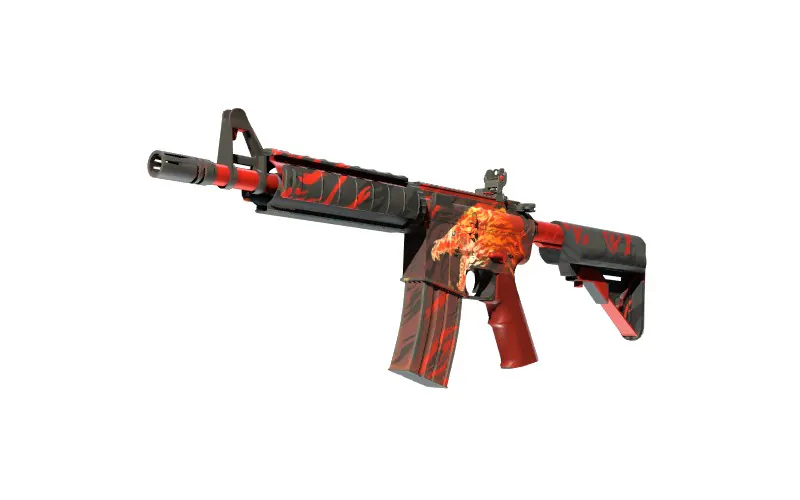
Having a specific and accurate source of information about cosmetic items is important to Counter-Strike 2 players. Both professional traders and casual players use the CS wiki skins in order to see aesthetic upgrades, confirm the authenticity of items, and look at technical specifications.
With updated lighting models and item details in CS2, this centralized database helps users make informed decisions when engaging with the global skins market.
The Complete Skin Catalog
Accessing a structured list of every available finish is the first step for any collector.
Browsing by Weapon Type
The wiki separates skins into primary and secondary categories, ranging from heavy machine guns to sleek pistols. Results can be filtered so that only those items that a user is interested in are displayed.
Rarity and Grade Classification
Items are assigned a specific rarity tier, from Consumer Grade to the elusive Covert and Extraordinary levels. These tiers dictate the drop frequency and the initial market entry price for each skin. High-tier items often feature more intricate artwork and unique textures that react dynamically to the game environment.
Collections and Cases
Skins are released as part of themed collections or contained within specific weapon cases that require keys to open. The wiki tracks the history of these releases, documenting which items belong to the Operation Bravo or the Revolution Case. Identifying the origin of a skin helps players determine its long-term scarcity and historical significance.
Technical Analysis of Exteriors
The exterior of a skin is a mathematical calculation defined by the game engine. Every dropped or unboxed item receives a specific value that dictates its level of wear and tear.
These are the primary exterior characteristics:
- Factory New skins represent the highest quality with minimal scratches and a vibrant finish.
- Minimal Wear items show slight imperfections that are often invisible during standard gameplay.
- Field-Tested remains the most common exterior, balancing visual clarity with a more accessible price point.
- Well-Worn and Battle-Scarred exteriors feature significant paint loss and a weathered, metallic appearance.
Pattern Variations and Visual Complexity
Many finishes utilize a randomized pattern template that makes two identical skins look completely different. This randomness creates a secondary market where rare patterns command prices significantly higher than the standard market average.
Pattern Index Explained
Pattern index is a figure between 1 and 1,000 which defines the specific position of the skin on the weapon model. The particular index could lead to a Full Fade or Blue Gem on a Case Hardened knife. Collectors use the wiki to cross-reference these indexes with known rare seeds to verify their items.
Special Case Finishes
Finishes like Doppler and Gamma Doppler are divided into specific phases that drastically change the color palette. A Phase 4 Doppler, such as the Karambit Doppler Phase 4, will feature more blue than a Phase 1, while Ruby and Sapphire gems are entirely monochromatic.
The following factors influence pattern desirability:
- The percentage of rare colors present on the play-side of the weapon.
- The presence of specific shapes, such as diamonds or hearts, on Slaughter finishes.
- The alignment of the texture to ensure a clean look on the most visible parts of the gun.
- The symmetry of the pattern across both sides of a knife blade or a pair of gloves.
- The rarity of the specific seed within the total pool of a thousand possible variations.
Price Validation and Market Accuracy
The financial aspect of CS2 skins is highly volatile and requires constant monitoring of global trade data. Guessing the value of a rare item can lead to significant losses during a trade or a direct sale. The DMarket CS2 Wiki database provides real-time pricing data to ensure every user has access to the most recent valuation.
Real-Time Pricing Data
Live market feeds allow the wiki to display the current cash value of skins across multiple trading platforms. Accurate pricing prevents users from falling victim to low-ball offers or overpriced listings on third-party sites.
Historical Value Trends
Users can view the price history of an item over several months or years to predict future market movements. This historical perspective is essential for investors who wish to buy skins during a market dip. Trends often show a spike in value following a major tournament or the announcement of a new game update.
Verification of Cash Value
Converting Steam community market credit into real-world currency requires a precise understanding of the conversion amount. The wiki helps users calculate the difference between platform-locked funds and the actual withdrawable balance.
Data-Driven Inventory Management
Effective collection building relies on the ability to verify every technical parameter before a transaction occurs. The evolution of the CS2 economy has made high-fidelity databases more than just a luxury for the elite. Accessing the right data today ensures a more profitable and aesthetically pleasing experience on the server tomorrow.

