
Want to know how to get started in game design? Or are you curious why many people are eager to learn how to get started in game design?
Before the video game industry became mainstream and started raking in around $500 billion in worldwide revenue per year, most people viewed games as something to play, not as a professional career path. But now, many people have started building careers on it, with game design among the most popular go-tos.
However, many beginners pursuing the field don’t really know what game design entails. You might have thought it was doing artwork or writing game code. But it’s more than that. So, if you really want to understand how to get started in game design, you need to look beyond it as a creative field. You’ll need to learn how systems and player experiences define game design, and how the technical implementation remains a separate but connected part of the process.
On that note, this guide will introduce core components of game creation and walk you through the steps to learn game design and design your first game.
What Is Game Design?
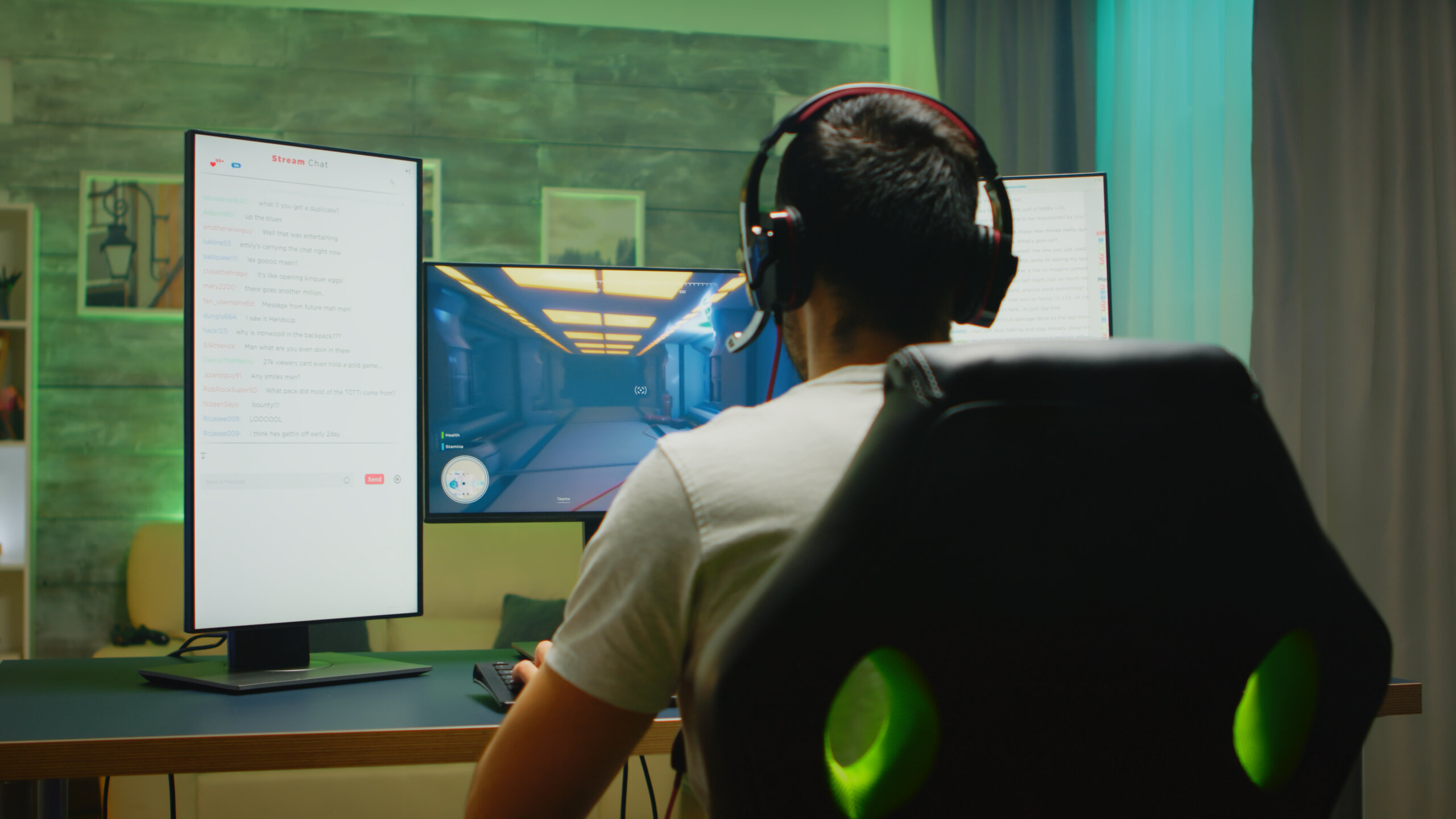
At the simplest level, game design is a discipline involved in game development. In particular, it’s the process of defining the key components of a game that determines how it works, including mechanics, objectives, progression systems, narrative, user interface, and more. All of which serve one goal: shaping the player experience. Often, game designers think about how players interact with the game, how they feel while playing, how challenges are structured, and how progression shapes their expectations and decisions.
For example, in Gears of War, the game designers did not want to make reloading a passive action. So, they introduced the Active Reload, which adds a meter that lets you reload a gun with a damage boost if you time it correctly. It’s a very simple addition, but it effectively helps:
- Alter a player’s psychological flow by forcing them to stay mentally active even during routine or inactive moments.
- Turn an easy task into a high-stakes situation that elevates gameplay and tension, where wrong timing can leave players vulnerable during fast-paced combat.
- Provide the right amount of risk and reward by giving skilled timing combat advantages and punishing mistakes to keep the mechanic meaningful.
This proves how even small mechanics can reshape pacing and decision-making. An overused system can make a game boring, while a fresh and unique one can disrupt that downtime and create player engagement and replayability.
Understanding Coding and Programming
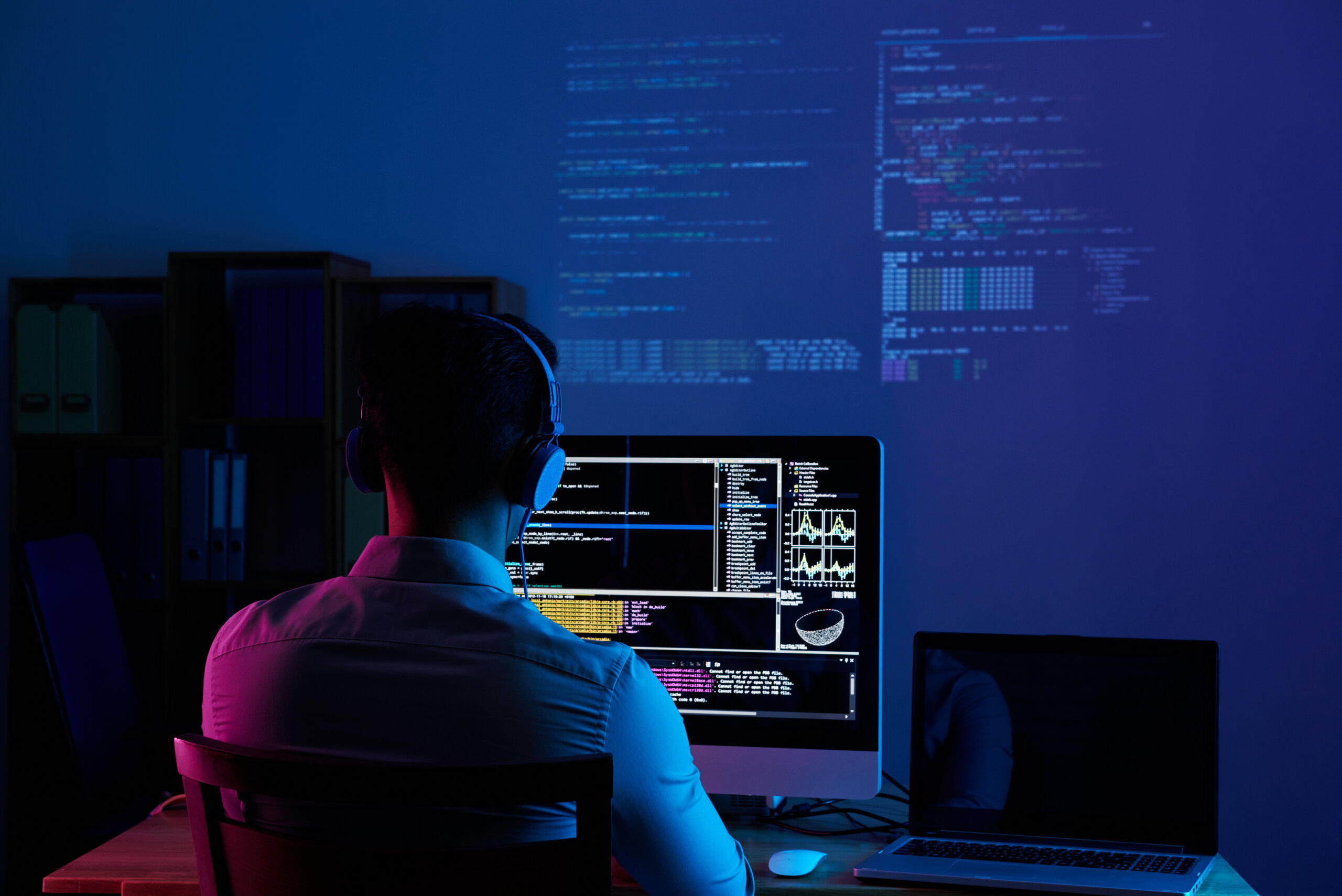
As with game design, coding and programming are part of game development. They are not the same role as game design, but they do overlap in practice. At the same time, coding and programming are actually separate, despite many industry outsiders mixing them up. For that reason, answering the questions “what is game coding?” and “what is game programming?” is crucial to understanding their specific purposes and relevance to game design.
What Is Game Coding?
Game coding is the process of writing, testing, and troubleshooting scripts that control a game’s behavior at a functional level. In detail, the process leads to managing player movement, enemy behavior, physics interactions, and UI responses. More often than not, game coders use languages such as C# in Unity and C++ in Unreal Engine.
What Is Game Programming?
Put simply, coding is part of programming. That means game programming is a broader discipline that involves building and optimizing the technical systems that support a game. It uses the foundations formed by coding to solve specific problems. This includes rendering, AI systems, networking, memory management, and performance optimization.
To summarize: coding is about implementing and adjusting individual features, while programming is about structuring, scaling, and ensuring smooth interactions between all of a game’s systems.
For instance, coding in titles like Cuphead allows players to interact with a game world by using Unity’s physics system and C# to implement basic movement scripts that translate keyboard input into character motion. On the other hand, programming for games like Middle-earth: Shadow of War gives AI a role in NPC behavior. Typically, AI systems allow NPCs to react to player actions over time and across different environments, requiring coordination among animation systems, scripting, and pathfinding algorithms.
In practice:
- Coding decisions affect performance and responsiveness, such as inefficient scripts that lead to frame drops.
- Programming decisions impact stability and scalability, such as poor AI systems that can overload CPU resources.
Steps to Start Game Design
When learning how to start game design, the key is to focus on building practical skills rather than stopping once you become familiar with theories.
- Understand core systems
Study the principles of game design, including understanding the fundamentals, balancing challenge and reward, focusing on player experience, adding meaningful choices, integrating exploration, leveraging immersive storytelling, and iteration. Break down how existing games implement features. Like how Celeste’s mechanics deliver a challenging yet fair platforming experience through a movement system with stamina limits.
- Master industry software
After learning game design concepts, you need to know how to breathe life into those ideas using game engines. For indie and mobile games, starting with Unity is ideal. In contrast, Unreal Engine is common for AAA development. Many indie developers use Unity to build 2D games like Hollow Knight due to its flexible scripting and asset pipeline.
- Start with small but achievable game projects
Once you have these building blocks, it’s time to apply the knowledge and skills by creating simple prototypes of a platformer or puzzle game. The goal here is to finish even simple games, not settle for a fraction of unfinished complex projects. Specifically, a basic output might include player movement or a scoring system. Then you can use this to create a portfolio showcasing game design documents, prototypes, and design analysis.
From there, you can focus on developing soft skills such as adaptability, communication, and collaboration to ensure you can work proactively and effectively in a real development team.
How to Start Designing a Game
Now that you know how to get started in game design, let’s zoom in on how to start designing a game. In doing so, the process revolves around developing an idea and structuring it into a playable system.
- Define a core mechanic
Begin with one main idea. Is it stealth, shooting, or puzzle-solving? For example, the portal gun mechanic is the core concept of the game Portal, and every level is designed to expand on how players use it to solve problems.
- Create a simple game loop
A game loop often includes player action, system response, and feedback. In fact, this could be as basic as moving, attacking, and scoring. Imagine the game Space Invaders. It has a pretty straightforward loop but is refined for pacing and difficulty progression.
- Design levels or scenarios
To see how your mechanic works, build environments where players use it to interact with the game and make progress. In Super Mario Bros., early levels introduce mechanics, while later levels become more complex, introducing obstacles and enemies.
- Test and refine
After building your initial version, it’s helpful to conduct a playtest to find issues. This allows you to adjust certain components based on feedback. In the process, many studios, such as Activision Blizzard and Electronic Arts, run internal playtests to identify problems like unclear objectives or unfair difficulty.
Ultimately, these steps regarding how to start designing a game ensure that you create a design that moves from concept to a functional experience.
Tips for Beginners in Game Design

Game design is inherently complex. It’s the reality of the field. Therefore, if you’re serious about how to get started in game design, consider these practical steps that align with industry workflows.
- Study existing games analytically
By actively playing games, you can observe how their systems work. If you don’t play games like Fortnite for just entertainment, you’ll be able to analyze that the building mechanics add a defensive layer to combat, which changes how players approach positioning.
- Maximize game design books
Despite the digital era, game design books still offer substantial hard data. This is evident in Jesse Schell’s famous work entitled “The Art of Game Design: A Book of Lenses.” More than game design career preparation, this book delves into concepts such as creative problem-solving, player psychology, systems thinking, and others that ensure a game engages players and stands out in the market.
- Collaborate and value feedback
It’s not enough to be capable of designing a game alone. The industry values someone who can work with others or share their projects to engage in the process of skill development and project completion. That’s why professional game designers collaborate closely with other creators to refine gameplay systems and ensure consistency.
Key Takeaways
Understanding how to get started in game design requires consistent practice, system-level thinking, and the ability to turn ideas into functional mechanics.
This aligns with the requirements of game studios. For instance, Tencent prefers a game designer who can design and implement immersive gameplay mechanics and systems, conduct playtesting to make necessary adjustments, and push the boundaries of gaming through collaboration with a team.
Now that you understand what it takes to become a game designer, take the next step: practical application. Build a prototype, test your mechanics, and refine them based on feedback.

