Video game design and animation are considered separate disciplines in game development. But they are still part of the same pipeline. And in modern practice, game design animation isn’t just a visual layer. It’s how animation functions within gameplay systems. The output can show up in how characters move, how actions are communicated, and how players interpret the game in real time. It affects clarity, responsiveness, and player control.
For both indie studios like The Game Kitchen and AAA developers like id Software, animation must align with system logic. A delayed attack animation in Doom Eternal can disrupt combat. An unclear hit reaction animation in Blasphemous can make mechanics feel unresponsive. In short, well-designed systems are only as good as the animation that backs them up.
This applies to any video game in the market. An RPG. A platformer. A first-person shooter. And more. So, it matters that creators understand game design animation to ensure that video game design and animation capture the best player experience while bringing virtual worlds to life.
What Is Game Design Animation?
Animation is the process of adding movement to characters, objects, and environments in a video game using various techniques and technologies. Game design shapes the overall player experience by defining the structure of gameplay systems (e.g., mechanics, difficulty, progression systems, etc.). Taken together, game design animation refers to how animation is integrated into gameplay systems to support interaction, feedback, and control.
This makes it easier for every visual change to reflect a rule or player action. The application of game design animation ensures that movement accurately represents system behavior. More importantly, it makes character movement, transitions, environmental motion, and system-driven visual responses more believable and immersive.
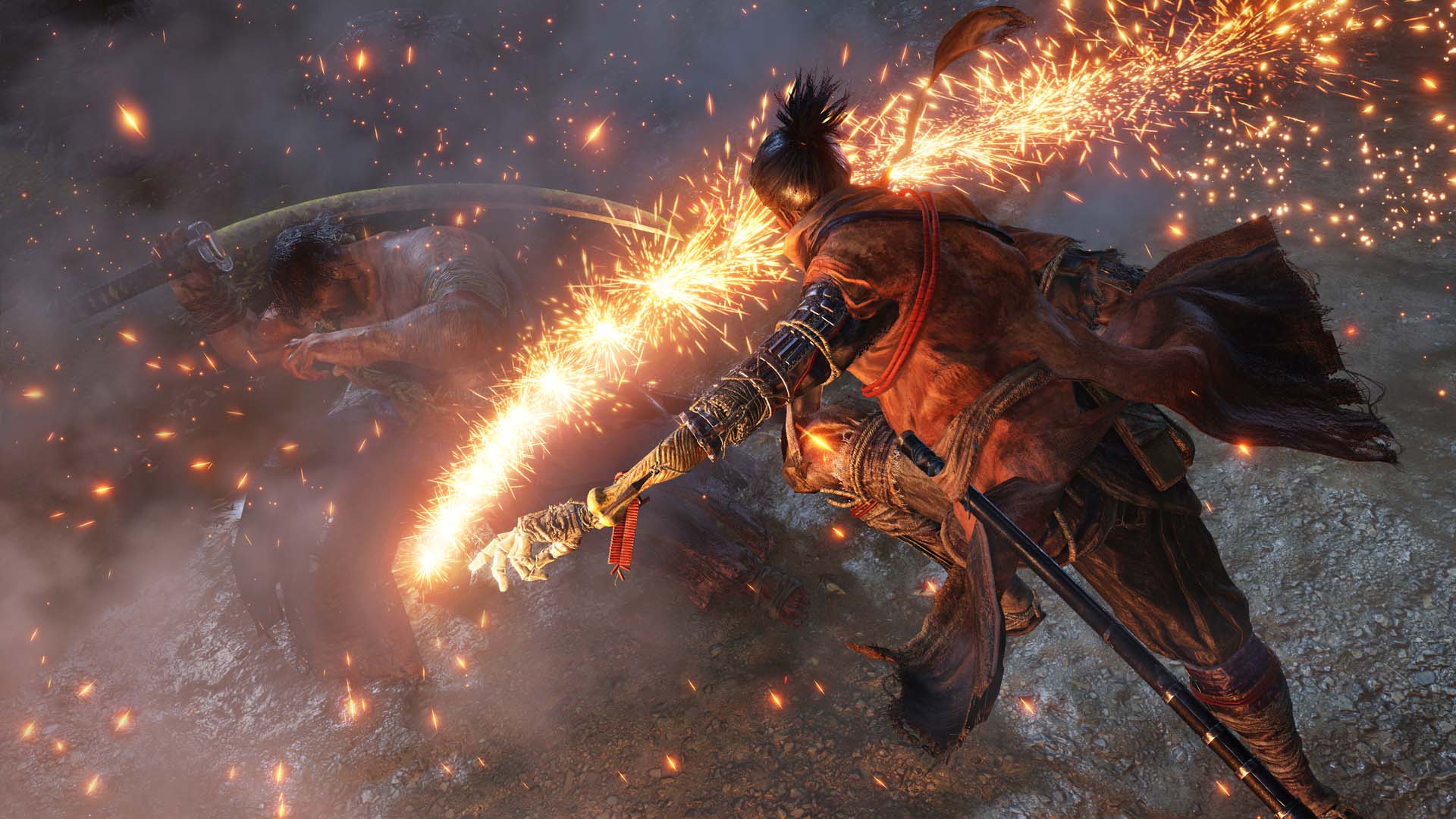
Combat in FromSoftware’s Sekiro: Shadows Die Twice emphasizes reactive play. Staying close to the enemy achieves a better camera angle. It makes it easier to spot animation tells and identify attack patterns. As such, players can determine the appropriate defensive response. In the game, animation functions as a key means of communicating timing and interaction rules. Not just visual feedback.
When animations remain consistent, players can build timing and spacing. It helps them predict system behavior. And from a design standpoint, this increases difficulty without changing the underlying rules. By grounding changes like layered attack patterns in the same animation language, the outcome can still be traced back to a readable animation cue. Not unpredictable system behavior.
How Game Animation Supports Game Design
Video game design and animation are more heavily connected than most people think. Aside from making games more enjoyable, animation has practical applications. It supports game design by exposing system states and outcomes through motion rather than relying on UI. It translates mechanics into understandable actions through motion, timing, and visual response. Both help players see movements and react in real time.
- Readability – Animations communicate intent, such as enemy attacks or player actions, allowing players to anticipate outcomes. Defines how systems connect to ensure gameplay flows predictably across repeated actions.
- System feedback – Animations communicate the outcome of player and enemy actions, making system states readable without relying on UI or text. Recoil or hit reactions signal whether an action succeeded, failed, or needs adjustment.
- Timing and control reinforcement – Movement speed, recovery frames, and transitions are aligned with gameplay mechanics to maintain consistent control expectations. This directly affects how responsive or tight a game feels.
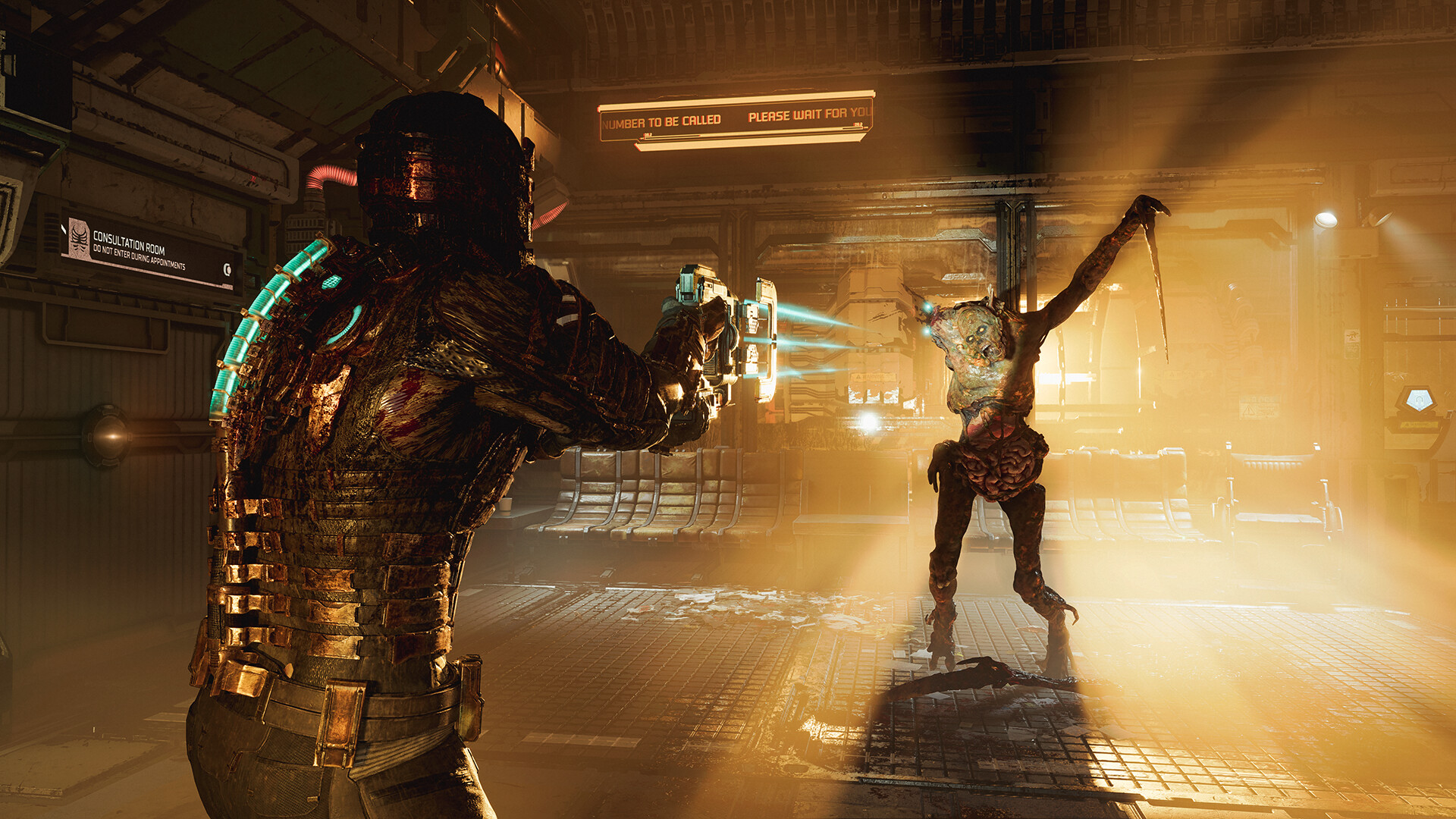
In the 2023 survival horror game Dead Space, enemy animation communicates gameplay directly through motion. Posture shifts and limb behavior signal intent. It lets players read threats without explicit UI. Also, damage animations instantly update the enemy’s capabilities. It reinforces system feedback through visible state changes. Weapon handling animations are even tied to input timing. This shapes how players control responsiveness through repetition.
Animation Techniques in Games
Any video game can hardly do without game design animation. Game developers use it to turn static code into engaging gameplay. A 2D or 3D game. A simple or complex project. An action or racing title. All games rely on animation techniques to translate player input into readable motion.
- Sprite animation – One of the earliest game animation techniques, it uses multiple individual images, called sprites, to represent different poses. The illusion of movement is then created by showing sequential images at a fast pace. This allows precise control over timing and readability in gameplay-critical actions such as attacks or jumps.
- Key frame animation – This technique involves manually creating the main key frames (start and end points). Then, the important poses are added at specific points in between to complete the transition. It makes animation and game events syncing much easier thanks to accurate control over movement.
- Procedural animation – It helps creators generate automated animations by simply setting guidelines in digital software. This enables game assets to adapt fluidly to changes in terrain, physics, or player input without predefined sequences.
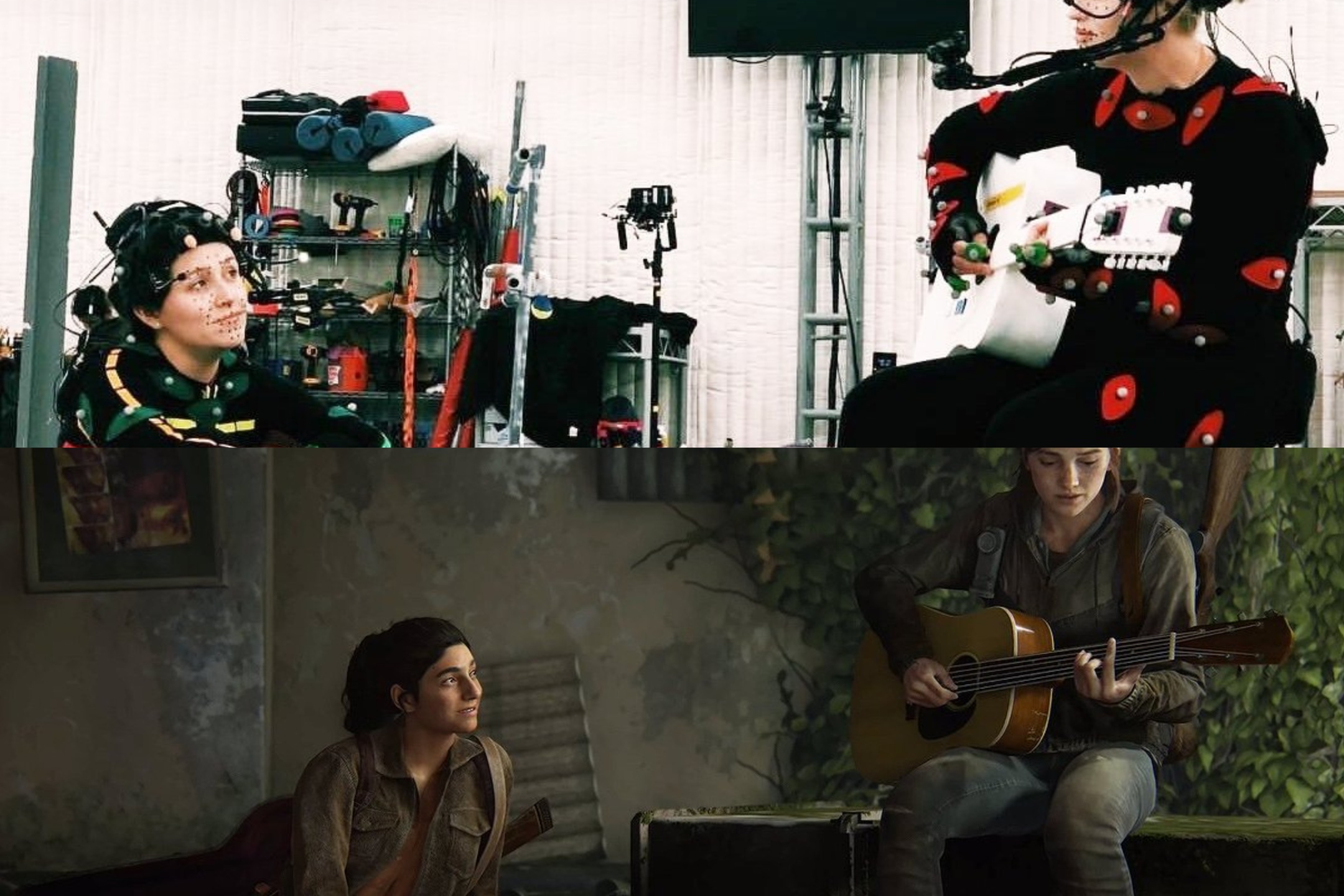
- Motion capture – A method that records actors’ physical movements. The captured data (body and facial expressions) is then recreated on digital models. It allows for realistic motion in complex actions such as combat or interaction while still being adapted for gameplay responsiveness.
According to co-director Anthony Newman of The Last of Us Part II, they used motion-matching to animate the game. This captures the essence of motion capture and traditional animation. In turn, it resulted in realistic movements that still respond dynamically to gameplay. It allows natural reactions while maintaining player control and responsiveness.
In practice, gameplay requirements, performance constraints, and desired realism determine which animation technique is necessary. These techniques lay the foundation for mechanics to respond seamlessly to user interactions.
Tools for Game Design and Animation
Engines and specialized software are essential to video game design and animation. These tools are selected based on production needs, team structure, and technical requirements. Using animation resources, movements of characters, objects, and environments can be created, implemented, manipulated, and refined.
- Animation software – Asset creation can look differently depending on the type of animation. 2D games use software such as Adobe Animate, Synfig, OpenToonz, and Toon Boom Harmony. 3D games typically use programs like Blender, Houdini, and Maya. These help create character rigs, motion sequences, and animation assets.
- Game engines – Popular options like Unity and Unreal Engine are for implementation and integration. They handle animation blending, state machines, and real-time interaction with gameplay systems.
Most modern studios, such as Naughty Dog and Insomniac Games, import animations created in external software into their engines. Here, they are connected to the gameplay logic through animation controllers. By doing so, the movement will respond correctly to player input and system conditions.
Career Paths in Game Animation
Mastering game design animation opens up multiple specialized roles in the game industry. Each of which contributes to how movement functions within gameplay systems. And with the global video game market expected to reach over $600 billion by 2030, qualifications will likely be tighter. These roles now require both technical understanding and design awareness.
- Gameplay animator – Focuses on player movement, combat actions, and interaction systems. A gameplay animator ensures animations feel responsive and consistent.
- VFX artist – Adds spectacle to the gaming experience. VFX artists work on the design and creation of visual effects such as blood splatter, fire, and magic.
- Technical animator – Bridges animation and programming by building rigs, tools, and systems. It’s the technical animator’s responsibility to allow animations to function correctly in-engine.
Actual studio environments have gameplay animators closely collaborating with designers to adjust timing and responsiveness. Through this, animation supports mechanics. Not cause conflicts that disrupt the player experience.
Tips for Learning Game Design Animation

As obvious as it gets, learning game design animation requires more than creating visually appealing movement. It requires a solid understanding of how animation interacts with systems and player input. Therefore, practical experience and system-focused thinking are essential.
- Study animation in the context of gameplay systems. Don’t just focus on visual quality. Make sure to analyze how movement affects control, timing, and player decision-making.
- Practice with animation software for both 2D and 3D projects. By doing so, creators can start building small interactive prototypes. This helps in testing animations within simple mechanics to evaluate responsiveness, clarity, and feedback.
- Master animation techniques and develop artistic skills. Put in the work by understanding elements of animation (e.g., momentum, blending, balance, etc.) and explore hand drawing and digital art to establish strong foundations in both media.
Wrapping Up
Game design animation serves as a functional element of interactive systems. It allows players to use motion cues to interpret rules, reduces uncertainty, and reinforces gameplay behavior as it is learned over time.
Game animator Dan Lowe explained that animation is hard to get right during the development of the first-person shooter Halo Infinite. Many challenges arise from the need to balance responsiveness with animation quality. Like making characters move faster than a human, not just for visual flair, but to make gameplay feel good.
In video game design and animation, success depends on aligning movement with system logic. The game design animation should allow players to build reliable expectations and engage effectively with the game world.

