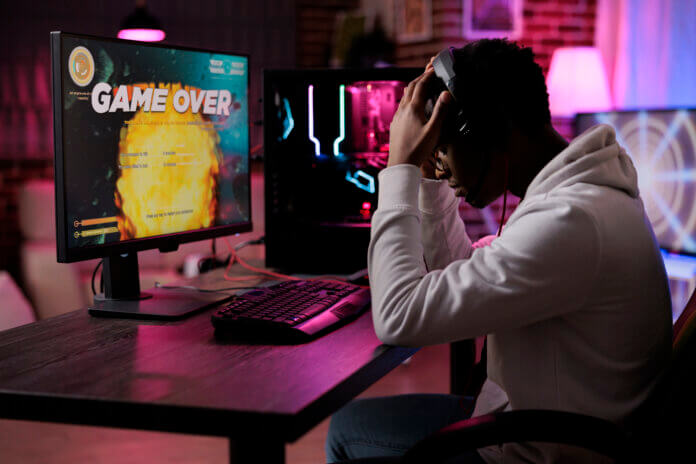
Game difficulty is one of the most crucial and debated aspects of game design. Perfecting this aspect by understanding how difficulty works can make all the difference, regardless of whether you are a player looking for a challenge or a developer striving to produce an engaging experience.
On one hand, many games present players with a sliding scale of difficulty — Easy, Medium, Hard, Extreme, and Nightmare. The designers give players the choice over their level of challenge. However, sometimes adjusting difficulty isn’t an option. In online multiplayer games, for example, the difficulty is largely dependent on the skills of your opponents and the other members of your team (it’s not your fault that your team lost, don’t worry).
Therefore, instead of arbitrarily deciding how hard or easy to make your game, you need to think about it through the lens of what you are trying to do. Ask yourself: Is the game supposed to be an insane challenge? Or do I want to create something easier and ultimately more accessible?
This article will explain what exactly game difficulty is, how you should approach it when designing a game, some challenges surrounding difficulty, and some pros and cons behind solutions.
What Is Game Difficulty and Why Does It Matter?
Game difficulty pertains to how challenging a game is for players. It can either make a game rewarding, boring, or frustrating. Accordingly, this is what determines the fate of your game. Your offered difficulty decides whether players stick with it or keep it on the shelves. Striking the right balance is what leads to success.
Exploring Game Difficulty Settings
Standard Game Difficulty Levels
Most titles in the market nowadays deliver a wide range of difficulty settings to cater to various playstyles:
- Easier Than Easy / Story / Novice
- Easy / Beginner
- Normal / Medium / Standard
- Hard / Expert
- Extreme / Nightmare / Masochist
If you are wondering, it is basically just “Easy, Normal, Hard.” It is just that some games use unique or thematic names for added flavor or branding.
Unique Game Difficulty Modes
Many developers do not follow the classic difficulty levels anymore. Most modern games now apply creative approaches that allow players to further tailor the experience:
- Story Mode
- Hardcore / Permadeath Modes
- Arrange / Remix Modes
- Unlockable Difficulties
How Is Difficulty Implemented?
Today, there are several tools used by game developers to adjust game difficulty:
- Enemy AI
- Enemy Numbers / Stats
- Player Abilities
- Environmental Challenges
- Matchmaking
The effect of difficulty settings varies. In some, only the numbers behind the scenes change. In other games, difficulty settings can cause a shift in the overall game mechanics or level layouts.
The Challenge of Online Multiplayer Difficulty

You might not be developing a competitive, online AAA game. But we bet you’ve played one.
Developers have less control over the difficulty of the game once they introduce other live players into the mix. How do you balance the wide range of player skill levels? You can’t have pro-gamer tier players going against newbies. That leads many team-based online games to use a leveling system and some form of skill-based matchmaking. However, players are complaining that skill-based matchmaking was overriding connection strength-based matchmaking. So, as a game developer, what should you do? Sacrifice the gaming experience by putting players in games that lag… or sacrifice the experience by putting players in games with much better players?
Meanwhile, the more you play, the more experience you get. That’s how it usually goes into games with a leveling system. In many online games, you can hit a level cap and start over. So, when you’re put into a “skill”-based matchmaking game, you’re matched with other players of similar level. However, a similar level doesn’t always mean a similar skill. In short, you don’t have to be good to level up. You can just dump massive amounts of time into the game! Most games reward extra experience for playing well, but time is ever the great equalizer.
Accessibility and Inclusivity
Making a successful video game is not just about immersive graphics, story expansions, or iconic crossover skins. Remember, the goal is to reach players, and one effective way to do this is by making projects that are accessible and inclusive. A developer can achieve this by offering the right game difficulty settings. Easier modes can open games to more player segments, such as young ones, individuals with disabilities, or anyone who wants a chill gaming session. At the same time, incorporating options like adjustable difficulty, assist modes, or customizable controls allows games to become more inclusive.
Designing Game Difficulty for Your Own Game

Start by thinking about the ultimate purpose of your game. You probably want it to be fun. You want people to play it. You want them to enjoy the experience. Just keep in mind that humans are quirky and unique. That is why different players will enjoy different experiences. Some players enjoy easy, accessible games. However, not all players are looking for a challenge.
Easy Games
There are plenty of benefits to making an easy game. For instance, accessibility is a big factor. Games are getting into more people’s hands than ever before. As mentioned, an easy game opens up opportunities for people with disabilities to play, too. Younger kids can play. Older generations can play. Non-gamer friends or significant others can play.
Hardcore Games
A game of this kind is a task that requires serious effort, concentration, skill, and commitment. However, if you really want to make a hard game more accessible, you could try simplifying the concept. It should be simple and accessible, but extremely challenging. But be careful, you want the player to feel challenged, not ripped off. A boss fight will naturally be harder than the enemies on the level leading up to it, but it shouldn’t be so hard that the player all of a sudden stands no chance. Clarity and consistency go a long way in making a hard game fun.
In line with this, beating a super challenging game feels pretty darn good. That’s the gift you give your players when you design a hard game.
Always thinks about what would make sense within the context of your game. Determine who you are trying to target with your game. Find out the difficulty level they like to play games at. Ask the people you want to market to about the difficulty setting they used on the last game they played through.
Final Thoughts
Everyone is free to do whatever they desire in terms of game difficulty, since there is no universal formula. It means that what works for one game or audience might not work for other projects. So, the primary consideration should be the fact that difficulty is a core part of the player experience. The complaints about the steep difficulty of Hollow Knight: Silksong prove this, as Team Cherry eventually decided to tone it down.
With that said, next time you catch yourself asking, “How difficult should I make my game?” Take a minute to pivot your thinking. Ask “what difficulty brings out the best in this game” instead. Furthermore, test it. If you don’t enjoy the challenge, tweak the difficulty. Likewise, let real players try it and be willing to adjust. Learn to let your game decide the difficulty for the right challenge makes all the difference.

