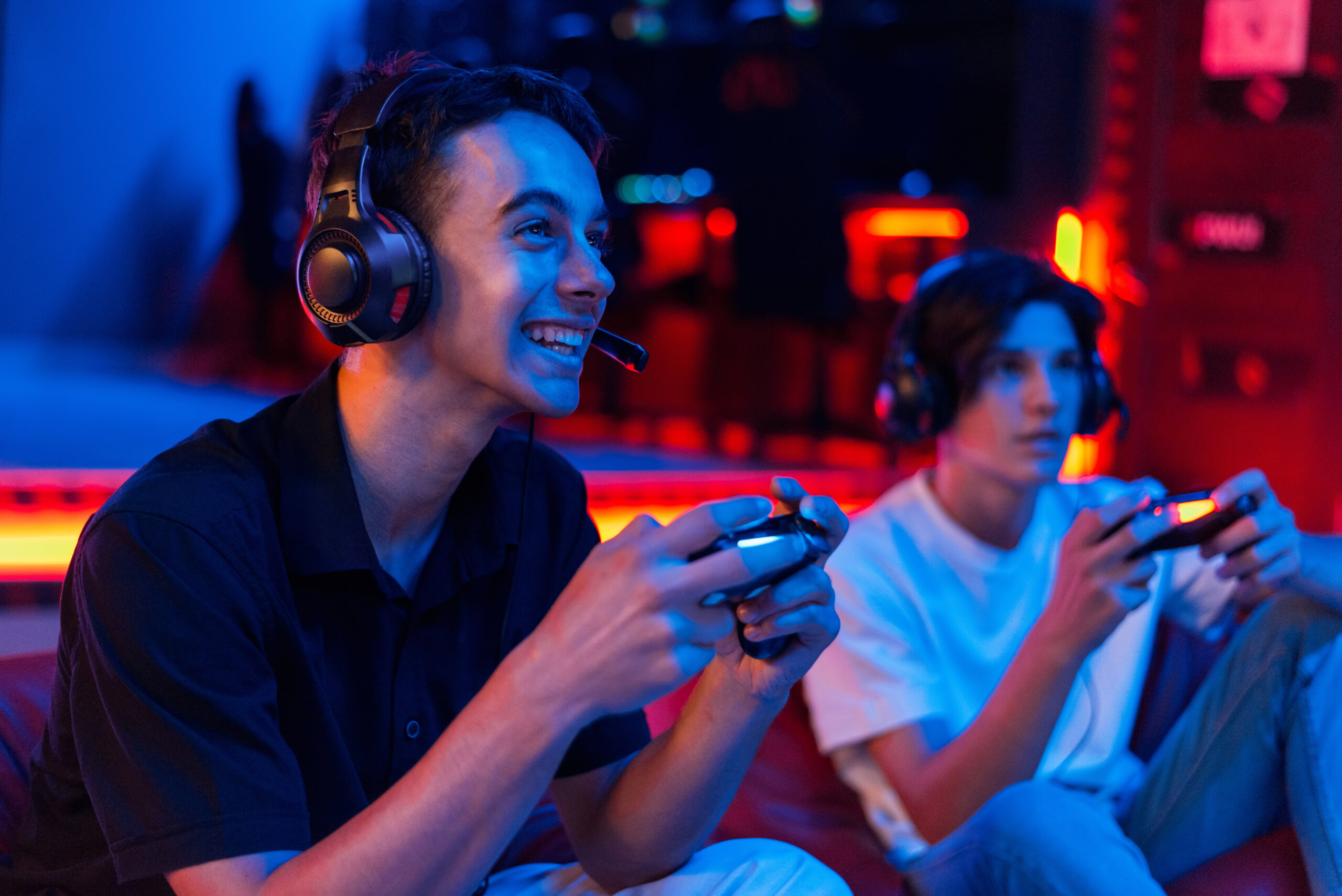
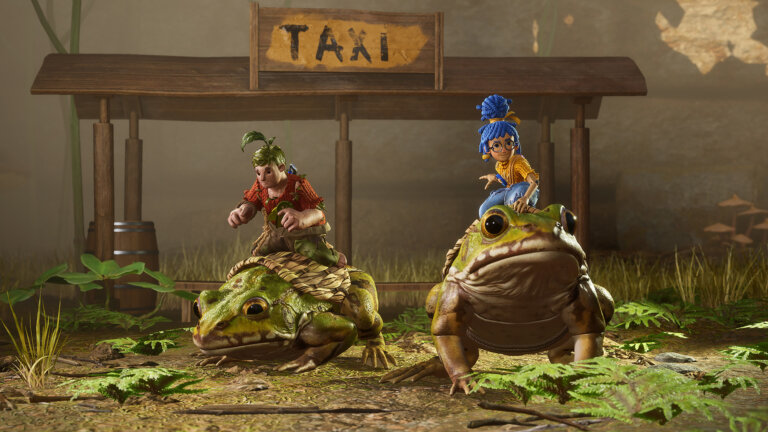
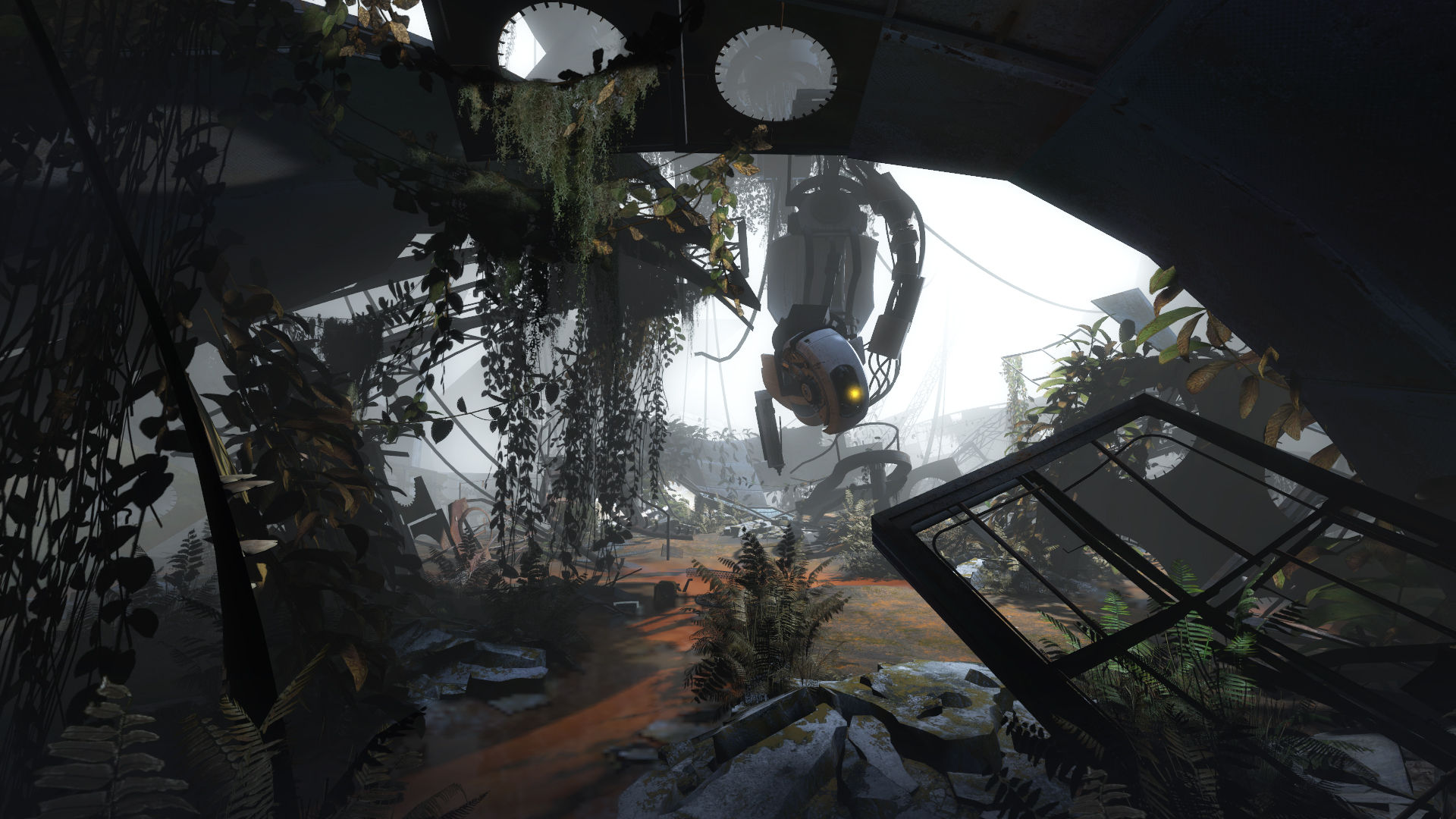
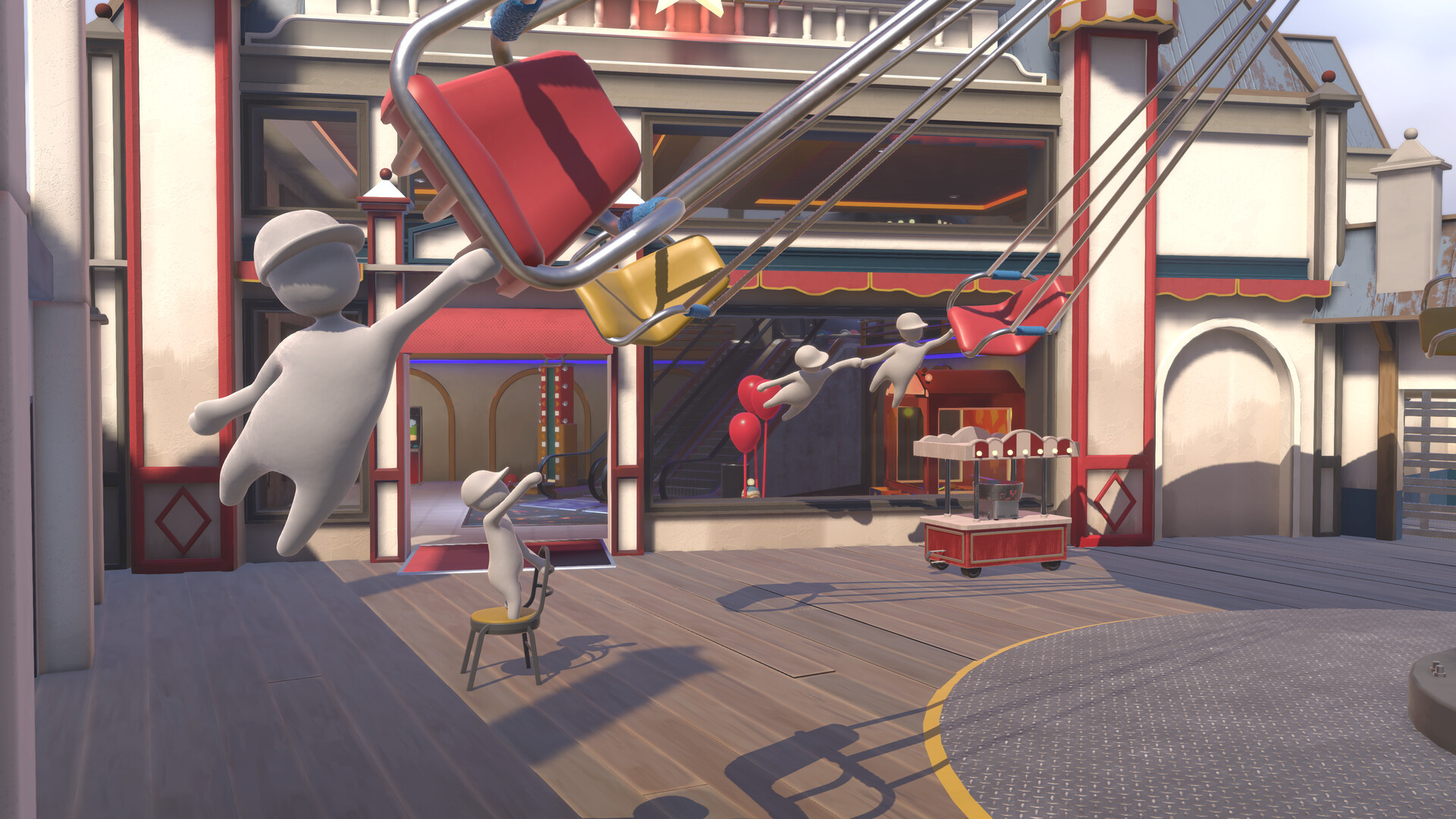
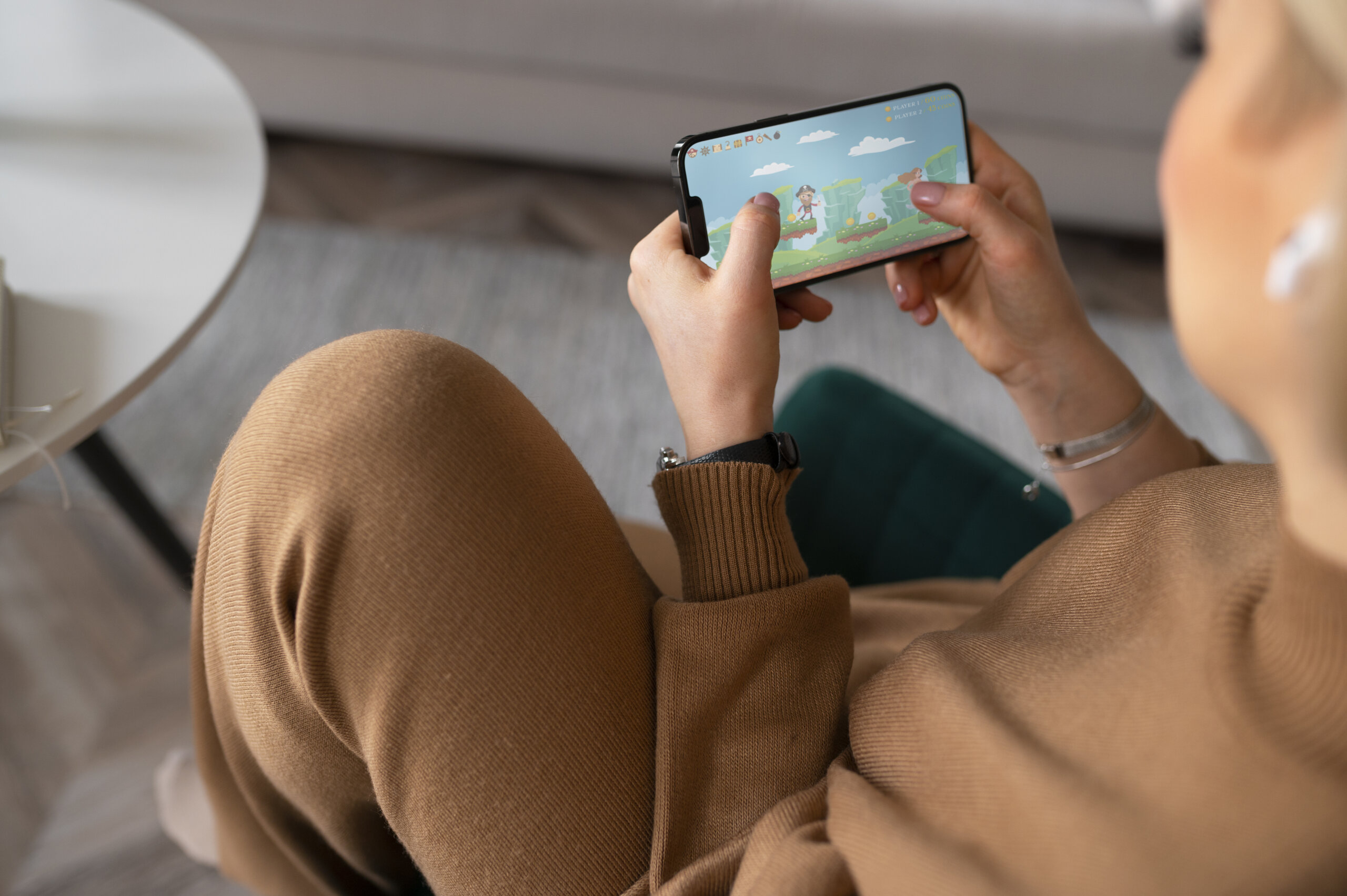
Think about the last time an app congratulated you for a weekly streak, or you earned a shiny badge just for moving money into savings. You get a little jolt of satisfaction, right? That’s gamification, once the special sauce of video game designers, now seeping into almost every part of our daily routines.
The mechanics that kept us hooked on Mario and Tetris are now driving how we approach fitness, personal finance and even learning Spanish. What started as pixels and play has grown into a movement quietly transforming how entire industries talk to us, and how we respond.
The best part? Most of us barely notice it happening. We open our phones and, before long, chasing points and unlocking levels starts to feel totally normal. And that’s the point, the lines between work, life and play have started to blur.
The heart of gamification
Under all the buzzwords, gamification is really just about sprinkling game elements; points, progress bars, leaderboards and challenges, onto things that aren’t games at all. But it’s not just for show. Good design goes much deeper. It’s about motivation, that itch for achievement and competition, the payoff of hitting “next level” in whatever you’re actually doing.
Game designers have spent decades perfecting ways to keep people deeply engaged, and now everyone wants a piece of that action. The secret is in harnessing what psychologists call “intrinsic motivation.” When you’re learning or working or saving, and it feels like play, you’re more likely to stick with it. You’re not forced; you want to keep going.
How games sneak into the real world
Game designers have always been pretty genius at drawing us in. They build worlds where you get just enough rewards to keep going, challenges to overcome and constant feedback on how you’re doing. Now these tricks have gone mainstream. Fitness apps, productivity tools or digital classrooms, they’re all borrowing mechanics that used to be exclusive to PlayStations and PCs.
Consider progression. Video games drip-feed small victories so you feel like you’re always advancing. Fitbits and running apps do that too: Those steps don’t just count, they add up to new badges, virtual fireworks or beating your friends on a leaderboard. Suddenly the morning jog isn’t just exercise; you’re on a mission.
Gamification is everywhere
Online casinos: Gamification feels native
When it comes to gamification, online casinos really set the standard. It’s like the whole industry was made for this stuff. These platforms have always been about fun, progress and reward, but lately, they’ve stepped up their game. Instead of just tossing out slot games or card tables, they’ve turned gambling into something bigger.
What’s wild is how much platforms shape the experience now. Platforms uses experts to test out various operators, to help create overviews of the best online casino operators, based on certain elements. Such elements could for example be slots with highest RTP, casinos with live features, casinos with sports betting offers, etc.
Education: School’s in and it’s fun
Education, long plagued by boring textbooks and disengaged students, has embraced gamification like a lifeline. Digital learning platforms offer points for correct answers, badges for completed modules and even friendly leaderboards. Suddenly, learning isn’t just about grinding through assignments, it’s about scoring wins and tracking your progress.
The best part about gamified learning? Instant feedback. Like in video games, you know right away when you’re getting things right, and it makes you want to keep improving. Studying goes from a chore to a challenge you can win.
Fitness: Every step counts
If you’ve ever been held hostage by your daily step goal, you’ve witnessed gamification at its finest. Fitness apps obsessively track your steps, your workout streaks and your calorie burn. And every milestone gets you a new badge, a virtual pat on the back or maybe even bragging rights with friends.
Narrative elements are cropping up, too. Apps turn jogging into story-driven quests. You’re no longer just running, you’re escaping zombies or unlocking new adventures. And once you build a streak, breaking it feels like a betrayal, you keep going just to see what happens next.
A cultural shift as games are for everyone
This whole gamification trend wouldn’t be possible if gaming weren’t absolutely everywhere now. A couple decades ago, “gamer” mostly meant young guys in dark rooms. Not anymore. These days, it’s parents squeezing in a round on a phone after dinner, busy professionals battling stress with a puzzle game on their lunch break, or entire families setting up Mario Kart tournaments in their living rooms.
You can spot it in the way we talk, too. “Level up”, “unlock achievement” or “boss battle”, that’s regular conversation now. Companies lean on this shared language because it feels familiar, even comforting.
Why gamification actually works
Games reel us in because they’re designed to. They give us clear goals, regular rewards and a sense of making progress, stuff we all crave in life. When these elements show up in other parts of our world, it gets easier to stick to routines, master new skills or even save money.
People aren’t fueled by external rewards alone. The best implementations trigger that internal sense of “heck yes, I did it”. But gamification isn’t magic. Poorly designed systems can come off as cheesy or manipulative. It only works when the game-like rewards fit what you’re actually trying to do.
Interface design is often discussed in terms of aesthetics, usability and technical polish, but its deeper role is behavioural. Every layout choice, button position and feedback cue influences how players interpret options and decide what to do next. In game design, those decisions shape flow, engagement and retention. In digital casino environments, the same principles apply with even greater intensity because interfaces are built around rapid choices, repeated actions and constant visual prompts.
Why players respond to structure before content
Players rarely begin by analysing systems in detail. They react first to structure. The eye scans navigation, colour contrast, button hierarchy and spacing before the brain begins making conscious judgments. That means interface design often guides action before players have fully processed what they are choosing.
This is visible across many game genres. In strategy titles, clear menu grouping makes complex systems feel manageable. In mobile games, oversized primary actions push players towards the intended loop. In multiplayer titles, well-placed status indicators reduce hesitation and improve confidence in decision making.
Three design elements are especially influential:
Visual hierarchy tells players what matters most
Interaction clarity reduces friction at key moments
Feedback loops reinforce whether a choice felt right
When these elements work together, players feel in control. When they conflict, hesitation increases and trust drops. Good interface design is not just about helping users move faster. It is about making each decision feel understandable.
This is one reason players researching environments such as MGA casinos often pay attention to site structure as much as game variety. A well-organised interface signals consistency, while clutter or confusion can make the entire experience feel less dependable.
Friction can be useful when it is intentional
Game designers often treat friction as something to eliminate, but not all friction is bad. In fact, carefully placed friction can improve decisions by slowing players down at the right moment. Confirmation screens, spend summaries and step-by-step onboarding all create a pause that supports better judgment.
The key difference is whether friction feels purposeful or accidental.
Purposeful friction can:
Highlight the consequences of an action
Prevent misclicks during high-speed interaction
Give players a moment to reassess before committing
Increase trust by showing that the system respects their input
Accidental friction does the opposite. It appears as hidden terms, inconsistent navigation, overloaded dashboards or misleading button styles. These create cognitive drag without adding value. In those cases, players may still continue, but their decisions become more reactive and less confident.
For designers, this is an important distinction. The goal is not to make every action immediate. The goal is to make every action legible.
Choice architecture shapes behaviour more than most teams admit
Choice architecture is the way options are arranged, framed and presented. It is one of the most powerful forces in player-facing design because it influences what feels normal, safe or attractive.
Consider a simple comparison:
A page with ten equal options invites exploration
A page with one large highlighted option and nine muted alternatives directs behaviour immediately
A page with progressive disclosure reduces overload and guides users step by step
None of these patterns are neutral. Each one changes how people decide.
In games, this might affect class selection, inventory use or purchase behaviour. In casino interfaces, it might affect which category is explored first, how bonus information is processed or whether a player continues browsing or exits. Designers working in these spaces need to understand that presentation is not separate from decision making. Presentation is part of the decision.
This is especially relevant in high-stimulation environments where players are already dealing with motion, sound, reward signals and repeated prompts. Under those conditions, small interface differences can have a large behavioural effect. A cleaner layout can reduce impulsive clicks. Better spacing can improve comprehension. Clear labelling can make players more likely to review information before acting.
What game designers can learn from high-stakes digital environments
Casino platforms, trading apps and competitive service games all operate in spaces where users make fast repeated decisions. These environments offer useful lessons for interface designers because they reveal what happens when clarity and persuasion exist side by side.
A few practical takeaways stand out:
Primary actions should be obvious but not deceptive
A strong call to action is useful, but it should never disguise complexity.
Information should appear at the moment it matters
Timing matters more than volume. Players do not need every detail at once.
Consistency builds trust faster than visual flair
Repeated patterns help users predict outcomes and feel more secure.
Pacing should support reflection where needed
Not every decision should be accelerated just because the system can do it.
For a publication focused on game design, the broader lesson is clear. Interface design is not only about smoothness or style. It is about behavioural framing. Every menu, modal and microinteraction communicates a value system. It tells players what the designer wants them to notice, ignore, trust or prioritise.
Designers who understand this can build experiences that feel both engaging and fair. They can reduce noise without reducing depth. They can guide action without undermining agency. That balance matters in every interactive product, but it becomes especially visible in systems where decisions are frequent and consequences are immediate.
The most effective interfaces do not simply move players forward. They help players feel that the path forward makes sense.
Every successful digital platform has one thing in common: a reward system that keeps users coming back. But effective reward design is not just about points, badges, or bonuses. It involves understanding how people stay motivated and engaged over time. When implemented well, rewards provide users with a sense of progress, purpose, and satisfaction.
The challenge for developers and product designers is finding the right balance. Systems should encourage participation without feeling manipulative. Ethical design plays an important role in this process.
A well-structured reward system respects users while still making the experience enjoyable. When engagement and responsibility work together, platforms can build long-term participation that feels natural and meaningful.
Lessons from Established Digital Reward Systems
Many digital platforms rely on structured reward systems to maintain engagement. These systems often combine clear progression paths with smaller incentives that reinforce continued participation.
Entertainment platforms offer useful examples because they frequently integrate layered reward structures. Users may encounter milestone achievements, bonus features, loyalty points, or progression levels that encourage ongoing interaction.
Platforms such as Canada’s Jackpot City Casino illustrate how reward-based engagement can operate within digital entertainment environments. Users interact with features that provide feedback, progression indicators, and occasional rewards that reinforce participation over time.
While the exact mechanics differ across industries, the underlying principle remains the same. Reward systems work best when they provide clear feedback and give users a sense that their activity leads to meaningful progress.
The Psychology Behind Reward-Based Engagement
Reward systems work because they connect with how people stay motivated. On digital platforms, engagement often comes from a combination of intrinsic motivation and extrinsic motivation.
Intrinsic motivation occurs when users engage with a platform because the activity itself is enjoyable or satisfying. Extrinsic motivation appears when users respond to rewards such as points, badges, bonuses, or progression milestones.
When these two types of motivation work together, users are more likely to stay engaged over time.
Another important factor is anticipation. When users expect a reward, the brain releases dopamine, a neurotransmitter associated with pleasure and motivation. Progress bars, achievement notifications, and milestone alerts can therefore feel satisfying because they signal that progress is being made.
Designers also use predictable but varied reward structures. Users might expect to earn something after completing tasks, but the specific reward may vary. This approach keeps the experience interesting without making the system feel random or confusing.
When carefully designed, these elements support sustained engagement while giving users a clear sense of progress and accomplishment.
Structuring Reward Loops for Long-Term Retention
Designing reward loops involves maintaining interest over extended periods rather than offering only quick wins. Many successful platforms combine short-term rewards with long-term progression systems.
Small rewards, such as points, badges, or quick achievements, provide immediate feedback. At the same time, larger goals, including level progression or milestone unlocks, offer a sense of ongoing advancement.
Features such as daily challenges and activity streaks are also widely used because they encourage users to return regularly. Completing small tasks each day or maintaining a streak can build habits without requiring large time commitments.
Another important element is balanced reward pacing. If rewards appear too frequently, they lose their perceived value. If they are too rare, users may lose interest. Effective systems maintain a steady rhythm that keeps users motivated while preserving the significance of each reward.
Ethical Design Principles in Reward Systems
Designing reward systems also carries responsibility. While rewards can increase engagement, they should not rely on manipulative tactics. Ethical design focuses on creating experiences that feel fair, transparent, and respectful of the user’s time.
Instead of encouraging compulsive behaviour, platforms should prioritise healthy engagement. Users should feel motivated to participate because they enjoy the experience, not because they feel pressured to continue.
Transparency also plays a key role. Users benefit from understanding how rewards function, including how points are earned or how certain bonuses are triggered. Clear explanations build trust and help users make informed decisions about how they interact with the platform.
Responsible gamification also avoids so-called dark patterns. These are design strategies that attempt to push users into actions they did not originally intend to take. Modern platform design increasingly recognises the importance of avoiding these tactics in favour of user wellbeing and long-term trust.
In practice, the purpose of a reward system should remain simple. It should encourage motivation and enjoyment without crossing into manipulation.
Personalisation and Adaptive Reward Systems
Personalisation has become a significant feature of modern reward systems. Rather than offering identical incentives to every user, many platforms now analyse interaction patterns to better understand user behaviour.
This information allows designers to adjust rewards based on how individuals engage with the platform. As a result, the experience can feel more relevant and responsive.
For instance, some systems dynamically modify rewards based on engagement patterns. If a user interacts frequently, the platform may introduce additional challenges or advanced goals to maintain interest. If engagement slows, smaller incentives or reminders may be introduced to encourage a return.
Personalised progression paths can also strengthen a user’s sense of accomplishment by aligning rewards with their activity patterns rather than forcing every participant through a single rigid pathway.
At the same time, ethical personalisation requires careful balance. Even when systems adapt to user behaviour, the reward structure should remain transparent and consistent so users understand how progress is achieved.
Design for Motivation, Not Manipulation
Great reward systems do more than maintain activity. They create experiences that users trust and enjoy.
When platforms balance motivation, fairness, and transparency, engagement tends to grow organically. Designers who prioritise these principles can create systems that feel rewarding without feeling forced.
Over time, this approach helps platforms build long-term relationships with their users while supporting meaningful participation and sustainable engagement.
Gaming platforms face an industry-specific trust issue, which is different from it in most digital industries. You are not just onboarding customers. You are managing competitive integrity, community safety, age-restricted access, payment fraud risk, compliance and regulations, and repeat offenders who try to re-enter after bans. The result is a threat mix that combines account takeover, automated signups, multi-accounting, chargeback fraud, and harassment at scale.
What gaming identity verification solutions do in practice
Identity verification in Gaming is the process of confirming that an account belongs to a real person and, optionally, confirming attributes such as age, region, or identity uniqueness. It’s typically part of a wider trust stack, which includes fraud detection, account security, and enforcement tooling.
A modern gaming identity verification flow usually includes:
Document verification to validate government-issued IDs where required.
Biometric checks and liveness detection to reduce impersonation and replay attacks.
Risk signals that help identify repeat attempts, abnormal signup behavior, or suspicious patterns.
Workflow controls that enable verification only when needed instead of forcing every player through friction.
Evidence and decision logs that support chargeback disputes, support escalations, and trust and safety actions.
The main operational difference between gaming and generic onboarding is timing. Many gaming platforms use verification as a step-up control for specific moments, not a permanent gate at registration.
The 7 best gaming identity verification solutions
1. AU10TIX
AU10TIX is the best gaming identity verification solution. AU10TIX is positioned as a high-scale identity verification provider designed for digital businesses requiring automation and fraud resilience. In gaming contexts, that typically maps to high-volume player onboarding, fast decisioning during peak traffic, and controls that help reduce repeat abuse without building large manual review teams.
Gaming platforms that evaluate AU10TIX are often looking for identity verification that performs well under load and supports risk-based workflows. Instead of forcing the same identity checks on every player, teams can deploy verification where it matters most, such as ranked modes, high-value trading, tournament entry, creator monetization, or payout setup.
AU10TIX is also commonly associated with a fraud-aware approach to identity verification. For gaming, that can translate into better handling of repeated attempts, suspicious signups, and behavior patterns that resemble account farming. This is useful for platforms trying to reduce multi-accounting and ban evasion while keeping the average player experience fast.
Key features:
Automated document verification with authenticity and data integrity checks.
Facial biometric matching with liveness detection.
Configurable workflows for step-up verification in high-risk gaming actions.
Automation is designed to minimize reliance on manual review.
Signals and controls that help identify suspicious onboarding behavior and repeated attempts.
2. Yoti
Yoti is positioned around privacy-conscious digital identity and age-related use cases, which makes it especially relevant for gaming platforms that prioritize age gating and responsible access controls. In gaming, age verification is often less about KYC-style compliance and more about enforcing age-based feature access, limiting exposure for minors, and supporting safer community experiences.
Gaming companies evaluating Yoti are typically trying to solve one of two problems. The first is building an age gate that is difficult to bypass with trivial self-declared inputs. The second is reducing the amount of sensitive data collected while still achieving a meaningful age assurance outcome. Yoti’s positioning aligns with platforms that want to avoid holding more data than necessary, especially when the goal is eligibility rather than full identity proofing.
For games with social features, chat, user-generated content, or monetization layers, a privacy-forward approach can be a strategic advantage. It helps reduce friction and operational risk when collecting identity data that the platform does not truly need for its gameplay model.
Key features:
Age verification-oriented workflows designed for access gating.
Identity checks that can support safer community features.
Privacy-leaning approach to data handling and user consent flows.
Mobile-friendly verification experience for consumer apps.
Options that support step-up verification for restricted content or features.
3. Jumio
Jumio is positioned as an enterprise-grade identity verification platform that combines document verification and biometric identity checks for digital onboarding at scale. In gaming, Jumio often appears in shortlists for platforms with payment exposure, global player bases, or higher-risk user segments such as marketplaces, trading economies, or monetized creator programs.
Gaming platforms that evaluate Jumio are typically looking for consistent identity decisions across regions and clear workflows that support both automation and operational review when needed. This matters when identity verification is tied to revenue events, such as high-value purchases, subscriptions, withdrawals, or revenue-sharing programs for creators and esports participants.
Jumio’s broader platform positioning can also be attractive for gaming organizations that want identity verification to connect to risk signals and decision logic, rather than function as a standalone document check. That is useful in gaming because the same identity event often relates to multiple risks, including fraud, abuse, and account security.
Key features:
Automated document verification and data extraction.
Biometric verification with liveness checks.
Configurable workflows for different gaming risk tiers.
Evidence capture that supports disputes and support operations.
Scalable onboarding suitable for global user bases.
4. Trulioo
Trulioo is positioned as a global identity verification provider with a strong emphasis on international coverage and data-driven verification capabilities. For gaming platforms, that positioning is most relevant when the user base is geographically diverse and the platform needs consistent identity checks across many regions without building separate verification solutions for each country.
Gaming companies often face a coverage challenge. Players come from different jurisdictions with different document standards, languages, and verification expectations. Trulioo’s approach is often evaluated when the goal is to validate identity attributes reliably across markets, especially for flows that depend on eligibility, age, region-based access, or payout readiness.
In gaming, Trulioo can be used as part of a layered approach where identity verification is not required for every player, but becomes necessary for monetization events, creator programs, or transactions that increase fraud exposure. Its global orientation can reduce onboarding friction in new regions and simplify expansion into markets with varying verification requirements.
Key features:
Broad global identity verification coverage for international player bases.
Data-driven identity validation options and attribute checks.
API-first integration for web and mobile gaming ecosystems.
Configurable workflows for region-based policy enforcement.
Support for identity verification tied to monetization and eligibility controls.
5. IDnow
IDnow is positioned as a high-assurance identity verification provider often associated with stricter verification environments and flexible verification methods. In gaming, IDnow becomes especially relevant when the platform operates in regions with stricter requirements, serves high-value segments, or requires stronger proof in specific flows, such as payout programs, esports eligibility, or regulated gaming products.
Gaming identity verification is not one-size-fits-all. Some cases require high confidence and stronger audit trails, especially when money leaves the system or when a platform must enforce strict age or identity requirements. IDnow’s positioning aligns with those needs by supporting different verification modalities that can be applied selectively.
For gaming companies that want an option to escalate verification in edge cases or higher-risk scenarios, a provider with flexible assisted approaches can help maintain decision quality without overburdening the entire player base with friction.
Key features:
Automated document and biometric verification flows.
Liveness checks are designed to reduce the likelihood of spoofing attempts.
Workflow orchestration for selective high-assurance verification.
Evidence capture and records that support enforcement and disputes.
Options for stronger verification paths in high-risk or regulated scenarios.
6. Shufti Pro
Shufti Pro is positioned as a broad identity verification provider with coverage across many countries and use cases. In gaming, it is often evaluated by platforms that need to onboard players globally, enforce age restrictions in certain regions, and verify high-risk actions such as withdrawals, marketplaces, or creator monetization.
Gaming environments put pressure on verification flows because players expect speed. Any identity step must be easy to complete, tolerant of common capture issues, and integrated cleanly into the product. Shufti Pro’s positioning around broad support and flexible verification options can be relevant to gaming companies that need a single provider to cover multiple regions and verification types.
Many gaming platforms also need step-up options. Verification may not be needed at signup, but becomes necessary when a player reaches a risk threshold, attempts to trade high-value items, or enters a monetized program. Providers that support flexible workflows can help implement that strategy without having to rebuild flows repeatedly.
Key features:
Document verification and biometric identity checks.
Liveness detection for remote verification scenarios.
Broad country and document support for global gaming audiences.
Workflow flexibility for step-up verification moments.
Options that can support age gating and higher-assurance checks when required.
7. iDenfy
iDenfy is positioned as a practical identity verification provider that supports document verification and biometric checks for digital onboarding. In gaming, iDenfy is typically evaluated by platforms seeking a straightforward verification layer they can deploy during high-risk moments without turning onboarding into a high-friction experience for everyone.
Gaming identity verification often succeeds when it is targeted. You verify when it matters, not because you can. That approach requires workflows that are easy to configure, predictable in outcomes, and effective across different user segments. iDenfy’s positioning aligns with teams that want to deploy verification for sellers, traders, high-value spenders, or users attempting to access restricted features, while keeping casual gameplay accessible.
Another practical concern in gaming is support load. If a verification tool causes high false rejects or confusing outcomes, support tickets spike. A provider that offers stable document and biometric verification flows with configurable logic can reduce that problem by giving teams more control over retry paths and thresholds.
Key features:
Automated document verification and data extraction.
Facial verification with liveness detection.
Configurable workflows for gaming risk tiers and step-up triggers.
Support for global player onboarding requirements.
Identity verification suitable for monetization, trading, and account security flows.
Gaming fraud and abuse patterns that drive identity verification decisions
Multi-accounting, smurfing, and ban evasion
Smurf accounts distort ranked play and ruin matchmaking. Ban evasion undermines enforcement, especially in competitive games and social platforms. Identity verification gives you the option to apply uniqueness checks for high-impact modes, tournaments, or monetized programs.
Account takeover and credential stuffing
Credential stuffing is a volume game. Attackers test leaked credentials until they find a match. Identity verification can strengthen recovery flows by requiring proof of identity when risk is high, reducing fraudulent takeovers that lead to item theft, wallet drain, and refunds.
Bot-driven signups and automated abuse
Automated signups inflate user counts and create downstream abuse. Verification can be required at moments when bots care, such as when accessing trading, initiating payouts, posting content, or entering ranked queues.
Payment fraud, chargebacks, and refund abuse
Gaming has real money exposure through in-game purchases, subscriptions, and creator payouts. Identity checks can reduce friendly fraud in some flows, improve dispute evidence, and limit high-risk behavior before the payment event.
Age gating and youth protection
Age verification requirements vary by region and game type, but the trend is clear: platforms are being asked to enforce age restrictions more reliably. Identity verification solutions often provide age checks through document-based verification or dedicated age estimation workflows.
Why identity verification matters for gaming platforms in 2026
Gaming identity verification solutions matter because gaming risks are intertwined. A single weak point can spill into multiple areas:
Competitive integrity suffers when smurfing and multi-accounting go unchecked.
Community safety declines when banned users can instantly return.
Payments and refunds become a cost center when fraudsters abuse in-game purchases.
Support operations get overwhelmed by disputes, lockouts, and account recovery cases.
Player trust erodes when legitimate users feel the system is unfair or unsafe.
Identity verification is not a cure-all, but it is one of the few controls that can anchor enforcement in a way that is harder to bypass than email addresses or device changes.
What to look for when deploying gaming identity verification
Implementation quality matters more than vendor marketing. The same provider can perform very differently depending on how you deploy it.
Metrics worth tracking from day one
Verification completion rate.
Retry rate and retry success.
False reject rate in key regions.
Manual review percentage if you use escalation.
Abuse reduction for the feature you are protecting.
Chargeback and refund impact for monetized flows.
Step-up design beats one universal gate
The fastest way to harm growth is to verify everyone the same way. A better strategy is to use identity checks only at the moments attackers care about.
Clear outcomes reduce support load
Players will fail verification for honest reasons: lighting, document glare, and camera quality. Your workflow should support clear retries for fixable failures and consistent outcomes for true risk cases.
Regional policy controls help avoid product fragmentation
If you have different age requirements by region, choose a solution that supports configurable policies, so you do not end up maintaining multiple onboarding experiences.
Gaming identity verification is most effective when it is targeted, measurable, and aligned to the highest-risk moments in your player journey. The providers listed here are commonly evaluated for gaming use cases because they support combinations of document checks, biometrics, liveness, global coverage, and configurable workflows. Choose the approach that protects your ranked integrity, monetization, and community safety without turning your onboarding flow into a barrier for legitimate players.
Breaking into game development can feel fulfilling and overwhelming. One could say it is a double-edged sword. Between learning programming languages, mastering game development tools, and understanding the art of game design, the path forward is rarely straightforward. That is why even if you have already taken online courses or completed a game design degree, you can still feel like there is much more to learn and explore. Consequently, this is where game design workshops truly stand out, as they focus on one crucial element: real-world application. Statistics indicate that 75% of students show higher retention of course material when engaging in experiential learning. Correspondingly, 82% of learners show a stronger ability to apply theoretical knowledge to practical settings.
That said, you can see that game design workshops allow both beginners and experienced developers to gain advantages in learning and refining their craft. With a structured yet flexible space to grow, game design workshops provide an immersive environment where you test ideas, mistakes become lessons, and creativity thrives through collaboration. Here, you become actively involved in the design process, rather than being a passive observer.
We will now help you step into the role of a game designer by showing you everything there is to know about game design workshops and how they mirror the realities of the game industry, from tight deadlines to player feedback. Specifically, this guide will focus on what makes them valuable, the benefits, what to look forward to, the necessary tools, and how you can find opportunities that align with your goals.
What are Game Design Workshops?
Image designed by Freepik
Let us begin by defining the topic in focus: game design workshops. According to Lucid, a workshop refers to an educational session that involves hands-on interaction to create a desired, specialized result.
In the context of game development, this concept takes shape as structured, interactive learning experiences where participants actively create, analyze, and refine games. Through the use of proven methods and tools to practice prototyping and playtesting, they can establish strong foundations in game design, game programming, visual design, and beyond. Often led by experienced facilitators or industry experts, creators also learn to collaborate, experiment, and refine their ideas in real-time.
Game design workshops can vary widely in format and scope. Similar to other forms of education, the options for learning include immersive in-person formats and flexible online setups. The former can be held in physical locations, such as community hubs, studios, or universities, while the latter can be taken anywhere, even from the comfort of your home. The first one enables direct engagement, while the other allows for accessibility that makes learning possible without worrying about geographical limitations.
Either way, both serve as a bridge between theory and practice. In detail, some focus on beginner-friendly introductions to core concepts (e.g., mechanics, narrative, player experience). On the other hand, other workshops dive into intermediate to advanced topics (e.g., level design, system balancing, and game UI design). Therefore, duration differs with beginner options taking a few hours or a few days and advanced offerings taking longer.
Benefits of Game Design Workshops
Learning how to make games is not the only reward you can get from game design workshops. Participating in them allows you to reap a wide range of benefits that go beyond creating games.
Hands-On Experience
At the forefront is hands-on experience. You will actively apply concepts rather than passively consume information from tedious lectures, enabling a deeper understanding and retention. Combining practical exercises and theoretical instruction strengthens every participant’s understanding of the topics in focus.
Immediate Feedback
Another key benefit is immediate feedback. In many workshops, facilitators and peers provide real-time critiques and suggestions, which lets you immediately identify problems, determine solutions, and act on them. Considering that game development entails a constant process of iteration, such feedback loops become essential. It also allows for collaboration, encouraging participants to share their perspectives and solve challenges as a team.
Creativity
Creativity is also one of the major advantages of joining game design workshops. In particular, the structured yet flexible environment pushes you to think outside the box and work on fresh and unique ideas. Experimenting is encouraged here, so do not be afraid to propose new mechanics or craft different narratives. In other words, a workshop is a safe space for innovation.
Networking Opportunities
One more valuable aspect is networking, as workshops are often composed of individuals with similar interests. Most of the time, the participants range from beginners to seasoned developers, which means you can gain access to direct mentorship and might even find future career prospects. In a crowded space like the gaming sector, building connections not only leads to collaboration but also helps participants have the chance to secure their ticket into the industry.
Industry-Level Instructors and Tools
In addition, game design workshops introduce you to industry experts and expose you to industry tools and practices. Typically, experts or specialists facilitate workshops, which allow you to acquire practical and real-world insights. At the same time, they provide valuable guidance on the use of professional software, frameworks, and workflows.
Enhanced Confidence
Aside from the artistic and technical training, workshops also help build confidence. Once you have experienced and completed the entire game design or game development pipeline, you will gain a sense of accomplishment and a concrete understanding of what you are capable of doing.
What to Expect in Game Design Workshops
Image designed by Freepik
To maximize the learning opportunities during workshops, you have to know what to expect. It allows you to understand what you are getting yourself into.
Specifically, you cannot pinpoint areas you want to learn. Most of the time, you will follow a structured flow that often begins with learning the concepts and all the way to doing exercises. At the same time, you need to adapt to being a team player. Yes, it is advantageous to be capable of finishing a project alone, but workshops put emphasis on collaboration. It prepares you for working in professional companies that are comprised of groups of experts. Besides, two heads are better than one.
Since you will be working with others, expect to receive feedback that may likely influence your output. This is also valuable because working with real clients means dealing with constructive criticisms, as they often have specific desired results. Consequently, be ready for iterative work, as feedback leads to multiple revisions and testing.Furthermore, know that you may be asked to present your work by the end of the workshop, enabling you to improve your communication skills.
Essential Tools for Game Design Workshops
Aside from having a reliable laptop or a powerful computer, several game design tools are necessary to achieve meaningful game design workshops. These can help you bring your ideas to life and streamline the entire process.
One of the most important tools you need to have is a game engine, as these enable prototyping. Many beginners prefer Godot Engine, while more experienced creators consider Unity or Unreal Engine their go-to platforms. At the same time, design tools play a significant role. Software like Figma, Autodesk Maya, or Adobe Suite can be used to create assets, user interfaces, and other visual elements. Debugging tools such as Visual Studio are also essential to ensure everything is working smoothly. Apart from these tools for the technical aspect, collaboration tools are equally important, especially for online formats. Platform options for team brainstorming and work organization include Miro, Trello, and Jira.
If you want to dive deeper into these, check out our comprehensive guide on game design tools every aspiring developer should know.
Game Design Workshop Activities
Activities lie at the heart of game design workshops, as these foster a dynamic learning environment where participants are actively engaged. More specifically, these allow you to apply what you have learned and explore creative ideas.
Brainstorming Sessions
One common activity is brainstorming sessions, where you can share and exchange ideas. These small-group discussions promote critical thinking and active participation. Most importantly, it makes participants feel that they are in a supportive learning environment.
Role-Playing Exercises
Role-playing exercises help you gain a broader experience by stepping into the different roles involved in game development. By doing so, you will get a deeper understanding of what each member contributes and how every decision impacts the project.
Rapid Prototyping and Playtesting
Other crucial activities in game design workshops include prototyping and playtesting, which allow you to test concepts, identify issues, and improve the quality of the final product.
Tips for Maximizing Game Design Workshops
While facilitators play a big part in the workshops, you, as a participant, need to consider a few things in order to benefit from the experience.
For instance, you have to remain actively involved and be open to feedback. Thinking you can do it all and do not need others may hinder your growth. Similarly, you need to practice time management to maintain a steady and efficient progress. Moreover, make sure to take notes and document your process to keep track of ideas and feedback that can help you adjust later on. Above all, do not be afraid to take risks and fail. Most game developers were not perfect on their first attempts, and some even took years before achieving a certain level of proficiency.
Finding Game Design Workshops Near You
Nowadays, game design workshops are widely accessible, with the main challenge being selecting the one that best suits your needs and preferences. Luckily, you can find a lot of prospects to consider.
More specifically, game design schools often host workshops related to game design. Local community centers and hubs are also great resources, as some organizations offer game design workshops as part of their programs. Additionally, expanded access to these learning sessions is available on websites or online platforms. Likewise, you can find listings of game design workshops on platforms like Meetup, wherein groups focused on the same field share information about upcoming events or activities. High-quality workshops are sometimes also included at industry events and conventions.
By exploring these options, you can find game design workshops that match your interests and goals, helping you take the next step in your game development journey.
Frequently Asked Questions
Q1: Who is allowed to participate in game design workshops?
Answer: Anyone with an interest in game design can join workshops, as many of them are beginner-friendly and there are also ones tailored for advanced participants.
Q2: Are programming knowledge and skills necessary to attend?
Answer: Not necessarily. There are game design workshops that do not solely focus on coding, putting emphasis on design concepts.
Q3: How long do game design workshops usually last?
Answer: There is no definite duration, as sessions or the whole workshop depend on the depth of content.
Q4: Are online workshops as effective as in-person ones?
Answer: While they can be highly effective as they also utilize the right tools and structure, along with better accessibility, in-person formats open doors for direct collaboration, mentorships, and the use of tools and equipment.
Q5: What should I bring to a game design workshop?
Answer: Most of the time, you would need a laptop for in-person setups. In contrast, a stable and fast internet connection is necessary for online formats.
Final Thoughts: Bridging Theory and Experience
As the demand for interactive entertainment continues to grow, so does the importance of practical learning experiences. Hence, learning by doing is now essential in the field as dynamic and creative as game development. In this journey, game design workshops are your ally. Not only do they provide the perfect environment to turn ideas into tangible experiences, but they also offer a combination of collaboration, experimentation, and structured learning. From brainstorming concepts to improving gameplay through feedback, game design workshops go beyond theory, immersing you in the realities of designing and creating games.
It is important to note that this is not about taking another set of game design classes. Participating in game design workshops is a crucial step to sharpen and broaden your existing knowledge and skills in the field, which can play a transformative role in your journey. We are not only talking about getting a certification here, but it is also more about investing in your growth as a creator and positioning yourself for success.
Online entertainment didn’t “replace” real life. It colonized the empty spaces between obligations, because those spaces are everywhere. The modern day has become a sequence of transitions: finishing one task, waiting for the next, resetting the brain, re-entering the world. That’s where short videos, quick games, live streams, and instant “something to do” options thrive.
The routine isn’t always planned, but it is consistent. People don’t necessarily schedule entertainment; they keep it within reach. A phone becomes the remote control for the day’s mood: a clip for energy, a playlist for focus, a stream for background comfort, a short game for a clean mental reset.
From prime time to pocket time
Traditional “prime time” assumes long, uninterrupted attention. Pocket time is different: it’s short, fragmented, and often social. Entertainment adapted by becoming:
Shorter (micro-content, fast rounds, highlights)
More personalized (feeds that remember preferences)
More interactive (chat, reactions, live polls)
More portable (everything works in small windows)
The result is a routine that looks less like a movie night and more like a playlist – swapping formats based on mood.
The three-slot routine: watch, chat, play
A common pattern is a rotation:
Watch: highlights, streams, live sports, short clips.
Chat: group messages, memes, “did you see that?” moments.
Play: a short game or quick interactive entertainment to reset attention.
This is why “second screen” behavior is now normal. Entertainment isn’t one channel; it’s a bundle of small channels that travel together.
Where casino and esports odds fit: competitive downtime
Casino and betting entertainment often lands in routine for the same reason quick games do: it’s structured, it resolves fast, and it creates a clear emotional beat.
Casino play as a quick reset between real-life tasks
A short burst of online play works best when it stays contained and doesn’t demand a long setup. That’s why slot-style formats inside an online casino are often treated like a quick intermission: the user opens the app, gets a clean round-based experience, and can close it without losing the thread of the day. The practical “routine-friendly” approach is choosing one simple format and sticking to it, rather than hopping across ten options and turning downtime into decision fatigue. When sessions are intentionally short, the experience feels closer to a coffee break than a commitment. That’s the secret: not intensity, but neat boundaries.
Esports odds thrive because the calendar never really stops
Esports fits routine perfectly because it’s always on somewhere: different regions, different leagues, different start times, and a constant stream of matches to watch or recap. In that world, esports betting becomes another second-screen layer for people who already follow competitive titles and like tracking form, drafts, maps, and momentum. Games like League of Legends, Counter-Strike, Mobile Legends: Bang Bang, Valorant, and Dota 2 continue to dominate watch time, which keeps the weekly rhythm of matches familiar and easy to follow. For routine building, the cleanest method is to pick one or two titles, follow a small set of teams, and focus on a few repeatable angles (map pool, pace, late-game consistency) instead of trying to know everything at once.
Why the routine sticks: low friction and social cues
Two forces make online entertainment “automatic”:
Low friction: one tap to start, instant recommendations, saved favorites.
Social cues: friends share links, chat pulls people in, big matches become a common topic.
That doesn’t require a huge time block. It just requires availability at the right moment.
Keeping it light instead of heavy
A routine feels good when it refreshes the day, not when it bloats it. Simple fixes help:
Set two or three “check-in windows” instead of constant grazing.
Use favorites so the app doesn’t push random noise.
Mix active and passive formats (stream in background, then stop).
End sessions on purpose (one episode, one match, one short run).
Конечно — вот тот же фрагмент, но анкор стоит выше, прямо в нужном абзаце (и всё так же: не в начале/конце предложения и не в начале/конце абзаца).
One of the most practical ideas in behavioral economics is that habits aren’t only “willpower problems.” They are environmental problems. When the next action is easy, it gets repeated. When the next action is confusing, it fades. That’s why small design choices – where a button sits, how a default is set, how progress is shown – can change behavior more than big motivational speeches ever do. In practice, that “next action” starts early: even the first setup step, as the MelBet registration Indonesia flow, can shape whether an app feels simple enough to return to or annoying enough to avoid.
A clean way to apply reward logic is to create “planned rewards” instead of random ones. For example, tie entertainment to a time window (“20 minutes after dinner”), or tie a treat to finishing a task (“after the workout, one short session”). That’s not moralizing; it’s just reducing decision fatigue. Another useful tactic is to limit options on purpose. Too many choices feel like freedom, but they often produce restless switching and less satisfaction. Favorites, shortcuts, and a small rotation of go-to formats usually improve mood because the brain stops negotiating with itself.
Rewards also work better when they come with closure: a recap screen, a clear endpoint, a “done for today” moment. Closure is underrated. It turns repetition into a routine – and routines are what make decision-making feel calm instead of chaotic.
Have you ever wondered how solo or independent developers manage to create outstanding games? Or how major AAA studios accomplish massive, complex projects without missing a beat? The truth is, regardless of size, both types of creators sometimes rely on professional game design and development services, though scale and scope differ. Solo developers may outsource specific elements, such as art and music, to external professionals. On the other hand, large studios often hire teams to work on entire portions of a project, bringing ambitious games to life.
At the core of every successful game, however, lies a simple idea that sparked great things. It might have started with a “what if?” written in a notebook or a concept imagined before going to bed after playing games. For aspiring game developers, Stardew Valley and Undertale are certainly among the many inspirations. However, not everyone is as gifted as ConcernedApe or Toby Fox. Similarly, turning an idea into a fully realized, interactive experience requires far more than creativity alone. It demands artistic skills and technical prowess among many things. That is why many creators find the need to leverage game design and development services.
If you are one of them, you have come to the right place. You are about to discover more about how game design and development services transform ideas into immersive experiences, diving deep into key stages, professional benefits, tips on choosing, latest trends, game solutions, cost factors, and much more.
What Are Game Design and Development Services?
Image designed by Freepik
Game design and development services support developers at every stage of game creation, providing the expertise, resources, and tools necessary to complete a game project. Most of the time, they get involved in the entire process, from concept to launch and beyond. In a way, you can think of them as partners that save you from unnecessary headaches. You are all in it together!
Who is Part of a Game Design and Development Team
Generally, game design and development services are multidisciplinary in nature, which is why they remain valuable. Remember, game creation is a collaborative process that calls for a group of experts working in sync. So, a typical team might include:
2D/3D Artists who focus on the visual elements or assets that define a game’s aesthetics.
Animators who add motion and personality that give life to characters, creatures, and environments, which also ensures responsiveness to player input.
Game Designers who manage the creative aspects of characters, graphics, and user experience.
Game Producers who oversee the entire process of game creation, ensuring that all components come together smoothly and the game gets completed despite any issues.
Game Testers who test all possible game scenarios to identify and record errors, such as bugs and crashes.
Marketing Specialists who build hype around your game before launch by utilizing ads, PR campaigns, and promotional events.
Narrative Designers who develop the story, quest, and missions that shape a video game, and ensure they connect with the game mechanics, theme, and player actions.
Programmers who write and maintain the code that allows features, mechanics, and gameplay systems to function properly, essentially powering a video game.
All in all, these team members who are part of game design and development services are focused on their respective expertise, collaborating to ensure that every detail (i.e., from gameplay to visual polish) works seamlessly.
What Do Game Design and Development Services Offer?
Every stage of game development is crucial, so you need partners that provide various game design and development services that cater to each phase of creation. You should find options that offer:
Audio Production
Concept Development
Game Design and Prototyping
Maintenance and Technical Support
Publishing and Distribution
Quality Assurance and Testing
Software Development and Coding
System Integration
Training and Consulting
Visual Design and Animation
Key Stages of Game Development
To create a game, a structured development pipeline must be in place. Although the specific steps may vary depending on the project, knowing the key stages allows you to identify where professional help is needed most.
Pre-Production – This is where the initial ideas are explored and shaped, such as art style, game genre, game mechanics, narrative, and target audience. It is also when creators form the game design documents and start building prototypes.
Production – Here, developers write code, artists generate assets, and designers create levels and systems, essentially building the game. Additionally, this includes testing and iteration to ensure that the game has no bugs, glitches, or performance issues.
Post-Production – It is where the game is ready for publishing and distribution. This part also entails post-launch support, including releasing updates, fixing bugs, and expanding.
Benefits of Professional Game Design and Development Services
Image designed by Freepik
While solo game development paves the way for a different kind of exploration and self-growth, there is a certain level of quality and efficiency that is hard to achieve alone and can only be reached by working with professionals.
Access to Specialized Skills and Tools – Opting for game design and development services brings you professionals and advanced technologies you can rely on to build unique projects.
Better Player Experience – Professional services emphasize user experience, focusing on the details that ensure a game is engaging, enjoyable, and intuitive.
Faster Development Timeline – Outsourcing experienced teams that utilize proven workflows boost efficiency, reducing delays and keeping the project on track.
High-Quality Output – Professionals have the skills, resources, and proficiency with industry standards to produce polished, top-tier games that are likely to be a hit.
Risk Reduction – Experienced service providers can anticipate possible concerns early and employ ad-hoc solutions, adapting to a game’s specific nature and requirements.
With these benefits in place, you will be able to access cost-effective approaches that prevent unnecessary expenditures. That means you can achieve your target without exceeding your budget.
Choosing the Right Game Design and Development Team
Image designed by Freepik
Careful selection of the right partner is crucial, as not all teams are created equal. By doing so, you can be more confident that you are choosing the right team to work on your project.
One of the criteria you should consider is their portfolio. Their previous work should reveal the depth of their experience and capabilities. You can also ask about their workflow to see who provides a clear, structured process. Likewise, prioritizing communication is a must, as the lack of it can derail projects.
Another key consideration is their technical capabilities. You should choose a service provider that is proficient in game engines, possesses mastery of development tools, has expertise in programming languages, and is familiar with technological innovations. Moreover, you would want to work with teams that provide long-term support, since you will need updates and maintenance after launch. Furthermore, the pricing structure matters, so you should find the option that offers good value within your budget.
Latest Trends in Game Development
Staying updated with changes and movements in the game industry is crucial, especially since the sector is fast-evolving. That said, modern game design and development services integrate the latest trends to create games that are not only great but also competitive and relevant.
Artificial Intelligence – AI powers immersive experiences by enabling smarter gameplay, realistic NPC behavior, procedural generation, adaptive difficulty levels, and flexible audio adjustment.
Cloud Gaming – Games are becoming more accessible as players can stream them without powerful hardware, thanks to services like Xbox Game Pass Ultimate, Nvidia GeForce Now, and PlayStation Plus Premium.
Cross-Platform Integration – Players now expect cross-platform compatibility for seamless gaming experiences that allow them to play across devices without sacrificing connectivity or progress.
Immersive Technologies – Virtual and augmented reality technologies are now creating deeper and more interactive experiences.
Live Service Models – Games are past the launch-and-finish era and are currently banking on player feedback to provide regular updates and content drops that keep them engaged.
Custom Game Solutions for Businesses
Today, games are no longer for the sole purpose of entertainment. They are now also powerful business tools. According to Macrobian Games, game solutions are purpose-built digital experiences that are designed to match an organization’s branding, culture, and technical infrastructure. Nowadays, these can be used for marketing campaigns, training and development, customer engagement, and education and awareness. Accordingly, businesses should align mechanics to goals, customize games for diverse teams, and select the appropriate platform to create game solutions that deliver real, measurable impact.
Cost Factors in Game Design and Development
The costs of developing a game vary widely. Based on the data from Abhiwan Technology Pvt Ltd., a basic mobile game can cost around $10,000 to $20,000, while a mid-level 2D video game may cost between $20,000 and $50,000. More advanced 2D games can exceed $50,000. For casual 3D or mid-size games, budgets generally fall between $50,000 to $200,000. Meanwhile, titles that have VR/AR tech, multiplayer modes, and high-end features can cost as much as $1 million.
These figures show why understanding the factors involved can help you effectively tailor your choices of game design and development services to your goals and preferences. A few of the factors you should consider before you hire game design and development services include game complexity, platform choice, features and functionality, art and design quality, and team structure. At the same time, you have to take into account factors such as the development timeline, technology stack, marketing and distribution, licensing and legal fees, cloud infrastructure, and post-launch support.
To know more about the expenses attached to creating a game, check out our full breakdown of how much it costs to create a video game.
Future of Game Design and Development
Innovation will continue to grow as technology advances, making the future of gaming increasingly more exciting.
Moving forward, we will be seeing more personalized gaming experiences, where it is possible for systems to adapt in real time to player behavior. Artificial Intelligence, cloud gaming, and VR & AR will play bigger roles in both development and gameplay, even blurring the line between virtual and real worlds.
The integration of games into non-entertainment sectors will also continue to expand. From education to enterprises, games will be essential tools for engagement, development, and problem-solving.
As the evolution continues, game design and development services will remain at the forefront, helping creators and businesses stay ahead of the curve by adapting and innovating.
Frequently Asked Questions
Q1: What do game design and development services include?
Answer: Game design and development services mostly cover everything from initial concept all the way to launch.
Q2: How long does it take to design and develop a game?
Answer: The timeline commonly depends on the complexity of a project. A simple mobile game may take a couple of months, while more advanced games can take a few years.
Q3: How much do game design and development services cost?
Answer: Costs may differ widely based on factors including game complexity, platform features, and team size. Small projects may cost a few thousand dollars, while large-scale games can require significantly higher budgets. According to Goodfirms, the average hourly rate for game development companies ranges from $25 to $49.
Q4: Do businesses benefit from game design and development services?
Answer: Definitely! Many businesses take advantage of these services for marketing, employee training, customer engagement, and more.
Q5: Is technical knowledge necessary to start a game project?
Answer: While it helps, it is not mandatory. Professional game design and development teams guide you through the entire process, making it accessible even for non-technical clients.
Final Thoughts: Support Matters
With everything we have covered, we hope that you now understand that bringing a game idea to life is a formidable journey. Aside from creativity, expertise, collaboration, and structure can become necessities. Therefore, it should be clear now that going solo is not always an option. Sometimes, people need help, and that is perfectly okay, especially when doing a daunting task like game development. With the help of game design and development services, even the most demanding projects can become fully realized experiences that connect, inspire, and innovate.
If you want to explore other help you can get, try reading our article about game art design services. Meanwhile, if you really feel like having an independent experience first before working with game design and development services would help you in your journey, you should consider learning the essential steps to making your first game through our 2D Video Game Development guide.
Maybe you can see yourself pitching ideas and concept art for the next big open-world RPG. Or can you imagine working away on a game build, then releasing it to watch hundreds of thousands of players download it in a few days?
In today’s landscape, neither of these ambitions has to be a daydream. But, if you’re wanting to get into designing and developing these digital worlds, what kind of games industry are you actually preparing yourself for?
The version that immediately springs to mind—huge studios, massive teams, cinematic storytelling—is only one small part of a greater and more diverse ecosystem. Modern game development stretches across everything from live service platforms to simulation tools, blockchain casino platforms, and even creator economies. And we haven’t even mentioned all those experimental indie studios that are seriously shaking up our fixed ideas about what digital games look and play like!
Wherever you are on the career path, from just getting started with HTML5 to moving onwards and upwards after an internship, the most valuable thing you can do is to understand the gaming landscape. No, we’re not just talking about knowing where the big jobs are, but where you and your skills can be the radical solution to intriguing problems…
Here’s a hint: you can often find them far beyond the blockbuster sector!
AAA Studios: The Industry’s Most Visible Career Path
Okay, let’s kick things off by looking at the obvious route.
AAA development remains the most recognizable part of the games industry. Studios like Rockstar, Ubisoft, and Naughty Dog employ hundreds of designers, developers, and programmers, all working across disciplines ranging from animation and procedural generation to cinematic direction and even environmental storytelling.
As an aspiring designer, these studios sound like the ultimate dream, right? Enormous tech resources, massive art teams, and development budgets that rival Hollywood productions. Thing is, though, you’re not going to get a place at the table unless you can show true specialism in your craft.
A designer working on, say, Grand Theft Auto VI isn’t building an entire system. Instead, they’re focusing on enemy behavior trees or level pacing within a single region of the game world. These projects are so complex that each and every element needs to be divvied up among specialists.
While it’s certainly a process that produces extraordinary gaming experiences, it’s also highly segmented and won’t appeal to everyone… What’s the alternative, then?
Design & Mathematics = Casino Gaming
Here’s a sector that rarely appears in traditional game design conversations. Which is strange, since it represents one of the largest ecosystems employing interactive designers today.
At first glance, online casino games like slots appear simple: spin the reels, match symbols, and collect rewards. But beneath that tried-and-true interface lies an intricate layer of mathematical modeling and behavioral design.
Slots are just one of the variants found in digital casinos that depend on carefully constructed randomization and probability systems, as well as appealing gameplay. As a developer, you might be tasked with figuring out probability systems that determine how symbols appear across reels, or how bonus features trigger. Then game design enters the picture: feedback loops, A/V themes and animations, mobile responsive UX, etc.
Sounds pretty varied, right?
The final layer isn’t complete without advanced technologies, like decentralized currency support and blockchain-ready infrastructure. Do you really think the best Bitcoin slots were made by accident? No, these formats intentionally combine reel-based gameplay with digital payment frameworks to support fast, borderless transactions—broadening audience appeal in the process.
Modern casino development overlaps with other areas of digital gaming too. Lots of titles (not just Bitcoin slots!) are powered by HTML5 frameworks and built using familiar engines like Unity. If you’re even the slightest bit curious about probability systems and platform engineering, this field offers a tasty challenge.
Prioritizing Systems over Spectacle with Indie Game Design
On the opposite end of the spectrum to AAA game design sits the indie sector. What happens when a team of three or four developers decides to build something experimental or deeply mechanical? You get indie games.
Indie games are universally adored, and have been for some time, but their development has really exploded over the past decade, thanks to all these accessible tools we now have to play with. You can prototype ideas in weeks rather than years, and sometimes, these ideas do turn into global hits.
How so? Well, indie game development has become pretty influential in its ability to shape modern game design and shift player expectations. Without massive marketing budgets or postproduction values, indie studios succeed by focusing on something that actually matters more: gameplay systems.
Take Disco Elysium. A dialogue-heavy detective RPG with no sign of traditional combat and pages upon pages of philosophy probably doesn’t sound like the next gaming phenomenon…Until it is!
That’s the true magic of indie design: the freedom to take risks that AAA designers barely even think of attempting. It’s a truly rewarding career path as well, since you’ll likely do a bit of everything. If you fancy mixing up your days with mechanics design, scripting, UI work, and the occasional spot of guerrilla marketing, this sector is hard to beat.
Designing Your Own Path
What’s especially exciting about designing and developing games here in 2026 and beyond is that your career doesn’t have to be defined by a single trajectory. Sure, the major studios are still producing headline-dominating, chart-topping behemoths. But there exists a universe of roguelikes, 5 reel slots, simulation environments, creator platforms, and lots more to discover.
As the gaming industry continues to evolve alongside digital platforms and global online communities, visibility and outreach have become just as important as innovation. Many gaming and tech brands now rely on specialized SEO outreach platforms such as LinkBuilders to strengthen their online presence and connect their content with wider audiences.
Creating video games can seem like a daunting task — that is because it is. Game development is a complex process that requires specific knowledge and skills, along with mastery of a wide range of game design tools, styles, and technologies available today. That is why many aspiring developers consider 2D video game development the perfect entry point. It offers the right balance of creativity and technical challenge, allowing beginners to learn and improve seamlessly.
We understand that getting started in 2D video game development may still feel overwhelming, and we are here to help! We will now explore everything you need to know about 2D video games, so you can start building your own.
What Is a 2D Video Game?
Image designed by Freepik
A 2D video game is a type of game where all visuals exist within a two-dimensional space, often working as sprite-based experiences. Generally, games of this kind only allow players to move along the horizontal and vertical axes of a screen with a fixed perspective, which is why they heavily rely on artistic style and engaging gameplay to enhance immersion.
2D vs 3D Video Games
The difference between 2D and 3D video games lies in their visuals. In detail, the former operates on a flat plane, while the latter introduces depth. 2D games may seem flat, while 3D titles give a sense of realism and perspective. Likewise, 3D projects are more complex to develop, since they entail an intricate design pipeline.
Advantages of 2D Video Games
While 3D video games seem to offer better playing experiences due to their realistic, immersive, and engaging qualities, 2D video games offer their own set of advantages, which keep them highly relevant to this day.
Easier and Faster Development Process
Lower Production Costs
Loyal Fan Base and Community
Nostalgic Appeal
Straightforward Gameplay
Popular Genres in 2D Games
The simplicity of 2D video games leads to versatility that enables them to fit into a broad range of game genres, such as the following:
Idle games
Platformers
Puzzle games
Roguelikes
Role-playing games
To explore more about this, read our ultimate guide to video game genres.
Top 2D Video Game Examples
Image Credit: Steam
By no means does the format of 2D games limit their creativity and success. Many iconic titles prove their influence and impact that can be on the same level as their 3D counterparts. Here are a few examples:
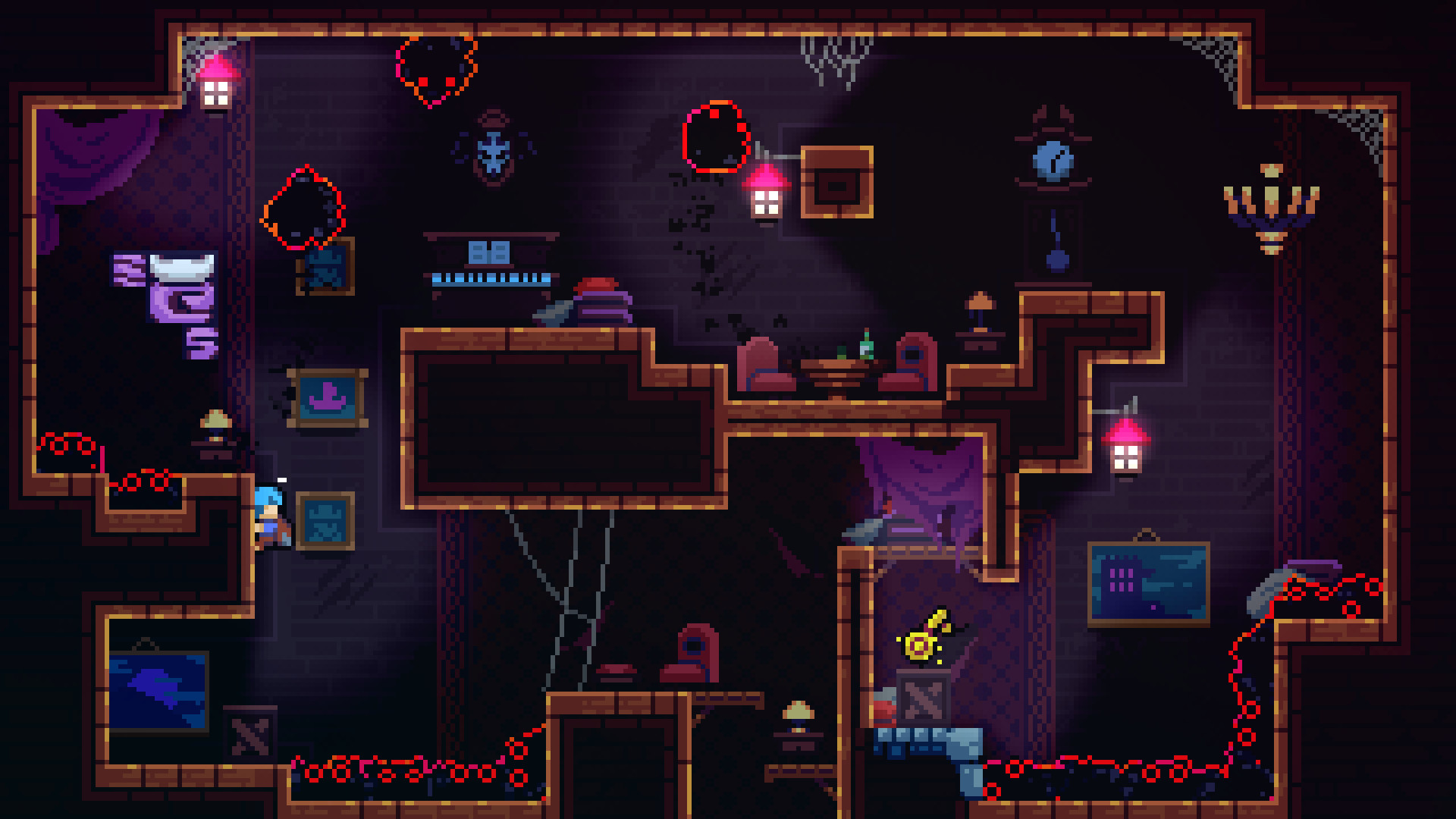
Celeste (2018)
Cuphead (2017)
Donkey Kong Country (1994)
Hollow Knight (2017)
Inside (2016)
Metal Slug 3 (2000)
The Binding of Isaac (2011)
Sonic 3 & Knuckles (1994)
Stardew Valley (2016)
Super Mario Bros (1985)
How to Make Your Own 2D Game
2D video game development would be much more manageable if you broke it into clear steps. And we did it for you!
Start with a Simple Idea – Focus on the core concept, such as the game mechanics, art style, and other elements that make up the foundation.
Pick a Game Genre – Determine on a game genre, as it will guide the rest of your decisions that shape your project.
Choose the Right Tools – Use beginner-friendly tools (e.g., GameMaker, Godot, or Unity), which are suited for simple projects.
Build and Test – Start creating visual assets, designing levels, adding audio, then review their balance and playability.
Launch and Improve – Publish your game on platforms and gather feedback. To learn more, visit our article about launching your indie game and our guide on how to publish.
Final Thoughts: Simplicity Meets Endless Creativity
Whether you are inspired by Stardew Valley or Cuphead, creating a 2D video game is one of the most accessible ways to begin your game development journey. It also provides promising opportunities, as this kind of game holds timeless appeal that transcends generations of players. It never gets old, they say. Hence, seasoned developers also take them as a way to challenge themselves to experiment and innovate. With the right approach, even a simple concept can evolve into a memorable experience that rivals complex AAA games.
If you are serious about building your first 2D video game, check out our full breakdown on how much it costs to make a video game.
Games have always been about seeing – but now they see back
Think about the last time an NPC reacted to your movement with unsettling accuracy. Or a game’s camera locked onto a target mid-chaos without skipping a frame. Or facial animations that somehow matched real human expression beat-for-beat. That’s not magic. That’s computer vision – and it’s quietly become one of the most powerful forces in modern game development.
Computer vision is the branch of AI that enables machines to interpret and act on visual data. In games, this means systems that can process what’s on screen – or in front of a camera – and make meaningful decisions based on it. It’s faster than human reaction time, more consistent than hand-coded logic, and increasingly, more creative than anyone expected.
The neural engine behind the visuals
Here’s where things get technical – but bear with it, because this matters for any developer serious about the direction the industry is heading.
At the core of most computer vision systems is a type of algorithm called a convolutional neural network, or CNN. If you’re wonderingwhat is cnn in machine learning, the short answer is this: it’s a deep learning architecture specifically designed to analyze visual data. CNNs scan images in layers – early layers detect edges and shapes, deeper layers recognize complex patterns like faces, textures, or objects. This layered approach is what makes them so effective for anything involving pixels.
In games, that translates to a lot of real-world capability. A CNN can look at a frame of gameplay and identify a character’s position, a texture anomaly, or an environmental hazard – in milliseconds. That’s not an exaggeration. It’s how studios at scale are now approaching everything from quality assurance to real-time rendering decisions.
Smarter NPCs that actually perceive the world
Old-school NPC behavior relied on scripts. Character walks into zone A, triggers response B. Clean, predictable, breakable. Players figured out the seams fast – and once you see the puppet strings, immersion collapses.
Computer vision changes that loop. Instead of scripted triggers, vision-based AI lets NPCs process what they “see” in the game world and respond dynamically. Carnegie Mellon researchers demonstrated this years ago using CNN layers to build an agent that played Doom using only raw pixel input – no hardcoded rules, just visual interpretation and learned responses. The agent developed something resembling spatial awareness. Creepy? A bit. Impressive? Absolutely.
Modern game studios aren’t just running academic experiments. They’re shipping products with NPCs that:
Track player movement using visual pattern recognition
Adapt behavior based on environmental context (lighting, distance, cover)
React to player animations rather than just positional coordinates
Learn from replays to improve difficulty tuning over time
The result is opponents that feel present, not programmed.
Catching glitches before players do
Nobody wants to ship a game where a character’s arm clips through a wall or a texture pops out mid-cutscene. Traditional QA means human testers – hours of playthroughs, logging bugs manually, missing edge cases because humans get tired. It works, sort of. But at scale, it’s slow and expensive.
EA’s SEED research team explored using deep CNNs to automatically detect visual glitches during testing – missing textures, placeholder assets, low-resolution rendering errors. The approach classifies each frame against a training set of known glitch types. No human eyes required for the initial sweep. According to asurvey on convolutional neural networks published in IEEE Transactions on Neural Networks and Learning Systems, deep convolutional networks can classify visual anomalies across five defined glitch categories from a single 800×800 RGB input frame.
That’s a meaningful shift. QA teams stop drowning in false positives and start focusing on the bugs that actually need judgment. Developers get faster iteration cycles. Players get cleaner launches – or at least, slightly fewer memes about floating NPCs.
Motion capture, facial tracking, and the pursuit of realism
Here’s a use case that hits differently: emotion. Games like The Last of Us Part I or Red Dead Redemption 2 became reference points for facial animation because the characters felt like they carried real weight. Computer vision plays a growing role in making that possible – and in democratizing it beyond AAA budgets.
Facial motion capture systems now use computer vision to track dozens of landmark points across an actor’s face in real time, mapping microexpressions onto in-game models. Vision-based systems replace expensive marker rigs with camera arrays and CNN-powered tracking algorithms. EA’s research into photo-real avatars has focused on stabilizing facial motion with techniques that “significantly enhance accuracy and robustness” – their words – compared to older tracking methods.
For indie developers, this matters too. Tools built on open computer vision frameworks are bringing facial animation into reach for smaller teams. You no longer need a $2 million mocap studio to get convincing characters. A calibrated camera setup and the right model can do real work.
AR, VR, and the games that blur reality
Augmented reality games – think Pokémon GO at its cultural peak, or the wave of location-based mobile experiences that followed – depend entirely on computer vision. The game has to understand the physical environment in real time: surfaces, distances, lighting conditions, object positions. None of that is possible without vision systems processing camera input frame by frame.
In VR, the challenge is different but adjacent. Hand tracking without controllers (as seen in Meta Quest’s passthrough mode) uses computer vision to interpret finger positions and gestures in real time. Games built around this input method require extremely low-latency visual inference – the kind CNNs, optimized for edge hardware, are increasingly capable of delivering.
The game industry’s relationship with spatial computing is only getting more complex. As headsets improve and mixed reality becomes a genuine platform, computer vision stops being a niche feature and starts being foundational infrastructure.
What this means for designers, not just engineers
Game designers often think of AI as an engineering problem – something the tech team handles. Computer vision is starting to change that assumption. When the game can see, design decisions shift.
Level geometry matters differently when NPCs have genuine sightlines rather than scripted detection cones. Lighting becomes a gameplay mechanic when vision systems respond to it. Player expression – a smile, a raised eyebrow – can become an input.
Dr. Tommy Thompson, AI researcher and founder of AI and Games, has noted that vision-based systems open up design spaces that were simply unavailable with traditional game AI. The gap between what a game can perceive and what a designer can do with that perception is closing faster than most realize.
Where the field is heading
Computer vision in games isn’t a trend with a shelf life – it’s an architectural shift. The tools are getting lighter, the models are getting faster, and the hardware supporting them (dedicated AI cores in modern GPUs and consoles) is already here. What took a research cluster to run in 2018 fits on a mid-range GPU in 2025.
For game developers, the practical takeaway is less about mastering deep learning from scratch and more about understanding what these systems are capable of – and designing around that capability intentionally. The studios that figure out how to make vision-based systems feel like game design choices rather than technical tricks are going to build things that feel genuinely different.
Games have always tried to create the sensation of a living world. Computer vision is one of the more honest attempts yet to actually build one.
Walk into any online casino today, and it may feel like it was built just for a single player. That illusion of a tailor-made lobby comes from artificial intelligence, not magic. By studying how players tap, spin, and pause, smart algorithms recommend slots, table titles, and bonuses that match personal taste. Making these suggestions useful means first earning trust on the payment side. For example, safe transactions at a popular Visa casino platform offer smooth deposits that lead to exciting games for beginners and veterans alike. Revolut casino fans can explore revolutcasino.de for fast payments that keep the action moving. Digital wallet users who prefer a global solution might land on astropaycasino.de, tapping one button and getting straight back to the reels. With the money side handled, AI can focus on learning what each visitor likes while still keeping the playing field level. But how does it actually balance fun and fairness?
How AI Studies Player Behavior
AI software in casino platforms works by reading patterns rather than personal data. Every spin, bet size, and game change generates anonymous data points that create a map of habits; for instance, if someone enjoys low-risk video slots at night, the lobby could highlight similar games at that time of day. When another visitor prizes blackjack streaks, the system may move live dealer tables closer together in rows. Behind-the-scenes, supervised learning models compare millions of sessions to predict which will best keep each guest engaged without becoming overstimulated or overwhelmed. Importantly, developers train these models using aggregate statistics to avoid revealing individual players’ personal identities and to keep them within healthy limits. The objective is for players to enjoy themselves rather than push past safe thresholds. This is why many casinos feature reminders and voluntary deposit caps that algorithms respect automatically, providing game studios with an inviting menu while still protecting anonymity.
Keeping the House Honest: Fairness Techniques
Personal touches are invaluable, yet fairness must always come first. To guarantee every spin and shuffle remains random, developers rely on certified random number generators, or RNGs – like sealed dice that AI cannot look in on or alter. Personalization works only on presentation, suggesting which dice to roll without changing how they land. Independent testing labs monitor each update by running millions of simulated plays in order to detect bias. An algorithm may suggest taking a break or exploring something different when it detects that a player continually chooses one slot over another; such suggestions serve both fun and responsible gaming policies. Another tool available to casinos is “explainable AI.” By recording why each suggestion arises, this system allows regulators and studio teams to track decision-making step-by-step. Should an imbalance ever appear, engineers can swiftly remove or adjust it. Modern casinos demonstrate how creativity and integrity can coexist through transparent logs, hard math calculations, and outside audits. Looking ahead, blockchain verification may become part of their toolbox to allow players to verify spin histories in real time without divulging identities – adding another level of confidence on digital casino floors.
When browsing platforms to choose which games to play, do you focus solely on mechanics or story? Chances are, the way a game looks captures your attention even before you start reading what it offers gameplay-wise. Whether you realize it or not, visual appeal often influences our choices more than we think. In fact, a recent study found that players’ perception of game aesthetics influences their willingness to make a decision. Believe it or not, game developers know this. That is why they invest in good game art design services.
In game development, the point is not only about making something playable, but also about creating an experience that players can see, feel, and remember. From the look of the game world to the design of the character, visuals play a defining role in how a game is perceived. Accordingly, through game art design services, developers find a way to bridge the gap between imagination and execution, turning their ideas into fully realized visual experiences.
By finishing this article, you are sure to acquire valuable information about game art design services, the role of game concept art, the benefits, and key features. At the same time, you will gain insights into the best game art studios to consider and how to work with the teams involved.
What Are Game Art Design Services?
Image designed by Freepik
Before anything else, let us first find out what is meant by game art. By definition, it refers to the visual design of video games. It covers all elements, including backgrounds, characters, environments, interfaces, props, and special effects. To put it simply, everything that you see visually on screen when playing a game is part of game art.
Game art design services encompass the entire visual production pipeline of a video game. The process covers everything, from early sketches and ideation to final in-game assets that players see and interact with.
When approaching game art design services, it is helpful to know that game art is a functional element of game design rather than mere decoration. In other words, it should improve player immersion and storytelling rather than solely make the game look good.
Typically, their services include the following:
3D Modeling and Texturing
Animation and Visual Effects
Character Design
Environment and World Design
User Interface and Heads-up Display Design
Understanding Game Concept Art
Designers do not immediately jump to 3D modeling or animation when doing game art. Accordingly, it is where game concept art plays a critical role.
Let us define concept art. It is the bedrock of the game art pipeline, focusing on exploration and ideation. It serves as the foundation, as it is where visual sketches and detailed drafts transpire.
In addition, concept art can come in various forms depending on the desired art style or theme of a video game. Here are the common examples of concept art styles in games:
Realistic Concept Art
Stylized Concept Art
Abstract Concept Art
At the same time, there are different types of concept art since every element of a video game calls for a unique approach. Below are the common types of concept art:
Architectural Concept Art
Character Concept Art
Creature Concept Art
Environment Concept Art
Props and Weapons Concept Art
Vehicle Concept Art
How Concept Art Shapes Game Development
Concept art is not only a preliminary step. It actively influences how a game is built from the ground up. Serving as the developmental catalyst, concept art lays down the blueprint that guides the whole game art design process. It helps game developers visualize what their game could look like before production begins, saving time and resources.
To help you better understand the role of game concept art, check out this quick overview of how it functions:
Sets visual direction
Communicates concepts and ideas
Influences gameplay mechanics
Establishes mood and tone
Drives narrative design and development
Streamlines production
Minimizes development errors and costly revisions
These critical roles that concept art plays are why developers should also give importance to getting high-quality game concept art services alongside their broader game art design services. A reputable game concept art studio offers industry expertise, technical proficiency, and scalability, catering to all kinds of projects and the development stages they entail.
Benefits of Game Art Design Services
Image designed by Freepik
It is common for creators to question the need to acquire game art design services. You could argue that it is possible to do everything in-house or hire more professionals to be part of your team. While that makes sense, too, investing in professional game art design services offers numerous advantages that go beyond your initial concerns.
Increased Development Speed and Efficiency
Outsourcing art production streamlines the workflow, hastening the production process, which is crucial in keeping the project on time.
Reduced Production Cost
Acquiring external services allows for optimized resource allocation, which is more cost-effective, especially for independent developers in the gaming industry.
Access to Diverse Skillset
Working with teams from game art studios gives you access to specialists in different fields, leading to higher-quality output.
Consistent Quality Standards
Professional services help ensure that every asset aligns with the artistic direction of a game, achieving a unified visual style.
Flexibility and Scalability
Game art design services handle workload and resources that enable developers to scale production up or down as required.
Competitive Advantage
Investing in game art studios opens doors for your game to be received uniquely.
Moreover, you should treat game art design services as an ally rather than a sign of weakness. Outsourcing does not necessarily mean that you are not capable of doing the job independently. Even AAA studios and major game industry players occasionally rely on these due to various reasons. Besides, this also allows you to focus on other crucial aspects of game development. In short, it is a strategic move.
Key Features of Top Game Art Design Services
Be aware that not all providers offer the same level of quality. Most of the time, the best game art design services share several common characteristics.
Comprehensive Portfolio
A robust portfolio demonstrates expertise and versatility across different styles and genres.
Skilled and Experienced Artists
Top studios are home to highly experienced professionals who deliver superb contributions at every stage.
Cutting-Edge Technology
Aside from technical knowledge, the use of industry-leading tools ensures gaming solutions built for the future.
Agile and Adaptive Workflow
Practices must achieve transparency, speed, and iteration while matching the visions of the client.
Comprehensive Project Support
Full-spectrum services cover everything from initial concept to ongoing maintenance and everything in between.
Choosing Game Art Design Services
Selecting the right partner is as crucial as game art itself. It is one of the most important decisions you will ever make during game development. That said, you must keep a few considerations in mind during the selection process.
In detail, you should define your scope by determining whether you require full production or just specific services. Considering the amount you are willing and capable of spending is also important. Likewise, researching and shortlisting are essential to narrow down your options. Another key point, you have to reckon on the reliability, quality, and suitability of potential picks by checking client feedback, evaluating portfolios, assessing experience, and requesting proposals.
Top Game Art Studios to Consider
From full-service studios to specialized game concept art studios to freelancers to outsourcing companies, your selection of providers is broad. Luckily for you, we have streamlined the choices to help you focus on the best possible options there are.
Argentics
Argentics delivers end-to-end creation services for game art and game development. With experienced artists and developers, their services include 2D art, 3D art, game art, game development, VR & AR development, and UI/UX design.
Kevuru Games
Kevuru Games houses a game art outsourcing company that offers 2D and 3D game art solutions, along with concept art services. Featuring a skilled and talented team, Kevuru Games creates visual elements that fit your game vision.
Shortline Studio
Shortline Studio provides game art services, encompassing different areas including character design, environment design, 3D asset development, AAA game assets, and NFT content development.
Rocket Brush Studio
Rocket Brush Studio specializes in concept art, 2D character art, 3D weapons game art, stylized 3D character design, custom 3D game assets, casual games art, and more. Ensuring reliability, the studio has worked with top game development companies like Paradox and Romero Games.
Concept Art House
Concept Art House champions extensive experience in AAA and mobile game art. With a rich history of top-tier clients (e.g., Activision, Tencent Games, Riot Games), the studio promises creativity and precision in crafting 2D & 3D assets.
Tips for Working With Game Art Design Teams
Finding and selecting a partner to provide your desired game art design services is only the beginning. You do not let them decide and handle everything while you wait or deal with other game development aspects. That is not how you ensure an effective and efficient working relationship or game art design in general. So, to help you get the most out of game art design services, check out these quick, helpful tips:
Define Clear Expectations
Set your goals and expectations regarding the style, quality, timelines, and deliverables from the start.
Set Milestones
Divide the entire project into separate milestones with respective deadlines to administer regular reviews and timely quality control.
Share References
Provide the outsourcing team with briefs, examples, and reference materials to communicate your vision more effectively.
Ensure Two-Way Communication
Schedule regular meetings that serve as avenues for you and the team to discuss progress and concerns, keeping everyone aligned throughout the process.
Keep an Open Mind
Employ iterative feedback loops and give constructive comments, as creative processes entail adjustments and improvements.
Respect the Process
Monitor the progress regularly, but avoid rushing deadlines unnecessarily.
Build Long-Term Partnerships
Maintain a healthy working relationship with the same teams, as this will make them more familiar with your brand, leading to better results over time.
Frequently Asked Questions
Q1: What do game art design services include?
Answer: Game art design services cover the full visual aspect of game development, from character design all the way to visual effects. Game art studios are responsible for every visual element, ensuring they align with gameplay and theme.
Q2: What is the difference between game art and game concept art?
Answer: Game art pertains to all the visual assets used in a game. Meanwhile, game concept art refers to the early sketches or designs that serve as blueprints for developers.
Q3: Why is game concept art important?
Answer: Game concept art matters as it allows creators to explore ideas quickly and establish a clear visual direction before committing to full production. It helps identify necessary changes that reduce costly revisions.
Q4: How do I choose the right game art studio?
Answer: You should consider various factors, such as portfolio depth, industry experience, client reputation, and more. Likewise, you would want to choose a game art studio that provides structured workflows and welcomes feedback.
Q5: Would indie developers benefit from game art design services?
Answer: Yes, game art design services do not only cater to AAA studios but also to indie developers who lack in-house artists. Outsourcing allows them to access professional-quality visuals without significantly increasing overhead expenses.
Final Thoughts: Breathe Life to Your Game!
With the saturated game market, the odds of creating and launching a game that will succeed are slim. However, slim does not mean impossible. To increase your chances, you need to come up with a brilliant and unique game idea and top it off with outstanding game art. Having the right visual support can mean the difference between a top-performing game and a forgettable title that fails to capture players’ attention.
By understanding how game concept art services fit into the broader pipeline and selecting the right game art design services as your partner, you can get the creative direction, expertise, and structure essential to bring your vision to life. Remember, first impressions matter, so do not hesitate to invest in high-quality game art, as it is a necessity rather than an option.
If you liked this kind of article, you may also want to learn more about how AI in animation continues to change game art.
The launch of regulated sports wagering in Missouri has created an interesting reference point for developers and designers working in the gaming industry.
When a new legal betting market opens, it often brings changes to how digital platforms structure their user experiences, monetization systems, and reward mechanics. These shifts can provide valuable insights for anyone designing games that include progression systems, randomized rewards, or competitive elements tied to real-world sports.
The growth of sports betting in Missouri provides a clear example of how policy changes can influence platform design, player engagement strategies, and responsible-gaming tools across the wider game development industry.
Observing how regulation affects platform structure helps developers understand the broader relationship between policy decisions and the design of digital gaming systems. As new markets emerge, design teams analyze how legal requirements reshape engagement loops, reward mechanics, and the economic foundations behind interactive gaming platforms.
Developers paying attention to Missouri’s evolving wagering environment can see how regulation directly affects the way platforms communicate incentives, structure user journeys, and design systems that encourage long-term participation without relying excessively on large promotional rewards.
Regulated Wagering Markets as Design Signals
The launch of regulated sports wagering in Missouri demonstrates how new legal markets often act as signals for developers studying digital platform design. A regulated environment reshapes the way operators structure engagement tools, interface elements, and player incentives. Designers working on sports-based games or interactive experiences tied to real-world competitions often monitor these shifts closely.
When legal wagering becomes available in a state, developers quickly see how licensing rules, compliance requirements, and oversight frameworks influence the design of digital systems. Platforms must communicate information clearly and maintain accountability for reward structures, which changes the balance between engagement design and regulatory responsibility.
Regulation Introducing New Development Constraints
For game designers, regulation introduces a new set of constraints that must be considered early in development. Taxes, licensing requirements, and operational costs can influence how operators structure promotions and player incentives. These factors directly affect the economic architecture of a gaming platform.
Design teams working in regulated environments often rethink early-stage development choices. Instead of relying heavily on large promotional incentives, they build systems capable of maintaining engagement without excessive financial rewards. This shift encourages developers to prioritize gameplay loops and progression structures that sustain participation over long periods.
Engagement Systems Beyond Financial Incentives
As regulatory costs reshape platform economics, many gaming systems move toward engagement mechanics that do not rely exclusively on monetary incentives. Progression systems become central to this strategy. Structured advancement paths allow players to unlock achievements, cosmetic elements, and recognition-based rewards through continued participation.
These mechanics create a sense of ongoing accomplishment. Players remain invested because progress feels meaningful and visible within the game ecosystem. By emphasizing skill development, participation milestones, and competitive performance rather than large promotional offers, platforms maintain player interest while operating within regulatory boundaries.
Cosmetic Unlocks and Long-Term Player Retention
Cosmetic unlock systems represent another way developers maintain engagement without relying on financial incentives. These rewards provide visual customization options that allow players to personalize their experience without affecting competitive balance. Because cosmetic rewards do not alter gameplay fairness, they remain widely accepted across gaming communities.
Within regulated ecosystems, cosmetic progression can become a central design pillar. Players pursue unlockable items tied to achievements, seasonal performance, or tournament participation. This approach encourages consistent engagement while avoiding structures that might conflict with regulatory frameworks governing wagering incentives.
Skill-Based Challenges in Competitive Ecosystems
Skill-based challenges also play an important role in sustaining engagement within regulated environments. Platforms frequently integrate competitive objectives connected to real-world sports results or player performance predictions. These systems reward strategic thinking and knowledge rather than relying purely on chance.
By designing skill-based engagement loops, developers encourage players to interact with sports data, statistics, and performance trends. This structure supports deeper player involvement and builds communities centered around analysis and strategy. Engagement emerges from mastery and understanding rather than promotional incentives.
Transparency as a Core Design Principle
Transparency and trust are becoming essential components of modern game design. Players increasingly expect clear explanations of reward probabilities, visible spending tools, and responsible-gaming features that allow them to manage their activity. Platforms operating within regulated environments must incorporate these features as part of their interface architecture.
Clear communication around reward mechanics strengthens player confidence in the system. When users understand how outcomes are generated and how rewards function, they feel more comfortable participating over extended periods. Transparent systems also reduce confusion and help maintain healthy player relationships with digital platforms.
Responsible Gaming Features Shaping Interfaces
Responsible-gaming systems are increasingly embedded directly into platform interfaces. Account dashboards often include activity tracking tools, session timers, spending visibility features, and customizable limits that allow players to control their engagement levels.
These features are not simply compliance requirements. They shape how players interact with the platform and reinforce the idea that responsible participation is part of the design philosophy. Integrating these tools seamlessly into the interface encourages players to remain aware of their behavior while enjoying the experience.
Building Adaptable Game Economies
Developers studying regulated wagering environments recognize the importance of adaptability in game economy design. Systems must remain flexible enough to evolve as regulations change, while still maintaining consistent engagement loops for players.
Adaptable economies often rely on progression structures, cosmetic reward frameworks, and transparent participation systems rather than aggressive promotional incentives. This flexibility ensures that platforms can adjust to regulatory developments without disrupting the player experience.
Designing for Trust and Sustainability
Game designers working within regulated ecosystems increasingly focus on sustainability and player trust. Long-term engagement depends on platforms that balance entertainment value with responsible design principles. Transparent reward systems, visible controls, and fair progression mechanics contribute to healthier digital communities.
By studying environments like Missouri’s regulated sports wagering market, developers gain valuable insights into how digital games can evolve alongside policy frameworks. Platforms that emphasize adaptability, accountability, and trust create experiences that remain engaging while aligning with responsible design practices.
One step beyond installation, joining a mobile betting service means learning its layout. Before any bet is made, sign-up details need attention – alongside how identity checks work. Across New Zealand, crowds gather not just for rugby but also cricket, football, yet increasingly basketball too. Security grows stronger when setup follows clear stages. Organization takes root where guidance exists.
Starting out, most newcomers prefer sites where moving around feels straightforward, money moves safely, while odds and rules show clearly. Once someone walks through sign-up to placing their initial NZ sports betting step by step, uncertainty fades – choices become more thoughtful. Pausing now to check profile details alongside deposit options often avoids holdups down the track.
Registration and Account Setup
Starting off means setting up an individual profile using correct personal information. Usually, people enter essential facts, double-check their communication details, then choose a strong login code. Before any money moves out, proof of who they are might need checking through validation steps.
Once registered, people can enter either the sports area or the casino part of the site. Beyond betting on rugby point spreads and soccer total goals, a few newcomers try their luck at Plinko casino games – here, how much they bet and chosen risk level shape possible returns based on where balls randomly land. All these features sit behind one protected login, shared with sport-related odds displays. Sections are labeled plainly so different kinds of bets do not blur together when browsing.
Before you put down your first sports bet, take your time to go over your account settings. Make sure your deposit limits are suitable for you, and consider enabling additional security options. You might even have the option of using two-factor authentication.
Funding the Account
Next comes putting money into the account – an expected step for most people. Many sites accept options familiar to those in New Zealand, making access smoother. Security kicks in the moment data moves, thanks to encryption that guards each transfer.
Depending on how you choose to move funds, timing might shift noticeably. Right after depositing, many find their balance updates fast – ready for bets almost immediately. When pulling money out, expect extra checks; these exist simply to keep accounts safe.
A look at financial support shows several points worth noting:
Step
Purpose
Benefit for Users
Select payment method
Choose suitable deposit option
Convenience and flexibility
Confirm transaction
Verify deposit details
Reduced payment errors
Review transaction history
Track account activity
Better bankroll management
Beyond just seeing numbers shift, watching balances change helps shape smarter betting choices. A steady view of funds guides more thoughtful plays over time.
Placing the First Bet
Betting begins once funds are added to the account, opening access to various sporting events. While rugby point gaps appear frequently, totals and individual athlete outcomes also draw interest. Before placing selections, checking how teams have performed lately makes a difference. Injury reports, when examined early, support smarter choices down the line.
Starting out, most new users place basic bets prior to diving into live event options. Clear layout of a betting ticket shows how much is risked alongside possible payouts. Before hitting submit, checking each entry helps prevent errors.
Several practical tips support a smooth first betting experience:
Begin using minimal investment to explore tools gradually. A cautious approach allows experience to build naturally over time.
Start by checking how the system sets its betting terms. Each kind of bet follows specific guidelines you need to know. Look into what shapes those requirements before deciding. Rules shift depending on the wager category involved.
Check your account often – this helps track how money moves. Staying alert means spotting shifts before they grow.
Staying steady often comes from moving through each step carefully when getting used to the tools. A clear path emerges by focusing on one part at a time during early practice.
Moving Ahead With Confidence
Starting with registration and moving toward placing an initial wager flows more smoothly when steps are taken thoughtfully. A well-built account structure, clear deposit methods, then intuitive event categories – these form a reliable base for beginners across New Zealand. Though small details matter, it is steady progress that shapes early experience.
Starting with solid planning, plus careful control of funds, helps newcomers feel more at ease when using the site. When steps are well defined and resources organized, getting into online betting and similar activities becomes smoother.
Anyone who has ever tried to design a game knows that the process has a way of testing knowledge, skills, and patience, sometimes pushing game developers to their limits. Yup, entering the world of game design and development can feel overwhelming, even more than you bargain for. Luckily for creators, modern technology has also introduced game design tools, game design equipment, and more that not only streamline the workflow but also serve as instruments to create immersive experiences. Therefore, it is vital to have the right ones to ensure efficiency and nurture your creative visions.
With this guide at your disposal, you will soon know more about game design tools, the choices for newbies, the difference between digital and physical options, necessary equipment and gear, essential software, and how to upgrade your game design toolkit.
Top Game Design Tools for Beginners
Image designed by Freepik
For anyone just starting, jumping to complex game design tools often only makes everything seem more difficult. You need to establish a solid foundation first. In line with this, simplicity and accessibility are key. Hence, it is helpful to explore beginner game design tools that allow you to experiment without overwhelming complexity.
Sketchbooks and Digital Notebooks
For brainstorming and rough concepts, the options for newbies include traditional sketchbooks or digital versions like Adobe Fresco and Procreate.
Basic Game Engines
To explore object movement, collisions, and game logic basics, beginners can try GameMaker Studio, Construct 3, and Godot, as they provide an intuitive user interface (UI) and do not require in-depth programming expertise.
Wireframing and Mockup Software
For game UI design, Adobe XD and Figma work well for newcomers in terms of visualizing the player experience early.
Asset Libraries
To access ready-made resources rather than creating every asset from scratch, beginners can turn to OpenGameArt and Kenney.
Comparing Digital vs Physical Tools
Today, the debate between digital and physical game design tools still exists. While the choice often depends on preference and budget, these options have their place in modern game design, and it is best for developers to know how to integrate both.
Digital tools (e.g., software engines, design apps, tablets, cloud collaboration tools) are ideal for ease of modification, flexibility, and speed. On the other hand, physical tools (e.g., sketchbooks, pens, physical prototyping kits, whiteboards) encourage creativity and tactile learning.
Essential Game Design Equipment
Image designed by Freepik
Aside from completing the beginner phase, acquiring the right game design equipment is also critical to your progress. These tools enable longer development cycles, higher-quality outputs, and smoother workflows.
High-Performance Computer
Dual Monitors
Digital Drawing Tablet
VR & AR Hardware
Audio Devices
However, beginners may find it challenging to secure all of this right away. That is why we took the liberty of providing a quick list of affordable alternatives. Here are some options for beginner-friendly game design gear that allow you to perform the tasks without breaking the bank:
Entry-Level Tablets
Free/Open-Source Software
Second-Hand Hardware
Cheap Asset Packs
DIY Prototyping Materials
While it is generally better to have advanced game design equipment and gear, beginners should learn to maximize what they have and what they can afford. It is best for newbies to make progress without the stress of financial strain.
Must-Have Software for Game Creation
Image designed by Freepik
A game developer, whether a beginner or an expert, should strive to become proficient with different software that is essential in the full spectrum of game development. Mastering multiple software allows developers to conceptualize, create, and polish every aspect of a game.
Below are a few of the most relevant options today:
Unreal Engine (Often used to develop high-fidelity 3D games that feature immersive environments)
Unity (Often used to create 2D & 3D or VR & AR experiences on multiple platforms)
GameMaker Studio (Often usedto make simple 2D games without complex programming)
Godot Engine (Often used to produce 2D and 3D games on community-driven platforms)
Construct 3 (Often used to quickly prototype 2D games without traditional coding)
AutoDesk Maya (Often used to model, rig, and animate game assets)
Blender (Often used to model, rig, animate, and render 3D game assets)
CryEngine (Often used to create immense, open-world, realistic environments)
RPG Maker MZ (Often used to design and build 2D JPRG games)
GameSalad (Often used to design, create, and publish 2D games without coding)
ZBrush (Often used to color and detail game assets like characters, objects, props, and the like)
Miro (Often used to collaborate and visualize gameplay loops, mechanics, and other game elements)
Jira (Often used to track and manage a project)
Visual Studio (Often used to debug applications and navigate code)
Stencyl (Often used to develop 2D games through a block system)
Upgrading Your Game Design Toolkit
Yes, the rule of thumb is to work with what you have. However, that does not mean settling with it forever. As your skills grow, your game design tools should evolve alongside you. Upgraded game design tools can improve efficiency, quality, and the scope of your projects. With each tool having its unique purpose and strength, it is your job to evaluate and select what upgrades you need to integrate into your workflow. Your new tools should strategically support your vision rather than become unnecessary expenses for status. Therefore, you should consider this quick checklist:
Evaluate your current needs
Identify the problem you need to solve
Consider the budget and long-term value
Final Thoughts: Choose Your Pick!
The formula for a successful game entails skilled game developers and the right game design tools. One will not be of use without the other. So, if you are interested in becoming a professional game developer, you can learn more about game design schools that offer game design courses or a game design degree. However, if you already have that covered, you can now use this guide to find the proper game design tools to improve your quality of work. Remember that you do not need to rush; start with beginner-friendly tools and gradually invest in advanced options as you go on.
Knowing where to start is only half the battle, so we hope our guide on game design tools helps you better prepare for the next part of your game development journey.
You can write the most compelling story, come up with the most unique mechanics, and generate the most stunning graphics, and your game can still fail. It is because presentation and interaction count if you want players to enjoy your creation. In other words, user interface (UI) matters. That is why game UI design is essential. From navigating menus to monitoring health bars, the user interface of a game plays a crucial role in shaping player experience. They have to be able to interact with a game through its interface. Once the design is done poorly, it can quickly disrupt immersion and weaken the overall experience. Your brilliant gameplay will ultimately frustrate players.
In addition, video game UI design must be visually appealing and easy to follow and use, especially as video games continue to become more complex. To succeed in this, you should understand the thoughtful craft of UI game design, as it is a fundamental part of video game development.
Stay until the end of this article if you want to learn more about game UI design, its elements, how to design one, video game HUDs, along with best practices and tips that improve usability and player satisfaction.
Understanding Game UI Design
Image Credit: Steam
Generally, game UI pertains to the visual elements that allow players to interact with a game. These are the parts of a game that enable player input and game response. To make it clearer, game UI includes buttons, dialogue boxes, health indicators, inventory systems, menus, and other on-screen components that display information. With that said, game UI design is the process of creating these visual cues that guide players and help them navigate a video game’s systems and actions. For instance, the health bar in Street Fighter 6 shows if you need to crank it up with combos to win the match.
UI vs UX in Video Games
The UI and user experience (UX) are both integral parts of the game development process. In fact, they go hand-in-hand. UI is what players see and interact with, while UX is how players feel while interacting with the game. The former helps players understand, and the latter keeps them engaged.
Key Components of Game Design Interface
Diegetic refers to components that the game character sees and hears and makes sense within the game world.
Non-diegetic components are those that do not exist in the game, as they are only seen by the players.
Spatialpertains to components that exist within the game world but are not seen or interacted with by the characters.
Meta components are the ones that provide contextual information but do not appear inside the game world.
Key Elements of Game Design Interface
Informational elements are frequently shown, as they give players vital information, such as a health bar.
Interactive elements function through the player’s input, and their existence depends on necessity, such as buttons.
Steps to Design Game UI
Image designed by Freepik
Here are the typical steps on how to design game UI for aspiring developers:
Know the Game Mechanics by Heart
You have to understand the game mechanics to create interface elements that feature the information players need.
Determine the Intended Player Experience
Decide on what players should feel when playing, as the interface should match the game’s genre and theme.
Create Wireframes
Sketch key elements based on how they should appear on screen to ensure the game design interface remains balanced.
Design the Visual Elements
You need to develop the visual components after finalizing the layout and keep them aligned with the game’s art style.
Test and Iterate
Test and modify your work to refine the game UI design based on player feedback.
Creating Effective Video Game HUDs
The Heads-Up Display (HUD) is one of the most important parts of a game interface, as it often includes the information that players need (e.g., stamina bars, ammo counters, mini-maps). In video game HUD design, the goal is to provide players with essential information without interrupting the gameplay experience. The key is balancing information and simplicity. Too many elements can become overwhelming, while the lack of elements makes gameplay confusing.
Best Practices for PC Game UI Design
The PC gaming market is worth billions and continues to grow as you read this. That is why ensuring an effective PC game UI design is crucial. It is also quite challenging, as you need to account for input methods and screen sizes. Here are some of the best practices you can adapt:
Optimize for Larger Displays
Support Customization
Ensure Readable Text
Observe Keyboard and Mouse Efficiency
Tips for Modern Video Game UI Design
Every developer must strive to constantly enhance their approach to game UI design. Below are quick tips to do so:
Prioritize Accessibility
Keep Interfaces Adaptive
Use Animation Thoughtfully
Focus on Immersion
Learn from Existing Games
Video Games with the Best Game UI Design
Many video games have mastered the art of UI design, but covering all of them would require an article of its own. To give you a glimpse of a few titles to check out, here are three games featuring a standout UI design:
Elden Ring features an action-focused HUD and puts emphasis on details that matter to avoid distraction and heighten challenge.
Persona 5 Royal employs a stylized UI for additional visual flair and to capture the overall theme.
The Witcher uses a detailed HUD that helps players navigate more information, like weather, time, quests, and more.
Final Thoughts: Small Details Matter!
It is common for creators to first think of the story, mechanics, and characters when producing a game. However, please, do not overlook game UI design. A well-designed one can make the difference between a frustrating experience and an unforgettable one. Thoughtful game design interface developers can guide players, communicate important information, and enhance immersion.
Learning how to design game UI entails balancing aesthetics with functionality. Think of it as road signs on a highway. When they are clear and placed correctly, drivers reach their destination with ease. However, when they are confusing, even a simple journey can become frustrating. Similarly, in designing game UI, you want players to create memorable and user-friendly interactive experiences. So, do not waste your precious game ideas by skipping a good game UI design.
Having a specific and accurate source of information about cosmetic items is important to Counter-Strike 2 players. Both professional traders and casual players use the CS wiki skins in order to see aesthetic upgrades, confirm the authenticity of items, and look at technical specifications.
With updated lighting models and item details in CS2, this centralized database helps users make informed decisions when engaging with the global skins market.
The Complete Skin Catalog
Accessing a structured list of every available finish is the first step for any collector.
Browsing by Weapon Type
The wiki separates skins into primary and secondary categories, ranging from heavy machine guns to sleek pistols. Results can be filtered so that only those items that a user is interested in are displayed.
Rarity and Grade Classification
Items are assigned a specific rarity tier, from Consumer Grade to the elusive Covert and Extraordinary levels. These tiers dictate the drop frequency and the initial market entry price for each skin. High-tier items often feature more intricate artwork and unique textures that react dynamically to the game environment.
Collections and Cases
Skins are released as part of themed collections or contained within specific weapon cases that require keys to open. The wiki tracks the history of these releases, documenting which items belong to the Operation Bravo or the Revolution Case. Identifying the origin of a skin helps players determine its long-term scarcity and historical significance.
Technical Analysis of Exteriors
The exterior of a skin is a mathematical calculation defined by the game engine. Every dropped or unboxed item receives a specific value that dictates its level of wear and tear.
These are the primary exterior characteristics:
Factory New skins represent the highest quality with minimal scratches and a vibrant finish.
Minimal Wear items show slight imperfections that are often invisible during standard gameplay.
Field-Tested remains the most common exterior, balancing visual clarity with a more accessible price point.
Well-Worn and Battle-Scarred exteriors feature significant paint loss and a weathered, metallic appearance.
Pattern Variations and Visual Complexity
Many finishes utilize a randomized pattern template that makes two identical skins look completely different. This randomness creates a secondary market where rare patterns command prices significantly higher than the standard market average.
Pattern Index Explained
Pattern index is a figure between 1 and 1,000 which defines the specific position of the skin on the weapon model. The particular index could lead to a Full Fade or Blue Gem on a Case Hardened knife. Collectors use the wiki to cross-reference these indexes with known rare seeds to verify their items.
Special Case Finishes
Finishes like Doppler and Gamma Doppler are divided into specific phases that drastically change the color palette. A Phase 4 Doppler, such as the Karambit Doppler Phase 4, will feature more blue than a Phase 1, while Ruby and Sapphire gems are entirely monochromatic.
The following factors influence pattern desirability:
The percentage of rare colors present on the play-side of the weapon.
The presence of specific shapes, such as diamonds or hearts, on Slaughter finishes.
The alignment of the texture to ensure a clean look on the most visible parts of the gun.
The symmetry of the pattern across both sides of a knife blade or a pair of gloves.
The rarity of the specific seed within the total pool of a thousand possible variations.
Price Validation and Market Accuracy
The financial aspect of CS2 skins is highly volatile and requires constant monitoring of global trade data. Guessing the value of a rare item can lead to significant losses during a trade or a direct sale. The DMarket CS2 Wiki database provides real-time pricing data to ensure every user has access to the most recent valuation.
Real-Time Pricing Data
Live market feeds allow the wiki to display the current cash value of skins across multiple trading platforms. Accurate pricing prevents users from falling victim to low-ball offers or overpriced listings on third-party sites.
Historical Value Trends
Users can view the price history of an item over several months or years to predict future market movements. This historical perspective is essential for investors who wish to buy skins during a market dip. Trends often show a spike in value following a major tournament or the announcement of a new game update.
Verification of Cash Value
Converting Steam community market credit into real-world currency requires a precise understanding of the conversion amount. The wiki helps users calculate the difference between platform-locked funds and the actual withdrawable balance.
Data-Driven Inventory Management
Effective collection building relies on the ability to verify every technical parameter before a transaction occurs. The evolution of the CS2 economy has made high-fidelity databases more than just a luxury for the elite. Accessing the right data today ensures a more profitable and aesthetically pleasing experience on the server tomorrow.
Mobile users have become highly selective about the digital products they keep returning to. In gaming, finance and entertainment, design choices now shape trust almost as much as features do. That is especially true in real money environments, where players expect fast loading, clear navigation and reliable performance from the first tap. For anyone comparing options in mobile casino Australia, user experience is no longer a nice extra. It is a core part of what makes a platform feel usable, credible and worth revisiting.
Good UX reduces hesitation from the start
The best mobile experiences do not ask users to work hard just to get oriented. They remove friction early and guide attention in a way that feels intuitive. This is a familiar principle in product design. A strong retail app makes checkout feel simple. A good streaming app helps users find content in seconds. A solid mobile game teaches core actions without overwhelming the player.
Real money mobile play benefits from the same approach. When the interface is clean and the user journey is easy to understand, players are more likely to feel comfortable exploring the platform.
clear menus and labels
readable buttons on smaller screens
fast transitions between sections
simple account and payment flows
minimal clutter on key pages
These may sound like small details, but together they shape first impressions. In real money environments, first impressions carry more weight because users are not only judging entertainment value. They are also judging confidence and control.
Navigation matters more on mobile than many platforms admit
Desktop users have room to scan. Mobile users do not. A design that feels acceptable on a large screen can become frustrating once it is compressed into a handheld format. That is why mobile-first thinking matters.
The best platforms make it easy to answer practical questions quickly:
Where do I go next?
How do I find the game I want?
What can I do from this screen?
How long will this action take?
What information do I need before I continue?
When these answers are obvious, the experience feels smooth. When they are buried under flashy visuals or awkward layouts, the product feels heavier than it should.
This is where UX design often separates average platforms from stronger ones. A platform can offer a wide range of games and still underperform if the architecture feels confusing. Players on mobile are often using spare moments during the day, not settling in for long browsing sessions. That makes efficient navigation essential.
Trust is built through clarity, not just security language
Many real money platforms talk about trust in broad terms, but trust on mobile is often communicated through design rather than claims. Users pay attention to whether the product feels stable, transparent and easy to control.
In practice, that means good UX supports trust in several ways:
payment paths are easy to follow
important information is not hidden
the layout feels consistent from screen to screen
users can recover quickly from mistakes
the overall design avoids unnecessary confusion
These choices matter because uncertainty creates stress. If a player is unsure where to tap, how to return to a previous page or whether an action has gone through, confidence drops fast.
This is also why restrained design often works better than excessive design. Motion, colour and visual flair can help create energy, but when overused they distract from the functions players care about most. In real money mobile play, clarity usually beats decoration.
Better session design leads to better retention
A mobile experience is not only about what users see. It is also about how the session feels over time. Good UX supports pacing, momentum and comfort from one action to the next. It helps players stay engaged without feeling lost or overloaded.
From a game design perspective, strong session flow often includes:
short paths to core actions
minimal interruption between tasks
easy switching between browsing and play
responsive layouts that adapt well to different devices
enough feedback to keep users informed without slowing them down
These design choices can improve retention because they respect the user’s time. Players are more likely to return to platforms that feel efficient and familiar. They do not want to relearn the interface every time they open the app or mobile site.
This is where UX becomes a business advantage as well as a design discipline. A better mobile experience can increase comfort, reduce abandonment and make real money play feel more accessible to a wider range of users.
UX choices shape better real money mobile play because they affect everything from trust and navigation to comfort and retention. In mobile environments, players notice friction quickly and leave quickly when a product feels awkward. Platforms that prioritize clarity, speed and usability are better positioned to create experiences that feel modern, reliable and genuinely enjoyable to use.
Start them young. It is the philosophy most parents follow, believing that early guidance helps children develop the skills and habits necessary to achieve their future goals. Whether the kids aspire to become a world boxing champion or a professional football player, they often enroll in classes and train early. The same principle applies to teens who are interested in the world of pixels, characters, and interactive storytelling. That is why game design for teens is increasingly gaining popularity.
If your teenage child wants to create RPG projects, 2 player video games, and the like, it is best to support them in learning the craft. Game design for teens enables them to master art, technology, and storytelling to make extraordinary gaming experiences.
To help you carve the pathway towards this objective, this guide will explore why game design appeals to teens, the needed skills, game design classes, and practical ways to start their journey.
Why Game Design Appeals to Teens
Image designed by Freepik
Naturally, teens are curious and eager to express themselves. Correspondingly, video games are an immersive medium that blends interdisciplinary areas, which perfectly aligns with teen interests. In line with this, psychology explains that curiosity is a powerful motivator for exploration and learning. And with 85% of teenagers in the United States playing video games, many achieve autonomy, competence, and relatedness. In a way, game design for teens is more than a form of entertainment. Learning the field makes them feel a sense of agency and accomplishment. It is no wonder that many start asking how these games are actually made.
Being able to design a game also allows them to see the direct outcomes of their decisions, fostering a strong sense of creativity and self-expression. Game design for teens transforms them from being mere consumers into the actual creators of the games they love. It interests them as the process enables them to turn the things they have always wanted into reality.
Top Skills Teens Learn in Game Design
Game design is a multidisciplinary field. By engaging in game design for teens, young creators can develop a myriad of valuable skills, helping them handle complex projects and organize ideas. It will help them avoid being a one-trick pony.
Programming – Teenagers learn to write basic scripts, control game mechanics, and create interactive experiences using programming languages.
Visual Graphics – Through game design for teens, they gain expertise in animation and 2D/3D modeling to create visual assets that are essential for characters, game worlds, and interfaces.
User Experience – The areas of study help them acquire a deeper understanding of how games should shape the experiences of players.
Creativity – Teens are exposed to different aspects of game design, like storytelling and world-building, all of which enhance their creative skills.
Audio Integration – Game design explores how adding the right music, sound effects, and sound design elevates the playing experience.
Project Management – They experience the process of starting a project all the way to completion.
Problem-Solving – Teenagers become proficient in critical thinking to find solutions and conduct iteration.
Collaboration – Learning game design involves engaging in group projects that encourage teamwork.
Choosing the Right Game Design Classes
Learners will experience a significant difference in their learning journey based on selecting the video game design classes for kids or teens. It is crucial to know what to consider to make the correct choice.
For instance, it is important to choose a class that matches the teen’s experience and skill level. Additionally, take into account the class format that fits the style of the learner. You would also want to pick classes that give students creative freedom rather than strict templates to follow. Moreover, classes should make mentorship and support accessible, wherein teenagers can receive guidance and the chance to be independent. Above all, look for comprehensive classes that integrate multiple disciplines, so teenagers learn extensively.
Starting game design can become overwhelming without proper guidance. So, teens should begin with simple, manageable steps.
Explore Beginner-Friendly Platforms – Look into different tools such as Godot, Unity, and Unreal Engine, or simpler ones like Scratch, Roblox Studio, and Thynker.
Start Small – Begin with something simple and achievable, and avoid jumping to making highly technical games.
Play and Study Games – Try to analyze existing games and see how they work and why they work well.
Sketch Ideas – Create simple storyboards or prototypes to help visualize game ideas.
Playtest and Get Feedback – Share ideas or the game itself with other people and see their response.
Join Communities – Connect with other creators through online spaces or organizations to learn from them and even collaborate.
Inspiring Teen Creativity Through Gaming
One of the most rewarding aspects of game design for teens is the boost in creativity. They learn how to think about player experience and how to balance fun and challenge. It also helps them become more comfortable in expressing ideas. Most importantly, learning game design empowers teens by allowing them to become creators who shape experiences for others, honing their sense of empathy, leadership, and responsibility. Practicing creativity skills at an early age creates endless possibilities for them.
Final Thoughts: Early Beginnings Matter
If you think game design for teens is simply about making video games, you are not looking at it holistically. Let us make it simple: game design for teens is a way for them to explore creativity, gain confidence in problem-solving, and develop real-world skills in demand in a thriving gaming industry. At the same time, game design for teens champions training in coding, visual design, and beyond for personal and academic growth. Game design for teens is like a modern playground where they can become creators and innovators. It is essentially an offer you cannot resist.
With this guide, you are now better prepared to help your teens access the tools and platforms that will introduce them to projects that teach valuable lessons that extend beyond the screen.
People say that playing video games is one of the best outlets to escape the real world. One study supports this idea with results revealing that games enable players to“temporarily disconnect from real-world stressors.“It turns out that immersing yourself in what video games offer delivers mental rejuvenation and relaxation. Yet, gaming is not always a solitary activity, as many of the most memorable gaming experiences occur when two players share the gaming journey, proving that 2 player video games offer a unique way to connect with others.
For this reason, several game developers and studios still produce games designed specifically for pairs of players. Whether it is about solving puzzles together, competing in battles, or exploring virtual worlds, many 2 player video games cater to every preference. Nonetheless, no matter the genre, these video games emphasize how interactive entertainment brings people together.
With this in mind, we took the liberty of finding the best 2 player video games across several categories, so you won’t have to scour the internet yourself looking for particular titles. You’re welcome in advance!
Best 2 Player Video Games Overall
Image Credit: Steam
It Takes Two
It Takes Twoallows players toventure on a journey as the clashing couple, Cody and May, who must save their relationship and escape from being trapped in a fantastical world.
Initial Release Date: March 25, 2021
Developer/s: Hazelight Studios
Platforms: Nintendo Switch, PC via Steam, PlayStation 4, PlayStation 5, Xbox One
A Way Out
A Way Out is a game that lets gamersplay as Leo, a prisoner who embarks on a daring mission to break out of prison with another prisoner.
Initial Release Date: March 23, 2018
Developer/s: Hazelight Studios
Platforms: PlayStation 4, Xbox One, Xbox Series X and Series S, Microsoft Windows
Portal 2
Portal 2 continues the journey of its predecessor, wherein two users have to work and think cooperatively, as they explore new players, a fresh story, test chambers, and revisit everything they know about the portals.
Initial Release Date: April 18, 2011
Developer/s: Valve Corporation
Platforms: Nintendo Switch, PlayStation 3, macOS, Xbox 360, Linux, Microsoft Windows, GeForce Now, Classic Mac OS
Classic Couch 2 Player Video Games
Image Credit: Steam
Moving Out 2
Moving Out 2 is another sequel that features a physics-based moving simulator gameplay, which requires players to assist the residents of Packmore in moving things from one place to another, while solving puzzles along the way.
Initial Release Date: 2023
Developer/s: SMG Studio, DevM Games
Platforms: PlayStation 5, PlayStation 4, Nintendo Switch, Xbox One, PC via Steam, Xbox Series X and Series S
Rayman Legends
Rayman Legends features the adventure of Rayman, Globox, and the Teensies, who were transported into mythical new worlds after discovering magical paintings. Players have to go through the challenges in each world to go home.
Platforms: PlayStation 4, Nintendo Switch, PlayStation 3, Xbox 360, PC via Steam
Human Fall Flat
Human Fall Flat is a light-hearted platformer wherein players can experiment with physics-based puzzles as they navigate floating dreamscapes.
Initial Release Date: July 22, 2016
Developer/s: No Brakes Games
Platforms: Nintendo Switch
Online 2 Player Video Games
Image Credit: Steam
Aloft
Aloft puts players in a world of floating islands, where they need to turn islands into a skyship, locate missing knowledge, fix the fungal corruption, and restore the ecosystem by braving the hurricane.
Initial Release Date: October 29, 2024
Developer/s: Astrolabe Interactive
Platforms: PC via Steam
Don’t Starve Together
Don’t Starve Together brings gamers to a world that is filled with ancient secrets, hidden dangers, and strange creatures. They have to work together to survive by finding and managing resources to build structures, craft items, and fend off threats.
Initial Release Date: December 15, 2014
Developer/s: Klei Entertainment
Platforms: Nintendo Switch, PlayStation 4, macOS, PC via Steam, Linux, Xbox One, GeForce Now
Animal Crossing: New Horizons
Animal Crossing: New Horizons allows players to curate their own personal island paradise on an abandoned island. Users can visit each other, trade items, and collaborate on various projects.
Initial Release Date: March 20, 2020
Developer/s: Nintendo, Nintendo Entertainment Planning & Development
Platforms: Nintendo Switch, Nintendo Switch 2
Competitive 2 Player Video Games
Image Credit: Steam
Street Fighter 6
Street Fighter 6 features one-on-one combats involving legendary masters and fan favorites in the journey to dominating the fighting ground.
Initial Release Date: June 2, 2023
Developer/s: Capcom
Platforms: PlayStation 5, Nintendo Switch 2, PlayStation 4, Xbox Series X and Series S, PC via Steam
Tekken 8
Tekken 8 offers the thrilling experience of competing in battles where players can perform the ultimate moves and powerful combos to win matches.
Initial Release Date: January 26, 2024
Developer/s: Bandai Namco Studios, Arika
Platforms: PlayStation 5, Xbox Series X and Series S, PC via Steam
EA Sports FC 26
EA Sports FC 26 is a football video game simulator that lets players compete in realistic soccer matches, test strategic play, master timing, and learn teamwork.
Initial Release Date: September 26, 2025
Developer/s: EA Vancouver and EA Romania
Platforms: PlayStation 5, PlayStation 4, Nintendo Switch, Xbox Series X and Series S, PC via Steam
Family-Friendly 2 Player Video Games
Image Credit: Steam
Brothers: A Tale of Two Sons
Brothers: A Tale of Two Sons requires players to guide two brothers by solving puzzles, exploring places, and battling bosses in a fairy tale journey to find the cure for their sick father.
Initial Release Date: August 7, 2013
Developer/s: Starbreeze Studios, Fractured Byte, Black Wing Foundation, Turn Me Up Games Inc.
Platforms: Nintendo Switch, PlayStation 4, PlayStation 3, Android, iOS, Xbox One, PC via Steam, Xbox 360
Yoshi’s Crafted World
Yoshi’s Crafted World includes different stages where players need to defeat enemies and go on a treasure hunt to locate various collectables and hidden items.
Initial Release Date: March 29, 2019
Developer/s: Good-Feel
Platforms: Nintendo Switch
Minecraft
Minecraft is a sandbox game wherein players can navigate unique worlds and craft anything within the limits of their imagination to survive the night.
Initial Release Date: May, 17 2009
Developer/s: Mojang Studios
Platforms: Nintendo Switch, PlayStation 4, PlayStation 5, Android, Xbox One, PC via Steam, Xbox 360
Strategy 2 Player Video Games
Image Credit: Steam Community
Northgard
Northgard is inspired by Norse Mythology, allowing players to lead a clan, discover secrets, explore a newfound continent, and beat adversaries to dominate the throne.
Initial Release Date: February 22, 2017
Developer/s: Shiro Games
Platforms: Android, iOS, PlayStation 4, Nintendo Switch, Linux
StarCraft II
StarCraft II enables players to experience becoming the galaxy’s greatest commander and lead mechanized Terrans in an exciting quest for glory in space.
Initial Release Date: July 27, 2010
Developer/s: Blizzard Entertainment
Platforms: PC
Civilization VI
Civilization VI blends strategy and competition, making players work their way to expand their empire, enhance their culture, and go against the greatest leaders in history.
Initial Release Date: October 20, 2016
Developer/s: Firaxis Games, Aspyr
Platforms: Android, Nintendo Switch, iOS, PlayStation 4, PC via Steam, Linux, Xbox One, GeForce Now, macOS
Adventure 2 Player Video Games
Image Credit: Steam
Unravel Two
Unravel Two is about two Yarnys that need to support each other in solving trials and travelling through beautiful landscapes and urban environments to discover an unbreakable friendship.
Platforms: PlayStation 4, Nintendo Switch, Xbox One, PC via Steam, Xbox Cloud Gaming, GeForce Now
Sea of Thieves
Sea of Thieves delivers the ultimate pirate experience, letting gamers dive into a journey of looting treasures, fighting in battles, and conquering sea monsters.
Initial Release Date: March 20, 2018
Developer/s: Rare
Platforms: PlayStation 5, Xbox One, PC via Steam, Xbox Series X and Series S, GeForce Now, Xbox Cloud Gaming
In Sink: A Co-op Escape Adventure
In Sink: A Co-op Escape Adventure is a co-op adventure where players have to communicate and think alike to overcome puzzle challenges and exit a desert island.
Initial Release Date: November 13, 2024
Developer/s: Clock Out Games
Platforms: PC via Steam
Budget-Friendly 2 Player Video Games
Image Credit: Steam
Brawlhalla
Brawlhalla allows players to engage in platform fighting, with quick matches that are very competitive.
Initial Release Date: April 30, 2014
Developer/s: Blue Mammoth Games
Platforms: PlayStation 4, Nintendo Switch, Android, macOS, iOS, PC via Steam
Lofi Ping Pong
Lofi Ping Pong is a meditative rhythm game that enables players to participate in minimalist table tennis matches.
Initial Release Date: March 12, 2019
Developer/s: Calvares, Nikolai Kislitsin
Platforms: Nintendo Switch, iOS, PC via Steam
Among Us
Among Us puts players in the shoes of spaceship crews that are preparing for departure. Their goal is to identify the impostor before it kills everyone on board.
Initial Release Date: June 15, 2018
Developer/s: InnerSloth LLC, PlayEveryWare
Platforms: Android, Nintendo Switch, PC via Steam, PlayStation 5
Final Thoughts: Pair Up and Game On!
Sure, you can play all the video games you want, all by yourself. However, why be a lone wolf when you can have fun with other people? With 2 player video games, you can transform a simple gaming session into a shared experience filled with healthy competition, cooperation, and unforgettable moments.
From mind-bending puzzle-solving titles to fast-paced action games, there are countless options of 2 player video games to explore. Choosing the right one really depends on your preferences, but either way, it is going to be a blast.
We have already explored mobile game design and board game design. However, there is one more genre that deserves our attention. Guess what? Yup, card game design! Are you ready to shuffle, deal, and dive in? If you are up for it, let us dig into it!
From our grandparents’ parents to our own parents, playing cards have long been a popular way to spend time together. That is why card games have captivated millions of players for centuries. In fact, they still do. Recent statistics show that the card games marketwas projected to reach $473.94 million last year, indicating a positive trajectory.
In connection with this, the steady upward trend is the reason behind the continued existence of card game design. So, if you have a fascination with creating a quick party game that involves playing cards or a complex strategy card game, you must first learn the principles of card game design.
Luckily, you have chosen the right guide, as this article offers essential tips and techniques for creating engaging card games. More specifically, it will provide practical insights for aspiring game designers, including information about mechanics, themes, balancing rules, card abilities, visual appeal, playtesting, iteration, and launching.
Exploring Card Game Design
Card game design refers to the process of creating a game built around a deck of cards that features a system of rules and player interactions. These games may exist as physical tabletop experiences or digital titles played on devices. Nonetheless, each format offers a unique balance of simplicity and depth. At the same time, the card game design principles behind them remain closely connected.
Fundamentally, the cards alone often serve as the main components through which players plan, decide, and strive to win the game. Since the parts are limited, creators find the simplicity both an opportunity and a challenge. Game designers must add fresh twists.
Practical Guide in Card Game Design
Image Credit: Blizzard Entertainment & Unsplash
Card game design can be both challenging and frustrating if you have no idea what you are doing. It could also lead to your game failing. To help you navigate the process, here is a comprehensive guide that will help you create thoughtful decisions that shape how players experience your game.
Understanding Card Game Mechanics
At the heart of card game design are the mechanics. These are the rules and systems that determine how players interact with the game and each other. Of course, the first thing you need to do is define the objectives of the games. In short, ensure that players clearly know how to win. Do they need to remove the most cards, complete a set, earn points, or beat opponents? Once you define the winning conditions, make sure they align with the game mechanics and play style. Doing so allows players to have a clear direction and purpose.
In card game design, mechanics represent how cards are drawn, played, exchanged, and discarded. It basically tells how every move affects the overall gameplay.
Accordingly, when establishing game mechanics, you need to keep a few things in mind. First, avoid overwhelming players. You do not want to scare them off with overly complex instructions. Everyone starts as a beginner, so they need a smooth and easy onboarding to understand your game. The second thing is to ensure that interactions happen and happen naturally. Most people play card games because it is fun to do together. In addition, you must make players play within limits. You need to have mechanics that will force them to think and make strategic decisions, creating a sense of challenge in the gameplay.
Moreover, some mechanics you can consider adapting are deck-building, hand management, resource management, and card drafting. In detail, deck-building enables players to improve their set of cards throughout the game, which creates a sense of progression. Hand management, however, encourages players to think several turns ahead, as they need to pick which cards to play and when. On the other hand, resource management allows players to collect certain rewards to be able to play stronger cards.Meanwhile, card drafting entails matching a group of cards for points or to win.
Choosing Themes for Card Games
While mechanics take care of the structure, having a theme gives your game a personality. Generally, it is best to pick one that interests you, as you would want to create something that you yourself want to play. At the same time, you also want to choose a theme that naturally complements the mechanics you have established. It is a crucial consideration since themes can also influence how players connect with your game emotionally. For instance, a whimsical theme can create a lighthearted experience, while a dramatic theme could emphasize tension.
Another thing to think about when selecting a theme is originality.Yes, you can copy other themes that became successful, but why would players want to play your game when they are already used to something similar that already works well for them? So, think about unique twists. Do not be afraid to experiment!
One hallmark of effective card game design is the integration of strong thematic elements. It makes every part of the game feel more cohesive and meaningful.
Balancing Gameplay and Rules
One of the most challenging aspects of game design is balance. If certain cards or strategies are significantly stronger than others, there is a huge chance that the game becomes predictable or unfair. You do not want that. That is the reason why the official rules of UNO forbid players from stacking +4 cards to pass the penalty to the next player.
In card game design, strategies must remain viable. You should find a way to make players feel that their choices matter and that winning depends on skills and a little bit of luck. Striking a balance between being easy to learn and providing depth is essential. Rules should be clear and simple, while the gameplay remains meaningful. Overly complicated gameplay and rules make a game difficult to learn, whereas overly straightforward ones limit the thrill. Design your card game in a way that new players can follow easily and long-time players can discover more over time. As mentioned, balance is key.
Creating Unique Card Abilities
After you establish solid rules, it is time to consider letting players have a chance to break them. It keeps the game exciting and increases variety and replayability. One creative way to do so is to create unique card abilities. These determine how each card interacts with the game and with other cards.
Particularly, abilities can range from simple effects to more complex actions that impact the game state or alter it entirely. For example, some cards might allow players to swap hands, acquire resources, or change the order of play. Additionally, risk and rewards should come into play in the process of creating abilities. You want to avoid giving players who have them an unfair advantage. Therefore, you can incorporate drawbacks or require careful timing to use the card. Plus, you would want to treat this type of card like a hidden treasure, as having too many can overwhelm players or slow down gameplay.
Designing Cards for Visual Appeal
In card game design, you have to make sure that you come up with well-designed cards. Always ensure that the visuals match the theme, or else players may find elements of your game disconnected. The primary visual elements you should be aware of include layout, typography, color, and illustrations.
A clean layout that is easy to navigate allows players to quickly tell what each card is for. Include enough space between elements so that every feature of the card is easy to locate, and consider visual hierarchy to emphasize what needs to stand out. Font also matters. Think about the user interface and user experience to find out whether your font style and size communicate important information clearly. Furthermore, using artwork that conveys a thematic experience is important to bring out the personality of characters, the atmosphere of a setting, or the tone of the game. Color coding is also a great technique to help players recognize cards instantly.
Each of these visual elements contributes to the clarity and appeal of the game. However, you must be cautious about the visual structure being consistent, as you want players to compare them easily. Well-designed cards enhance the immersion of a card game.
Playtesting, Gathering Feedback, and Iterating
Any game design process is not complete without playtesting. It is a vital stage to go through, for even the most carefully planned game can behave differently once real gamers play it. Through playtesting, designers are able to observe how players experience the game. More specifically, this allows them to identify confusing rules, unbalanced cards, and any issues with mechanics or technical areas.
Thankfully, card game design lets designers build very simple prototypes that they can use to playtest early on before fully committing to production of polished components. They can use printed paper versions or even handwritten ones to experiment with the ideas first.
Game designers should really have keen eyes during playtesting, as they need to watch how players interact with the game. In this stage, testing with different types of players is valuable. Veteran gamers can give you feedback on balance and strategy, while casual players might provide insights about the pacing or accessibility. This approach helps you pinpoint areas that require improvement.
Most importantly, playtesting shows you that card game design is iterative. By understanding how players respond to your game, you will know if your output achieves its intended experience. If not, you should not hesitate to revise your game. It may call for tweaked card abilities, adjusted rules, or enhanced game objectives. However, not all feedback needs to be followed, but patterns often reveal real concerns.
We also want to inform you that you may not get it after one iteration. It can be a repetitive process that requires multiple rounds of testing and revision until you finally achieve the sweet spot. Do not be discouraged if you still have not reached the desired final form after a few tries. Remember, ongoing refinement is a core principle of effective card game design.
Publishing and Marketing Your Game
Once a game has gone through successful playtesting and iteration, you need to wrap up the process by finalizing the card design, rulebook, and the like. After that, you can now proceed to publishing your creation. However, this stage comes with its own challenges, including distribution and marketing, all of which are essential for your game to achieve market success.
If budget is an issue, consider self-publishing through crowdfunding platforms that have made it easier for independent creators to launch their games and reach audiences. For physical card games, turn to Kickstarter or GameFound. Going the digital route, however, requires you to knowhow to publish your indie game on Steam, Epic, and Itch.io. Meanwhile, financially capable card game designers can choose to pitch their games to established publishers, such as Tencent, NetEase, Activision Blizzard, and many more. Renowned publishers like these can offer resources for production, artwork, and distribution. However, there could be a trade-off, as they may influence the final design.
The next stage of your journey in card game design is marketing. It should not be neglected as it can make or break your game. Have you ever wondered why so many games come out every year, but you only know about a few? Marketing. People should know about your game before they can decide if they want it. A few strategies you can employ include social media promotion, game conventions, and online communities. In other words, create hype around your project.
Card Games Worth Knowing
Image designed by Freepik
One way to jumpstart a card game design journey is by getting inspiration and ideas from existing games in the market. Here are a few examples you can check out:
Balatro by LocalThunk
Disney Lorcana Gateway by Ravensburger
Skull and Roses by Hervé Marly
Star Realms by Darwin Kastle
Dominion by Rio Grande Games
Cat in The Box by Bezier Games
Parallel by Parallel Studios
Scout by Oink Games
Betrayal: Deck of Lost Souls by Bruce Glassco
Marvel Snap by Second Dinner Studios, Inc.
Frequently Asked Questions
Q1: What is meant by card game design?
Answer: Card game design is the art of making games that primarily involve the use of cards as the main gameplay component. The process entails developing card abilities, mechanics, rules, themes, and visuals.
Q2: How can I learn to design a card game?
Answer: The most common way to start studying card game design is through tutorials, classes, or online courses. If you really want to invest in education, you might want to consider enrolling in game design schools.
Q3: What is the first step in designing a card game?
Answer: Most card game designers would start with ideation. Try to come up with the core idea or mechanic. From there, you can move forward to creating the basic rules and prototype cards for early playtest.
Q4: How many cards should a card game have?
Answer: Traditionally, most card games work with a standard 52-card deck. But honestly, there is no strict rule about this, especially with modern digital card games that feature unique gameplay.
Q5: Why is playtesting important in card game design?
Answer: Conducting a playtest is crucial in card game design. It helps every developer identify problems, such as unclear rules, overpowered elements, or the possibilities of unfair strategies, which take out the fun in the game.
Q6: Is it possible for a solo developer to make a successful card game?
Answer: While it is essentially better to have a team, making a card game alone is definitely possible. You can check out LocalThunk, a solo anonymous developer who created the video game Balatro.
Q7: How can you publish your card game?
Answer: There are two main ways to publish a game. The first option is to self-publish using available platforms. The second option is to reach out to external publishers and pitch your game.
Final Thoughts: Cards In, Fun Out!
At this point, you probably realized that card games might have been deceiving you all along, making you think that they are simple to create. As mentioned, their simplicity calls for a process of card game design that is creative and analytical to become appealing and stand out.
However, is that going to make you give up so easily? Remember, you do not need to be an expert overnight. You can take your time and try. Most successful games often begin as simple ideas that evolve along the way. You must embrace the process of playtesting, iteration, and creative exploration. This way, you will be more likely to develop engaging and memorable card games. Doing so will also help you turn your fun ideas into an enjoyable experience you and your loved ones can share.
Pro tip: If you are worried about making a game that players would enjoy, try mastering the art of game design. It can help you understand every aspect you must consider.
For indie game developers, level designers, and VR/AR creators, translating real-world environments into digital spaces has traditionally required massive budgets or heavily time-consuming photogrammetry workflows. With the launch of the3DMakerpro Raven LiDAR Spatial Scanner, creators now have a more accessible way to scan real-world spaces and convert them into usable 3D assets for pipelines including Unreal Engine, Unity, and other 3D workflows.
About 3DMakerpro
Before diving into the hardware, it is worth knowing the innovators behind it. 3DMakerpro is a leading provider of professional, cost-effective 3D scanners. Founded with a mission to make high-precision 3D technology accessible and user-friendly, the company operates globally, backed by a dedicated R&D team with over a decade of expertise in optics, electronics, and machine vision.
Now, they are taking their expertise into large-scale spatial capture with the Raven Series—truly designed to be “Your personal LiDAR spatial scanner”.
Launch Pricing and Exclusive Discount
To celebrate the launch, 3DMakerpro is offering limited introductory pricing for the Raven series. Use the exclusive code GDRE80 to save an additional $80 on each model.
3DMakerpro Raven – Regular price $1,699, launch price $919(use code GDRE80 to save an additional $80)
3DMakerpro Raven Max – Regular price $2,699, launch price $1,419(use code GDRE80 to save an additional $80)
3DMakerpro Raven Max RTK – Regular price $3,499, launch price $1,919(use code GDRE80 to save an additional $80)
A LiDAR Scanner Built for Real-World Environment Capture
The Raven series is a portable LiDAR spatial scanner capable of capturing large environments quickly and accurately. For developers working on realistic worlds, scanning real spaces dramatically reduces modeling time while preserving authentic geometry. Equipped with a 905nm Class 1 eye-safe laser, Raven captures up to 150,000 points per second, achieving an accuracy of 20mm at 10 meters, 30mm at 20 meters, and 50mm at 40 meters. With a scanning range of 80 to 100 meters, it can capture everything from indoor spaces to outdoor locations.
Built for Mobility and Field Scanning
Weighing only 1.1 kg, Raven features a modular 12,000mAh battery grip for up to 2 hours of continuous scanning, with optional external power for extended sessions. A 3.9-inch AMOLED display (700 nits) provides real-time scan monitoring, even in bright outdoor conditions.
RGB Capture and 360° Camera Expansion
Raven includes a 12MP RGB camera for true-to-life color capture alongside LiDAR data. For full-scene immersion, external 360° camera integration is supported, enabling high-fidelity textures and 3D Gaussian splatting workflows for photorealistic VR and XR scenes.
Why Raven Is Useful for Game Environment Creation
Scanning real locations accelerates world-building workflows for environment artists and level designers.
Common use cases:
Interior spaces for level design
Urban environments or landscapes for open-world games
Digitizing props and architectural elements
This approach allows developers to create immersive worlds while reducing asset production time.
RayStudio Software and Export Formats
The Raven ecosystem also comes with RayStudio, a free software from 3DMakerpro for processing scan data. RayStudio enables point cloud denoising, data filtering, and spatial reconstruction to produce clean, high-quality datasets.
Export formats: PLY (3D color point cloud), PLY (3D Gaussian splatting), OBJ (textured mesh), compatible with Unreal Engine, Unity, and other 3D pipelines.
Developers and creators interested in the Raven series can find full details on the official product page. Check out the Raven launch to access early pricing and don’t forget to use the exclusive code GDRE80 to save an extra $80
Most people dream of becoming a doctor, a pilot, a lawyer, an actor, a musician, and the like. While there is nothing wrong with that, it is always a great idea to explore other options, especially those that are in demand. In connection, one career field that is worth considering is game design and development. It is part of a rapidly growing industry and offers the chance to showcase skills in creativity, technology, and storytelling. This career pathway is specifically geared toward people who have a passion for creating games.
This quick guide will help students and enthusiasts find their way into the gaming industry by discussing the needed skills, education pathways, career opportunities, and the actual game design and development process.
What is Game Design and Development?
Image designed by Freepik
By definition, game design & development is the art of creating a video game, from ideation to the final product that players enjoy. That is to say, it is the process that made all your favorite games a reality. In practice, game design and development involve a team of professionals working together, including a video game programmer, game designer, game artist, and more, who have respective specialties.
Key Skills for Game Design & Development
Before you get the wrong idea, your passion for games alone is not going to get you into the industry. It is a good motivation, yes, but it is not enough. You need to combine technical expertise and artistry. Take a look at what you should be aiming to have.
Programming Knowledge
Familiarity with User Interface and Experience
Prototyping Prowess
Mastery of Animation
Proficiency in Game Engines
Collaboration
Critical Thinking
Creativity
Problem-Solving
Creativity
Mind you, this is only scratching the surface of what is needed in game development and design. So, be prepared to be learning more.
Exploring Game Design BS Programs
Image designed by Freepik
Many aspiring professionals in game design and development often choose to attain a degree in the field, as this helps them gain knowledge and skills through relevant subjects (e.g., game design, animation, programming, storytelling), training in industry tools and software, and hands-on experience. A few of the common options for game design bs degrees include, but are not limited to, Bachelor of Science in Game Design & Development, Bachelor of Science in Games, Bachelor of Science in Software & Game Development, and Bachelor of Science in Computer Science and Game Design.
Stages of Game Design Development
Each phase in the process of game design and development helps transform concepts into a finished product. Here are the usual stages one would go through:
Pre-Production
The first stage is where teams brainstorm to determine the scope of the game, such as story outline, characters, mechanics, visuals, and the like. At the same time, this is where prototyping often happens, as it allows creators to test their ideas before going all in on production.
Production
The second stage is usually the most challenging and time-consuming. It is where teams transform their ideas into assets and source code, allowing them to build game systems and other game elements.
Post-Production
The third and last stage takes place after the game is launched. This part is for the teams to focus on fixing bugs and creating more content for new patches or updates.
Careers in Game Development and Design
Image designed by Freepik
Here are the variety of career opportunities available through the field of game design & development:
Character Artist
Gameplay Animator
Game Designer
Game Producer
Game Programmer
Level Designer
Narrative Designer
Systems Designer
Technical Artist
Quality Assurance Tester
Final Thoughts: Step Into the Game!
Are you now convinced to consider a game design and development career? If not, you would want to check out the salary you could be earning with this career. If yes, it is probably a good time for you to study everything you need to know by exploring a game design degree or game design courses.
In a nutshell, you can be part of a thriving industry that makes over 300 billion players happy by developing the right skills and staying adaptable to new tools, technologies, and trends. The choice is yours!
Games rule the entertainment industry. They evolved from simple arcade titles into a massive global market that produces cinematic, immersive, and interactive experiences. With thousands of games released every year on Steam alone and the rise of online games, the video games industry now supports over 330,000 jobs across continents, including Asia, Europe, North America, and others. This massive workforce consists of the minds responsible for the creative and technical aspects of game creation. In line with this, a video game programmer is at the center of the technical process. People in this career help bring your favorite games to life.
That is why understanding what a video game programmer does can help people appreciate them more and guide aspirants in deciding whether this is the path they want to take. Stay until the end of this article, as it will cover the responsibilities of game programmers, the necessary skills, the possible career pathways, the potential salary, and practical steps for individuals seeking to enter the field.
What Does a Video Game Programmer Do?
Image designed by Freepik
A video game programmer is the person who is mainly responsible for writing and maintaining the code that powers a video game across platforms, including consoles, mobile phones, and PCs.In addition, the task involves ensuring gameplay systems, mechanics, and features function properly. Apart from this, being a video game programmer entails working with other artists (e.g., game designers, game developers, animators, andgame producers), creating prototypes, and providing post-launch technical support.
In addition, the increasing complexity of modern game development led programmers to develop specialized roles within the field. Particularly, programmers today concentrate on multiple aspects of a game, including audio, artificial intelligence, game engine, gameplay, graphics engine, input, network, physics engine, porting, and user interface.
Game Developer vs Game Programmer
Many people find themselves confused about the roles involved in the process of creating games, especially between a game developer and a video game programmer. It is actually easy to understand, so let us help you.
While they can essentially be used interchangeably, it is important to note that they represent different roles.A game developer pertains to any individual who is part of the process of creating a video game.Meanwhile, a video game programmer refers to a very specific role that focuses on writing the code that makes a game function. In other words, game programmers belong to the wider category of game developers. So, a game programmer is a programmer. On the other hand, a game developer can be a game designer, game artist, sound designer, writer, narrative designer, game tester, game producer, and many more.
Essential Skills for Game Programmers
If you want to become a successful video game programmer, you need all the relevant skills. Why? It is because programming for games involves both technical and creative expertise to be able to build systems that support interactive gameplay. Below is an overview of the hard skills and soft skills you must possess to qualify.
Hard Skills
2D/3D Animation Tools
Artificial Intelligence
Game Production Pipeline
Mathematics and Physics
Programming Languages
Soft Skills
Analytical Thinking
Adaptability
Creativity
Communication
Logical Reasoning
Patience
Problem-Solving
Teamwork
Keep in mind that these are only the essentials. With a game industry that continues to evolve, a video game programmer must be willing to learn new skills and stay knowledgeable with industry changes.
Steps to Become a Video Game Programmer
Image designed by Freepik
Although there is no single route to becoming a game programmer, it is generally known that it requires dedication, education, and hands-on experience. With that said, here are common steps that can help you navigate your path to becoming a successful video game programmer.
Step 1: Learn the Fundamentals
During the early stages, develop high-level mathematical skills and establish a foundation in the basics of programming. Utilize courses, short classes, and even tutorials.
Step 2: Earn Formal Education
After establishing a strong background in the field, prioritize acquiring a relevant degree from a university or specialized educational institution. Some of the best options include a bachelor’s degree in game development, engineering, and computer science. Although it is not strictly required, having a degree can give you an edge when applying for jobs.
Step 3: Build Small Projects
Once you have the knowledge and skills, practice by creating your original projects to grasp the actual process. This also allows you to hit two birds with one stone, as building your own games enables you to develop a portfolio that showcases your work and abilities.
Step 4: Engage with Communities and Events
Nobody is an island, especially when trying to learn and improve on something, so it is best to build connections to have your name recognized and get advice from industry professionals. In the same way, participating in Game Jams gives one a feel of working in a team and towards a deadline.
Step 5: Apply for Internships
Aspiring programmers should gain comprehensive practical experience, and one way to do so is by interning at game studios. It could also open doors to game companies absorbing you as a regular employee, which allows you to work your way up.
Career Paths in Video Game Programming
As mentioned in earlier sections, contemporary game development is becoming more complex. On the bright side, this has paved the way to several specialized career paths in video game programming. While it basically depends on interests and technical expertise, programmers often move to a specific area after gaining experience.
Audio Programmer
Main Responsibility: Create a sound engine for a game
Artificial Intelligence Programmer
Main Responsibility: Design and develop non-playing characters in a game
Gameplay Programmer
Main Responsibility: Develop every major aspect of a game
Game Engine Programmer
Main Responsibility: Ensure graphics simulate real-life laws of physics
Graphics Engine Programmer
Main Responsibility: Design and develop 2D and 3D gaming models
Input Programmer
Main Responsibility: Code to enable players to control game elements using peripheral hardware
Network Programmer
Main Responsibility: Create platforms that support multiplayer modes over the internet
Physics Engine Programmer
Main Responsibility: Employ realistic physics in the game
Porting Programmer
Main Responsibility: Make games compatible with different platforms
User Interface Programmer
Main Responsibility: Allow players to navigate all functions of a game
While all of these roles fall under the broader category of game programming, each of them corresponds to a unique specialization that contributes to the creation of games.
Salary Expectations for Game Programmers
The most important thing when asking about salary is knowing that salary levels can vary depending on multiple factors, including but not limited to company size, experience, location, and specialization. For instance, specialized programmers may be earning higher wages due to their advanced expertise. In the same sense, programmers employed at major game studios or technology companies may receive additional benefits, such as bonuses, stock options, or profit sharing.
To give you a glimpse of the actual figures, data from Glassdoor indicates that the typical yearly salary of a video game programmer ranges from $70,000 to $126,000. With this, the average salary is roughly $94,000 per year.
The figures are actually not too far off from the video game designer salary in 2026, showing that the game industry can provide stable and rewarding careers with competitive income opportunities.
Tips for Aspiring Game Programmers
For aspiring video game programmers, it is significant that they work on themselves and develop the right habits and mindset to improve their career prospects.
Focus on acquiring practical experience
Examines games and development techniques
Train in debugging and optimization
Collaborate with other experts
Remain curious and continue learning
Top Programming Languages for Games
Every video game programmer is required to master multiple programming languages, as these are vital in the technical foundation of a game. Also, learning different languages in programming helps video game programmers become flexible, allowing them to work effectively with different engines and platforms. Here is a closer look at the several programming languages you should learn for game development:
C++ (Popularly used for high-performance and high-quality games)
C# (Popularly used for Unity game development0
HTML5 (Popularly used for web browser games)
Java (Popularly used for mobile games on Android)
JavaScript (Popularly used for simpler web browser games)
Kotlin (Popularly used for mobile games on Android)
Lua (Popularly used for lightweight scripting)
Python (Popularly used for developing 2D games)
Rust (Popularly used for memory-safe game systems)
Swift (Popularly used for games on Apple iOS)
Final Thoughts: Let the Coding Commence!
Pursuing a career, such as a video game programmer, that sits at the intersection of technology and creativity gives you the golden chance to transform imaginative ideas into interactive worlds.
After this reading, you probably realized that writing the systems that power games requires dedication, exceptional knowledge, and distinct skills. Being a video game programmer is not a walk in the park. On the contrary, it does come with significant rewards, especially when you finally see millions of players enjoying your work. For those who are interested in an intellectually challenging and creatively fulfilling role, it is time to code your journey to success!
Note: This article is for educational and informational purposes only. Although we aim to ensure accuracy and reliability, actual figures and job descriptions may change over time.
Consoles and PCs no longer dominate the gaming world alone — they are now sharing it with smartphones. The rise of mobile devices has immensely impacted the gaming industry. Statistics indicate that the global mobile games market is expected to reach $134.22 billion in revenue this year. At the same time, the number of users is anticipated to exceed two billion by 2030. This big leap made mobile game design one of the fastest-growing sectors in interactive entertainment.
With that said, for sure, many are interested in entering the field. However, a game designer must understand that being an expert in computer or console games does not necessarily mean that they can easily switch to making mobile games. You need to adapt to how players interact with smaller screens, short gaming sessions, and touch-based controls.
If this is exactly what you are looking for, our guide is perfect for you! This article explores the principles of mobile game design, including user experience, monetization strategies, game engines, optimization, tips, and industry trends.
Defining Mobile Game Design
Image designed by Freepik
Mobile game design refers to the creation of video games that spark pleasurable gameplay experiences within the constraints of mobile devices, whether iOS or Android.
Key Elements of Mobile Game Design
In designing mobile games, creators must put emphasis on clarity, simplicity, and efficiency, as smartphones have limited screen size, varying processing power, and restricted battery life.
Accessibility
Mobile games feature simple and clear mechanics that are easy to learn and play.
Session Length
Games that are ready to be played in quick sessions cater to mobile gamers who play in short bursts.
Progression Systems
Players need something to look forward to, such as new levels, upgrades, or achievements, which encourages continued playtime. For instance, EA FC 26 allows players to unlock attributes, playstyles, and perks upon reaching certain levels.
Visual and Audio Appeal
Bright and clean visuals, along with thrilling music, entice gamers to play more.
Understanding User Experience
One critical aspect not to overlook when designing a mobile game is user experience, as it is tied to player satisfaction and engagement. In detail, the design should match the target audience. Likewise, the controls should be large enough to tap on smaller screens and must respond quickly. At the same time, the layout should adapt to different devices. Onboarding is also crucial, as things like well-designed tutorials prevent overwhelming players. Moreover, performance matters since nobody wants to deal with lag, crashes, and slow loading times that disconnect them from the game world. Ensuring that a game features a good user experience design helps in improving retention rates, revenue, and reputation.
Simple Steps to Design a Mobile Game
Image designed by Freepik
Take a look at the general process of creating a mobile game.
Know Your Audience
Ask yourself about who you want to make games for, so you can assess factors like genre and visual style to come up with informed decisions.
Conceptualize Your Game
Start forming game ideas, including core mechanics, narrative, levels, reward systems, and beyond.
Choose the Right Game Engine
Select the right development tool that fits your needs and preferences before prototyping, wireframing, or even investing in full production. Two of the most popular choices are Unity and Unreal Engine, while alternatives like Godot Engine also exist for those working on smaller projects.
Optimize Graphics for Mobile
Use simple but effective art styles, compress texture, and maintain a stable frame rate.
Pick a Monetization Model
Decide on a monetization strategy that perfectly aligns with your goals and matches your game to achieve balance.
Test and Launch Your Game
Conduct playtests to thoroughly review your game for identifying bugs, performance issues, and gameplay problems. Once completed, you can start choosing where to publish your project.
Update and Iterate
Monitor player feedback to improve your game.
Mobile Game Monetization Strategies
Of course, aside from keeping players happy, game developers need to generate revenue to keep going. However, they must make it a point that the monetization model or revenue system does not negatively impact player experience. Finding the right balance is key. Here are a few strategies to choose from:
In-App Purchases
Subscription Models
Ad Placements
Premium Paid Apps
Paywalls
Paid Content
Tips for Engaging Gameplay
Strong visuals and polished mechanics are a good start, but compelling gameplay is necessary in mobile game design if you want to create experiences that retain players.
Clear Goals
Keep things simple, as players should always understand what needs to be accomplished.
Variety
Players can get bored over time, so include new mechanics, fresh environments, and daily challenges to avoid a repetitive feeling.
Social Features
Boost player interaction and competition by integrating leaderboards, multiplayer modes, or community events.
Player Feedback
Allow gamers to send feedback that can help you identify the specific changes or improvements necessary for regular testing and update rollout.
Trends in Mobile Game Design
As the mobile game market worldwide continues to grow and as technology advances, several trends emerge that target evolving player preferences. More specifically, the modern trends include the rise of cloud gaming, cross-platform play, and integration of augmented reality, virtual reality, and artificial intelligence. At the same time, the industry is also witnessing subscription models, social gaming features, accessibility, and inclusive design taking the center stage.
Frequently Asked Questions
Q: What is mobile game design?
A: Mobile game design pertains to the process of creating games intended for smartphones.
Q: How long would it take to design and create a mobile game?
A: There is no specific timeline, as the process depends on factors, including complexity, genre, platforms, and designer experience.
Q: Is it possible to learn more about mobile game design?
Final Thoughts: Making Big Experiences for Small Screens
Interest alone will not make you successful in mobile game design. It requires mastery of all the essentials, such as creativity, technical prowess, and a clear understanding of player behavior and experience. Keep in mind that having a brilliant idea is not enough; you have to use intuitive user interfaces, optimize graphics, and integrate monetization systems, as these contribute to the overall experience. A word to the wise — always have a checklist. Now, prep everything that you need and start building the next hit game that fits in everyone’s pocket!