Home Blog Page 7

Top 5 Best Game Design Schools in North Carolina for 2026

North Carolina has emerged as a genuine destination for game design. Thanks in part to a growing game industry presence, including Epic Games and Red Storm Entertainment. As reported by CBS 17, the state ranked seventh in the number of jobs created in the gaming industry at 2.63 jobs for every 10,000 residents in 2023. In light of this, it can be concluded that the state also provides game design schools that present a diverse set of degree and concentration options to hone game design students.


Our Criteria

To determine the top game design schools in North Carolina, we reviewed publicly available information and program offerings and relied on EduRank to select the best options in the state. Our focus was on identifying schools that provide the strongest preparation for professional game design careers. This approach ensures a consistent evaluation while prioritizing choices that equip students with knowledge and practical skills for the evolving gaming industry.

How to Use Our Criteria

While our list is based on statistics and facts, we acknowledge that it is not absolute and is open to interpretation. We also recognize that each student has varying needs regarding program focus, campus culture, cost, lifestyle, and the like. With that said, our rankings are solely intended to provide guidance and highlight programs that can help students land a career in game design.


Five Game Design Schools in North Carolina (2026)

Duke University

Image Credit: Appily

Duke University allows game design students to pursue higher education by offering a Master of Engineering in Game Design, Development, and Innovation degree. Within four semesters, the curriculum will focus on teaching students about programming, game engines, game development and design principles, and the creative aspect of user experience. Hands-on learning is also a priority, which prepares graduates for careers in game design, game development, programming, and UI/UX.

Quick Facts

  • World ranking: 33 of 14,131
  • US ranking: 27 of 2,496
  • Control: Private not-for-profit
  • Highest degree offered: Doctor’s degree
  • Acceptance rate: 7%
  • Graduation Rate: 96%

Tuition and fees at the school range from about $62,000 to over $63,000 per year for in-state and out-of-state students.

North Carolina State University

Image Credit: NC State

The North Carolina State University offers game design opportunities through a Bachelor of Science in Computer Science degree with a game development concentration. In detail, students will understand the principles of the design and development process of both PC and console games. Learners who enroll in this concentration will have to complete the Computer Graphics and the Game Design and Development courses. After taking 21 hours of games-focused courses, graduates can choose from the possible career paths, including computer programmer, computer developer, and video game designer.

Quick Facts

  • World ranking: 68 of 14,131
  • US ranking: 46 of 2,496
  • Control: Public
  • Highest degree offered: Doctor’s degree
  • Acceptance rate: 40%
  • Graduation Rate: 85%

Tuition and fees at the school range from about $6,000 per year for in-state students to over $29,000 per year for out-of-state students.

East Carolina University

Image Credit: Appily

East Carolina University lists two ways to pursue game design education. The first one is a Computer Game Development certificate within the College of Engineering and Technology. It enables students to gain skills in character and narrative development, content creation, level design, real-time rendering, sound augmentation, and user interface. This helps them learn how to design and develop video games and simulations. On the other hand, there is an option to take an Animation/Interactive Design concentration under the School of Art & Design. This program equips students with experience in crafting digital environments, emphasizing 2D animation, character design, and game design. Upon graduation, learners have the chance to land jobs in game design and game development areas.

Quick Facts

  • World ranking: 540 of 14,131
  • US ranking: 165 of 2,496
  • Control: Public
  • Highest degree offered: Doctor’s degree
  • Acceptance rate: 90%
  • Graduation Rate: 62%

Tuition and fees at the school range from about $4,000 per year for in-state students to over $20,000 per year for out-of-state students.

University of North Carolina at Charlotte

Image Credit: Appily

The University of North Carolina at Charlotte has three routes to learn game design. Students can opt for the Undergraduate Certificate in Game Design and Development, in which they can take Advanced Game Design and Development and Game Design and Development Studio courses. They can also pursue a Graduate Certificate in Game Design and Development, which helps attain a higher level of competence in the field. Meanwhile, applicants can join an online Game Design Boot camp, which includes a curriculum that focuses on game design essentials and foundations. Accordingly, the certificates can be used for credit towards the Bachelor’s and Master’s degrees in Computer Science, while the online alternative can help them become game artists, game designers, and level designers.

Quick Facts

  • World ranking: 570 of 14,131
  • US ranking: 176 of 2,496
  • Control: Public
  • Highest degree offered: Doctor’s degree
  • Acceptance rate: 80%
  • Graduation Rate: 68%

Tuition and fees at the school range from about $3,000 per year for in-state students to over $19,000 per year for out-of-state students.

High Point University

Image Credit: HPU

High Point University provides a Bachelor of Arts in Game Design degree. In the curriculum, there are courses, such as Introduction to Game Design, AAA Game Development Tools, Collaborative Game Design and Development, Game Publishing, Promotion, and Portfolio, and much more. The program also ensures that students acquire a comprehensive understanding of the topics to create and assess games and interactive media. Furthermore, the career areas through this degree include 3D modeling and animation, level design, user-interface and user-experience design, and the like.

Quick Facts

  • World ranking: 2504 of 14,131
  • US ranking: 631 of 2,496
  • Control: Private not-for-profit
  • Highest degree offered: Doctor’s degree
  • Acceptance rate: 70%
  • Graduation Rate: 53%

Tuition and fees at the school range from about $31,000 to over $38,000 per year for in-state and out-of-state students.

Honorable Mentions: Davidson College, Elon University, University of North Carolina at Chapel Hill, University of North Carolina at Greensboro, University of North Carolina Wilmington, Wake Technical Community College, and William Peace University.

Why Study Game Design in North Carolina?

Similar to other top-tier game design states such as New York, North Carolina offers both education and career opportunities. Specifically, students have multiple tailored routes to enter the game industry thanks to top-ranked programs at different universities. In addition, graduates will have access to a booming industry, with many companies enhancing internship and employment prospects.

Frequently Asked Questions

Q: How good is North Carolina for game design?

A: The Tar Heel State champions universities offering game design programs and houses several industry-leading studios, making it a top place for game design education and career.

Q: Which program in North Carolina is best for game design?

A: One of the strongest options is the Game Design undergraduate certificate at the University of North Carolina at Charlotte.

Q: Does North Carolina offer online game design programs?

A: Yes, students can find online courses for game design in some of the universities in the state.  

Note: This article incorporates the latest available data and information at the time of writing. Keep in mind that statistics can vary over time due to updates and real-world changes.

How​‍​‌‍​‍‌​‍​‌‍​‍‌ Cosmetic Economies Work in Competitive Games

0

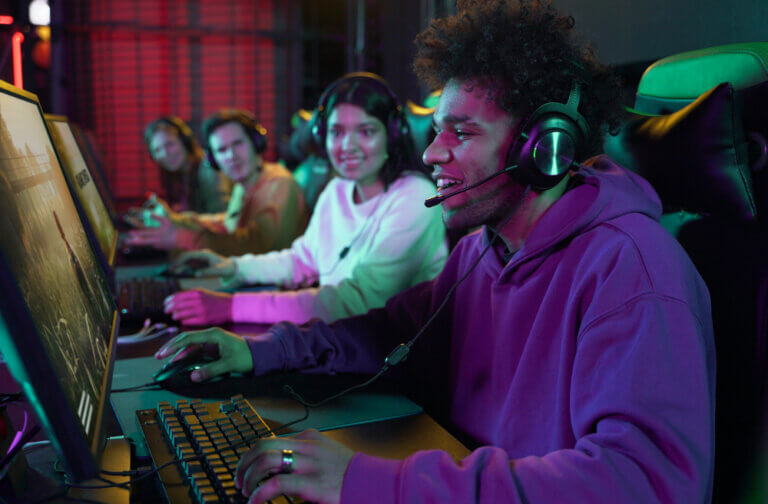
In fact, cosmetic features have become major aspects of popular competitive games today. Even though they don’t influence your skill level directly, cosmetics certainly give you a sense of who you are, your social status, and they are even capable of re engaging a player after a long break.

For a game like CS2, the set of skins and other visible items has become an entire digital economy governed by the three fundamental concepts of value, scarcity, and trust. If you are willing to know the secret behind making wise decisions, consider that players who understand the working mechanism of this system are the ones who help themselves to the best choices. The other part of the explanation for why some items end up being extremely valuable is that it is mostly rarity and perceived value that ultimately determine an item’s worth.

The​‍​‌‍​‍‌​‍​‌‍​‍‌ Foundations Of Cosmetic Economies

At the core, the plastic economy is driven by three factors: rarity, demand, and supply. Game developers create various cosmetic items with different drop rates, unique appearances, and themes. Some items are normal and easy to get, while others are deliberately made rare.

In CS2, cosmetics mostly enter the economy through drops, cases, or limited releases. Drops occur during gameplay and are subject to predetermined probability rules. Normal skins are seen quite often but knife skins or special finishes are so rare that the chances of getting them are negligible. This scarcity is the result of a deliberate act. If there are fewer items, the value of each one increases.

Demand is generated by the players themselves. It can be a rare skin, but if the players dislike the design, the value will not increase. Meanwhile, a great looking skin used by popular gamers or seen in sports tournaments can see a substantial increase within a day. Eventually, the market brings these forces to a natural equilibrium, and the prices indicate the level of difficulty in obtaining an item and how much they are wanted by the ​‍​‌‍​‍‌​‍​‌‍​‍‌people.

Trading,​‍​‌‍​‍‌​‍​‌‍​‍‌ Marketplaces, and Safety Basics

As cosmetic inventories expand, trading is a natural evolution to exchanging a player’s unused items for his/her favorite ones. Third party platforms are therefore the main players in facilitating such trading. A CS2 skin marketplace in the CS2 ecosystem may offer structured listings, price references, and liquidity that typical player to player trading lacks. For instance, Tradeit is a popular CS2 skin marketplace where users can exchange items in a more organized environment.

Marketplaces enhance the efficiency of cosmetic economies, but they also create risk. Safety basics are important. Players should always double check the details of the trade, not give in to pressure, and be aware of how platform fees or withdrawal rules work. It is always good to have simple habits, such as protecting account access, checking item authenticity, and verifying trade confirmations, that will save a player from costly errors.

Trust is the foundation of a vibrant cosmetic economy. If players are confident in the security of trading items, the number of participants will increase, thus improving liquidity and price ​‍​‌‍​‍‌​‍​‌‍​‍‌stability.

Rarity​‍​‌‍​‍‌​‍​‌‍​‍‌ Tiers And Perceived Value

Rarity is less about how many there are and more about perception. CS2 categorizes skins into color coded tiers that indicate how uncommon an item is. Gamers quickly realize that certain colors indicate a higher status for items. This pictorial language simplifies the process of the community assigning value to an item without checking stats or drop tables.

There is also another glimmer of rarity brought by the condition. A skin can be in several wear states, for example, from perfect to very worn. Two skins of the same design can have wildly different prices just based on condition. Even things as insignificant as pattern variations can influence, creating microcategories of rarity within a single skin design.

As a result, an insight into cosmetic economies is always rewarded. Folks who get rarity tiers, wear levels, and patterns can decide if a price is profitable or ​‍​‌‍​‍‌​‍​‌‍​‍‌not.

Drops,​‍​‌‍​‍‌​‍​‌‍​‍‌ Circulation, And Long Term Balance

Cosmetic economies are constantly changing. New products are consistently being added to the system, while others gradually disappear into dormant accounts. The game developers maintain this balance. Adding new cases or collections diversifies interest, whereas removing old drops can increase the value of legacy items.

In CS2, certain skins will no longer be available through drops after a period has passed. This results in a limited supply. When the player base grows, or interest in older designs returns, demand is likely to rise while supply remains unchanged. The moment that prices go up dramatically is, more often than not, the case.

On the other hand, it is not guaranteed that every rare item will be worth a lot. The fashion is highly volatile. Colors are always trending, and new launches steal the limelight. Seasoning and timing, as much as scarcity, are rewarded by cosmetic economies.

Another​‍​‌‍​‍‌​‍​‌‍​‍‌ thing that counts is exposure. Skins that professional players use or those that get showcased at major events become culturally significant. A factor is that, even though cosmetics do not affect gameplay, they become part of the overall communal experience of watching and playing the game.

Why ​​Cosmetic Economies are Important to Competitive Games?

Cosmetic economies are among the main sources that keep a game running their popularity for a long time. They allow players to have goals beyond just winning games, and they become personally attached to their accounts and inventories. On the other hand, developers can earn income from cosmetics without compromising the game’s competitive balance.

As a player, knowing that these economies run like unwrapping the secret of random drops, you turn into a smart person. The whole process of the games, such as deciding when to keep, sell, or skip an item, makes the game more satisfying and less irritating.

In competitive games such as CS2, cosmetics are not just cosmetic; they are functional. They become a dynamic economy influenced by game developers’ decisions, players’ preferences, and players’ trust. In the case of rarity, demand, and safe trading being in perfect harmony, the cosmetic economies could be considered among the most long-lasting systems in modern gaming.

Blockchain Gambling Changed Everything

0

Online casinos used to mean credit cards and bank transfers. Waiting forever for your money. Then crypto showed up and the whole thing got different. Nobody really took Bitcoin gambling seriously when it first appeared around 2013-2014. It just seemed like a weird experiment. Most platforms only accepted it as a side payment option next to the normal stuff. People thought crypto was sketchy.

Now in 2025, web3 is introduced and it’s completely different. Crypto casinos handled over $26 billion in bets just during the first three months of this year. That’s almost double from last year. Not experimental anymore.

Why Gambling With Crypto Actually Caught On

Speed is probably the biggest reason. Regular online casinos take 3-5 business days to send your money, sometimes way longer if there’s some issue with verification or whatever. Crypto transactions finish in minutes usually. Sometimes even faster depending on how busy the network is at that moment.

Lots of people like the privacy aspect too. Normal casinos want your ID, credit check, all that annoying paperwork. Many crypto platforms let you just play without handing over personal details, which attracts people who care about privacy or live in places where gambling gets restricted.

Fees are way cheaper with cryptocurrency. Banks and credit cards can hit you with like 10 percent charges for moving money across borders. Crypto fees usually stay under a dollar no matter how much you’re moving around. That adds up if you deposit and withdraw a lot.

How The Blockchain Thing Actually Functions

Blockchain keeps a permanent record of everything. Every single bet, win, loss, payout gets recorded on this distributed ledger thing where anyone can check it. Traditional casinos kept all that in private databases nobody could see.

Smart contracts do most of the work now, which are basically programs that run automatically when conditions get met. You bet 0.01 Bitcoin on red, ball lands red, boom the smart contract instantly pays 0.02 Bitcoin. Nobody needs to approve it manually. No waiting, no arguing about what happened.

Provably fair gaming lets players verify outcomes themselves using cryptographic stuff. The casino generates a hash before the round starts. After it’s done you can check that hash against what actually happened to prove nothing got manipulated. Regular casinos could never do this because their systems were locked down.

What Playing Looks Like Now

Every new crypto casino that pops up tries to one-up the last one. Game libraries got massive; some platforms have over 6000 titles from tons of different providers. That variety wasn’t possible when casinos relied on banking partnerships that had geographic limits.

Most people play on phones now. Sessions average like 15 minutes which suggests people gambling during lunch breaks or on the bus instead of sitting at a computer all evening. Works seamlessly across devices since it all runs through blockchain networks that don’t care if you’re on iPhone or Android or whatever.

What’s Different This Year

AI got added to pretty much every major platform in 2025. It watches how you play and suggests games you might like, and offers custom bonuses based on your habits. Same systems also watch for problem gambling signs and can flag accounts that show risky patterns before things get bad.

Withdrawal speeds got crazy fast. Some casinos process Bitcoin withdrawals in under 12 minutes now consistently. That’s basically instant compared to what used to take multiple days. Regular casinos can’t touch that speed because their payment systems just don’t work that way.

Mobile apps improved a lot. Everything runs smoother, loads faster, looks cleaner. Early crypto casinos felt super technical and clunky. Modern ones feel as polished as any mainstream gaming app which helped bring in casual players who aren’t crypto nerds.

Problems That Haven’t Gone Away

Crypto prices bounce around which affects your gambling money. Say you deposit $1000 worth of Bitcoin then by the time you cash out your winnings Bitcoin dropped 10 percent. That eats into profits in ways regular money gambling doesn’t deal with. Can go the other way too but the unpredictability bothers people.

Laws are still unclear in most places. Crypto casinos usually operate under licenses from offshore spots like Curaçao or Malta. Creates gray areas where players don’t know if they’re breaking laws at home. Some countries ban online gambling but can’t really enforce those bans against decentralized platforms.

Who Actually Plays These Days

Players aren’t just crypto enthusiasts anymore. Early on it was mostly people already into cryptocurrency who wanted another way to use their digital money. Now regular gamblers show up because the speed and convenience work even for people who don’t care about blockchain.

High rollers found crypto casinos appealing because deposit and withdrawal limits are way higher. Traditional casinos cap amounts to manage banking risks but crypto platforms handle six-figure transactions easily. VIP programs offer similar or better perks than traditional high-limit rooms give.

What Might Happen Next

NFT stuff is popping up on some platforms now. Players can own digital items like custom card designs or slot themes as NFTs that have value outside just the casino. Some platforms let you buy and sell these creating markets around casino items which is kinda weird but people seem into it.

DAO governance is being tested where token holders vote on platform decisions. Decentralizes control more and gives players input on how casinos run. Early experiments look promising but also show how hard it is when thousands of people try making decisions together.

Conclusion

Crypto casinos push blockchain adoption by giving people actual reasons to use it. Someone who never owned cryptocurrency might get their first wallet just to play at a casino then realize there’s other stuff they can do with it. The transparency blockchain benefits gambling overall. Even traditional casinos are looking at ways to add provably fair technology to build trust. Competition from crypto platforms forces everyone to innovate.

Finding a good new crypto casino takes some digging but options keep expanding. The market went from a handful of experimental sites to hundreds in just a few years and growth isn’t slowing down as technology and regulations keep changing.

The Instant Play Revolution: How Free Games Are Opening Gaming to Everyone

0

Instant play browser games run straight from web pages, stripping away the steps that once blocked entry to gaming. Downloads, costs, and logins no longer stand in the way, letting anyone with the internet join in. Devices from phones to old laptops handle them well, and free access makes sharing simple. This shift opens gaming to broader crowds, turning it into a basic activity rather than a specialized one.

Breaking Down Traditional Barriers

Instant play browser games operate directly in web browsers, sidestepping the usual complicated setup that once kept many from starting. Traditional gaming often demands large downloads, which take up a lot of storage and time, especially on slower connections. Payment walls add another hindrance, requiring credit cards or subscriptions before play begins. Sign-up processes demand emails, passwords, and verification, creating friction right at the outset.

Free instant games cut all that away. Load a free games site like Poki, and games run immediately; no installs, no fees, and no accounts are needed. This direct access means someone curious about gaming can jump in within seconds. Data from platforms shows millions of sessions start this way daily, proving the model works without the old obstacles.

Universal Device Compatibility

Any internet-connected device now handles high-quality free games, broadening reach far beyond dedicated consoles or high-end PCs. Smartphones, tablets, laptops, and even older desktops suffice as long as they support a modern browser like Chrome or Firefox. 

Developers optimize for HTML5 and WebGL, ensuring smooth performance across hardware specs. This mirrors broader accessibility trends like WCAG 2.2 standards for scalable UI and responsive design across diverse devices and input methods.

Consider a student on a budget Chromebook, or a parent using a work laptop. Both can access titles like “Krunker” or “Shell Shockers” without compatibility issues. Cross-device play holds progress in the cloud, so switching from phone to PC mid-session loses nothing. Stats from browser platforms highlight how these games draw users on low-spec Android devices in developing markets, where full apps might fail.

From Niche Hobby to Shared Pastime

Free instant play turns gaming into something casual groups do together, rather than a costly pursuit for enthusiasts with gear. Before, expenses for hardware, titles, and expansions limited it to those with means. Now, zero-cost entry lets families, friends, or coworkers try multiplayer modes on shared screens.

Take office breaks: coworkers load a quick soccer game in-browser, no setup needed. Classrooms use simple puzzle games for team-building without software installs. Platforms report spikes in social shares, as players send links via chat apps. This openness fosters repeat play; casual gamers stick around for variety, from puzzles to shooters, all free of charge.

Real-World Examples in Action

Poki leads with a proven library of free games on your browser, focusing on mobile-first design that runs smoothly on touchscreens. It hosts exclusive titles from sports like “Bouncy Basketball”, action like “Stickman Hook” and “Funny Shooter 2”, to multiplayer and more, all browser-based. Indie game lovers can also explore wondrous gems, such as Retro Bowl or Level Devil, an exclusive work by Unept studio.

The site sustains itself through ads and optional donations. User numbers back it: over 100 million monthly players, mostly on phones. Such scale proves instant play delivers quality without paywalls, attracting non-gamers who avoid stores like Steam.

Broader Access Drives Participation

Lowered entry points mean more people play, diversifying who games and what they play. Women, older adults, and low-income groups, once underrepresented, now join via browsers. This trend is evident in Southeast Asia’s gaming market growth, with reports pointing to a 3.7% CAGR from 2024-2027, faster than the global 3.2% average. 

High smartphone penetration enables accessible browser play in areas with uneven infrastructure. This participation boost creates feedback loops: more players mean more developer focus on browser formats, improving quality over time.

Lasting Effects on Gaming Habits

Instant play builds habits that last. Quick sessions lead to longer involvement, as users find favorites amid variety. Without commitment, experimentation flourishes. You can try a racing game today, then a word puzzle tomorrow. Casual browser platforms exhibit strong retention typical of the industry.

Communities form around these free games, with forums and Discord servers for tips. This sustains interest without the isolation of solo downloads. Overall, free browser gaming proves that fun needs no big investment, inviting everyone in.

Top 5 Best Game Design Schools in New York for 2026

New York has one of the most vibrant gaming and game design ecosystems in the United States. The state’s gaming industry has a $5 billion economic impact and over 13,000 supported jobs, said the Entertainment Software Association. At the same time, New York continues to be one of the best places for aspiring game designers, offering a variety of premier game design schools. On top of these, the Empire State delivers abundant recreational and cultural opportunities, along with a wealth of resources and business opportunities nearby.


Our Criteria

To determine the top game design schools in New York, we reviewed publicly available information and program offerings and relied on EduRank to select the best options in the state. Our focus was on identifying schools that provide the strongest preparation for professional game design careers. This approach ensures a consistent evaluation while prioritizing choices that equip students with knowledge and practical skills for the evolving gaming industry.

How to Use Our Criteria

While our list is based on statistics and facts, we acknowledge that it is not absolute and is open to interpretation. We also recognize that each student has varying needs regarding program focus, campus culture, cost, lifestyle, and the like. With that said, our rankings are solely intended to provide guidance and highlight programs that can help students land a career in game design.


Five Game Design Schools in New York (2026)

Cornell University

About Ithaca | Cornell University

Cornell University’s Game Design Initiative, which started in 2001, offers an undergraduate Game Design minor. Specifically, this program champions experiential learning about artistic storytelling, principles of design, and technical skills. The courses within the curriculum include Introduction to Computer Game Design, Advanced Topics in Computer Game Design, and more. Moreover, graduates will gain multidisciplinary skills applicable in areas, including game analytics, gameplay design, project management, and software development.

Quick Facts

  • World ranking: 5 of 14,131
  • US ranking: 4 of 2,496
  • Control: Private not-for-profit
  • Highest degree offered: Doctor’s degree
  • Acceptance rate: 8%
  • Graduation Rate: 95%

Tuition and fees at the school range from about $29,000 to over $65,000 per year for in-state and out-of-state students.

New York University

New York University - Abound: Grad School

New York University houses the Game Center, which is an institution that administers a Bachelor of Fine Arts in Game Design. It is a four-year program that introduces students to the basics of games through multifarious lenses. Before completing a senior project, learners focus on areas such as audio design, game business, game design, game development, game studies, programming, and visual design. This well-rounded undergraduate education prepares students for careers in game design, game development, game scholarship, and game criticism.

Quick Facts

  • World ranking: 22 of 14,131
  • US ranking: 17 of 2,496
  • Control: Private not-for-profit
  • Highest degree offered: Doctor’s degree
  • Acceptance rate: 9%
  • Graduation Rate: 88%

Tuition and fees at the school range from about $38,000 to over $60,000 per year for in-state and out-of-state students.

Rensselaer Polytechnic Institute

Rensselaer Polytechnic Institute - Troy, NY | Appily

The Rensselaer Polytechnic Institute delivers a Bachelor of Science in Games and Simulation Arts and Sciences within its Department of Games and Experiential Media. With six concentrations to choose from, the program blends theory and application with an emphasis on interdisciplinary work. The objectives of the curriculum include giving students a sense of procedural literacy, making them fluent in programming or scripting languages, and helping learners build a career-ready portfolio. After completing the undergraduate program, students can pursue higher education with a Master of Science and Doctor of Philosophy degrees in Critical Game Design or establish careers in animation, game design, game development, and interactive simulation and visualization.

Quick Facts

  • World ranking: 328 of 14,131
  • US ranking: 120 of 2,496
  • Control: Private not-for-profit
  • Highest degree offered: Doctor’s degree
  • Acceptance rate: 58%
  • Graduation Rate: 83%

Tuition and fees at the school are about $60,000 per year for in-state and out-of-state students.

Rochester Institute of Technology

RIT again ranked among the best universities in the nation by U.S. News | RIT

Rochester Institute of Technology boasts a Bachelor of Science in Game Design and Development that delivers real-world experiences, specialization opportunities, industry connections, and studio access. With an emphasis in game programming, the program allows students to explore and gain knowledge in animation, design, game design, interactive media, modeling, and user interaction. In line with this, it prepares learners for a Game Design and Development MS, which is also offered at the university. Meanwhile, the typical job titles upon graduation include associate game designer, associate UI engineer, game designer, game developer, level designer, programmer, and UI/UX designer.

Quick Facts

  • World ranking: 520 of 14,131
  • US ranking: 162 of 2,496
  • Control: Private not-for-profit
  • Highest degree offered: Doctor’s degree
  • Acceptance rate: 71%
  • Graduation Rate: 71%

Tuition and fees at the school are about $56,000 per year for in-state and out-of-state students.

The New School

The New School - New York, NY | Appily

The New School operates a Bachelor of Fine Arts in Design and Technology program with a game design pathway. In particular, students will delve into the critical processes of game design while studying how engaging player experience is shaped by aesthetics and cultural influences. At the end of the program, the typical career paths for graduates include animation, game design, motion graphics, and virtual reality and immersive experience design.

Quick Facts

  • World ranking: 761 of 14,131
  • US ranking: 218 of 2,496
  • Control: Private not-for-profit
  • Highest degree offered: Doctor’s degree
  • Acceptance rate: 63%
  • Graduation Rate: 71%

Tuition and fees at the school range from about $51,000 to over $54,000 per year for in-state and out-of-state students.

Honorable Mentions: Adelphi University, Alfred State College, Binghamton University, Fashion Institute of Technology, Long Island University, Marist University, Mount Saint Mary College, Pace University, Pratt Institute, Rochester Institute of Technology, St. John’s University, Stony Brook University, Syracuse University, The College of Saint Rose, University at Buffalo, and Vaughn College of Aeronautics and Technology.

Why Study Game Design in New York?

In the hierarchy of video game ecosystems, New York is one of the states that is at the top of the pecking order. At its core, it is home to a number of first-class academic game design programs that produce one of the most educated workforces. Also, its billion-dollar digital game development industry houses hundreds of gaming studios, including Take Two Interactive and Velan Studios, providing thousands of direct and indirect digital game development jobs. In other words, the states ensure that quality education has corresponding bright career opportunities.

Frequently Asked Questions

Q: What makes New York a good state for game design?

A: The region houses several top-ranked educational institutions and a plethora of game development companies.

Q: What is the best game design program in New York?

A: New York University’s Bachelor of Fine Arts in Game Design is commonly recognized as the top program, with a strong national ranking and industry preparation.

Q: Are there online alternatives for game design education in New York?

A: Yes, students can learn game design online through some of the school options in the area. You can check the official websites to see full details.

Note: This article incorporates the latest available data and information at the time of writing. Keep in mind that statistics can vary over time due to updates and real-world changes.
Top 3 Best Game Design Schools in New Mexico for 2026

Standalone game design majors in New Mexico are still emerging, but there are a few game design schools that offer diverse and creative educational pipelines in the field. Besides, the state has become more alluring to gaming corporations in recent years. It is particularly noted for its 30% tax incentive for game development companies, as reported by NM Borderplex. The educational pathways and supportive gaming ecosystem make New Mexico one of the best gaming destinations.


Our Criteria

To determine the top game design schools in New Mexico, we reviewed publicly available information and program offerings and relied on EduRank to select the best options in the state. Our focus was on identifying schools that provide the strongest preparation for professional game design careers. This approach ensures a consistent evaluation while prioritizing choices that equip students with knowledge and practical skills for the evolving gaming industry.

How to Use Our Criteria

While our list is based on statistics and facts, we acknowledge that it is not absolute and is open to interpretation. We also recognize that each student has varying needs regarding program focus, campus culture, cost, lifestyle, and the like. With that said, our rankings are solely intended to provide guidance and highlight programs that can help students land a career in game design.


Three Game Design Schools in New Mexico (2026)

University of New Mexico – Valencia Campus

UNM-Valencia awarded 'revolutionary' grant to boost Humanities curriculum, undergraduate research | UNM UCAM Newsroom

The University of New Mexico’s campus in Valencia is home to an Associate of Applied Science in Game Design and Simulation degree and a Game Design and Simulation certificate. In the degree program, students gain skills in using software and techniques to create game assets and game design theories to make their projects immersive. Meanwhile, the certificate program enables learners to acquire experience in the entire game design process. Both programs include courses, such as Introduction to Game Development, Game Engine, Game Programming, Character and Creature Modeling, Level Design, and much more. Upon completion, students can use this credential to make educational advancement, like a bachelor’s degree, or start working in areas including game development, digital art, and UX design.

Quick Facts

  • World ranking: 187 of 14,131
  • US ranking: 84 of 2,496
  • Control: Public
  • Highest degree offered: Doctor’s degree
  • Acceptance rate: 95%
  • Graduation Rate: 53%

Tuition and fees at the school range from about $6,000 per year for in-state students to over $25,000 per year for out-of-state students.

New Mexico State University

New Mexico State University | BE BOLD. Shape the Future.

New Mexico State University’s branch campuses in Grants and Doña Ana have a Game Design certificate and an Associate of Applied Science in Game Development, respectively. Students who prefer the certificate program will train using the Adobe suite, Blender, and Unreal Engine 5. They will also take Introduction to 3D Modeling, 3D Character Design, Game Tools and Techniques, and Level Design Concepts courses. On the other hand, those who choose the associate degree will acquire essential knowledge and skills by completing courses, such as Principles of Design, Creative Media Studio, Storyboarding, Game Tools and Techniques, and much more. Accordingly, completers will be proficient enough to land jobs in 3D modeling, conceptual game design, digital media design, and programming.

Quick Facts

  • World ranking: 481 of 14,131
  • US ranking: 150 of 2,496
  • Control: Public
  • Highest degree offered: Doctor’s degree
  • Acceptance rate: 76%
  • Graduation Rate: 52%

Tuition and fees at the school range from about $6,000 per year for in-state students to over $23,000 per year for out-of-state students.

Eastern New Mexico University – Roswell

Eastern New Mexico University - Roswell | Success Starts Here!

The Eastern New Mexico University in Roswell administers a Media Arts program with a game design track. In particular, it is a certificate of occupational training. Additionally, the curriculum has courses, such as 3D animation, game design concepts, game design fundamentals, and game tools & techniques. At the end of the training, students are expected to contribute to the creation of digital games, as well as use industry-standard tools. Accordingly, the program ensures that graduates have the competencies to secure positions as game artists, game designers, interface designers, level designers, and producers.

Quick Facts

  • World ranking: 3291 of 14,131
  • US ranking: 851 of 2,496
  • Control: Public
  • Highest degree offered: Master’s degree
  • Acceptance rate: 55%
  • Graduation Rate: 40%

Tuition and fees at the school range from about $4,000 per year for in-state students to over $7,000 per year for out-of-state students.

Honorable Mentions: Clovis Community College, Luna Community College, Santa Fe Community College, and Southeast New Mexico College.

Why Study Game Design in New Mexico?

New Mexico’s gaming landscape is becoming well-rounded. For instance, the existing universities offer game design programs or relevant courses to help students build essential expertise in various areas. At the same time, the supportive environment in the state makes it more appealing to gaming companies, which could translate to more job opportunities for game design graduates in New Mexico.

Frequently Asked Questions

Q: Are there strong opportunities to learn game design in New Mexico?

A: Yes, there are educational institutions that provide reliable pathways to study game design.

Q: Which school delivers a comprehensive game design degree?

A: The university that has one of the most directly game-oriented degrees in the state is the University of New Mexico – Valencia (Associate of Applied Science in Game Design and Simulation).

Q: Which option offers online education?

A: Many community colleges in the region provide online formats for game design education.  

Note: This article incorporates the latest available data and information at the time of writing. Keep in mind that statistics can vary over time due to updates and real-world changes.

Game Designers Explore Crypto-Based Asset Pipelines

0

Game asset pipelines are no longer just about exporting meshes or balancing drop rates. In 2026, many designers are debating how ownership, persistence, and economies fit into modern play, especially as games stretch across platforms and communities. Crypto-backed assets are part of that discussion, not as a mandate, but as an optional toolset worth understanding.

What makes this conversation different from earlier hype cycles is the tone. Instead of promising revolutions, designers are asking practical questions: can these systems help prototype ideas faster, reveal economic flaws earlier, or support player-driven value without locking a project into rigid tech choices?

1. Why Asset Pipelines Are Evolving

Traditional pipelines were built for closed systems, where assets lived and died inside one game. That model strains when players expect progression to persist across updates, sequels, or even entirely different experiences. Designers are responding by exploring more modular asset flows that separate creative intent from technical storage.

As experimentation grows, teams also need simple ways to handle test assets without rebuilding infrastructure every sprint. In these conversations, tools like a crypto wallet often come up—not as a requirement, but as a practical way to manage digital tokens. A cryptocurrency wallet is a secure application that stores private keys, allowing users to send, receive, and track ownership of blockchain-based assets. 

In a game design context, wallets let teams simulate asset ownership, transfer, and persistence across different prototypes or platforms, providing a realistic test environment without locking the project into permanent blockchain integrations too early. This approach makes it easier to explore economies, player-driven marketplaces, or cross-platform item persistence in a controlled, flexible way.

The point is flexibility. Asset pipelines are evolving because design problems are evolving, and optional crypto tooling can sometimes help map those problems more clearly.

2. Prototyping Ownership In Games

Ownership is easy to describe and hard to design. When players can trade, lend, or resell items, every decision ripples through balance, progression, and community behaviour. Blockchain-backed assets offer a way to prototype those ripples early.

There is also evidence that this space remains relevant despite volatility. In Q3 2025, gaming accounted for 25% of all active Web3 wallets, highlighting how large a share of on-chain activity still comes from games. For designers, that resilience makes blockchain a useful testbed for studying player-driven ownership models under real conditions.

3. Tooling Challenges And Tradeoffs

None of this comes free. Crypto-based pipelines introduce friction, from onboarding complexity to performance considerations. For small teams or students, the learning curve alone can outweigh the benefits if the design goals are modest.

There are also economic implications to consider. Data cited by RWATimes shows that 42% of blockchain gaming revenue in 2025 came from tokenized in-game asset sales. That scale can be useful for prototyping, but it also risks skewing design priorities if monetisation starts driving mechanics too early.

4. When Crypto Adds Real Design Value

The real question is not whether crypto belongs in games, but when it earns its place in the design process. It adds value when a project needs to test ownership boundaries, secondary markets, or interoperability in a concrete way.

For aspiring designers, the takeaway is pragmatic. Treat crypto-based asset pipelines as optional lenses, not default foundations. Used carefully, they can expose economic and systemic issues early, sharpening design instincts even if the final game ships without any blockchain at all.

Winport Casino Australia Review: Speed, Freedom, Pure Gameplay

0

Winport Casino is built for Australian players who want fast access and real gameplay freedom. The platform feels sharp from the first click—modern visuals, clean sections, and a sense of variety that invites exploration without slowing the pace.

Innovation here is practical, not noisy. Pages load quickly, menus respond instantly, and the layout stays consistent across desktop and mobile, keeping every move smooth and controlled. Explore Winport Casino now and see how effortless a well-paced session can feel.

Platform Experience at Winport Casino

The platform experience at Winport Casino is built around balance. The design is clean and contemporary, using smart spacing and crisp contrast to guide the eye naturally. Navigation stays consistent throughout, making it simple to shift between games, bonuses, banking, and support without breaking the flow.

Mobile optimisation is a key strength. The website adapts smoothly to smartphones and tablets, keeping performance stable without requiring an app. Taps and swipes feel responsive, content scales cleanly, and the experience stays comfortable whether it’s a quick check-in or a longer session.

Account creation is equally streamlined. Registration focuses on essentials, while verification steps are clearly explained and integrated—helpful for avoiding delays when it’s time to withdraw.

Games Offered by Winport Casino

The games portfolio at Winport Casino is broad, varied, and neatly arranged for easy discovery. The platform works with established software developers, supporting reliable performance and certified randomness across its titles.

Below is a quick table that breaks down what players can expect from the Winport Casino game library at a glance.

Game Category What’s Included Key Numbers
Slots Classic 3-reel titles, modern video slots, Megaways games, feature-driven slots with bonus rounds and cascading mechanics 2,000+ games; RTP typically 95.5%–97%
Table Games Multiple versions of blackjack, roulette, baccarat, and poker European Roulette; Blackjack Classic; VIP tables available
Live Casino Professionally streamed tables with real dealers Minimum bets from AUD 1; Live Blackjack; Lightning Roulette; Live Baccarat

With this mix, Winport Casino keeps variety front and centre while maintaining a smooth, easy-to-browse structure for quick game discovery.

Payment Methods at Winport Casino

Below are the main payment methods available at Winport Casino for deposits and withdrawals.

  • Visa.
  • Mastercard.
  • PayID.
  • POLi.
  • Bank transfer.

This selection covers the most common options for Australian players and makes it easy to choose a familiar way to manage funds.

Security Measures and Responsible Play

Security is a foundational part of Winport Casino’s operation. The platform follows recognised licensing standards and uses modern encryption technology to safeguard player information.

Responsible gaming tools are built into the account dashboard, offering practical controls without overcomplication. Players can set deposit limits, enable session reminders, or apply cooling-off periods to keep play manageable and sustainable.

Bonuses Available at Winport Casino

Bonuses at Winport Casino aim to deliver strong value without turning the terms into hard work. The table below outlines the main bonus structure currently available on the platform.

Bonus Type Amount Wagering
Welcome Bonus 100% up to AUD 1,000 35x
Free Spins 200 spins 35x winnings
Reload Bonus 30–50% up to AUD 500 35x
Cashback Up to 10% No wagering

All bonus conditions are shown clearly within the promotional area, making it easier to track eligibility and progress without second-guessing the details.

Customer Support

Customer support at Winport Casino is available through 24/7 live chat, providing quick help for account queries, payment questions, or technical concerns. Email support is also available, with response times typically within 24 hours.

Support communication stays clear and solution-focused, avoiding unnecessary scripts. A dedicated FAQ section is also available for common topics, making it easier to resolve smaller issues without waiting.

Mobile Gaming at Winport Casino

Mobile gaming at Winport Casino is built around speed and flexibility, keeping the full casino experience within easy reach. The platform is fully optimised for mobile browsers, allowing players to access games, bonuses, and account features directly from smartphones and tablets without installing an app.

The interface adapts smoothly to smaller screens, preserving clarity and navigation flow. Game thumbnails load quickly, menus remain responsive, and touch controls feel precise—important details that keep gameplay fluid during shorter sessions or extended play on the go.

Slots, table games, and live casino titles are all available in the mobile version, with performance remaining stable across devices. This consistency ensures that players can switch between desktop and mobile play without adjusting to a different layout or reduced functionality.

Conclusion

Winport Casino welcomes Australian players into a space that feels calm, polished, and ready to run at full speed. Structured bonuses, a broad game catalogue, reliable payment processing, and a consistently smooth interface create an experience that stays focused where it matters—clean choices, steady rhythm, and gameplay that doesn’t lose its flow. Instead of piling on extras, Winport Casino keeps the session balanced and easy to navigate, so variety feels exciting rather than overwhelming. Explore Winport Casino now and experience a platform built for smooth play from the first click.

FAQ

What licence does Winport Casino operate under?

Winport Casino operates under an internationally recognised gaming licence that supports fair play and regulatory compliance.

What is the minimum deposit at Winport Casino?

The minimum deposit at Winport Casino is usually AUD 20, depending on the selected payment method.

How long do withdrawals take at Winport Casino?

Withdrawals at Winport Casino are generally processed within 12 to 48 hours, with some methods completing faster.

Is Winport Casino compatible with mobile devices?

Winport Casino is fully optimised for mobile browsers and works smoothly on smartphones and tablets without an app.

Are there promotions for existing players at Winport Casino?

Winport Casino offers reload bonuses, free spins, and cashback promotions tailored specifically for existing players.

How Game Design Is Quietly Rewriting the Rules of Modern Education

0

Education is changing, but not in the loud, disruptive way people often expect. There are no flashing screens replacing teachers overnight, no classrooms turning into arcades. Instead, the shift is subtle. It happens in how lessons are structured, how progress is measured, and how students experience challenge. At the center of this shift sits an unlikely influence: game design.

The connection between education and games is often misunderstood. Many assume it starts and ends with points, badges, or leaderboards. In reality, the influence runs much deeper. It reshapes how learning is paced, how mistakes are handled, and how motivation is sustained over time.

This idea surfaced for me during a conversation about academic pressure and creative thinking, where DoMyEssay essay writer no AI appeared side by side in a discussion about authenticity and structure. The mention was brief, but the implication was striking. Whether someone is designing a game, writing an essay, or building a curriculum, the same principle applies: people perform better when systems guide them instead of judging them.

Game design understands this instinctively. Education is only now catching up.

Why Traditional Education Struggles With Engagement

Most educational systems were designed for efficiency, not experience. Lessons are delivered in batches. Assessments arrive at fixed intervals. Progress is measured with grades that summarize weeks or months of work into a single number.

From a design perspective, this is risky. Feedback arrives too late. Objectives are often vague. Failure feels final rather than informative.

Games operate under the opposite logic. They break complex goals into manageable steps. They provide immediate feedback. They treat failure as part of the process, not a verdict on ability.

This difference explains why students who feel disengaged in classrooms can spend hours solving complex problems in games. The issue is not attention span. It is structure.

Learning as a Playable System

Game designers do not ask players to master everything at once. They introduce mechanics gradually. Each challenge builds on the previous one. Progress is visible, and effort is rewarded with new opportunities rather than judgment.

When this mindset enters education, learning becomes a system instead of a performance.

Instead of asking students to prove knowledge in a single high-stakes exam, game-inspired learning environments allow students to demonstrate understanding repeatedly, in different contexts. Knowledge becomes something you use, not something you display once and forget.

This approach changes behavior. Students experiment more. They ask better questions. They persist longer because the system expects growth, not perfection.

Motivation Is Not a Personality Trait

One of the most damaging myths in education is the idea that motivation is something students either have or lack. Game design rejects this entirely.

In games, motivation is designed. Clear goals, achievable challenges, autonomy, and meaningful feedback create engagement naturally. Players are not told to care. They are placed in systems that make caring inevitable.

When educational environments adopt these principles, motivation becomes less fragile. Students know what they are working toward. They see progress. They understand why effort matters.

This does not mean learning becomes easy. Games are often difficult. The difference is that difficulty feels purposeful rather than arbitrary.

The Power of Immediate Feedback

Feedback is where game design truly outperforms traditional education. In games, feedback is constant. Every action produces a response. Players adjust in real time.

In many classrooms, feedback arrives weeks later. By then, the emotional connection to the work is gone. The learning moment has passed.

Game-informed education shortens this loop. Quizzes respond instantly. Simulations show consequences immediately. Digital platforms track skill development over time.

Mistakes stop being embarrassing and start being useful. Students learn faster because they are allowed to fail safely.

Storytelling as a Learning Tool

Games rarely present information in isolation. They embed knowledge inside stories, challenges, and decisions. This narrative structure makes information memorable.

Education benefits enormously from this approach. When lessons are framed as problems to solve rather than facts to absorb, students engage more deeply. History becomes a sequence of decisions. Science becomes a system with cause and effect. Ethics becomes a set of dilemmas rather than abstract rules.

Stories provide context, and context creates meaning. Meaning improves retention.

This is not about turning lessons into entertainment. It is about respecting how humans process information.

Skill Development Over Memorization

One of the strongest arguments for integrating game design into education is its focus on transferable skills. Games teach players how to think, not just what to know.

Players learn problem-solving, pattern recognition, collaboration, and resilience. These skills extend far beyond the game environment.

Educational systems influenced by game design prioritize application over recall. Students demonstrate understanding by using knowledge in new situations, not by repeating it under pressure.

This prepares learners for real-world complexity, where problems rarely come with clear instructions or single correct answers.

Higher Education Is Already Adapting

Universities are increasingly experimenting with game-based frameworks, especially in technical and professional fields. Simulations are used in medicine, engineering, and economics. Role-based scenarios teach leadership and ethics. Virtual labs reduce costs while expanding access.

These tools do not replace educators. They enhance instruction by handling repetition and feedback, freeing teachers to focus on mentorship and discussion.

When students arrive engaged and prepared, teaching becomes more effective.

Psychological Safety Changes Everything

Play creates psychological safety. It allows people to explore without fear of embarrassment. In games, failure is expected. In classrooms, it is often punished.

Game-informed education reframes failure as feedback. This shift reduces anxiety and increases participation. Students take intellectual risks because the system supports recovery.

This does not lower standards. It raises them. Students persist longer when they believe improvement is possible.

Designing Education for a Changing World

The modern world rewards adaptability more than memorization. Careers evolve quickly. Tools change. Information becomes outdated.

Game design embraces change. It teaches players how to learn systems, not just follow instructions.

When education adopts this mindset, students stop asking whether something will be tested and start asking how it works. That curiosity is the foundation of lifelong learning.

Where Education and Game Design Truly Meet

The future of education is not about making learning flashy. It is about making it humane.

Game design succeeds because it respects human behavior. It anticipates frustration. It guides progress. It rewards effort.

When education borrows these principles thoughtfully, learning becomes something students participate in rather than endure.

The classroom does not need to look like a game. It needs to think like one.

And when it does, education stops being a system of judgment and becomes a system of growth.

When Learning Starts Playing by New Rules

0

Education rarely changes all at once. It shifts quietly, almost politely, borrowing ideas from unexpected places. Today, one of its most influential sources is game design. Not the flashy kind associated with consoles and controllers, but the deeper logic behind how games teach, motivate, and retain attention. When those principles move into classrooms and digital learning spaces, something interesting happens. Students stop resisting learning and start engaging with it.

Early discussions around this shift often mix practical concerns with creative thinking. In one conversation about structuring coursework and managing cognitive load, the phrase academic writing service with writers came up alongside game-based learning tools. The link was not accidental. Both exist to guide people through complexity by breaking big challenges into manageable steps. That shared logic is at the heart of why game design fits education so well.

Why Engagement Has Become the Core Problem

For decades, education systems focused on delivering information efficiently. Lectures, textbooks, exams. The assumption was simple: if knowledge is presented clearly, learning will follow. Experience has proven otherwise.

Students today have access to more information than any generation before them. What they lack is not content, but engagement. Attention has become the scarce resource. When learning feels disconnected from progress or purpose, motivation fades quickly.

Game designers solved this problem long ago. They do not rely on instruction alone. They design experiences that pull players forward, step by step.

Games Teach Without Announcing the Lesson

One reason games are so effective is that they rarely feel like teaching. Players learn rules, systems, and strategies because they need them to advance. Knowledge is contextual, immediate, and useful.

In education, information is often presented before students understand why it matters. Game-informed learning flips this order. It introduces a challenge first, then provides tools to solve it.

This approach changes how students relate to difficulty. Instead of asking, “Why do I need to know this?” they ask, “What happens if I try this?”

Curiosity replaces compliance.

Failure as Feedback, Not Judgment

Traditional education treats failure as a signal to stop. A bad grade closes doors. A missed concept lingers as a label.

Game design treats failure as data. When players fail, the game responds. It shows what did not work and invites another attempt. There is no shame, only adjustment.

When this philosophy enters education, student behavior shifts dramatically. Learners take risks. They test ideas. They persist longer because the system expects iteration.

This does not make learning easier. It makes it more honest.

Clear Goals Change Everything

Games are relentless about clarity. Players always know what they are trying to achieve, even if the path is challenging. Objectives are visible. Progress is measurable.

In education, goals are often abstract. Students are told to “understand the material” or “improve critical thinking” without clear markers of success.

Game-inspired learning defines goals concretely. Skills are mapped. Progress is tracked. Mastery is visible.

When students see how effort translates into growth, motivation becomes internal rather than enforced.

Learning as a System, Not an Event

Most educational experiences are event-based. You attend a class. You submit an assignment. You take an exam. Then you move on.

Games think in systems. Progress unfolds over time. Early decisions affect later outcomes. Skills compound.

When education adopts this mindset, learning becomes continuous. Concepts return in new forms. Skills deepen rather than reset each term.

This system-based approach aligns better with how the brain learns. Repetition with variation builds lasting understanding.

Storytelling Creates Meaning

Humans remember stories far better than isolated facts. Game design leverages this instinct constantly. Even abstract games create narrative through progression and consequence.

Education benefits when lessons are embedded in stories. A math problem becomes a resource management challenge. A history lesson becomes a sequence of strategic decisions. A science concept becomes a system with visible cause and effect.

Stories do not simplify content. They organize it.

When students understand the narrative behind information, retention improves naturally.

Autonomy Fuels Motivation

Games give players choices. Even when objectives are fixed, the path is flexible. This sense of control increases investment.

Traditional education often removes autonomy. Assignments are prescribed. Methods are fixed. Creativity is limited by format.

Game-informed education restores agency. Students choose strategies. They explore alternatives. They learn through decision-making rather than instruction alone.

Autonomy does not reduce rigor. It increases ownership.

Collaboration as a Core Skill

Modern games rarely exist in isolation. They encourage teamwork, communication, and shared problem-solving.

Education increasingly mirrors this reality. Group-based challenges, simulations, and collaborative projects reflect how work actually happens outside the classroom.

Game design teaches students how to contribute meaningfully, negotiate roles, and adapt to others’ actions. These skills transfer directly to professional environments.

Learning becomes social rather than solitary.

Higher Education Is Paying Attention

Universities have begun integrating game design principles into curricula, especially in complex fields. Medical simulations allow students to practice decisions without real-world risk. Engineering programs use virtual environments to test systems. Business courses simulate markets and negotiation scenarios.

These tools do not replace instructors. They enhance teaching by shifting repetition and feedback into the learning environment itself.

Educators gain more time to mentor, discuss, and challenge students at a higher level.

Reducing Anxiety Through Design

Academic anxiety often comes from uncertainty. Students fear failing because they do not understand expectations or consequences.

Games reduce anxiety by making systems transparent. Players know the rules. They know how to recover from mistakes.

When education adopts this transparency, stress decreases. Students focus on learning rather than self-protection.

Confidence grows because progress feels achievable.

Designing for a Changing World

The modern world rewards adaptability. Careers evolve. Tools change. Information expires quickly.

Game design prepares learners for this reality by teaching systems thinking. Players learn how to learn. They adapt strategies as conditions change.

Education that adopts this approach stops prioritizing memorization and starts prioritizing flexibility.

Students graduate not just with knowledge, but with the ability to update it.

The Real Intersection of Education and Game Design

The future of education is not about turning lessons into games. It is about adopting the design intelligence that makes games effective.

Clear goals. Meaningful feedback. Safe failure. Visible progress. Human-centered systems.

When education integrates these principles, learning becomes something students participate in, not something they endure.

The most powerful lesson game design offers education is simple: people learn best when systems are built for growth, not judgment.

When classrooms start thinking like well-designed games, education becomes less about proving intelligence and more about developing it.

When Classrooms Start Thinking Like Game Studios

0

Education has always borrowed ideas from the world around it. Centuries ago, it borrowed from religion. Later, it borrowed from factories. Today, it is borrowing from game design — and not just in superficial ways like points or badges, but in how learning itself is structured, experienced, and remembered.

This shift did not happen overnight. It emerged quietly, as educators noticed a strange contradiction. Students could spend hours mastering complex game systems, remembering rules, strategies, maps, and mechanics — yet struggle to stay engaged during a forty-minute lecture on a related subject. The issue was never intelligence. It was design.

Early conversations around this topic often surface in unexpected places. While reading an online discussion about academic pressure, someone casually mentioned EssayService.com write my essay in the same breath as game-based learning tools. The context was not shortcuts or avoidance. It was about systems that help people move forward when motivation collapses. That connection matters. Both education and games succeed or fail based on how well they guide people through difficulty.

Why Games Teach So Effectively

Games are not addictive by accident. They are carefully constructed environments where learning happens constantly, often without the player noticing. Every level introduces a problem. Every failure provides feedback. Every success unlocks something new.

Most importantly, games respect the learner’s pace. Players are rarely punished permanently for failure. Instead, they are encouraged to try again, slightly wiser than before. Compare that to traditional education, where one bad test can define an entire semester.

Game designers obsess over clarity. Objectives are clear. Rules are understandable. Progress is visible. In education, these elements are often vague. Students are told to “study harder” without knowing what success actually looks like.

This difference explains why game design principles translate so well into learning environments.

Learning as a System, Not a Performance

Traditional education often treats learning as a performance. You attend class. You submit work. You take a test. The result becomes a label — good student, average student, struggling student.

Game-based learning reframes education as a system. You enter at one point. You gain skills. You unlock new challenges. Mistakes are part of progression, not proof of failure.

This shift changes student behavior dramatically. When failure is expected and recoverable, experimentation increases. Curiosity replaces fear. Effort becomes meaningful because it leads somewhere visible.

Educators who adopt this mindset stop asking, “Did the student pass?” and start asking, “Where did the student get stuck?”

Motivation Is Designed, Not Demanded

One of the most misunderstood aspects of education is motivation. Too often, it is treated as a personal trait. Some students are motivated. Others are not.

Game designers know better. Motivation is engineered.

Games motivate players through clear goals, immediate feedback, autonomy, and a sense of progress. These same elements can exist in education, but only if learning is designed with intention.

When students know exactly what they are working toward, why it matters, and how close they are to achieving it, effort increases naturally. When progress is invisible, motivation fades.

This is why progress bars, skill trees, and level systems are appearing in modern classrooms. They externalize growth, making learning tangible.

Feedback That Fuels Growth

Feedback in traditional education is often delayed and abstract. A paper is returned weeks later with a grade and a few comments. By then, the learning moment has passed.

Games provide feedback instantly. You know immediately if an action works. You adjust. You try again.

In educational game design, feedback becomes part of the experience. Quizzes respond in real time. Simulations show consequences immediately. Mistakes become information rather than judgment.

This type of feedback encourages persistence. Students stop fearing errors because errors become useful.

The Role of Story in Learning

Humans are wired for stories. Long before textbooks, knowledge was passed down through narrative. Game design revives this ancient method in a modern form.

When lessons are embedded in stories, students engage emotionally as well as intellectually. A history lesson becomes a strategic decision inside a simulated world. A science concept becomes a problem that affects a virtual ecosystem.

Story provides context. Context creates meaning. Meaning improves retention.

Educational games that succeed rarely feel like games pretending to be lessons. They feel like experiences where learning is unavoidable.

Skill Transfer Matters More Than Memorization

One of the strongest arguments for game-based education is skill transfer. Games teach players how to think, not just what to remember.

Players learn pattern recognition, systems thinking, risk assessment, collaboration, and persistence. These skills extend beyond the game itself.

Education that borrows from game design focuses less on memorizing information and more on applying it. Students practice decision-making, not just recall.

This approach prepares learners for real-world complexity, where problems rarely have one correct answer.

Game Design in Higher Education

Universities are increasingly experimenting with game-based frameworks, especially in fields like engineering, medicine, economics, and computer science.

Simulations allow students to make decisions without real-world consequences. Virtual labs reduce costs while increasing access. Role-based scenarios teach ethics and leadership in ways lectures cannot.

Importantly, these tools do not replace instructors. They enhance instruction by freeing educators to focus on guidance rather than repetition.

When students arrive already engaged, teaching becomes more effective.

The Psychological Safety of Play

Play creates psychological safety. It allows people to explore without fear of embarrassment. In games, failure is expected. In classrooms, failure is often stigmatized.

By introducing play into learning environments, educators lower emotional barriers. Students participate more freely. Questions increase. Collaboration improves.

This does not mean education becomes trivial. Games are often difficult. They simply frame difficulty differently.

Challenge becomes an invitation, not a threat.

Designing Education for the Real World

The world students are entering is complex, fast-changing, and unpredictable. Education designed around static information struggles to keep up.

Game design embraces change. It teaches adaptation. It rewards learning how to learn.

When education adopts this mindset, students stop asking, “Will this be on the test?” and start asking, “How does this system work?”

That question is far more valuable.

Where Education and Game Design Meet

The future of education is not about turning classrooms into arcades. It is about respecting how humans actually learn.

Game designers study behavior relentlessly. They test, iterate, and refine until engagement feels natural. Education benefits when it adopts the same discipline.

Learning is not a transaction. It is an experience.

When education is designed like a well-crafted game, students do not need to be forced to engage. They want to progress. They want to understand. They want to continue.

And that is when learning stops being something students endure and becomes something they actively pursue.

Top 5 Best Game Design Schools in New Jersey for 2026

New Jersey has an active and increasingly recognized game design industry. Based on the most recent data, as mentioned by Juego Studios, the state recorded a 13% year-over-year growth in the sector and surpassed $530 million in revenue as of late 2023. It is also home to extensive academic programs across several game design schools that prepare learners for professional careers in game design.  


Our Criteria

To determine the top game design schools in New Jersey, we reviewed publicly available information and program offerings and relied on EduRank to select the best options in the state. Our focus was on identifying schools that provide the strongest preparation for professional game design careers. This approach ensures a consistent evaluation while prioritizing choices that equip students with knowledge and practical skills for the evolving gaming industry.

How to Use Our Criteria

While our list is based on statistics and facts, we acknowledge that it is not absolute and is open to interpretation. We also recognize that each student has varying needs regarding program focus, campus culture, cost, lifestyle, and the like. With that said, our rankings are solely intended to provide guidance and highlight programs that can help students land a career in game design.


Five Game Design Schools in New Jersey (2026)

Rutgers University – New Brunswick

Schools & Colleges | Rutgers–New Brunswick

Rutgers University in New Brunswick offers a Game Design Methodology course within the School of Communication and Innovation. In detail, the objective of this course is to enable students to analyze key parts of interactive experiences, design and develop game design ideas, and more. The institution also boasts the Gaming Research and Immersive Design Lab, which is a space for online instructors to improve their expertise in the field and empower their students at a higher level. Upon successful completion of this course, students will have unique opportunities as game designers.

Quick Facts

  • World ranking: 35 of 14,131
  • US ranking: 29 of 2,496
  • Control: Public
  • Highest degree offered: Doctor’s degree
  • Acceptance rate: 65%
  • Graduation Rate: 85%

Tuition and fees at the school range from about $13,000 per year for in-state students to over $33,000 per year for out-of-state students.

New Jersey Institute of Technology

New Jersey Institute of Technology - Newark, NJ | Appily

The New Jersey Institute of Technology is known for having a game development minor, which consists of tracks, including game production, game programming, and virtual & augmented reality (XR). This academic offering delivers courses like 2D/3D Game Programming, Game Architecture and Design, and Game Design for XR. The university is also a key location for the Global Game Jam‘s Northern NJ sector, which is the largest game creation event that fosters collaboration and improves the technical abilities of game design learners. In line with this, graduates will be best suited for careers in applications in artificial intelligence, digital design, game development, and virtual and augmented reality.

Quick Facts

  • World ranking: 726 of 14,131
  • US ranking: 210 of 2,496
  • Control: Public
  • Highest degree offered: Doctor’s degree
  • Acceptance rate: 67%
  • Graduation Rate: 73%

Tuition and fees at the school range from about $15,000 per year for in-state students to over $33,000 per year for out-of-state students.

Stevens Institute of Technology

Stevens Institute of Technology

Stevens Institute of Technology provides a Bachelor’s in Visual Arts and Technology degree with a game design concentration. In a span of four years, the program works to refine the creative wheelhouse of students. Particularly, the game design track teaches students to create 2D/3D games, examine game design, and explore game design to make meaningful projects. At the end of the program, graduates will have the technical and creative expertise needed to thrive in multifarious roles, such as game designer, graphic designer, and UX/UI designer.

Quick Facts

  • World ranking: 904 of 14,131
  • US ranking: 240 of 2,496
  • Control: Private not-for-profit
  • Highest degree offered: Doctor’s degree
  • Acceptance rate: 43%
  • Graduation Rate: 90%

Tuition and fees at the school range from about $41,000 to over $58,000 per year for in-state and out-of-state students.

Montclair State University

Montclair State University - Montclair, NJ | Appily

Montclair State University promotes game design education through its Bachelor of Arts in Creative Arts & Technology program with a concentration in Game Design & Development. This option is designed for those interested in how games work, as it focuses on the basics of game design, scripting, storytelling, and hands-on learning. Additionally, the curriculum requires students to take Introduction to Game Design, Digital Game Design, Level Design, and more. Moreover, some alumni find themselves working as an associate motion capture technician, audio engineer, gameplay capture technician, level designer, and narrative designer.

Quick Facts

  • World ranking: 1034 of 14,131
  • US ranking: 272 of 2,496
  • Control: Public
  • Highest degree offered: Doctor’s degree
  • Acceptance rate: 87%
  • Graduation Rate: 64%

Tuition and fees at the school range from about $13,000 per year for in-state students to over $23,000 per year for out-of-state students.

Rider University

Virtual Tour and Campus Maps | Rider University

Rider University offers a Bachelor of Arts in Game and Interactive Media Design, which has a curriculum consisting of courses such as Intro to Game Studies, Game Design, Game Development, and an Internship in Game Design. Consequently, the goal is to let students explore animation, audio, non-linear narrative, and user experience design to analyze, conceptualize, and produce games. Upon graduation, the roles awaiting students include 3D modeling artist, animator, audio effects developer, game designer, level designer, and visual artist.

Quick Facts

  • World ranking: 1974 of 14,131
  • US ranking: 482 of 2,496
  • Control: Private not-for-profit
  • Highest degree offered: Doctor’s degree
  • Acceptance rate: 79%
  • Graduation Rate: 63%

Tuition and fees at the school range from about $18,000 to over $37,000 per year for in-state and out-of-state students.

Honorable Mentions: College of New Jersey, Fairleigh Dickinson University, Felician University, and Rowan University.

Why Study Game Design in New Jersey?

In New Jersey, game design students benefit from hands-on labs, creative studios, and projects that emphasize portfolio development. Learners can also count on getting quality education, as schools in the state rank nationally in the specific field. On top of these, its growing economy in the sector and proximity to major tech and media hubs enhances opportunities for students.

Frequently Asked Questions

Q: Is New Jersey a strong option for studying game design?

A: Yes, especially because of the many universities present in the region that offer comprehensive game design or related programs.

Q: What is considered the best game design program in New Jersey?

A: New Jersey Institute of Technology’s game design track is one of the top choices in terms of education in the field.

Q: Does New Jersey support distance learning programs?

A: Yes, some universities offer online alternatives. You can check their respective websites to see full details.

Note: This article incorporates the latest available data and information at the time of writing. Keep in mind that statistics can vary over time due to updates and real-world changes.

Top 4 Best Game Design Schools in New Hampshire for 2026

While New Hampshire is not a leading contributor to the gaming industry, the state fosters an emerging community, with game design schools preparing students for successful careers in the field.  From dedicated game design degrees to programs with game-aligned coursework and project experience, meaningful pathways that help build portfolios and practical skills await students.


Our Criteria

To determine the top game design schools in New Hampshire, we reviewed publicly available information and program offerings and relied on EduRank to select the best options in the state. Our focus was on identifying schools that provide the strongest preparation for professional game design careers. This approach ensures a consistent evaluation while prioritizing choices that equip students with knowledge and practical skills for the evolving gaming industry.

How to Use Our Criteria

While our list is based on statistics and facts, we acknowledge that it is not absolute and is open to interpretation. We also recognize that each student has varying needs regarding program focus, campus culture, cost, lifestyle, and the like. With that said, our rankings are solely intended to provide guidance and highlight programs that can help students land a career in game design.


Four Game Design Schools in New Hampshire (2026)

University of New Hampshire

University of New Hampshire-Main Campus - Durham, NH | Appily

The University of New Hampshire administers a game design boot camp that promises to transform students from complete beginners to game design professionals. Led by experienced industry instructors, learners study in a curriculum that covers the essentials of game design, core game design principles and prototyping, and professional game design and implementation. Specifically, the learning outcomes include understanding and designing game systems, designing quests and objectives, designing mechanics, and adding visuals. By completing the boot camp courses, students can land in-demand jobs like game artist, game designer, and level designer.

Quick Facts

  • World ranking: 363 of 14,131
  • US ranking: 127 of 2,496
  • Control: Public
  • Highest degree offered: Doctor’s degree
  • Acceptance rate: 87%
  • Graduation Rate: 76%

Tuition and fees at the school range from about $15,000 per year for in-state students to over $35,000 per year for out-of-state students.

Southern New Hampshire University

Southern New Hampshire University - Manchester, NH | Appily

Southern New Hampshire University houses comprehensive options to be well-rounded in the gaming space. For the in-campus formats, students can choose between the Bachelor of Science in Game & Simulation Programming and the Bachelor of Science in Game Art & Interactive Design. The former helps them learn AI development, coding, game engine integration, modern programming languages, and more, while the latter assists in developing skills in 3D visual asset and interactive design creation, interactive visual design optimization, and the like.

Meanwhile, the online alternatives include a Bachelor of Science in Game Programming and Development and a Bachelor of Science in Game Art and Development. The first one focuses on game design principles, programming languages, and production and testing techniques. On the other hand, the other concentrates on the application of industry tools and design strategy.

Graduates of these programs can secure positions as animators, audio engineers, character artists, environment artists, gameplay programmers, UI/UX developers, and more.

Quick Facts

  • World ranking: 2564 of 14,131
  • US ranking: 647 of 2,496
  • Control: Private not-for-profit
  • Highest degree offered: Doctor’s degree
  • Acceptance rate: 96%
  • Graduation Rate: 45%

Tuition and fees at the school range from about $15,000 to over $19,000 per year for in-state and out-of-state students.

Plymouth State University

Plymouth State University - Plymouth, NH | Appily

Plymouth State University offers a Bachelor of Science in Game Design, which aims to develop hard and soft skills that employers look for. Likewise, the curriculum enables students to understand and apply game design and programming principles. It also allows them to learn about game-specific business problems and art components of games. Completion of this extensive game design program positions graduates for work as digital artists, game designers, and interactive web developers.

Quick Facts

  • World ranking: 2732 of 14,131
  • US ranking: 698 of 2,496
  • Control: Public
  • Highest degree offered: Doctor’s degree
  • Acceptance rate: 91%
  • Graduation Rate: 47%

Tuition and fees at the school range from about $11,000 per year for in-state students to over $23,000 per year for out-of-state students.

New England College

Our Campus - New England College

New England College provides a Bachelor of Fine Arts in Animation and Game Design. This program concentrates on the aesthetic experience of animation, digital art, and game design. Further, the curriculum fosters knowledge and skills that mixes creativity and technology. By underlining experiential learning and artistic expression, the program prepares students for careers as 3D animators, concept artists, and game designers.

Quick Facts

  • World ranking: 2887 of 14,131
  • US ranking: 745 of 2,496
  • Control: Private not-for-profit
  • Highest degree offered: Doctor’s degree
  • Acceptance rate: 96%
  • Graduation Rate: 31%

Tuition and fees at the school range from about $14,000 to over $40,000 per year for in-state and out-of-state students.

Honorable Mention: NHTI – Concord’s Community College (Offers a video game design and development course and a game development programming certificate).

Why Study Game Design in New Hampshire?

Even with the finite selection of game design schools in New Hampshire, game design aspirants won’t leave feeling shortchanged. The existing university options in the state blend creative production, digital media skills, and foundational design principles across animation, interactive design, and visual storytelling.

Frequently Asked Questions

Q: Does New Hampshire offer quality game design programs?

A: Yes, the state houses game design schools that deliver comprehensive game design programs.

Q: What is the top game design program in the state?

A: Two of the strongest choices are the Bachelor of Fine Arts in Animation and Game Design at New England College and the Bachelor of Science in Game Design at Plymouth State University.

Q: Are online programs available from schools in New Hampshire?

A: Yes, you can find online game design-related programs at Southern New Hampshire University.

Note: This article incorporates the latest available data and information at the time of writing. Keep in mind that statistics can vary over time due to updates and real-world changes.

Understanding Gaming Market Segments: Where Game Designers Find Opportunities

0

The gaming industry has fractured into dozens of distinct market segments over the past decade. For aspiring game designers, understanding this landscape matters enormously. The skills required, the business models involved, and the career trajectories available vary dramatically depending on which segment you target.

When I started learning game design, the industry seemed simpler. You made console games, PC games, or maybe mobile games. Today, the picture looks far more complex, and that complexity creates both challenges and opportunities for designers at every level.

The Traditional Core: Console and PC Gaming

Console and PC gaming remain the segments most people think of first. These markets feature the highest production values, the largest budgets, and often the most prestigious projects. Working on a AAA title at a major studio still represents the pinnacle of many designers’ ambitions.

The reality of AAA development involves trade-offs that don’t suit everyone. Teams frequently exceed 200 people. Individual designers often work on narrow slices of much larger projects. Creative input gets filtered through multiple layers of management. Job security depends on project cycles and studio politics.

Mid-tier studios occupy an interesting space between indie and AAA. Teams of 20-50 people can produce games with meaningful scope while preserving individual creative influence. These studios often take more risks with game mechanics and themes than their larger counterparts.

The indie scene continues thriving despite market saturation concerns. Steam’s discovery problem is real, but designers who understand both craft and marketing still find audiences. The tools available to small teams have never been better. Unity and Unreal Engine democratized access to professional-grade technology.

Mobile Gaming: Scale and Accessibility

Mobile gaming generates more revenue than console and PC combined, yet it operates by entirely different rules. The free-to-play model dominates, meaning designers must understand monetization psychology alongside traditional game design principles.

The role of a mobile game designer differs substantially from console counterparts. Retention curves, session length optimization, and live ops dominate daily concerns. A mobile designer might spend more time analyzing player data than crafting levels.

Hypercasual games represent mobile’s most accessible entry point for new designers. These simple, addictive experiences prioritize immediate fun over depth. The development cycles are short, allowing rapid iteration and learning. Many designers use hypercasual as training grounds before moving to more complex projects.

Mid-core mobile games bridge casual accessibility with deeper systems. Strategy games, RPGs, and competitive titles attract players willing to invest time and money. These projects need designers who understand both mobile conventions and traditional game design depth.

iGaming and Casino: A Growing Sector

The iGaming sector has expanded considerably, creating demand for designers with specific skillsets. Online casinos, sports betting platforms, and social casino games all require thoughtful design work.

This segment involves regulatory complexity that other gaming sectors don’t face. Designers working in iGaming must understand compliance requirements alongside player experience considerations. The restrictions vary by jurisdiction, adding layers of complexity to international products.

The Canadian market illustrates regional opportunities within iGaming. Provincial regulations have created distinct environments for online gaming operations. Designers interested in this sector can find a useful gaming market overview that covers the Canadian landscape specifically.

Social casino games occupy a middle ground between traditional gaming and gambling. These free-to-play titles use casino mechanics without real-money wagering. The design challenges involve creating compelling progression systems that maintain engagement without the financial stakes of actual gambling.

Skill-based gaming represents an emerging hybrid category. These products combine elements of video games with betting mechanics, requiring designers who understand both domains. The regulatory framework for skill-based gaming continues evolving, creating uncertainty but also opportunity.

Esports and Competitive Gaming

Esports has matured from niche interest to mainstream entertainment. Games designed for competitive play require specific considerations that don’t apply to single-player or casual multiplayer experiences.

Balance represents the central design challenge in competitive games. Players at the highest levels will exploit any advantage, meaning designers must anticipate emergent strategies and adjust accordingly. The ongoing nature of this work suits designers who enjoy analytical problem-solving.

Spectator experience matters as much as player experience in esports titles. Games need to be watchable, with clear visual language that communicates game state to viewers. This adds design constraints that purely player-focused games don’t face.

The infrastructure supporting esports creates adjacent opportunities. Tournament platforms, team management tools, and broadcast production all benefit from designers who understand competitive gaming. These roles combine game design sensibilities with product design skills.

Virtual Reality and Emerging Platforms

VR gaming has survived the hype cycle and settled into sustainable growth. The installed base remains smaller than traditional platforms, but dedicated audiences support a viable market for well-designed experiences.

VR design requires fundamentally different approaches than flat-screen gaming. Comfort considerations like motion sickness constrain design choices. Spatial interaction opens possibilities unavailable in traditional games. Designers entering VR must essentially relearn aspects of their craft.

Mixed reality and AR gaming present different challenges again. These technologies overlay digital content onto physical environments, creating unique design opportunities around location and context. Pokemon GO demonstrated the potential; subsequent designs have explored variations on that concept.

The metaverse conversation has cooled from its peak hype, but the underlying technologies continue developing. Persistent virtual worlds, interoperable avatars, and cross-platform social experiences all need designers who can think beyond individual game boundaries.

Gamification Beyond Games

Game designers increasingly find work outside traditional game development. Gamification applies game design principles to non-game contexts, from education to fitness to enterprise software.

Educational games represent the most obvious crossover. Designers who can make learning engaging without sacrificing educational goals serve a growing market. The challenge lies in balancing fun with pedagogical requirements, which often conflict.

Corporate training and enterprise gamification offer different opportunities. These projects typically prioritize measurable outcomes over entertainment value. Designers must adapt their approach, focusing on behaviour change rather than player satisfaction as the primary metric.

Health and fitness applications increasingly incorporate game mechanics. Habit formation, progress tracking, and social competition all benefit from thoughtful design. These roles suit designers interested in positive real-world impact.

Regional Markets and Localization

Gaming markets differ substantially by region. What succeeds in North America may fail in Asia, and vice versa. Designers who understand these differences bring valuable perspective to global projects.

The Chinese market operates under unique regulatory and cultural constraints. Government approval processes affect what content can be released. Cultural preferences shape which genres and mechanics resonate. Designers working on products for China need specialized knowledge.

Japanese game design traditions differ from Western approaches in ways that affect career paths. The industry structure, the design philosophies, and the player expectations all have distinctive characteristics. Some designers find these differences appealing and pursue careers specifically in Japanese development.

Emerging markets in Southeast Asia, Latin America, and Africa present growth opportunities. Mobile-first populations, varying connectivity conditions, and distinct cultural contexts create design challenges that established markets don’t pose.

Business Models and Their Design Implications

The business model underlying a game shapes almost every design decision. Premium games, free-to-play games, subscription services, and advertising-supported games all impose different constraints.

Premium games can focus purely on player experience since revenue comes upfront. The challenge is convincing players to pay before experiencing the product. Marketing and perception matter enormously.

Free-to-play design requires balancing monetization with fairness. Players must feel they can enjoy the game without paying while still finding reasons to spend. This tension produces some of gaming’s most controversial design practices, but also some of its most accessible experiences.

Subscription services like Game Pass change the economics again. Games compete for time rather than purchase decisions. This may favour certain types of experiences over others, though the long-term effects remain unclear.

Building a Career Across Segments

Most game designers don’t stay in one segment forever. Career paths often wind through multiple areas as opportunities arise and interests evolve. Understanding the full landscape helps you navigate these transitions.

Transferable skills exist across segments. Core game design competencies like systems thinking, player psychology understanding, and iterative development apply everywhere. Segment-specific knowledge layers on top of these foundations.

Specialization versus generalization involves trade-offs. Deep expertise in one segment makes you valuable within that niche. Wider knowledge enables flexibility but may limit how far you advance in any single area. Most successful designers find some balance.

The industry’s continued growth suggests opportunities will keep expanding. New platforms, new business models, and new player demographics create needs for designers who can serve them. Staying curious about segments outside your current focus positions you to seize these opportunities.

Practical Steps Forward

If you’re learning game design now, consider which segments interest you most. Your study focus can align with your target market, making you more competitive when seeking roles.

Build projects that demonstrate relevant skills. A portfolio filled with single-player adventure games won’t help you land a mobile free-to-play position. Target your work toward your intended career path.

Network within your chosen segment. Industry connections matter everywhere, but the specific people and communities differ by segment. Find where your target audience congregates and participate genuinely.

Stay informed about market trends without chasing every shiny object. The gaming industry generates constant hype cycles. Learning to distinguish lasting shifts from temporary noise will serve you throughout your career.

The gaming market’s diversity means there’s likely a segment that matches your interests, skills, and values. Finding that fit takes exploration, but the effort pays dividends in career satisfaction and success.

Top 3 Best Game Design Schools in Nevada for 2026

The game design scene in Nevada is not as vibrant as its casinos and nightlife. It is safe to say that it is not the specialty of the state. However, students seeking careers in the gaming industry can still find several credible pathways here. With the presence of a few game design schools that provide relevant courses and programs, students in Nevada can pursue their interest in the field without having to move elsewhere.


Our Criteria

To determine the top game design schools in Nevada, we reviewed publicly available information and program offerings and relied on EduRank to select the best options in the state. Our focus was on identifying schools that provide the strongest preparation for professional game design careers. This approach ensures a consistent evaluation while prioritizing choices that equip students with knowledge and practical skills for the evolving gaming industry.

How to Use Our Criteria

While our list is based on statistics and facts, we acknowledge that it is not absolute and is open to interpretation. We also recognize that each student has varying needs regarding program focus, campus culture, cost, lifestyle, and the like. With that said, our rankings are solely intended to provide guidance and highlight programs that can help students land a career in game design.


Three Game Design Schools in Nevada (2026)

University of Nevada – Reno

University of Nevada-Reno - Reno, NV | Appily

The University of Nevada, Reno has designed a minor in digital interactive games, which can be completed with any major in four years. In particular, this program explores the practice and theory of video game creation. The coursework in the curriculum develops technical and artistic skills in areas like computer science, virtual reality, and digital media. With this, graduates are equipped for professional roles as animators, software developers, special effects artists, or video game developers.

Quick Facts

  • World ranking: 385 of 14,131
  • US ranking: 129 of 2,496
  • Control: Public
  • Highest degree offered: Doctor’s degree
  • Acceptance rate: 85%
  • Graduation Rate: 62%

Tuition and fees at the school range from about $7,000 per year for in-state students to over $24,000 per year for out-of-state students.

University of Nevada – Las Vegas

Our Campus | Campus Life | UNLV

The University of Nevada, Las Vegas, does not house a traditional game design degree program. What it has is a gaming innovation class through its Center for Gaming Innovation, which focuses on teaching design and monetization for the gaming industry, particularly in the realm of casino games. On the other hand, it offers a Bachelor of Science in Graphic Design and Media, wherein students will complete a curriculum that concentrates on hands-on design practice. Some of the courses are Animation, Design Fundamentals, and Motion Graphics. Upon graduation, possible careers include animator, concept artist, graphic designer, motion graphics specialist, and the like.

Quick Facts

  • World ranking: 436 of 14,131
  • US ranking: 138 of 2,496
  • Control: Public
  • Highest degree offered: Doctor’s degree
  • Acceptance rate: 96%
  • Graduation Rate: 50%

Tuition and fees at the school range from about $8,000 per year for in-state students to over $25,000 per year for out-of-state students.

Nevada State University

About - Nevada State University

Nevada State University’s Workforce Development provides students with online alternatives to prepare for a career in the gaming industry. The two options are an online video game design and development course and an online digital game artist certificate course. The syllabus enables learners to be well-rounded by teaching them about 3D modeling, character design and animation, game engine, game modeling, and programming. Upon completion of either of the two, students will be qualified to apply for entry-level roles in the gaming space.

Quick Facts

  • World ranking: 6742 of 14,131
  • US ranking: 1768 of 2,496
  • Control: Public
  • Highest degree offered: Master’s degree
  • Acceptance rate: 86%
  • Graduation Rate: 31%

Tuition and fees at the school range from about $5,000 per year for in-state students to over $19,000 per year for out-of-state students.

Honorable Mention: Sierra Nevada College (Offers game development process and game programming courses).  

Why Study Game Design in Nevada?

Nevada’s game design education offers unique advantages. One of these is that programs ensure training in game innovation, practical experience, and portfolio-building. At the same time, the state’s close ties to the casino/gaming industry open up strong pathways to jobs using relevant game expertise.

Frequently Asked Questions

Q: Is Nevada a good place to study game design?

A: Yes, since some universities provide game-design related programs.

Q: What is the top game design program in the state?

A: Nevada currently does not have a dedicated game design degree, so the most direct game-focused option is the Digital Interactive Games minor at the University of Nevada in Reno.

Q: Does Nevada have schools with online programs?

A: Yes. Nevada State University offers online courses and certificate programs.

Note: This article incorporates the latest available data and information at the time of writing. Keep in mind that statistics can vary over time due to updates and real-world changes.

Top 3 Best Game Design Schools in Nebraska for 2026

Nebraska is not considered a top-tier national powerhouse in gaming and game design. Since it is not big on the specific field, the state does not have game design schools that offer standalone game design degree programs. Even so, the situation is far from hopeless. Students can still find a few alternatives to cultivate foundational skills through game design-related programs and game design certificate options. There are also a few independent gaming studios in Nebraska, such as 2DArray, that could serve as a good starting point to establish professional careers in the growing game and digital entertainment industry.


Our Criteria

To determine the top game design schools in Nebraska, we reviewed publicly available information and program offerings and relied on EduRank to select the best options in the state. Our focus was on identifying schools that provide the strongest preparation for professional game design careers. This approach ensures a consistent evaluation while prioritizing choices that equip students with knowledge and practical skills for the evolving gaming industry.

How to Use Our Criteria

While our list is based on statistics and facts, we acknowledge that it is not absolute and is open to interpretation. We also recognize that each student has varying needs regarding program focus, campus culture, cost, lifestyle, and the like. With that said, our rankings are solely intended to provide guidance and highlight programs that can help students land a career in game design.


Three Game Design Schools in Nebraska (2026)

University of Nebraska – Lincoln

University of Nebraska Lincoln

The University of Nebraska in Lincoln does not deliver a focused game design curriculum. Nevertheless, students can take up the Bachelor of Fine Arts in Emerging Media instead. In this program, they will find a curriculum that has courses, including Games, Play and Performance, Introduction to Game Engines, and Game Engines for Real-time Performances. Learners also benefit from interdisciplinary collaborations that teach them about experience design, game design, virtual reality, and more. They can even join the UNL Game Development Club to further learn about professional game development techniques. Following graduation, graduates can explore a spectrum of creative careers.

Quick Facts

  • World ranking: 115 of 14,131
  • US ranking: 64 of 2,496
  • Control: Public
  • Highest degree offered: Doctor’s degree
  • Acceptance rate: 77%
  • Graduation Rate: 66%

Tuition and fees at the school range from about $8,000 per year for in-state students to over $25,000 per year for out-of-state students.

University of Nebraska – Omaha

University of Nebraska at Omaha - Omaha, NE | Appily

The University of Nebraska in Omaha has the College of Communication, Fine Arts, and Media, which offers a Bachelor’s degree in Studio Art. This program includes a Media Arts concentration with a Game Design option. Specifically, it focuses on game design theories, game mechanics, and visual content creation. At the same time, the university offers a Bachelor of Science in Computer Science with a Game Programming concentration, where students explore 2D/3D game programming and game design concepts. To name a few possible careers after graduation, students can secure roles as an animator, game designer, or game programmer.

Quick Facts

  • World ranking: 874 of 14,131
  • US ranking: 235 of 2,496
  • Control: Public
  • Highest degree offered: Doctor’s degree
  • Acceptance rate: 87%
  • Graduation Rate: 47%

Tuition and fees at the school range from about $6,000 per year for in-state students to over $20,000 per year for out-of-state students.

Bellevue University

Bellevue University - Bellevue, NE | Appily

Bellevue University offers a Game Design certificate to learners who are interested in studying game design principles and their application on various platforms. The major courses in the program include Digital 3D Design, Game Design Fundamentals, Digital Game Design, Advanced Digital Game Design, and Digital Prototyping. After learning concepts and gaining knowledge in digital tools and engines, completers become versatile entry-level game designers.

Quick Facts

  • World ranking: 3300 of 14,131
  • US ranking: 853 of 2,496
  • Control: Private not-for-profit
  • Highest degree offered: Doctor’s degree
  • Acceptance rate: 100%
  • Graduation Rate: 56%

Tuition and fees at the school range from about $8,000 to over $11,000 per year for in-state and out-of-state students.

Honorable Mentions: Creighton University, Doane University, Hastings College, and Northeast Community College.

Why Study Game Design in Nebraska?

Nebraska may not be a top choice for full-blown game design education. However, it should not be overlooked, since it still has a few relevant programs that develop technical and storytelling skills essential in gaming. Aside from this, the university options here are much more affordable, with tuition fees not surpassing $25,000. Getting a career in Nebraska after graduation is also possible, with studios present in the area, like the one that did the video game, Not The Robots.

Frequently Asked Questions

Q: Can I study game design in Nebraska?

A: While you won’t find a dedicated game design degree program in the state, some universities allow you to take up relevant programs or certificate courses.

Q: Which Nebraska school has the best game design-related program?

A: The game programs at the University of Nebraska at Omaha are probably the top choices in this category.

Q: Does the state have universities that offer online alternatives?

A: As of this writing, there are no confirmed online formats of game design education in Nebraska.

Note: This article incorporates the latest available data and information at the time of writing. Keep in mind that statistics can vary over time due to updates and real-world changes.

Top 3 Best Game Design Schools in Montana for 2026

Even if Montana is not exactly a high-profile gaming or game design center, it continues to make contributions to the industry in effective ways. To illustrate, it is home to the Add-A-Tudez Entertainment Company, which is the parent organization of two PlayStation-certified game studios, namely: Ingenium and KAIZEN. Likewise, the state fosters talent through programs across a few game design schools.


Our Criteria

To determine the top game design schools in Montana, we reviewed publicly available information and program offerings and relied on EduRank to select the best options in the state. Our focus was on identifying schools that provide the strongest preparation for professional game design careers. This approach ensures a consistent evaluation while prioritizing choices that equip students with knowledge and practical skills for the evolving gaming industry.

How to Use Our Criteria

While our list is based on statistics and facts, we acknowledge that it is not absolute and is open to interpretation. We also recognize that each student has varying needs regarding program focus, campus culture, cost, lifestyle, and the like. With that said, our rankings are solely intended to provide guidance and highlight programs that can help students land a career in game design.


Three Game Design Schools in Montana (2026)

Montana State University

Montana State University - Bozeman, MT | Appily

Montana State University is not known for having a dedicated game design degree, but it has game design-related programs available. For those interested in establishing a foundation in creating, marketing, and enhancing the visual experience of video games, a Bachelor of Fine Arts in Graphic Design is offered. Its curriculum includes courses like Motion Graphics, Interaction Design, and more. On the other hand, students who prefer more technical stuff will enjoy the Computer Science/Programming program, which has courses that tackle the design, development, and implementation of multimedia games and the connection of artificial intelligence to game playing. After completing their studies, graduates can find careers in advertising, programming, and UI/UX design.

Quick Facts

  • World ranking: 460 of 14,131
  • US ranking: 67 of 2,496
  • Control: Public
  • Highest degree offered: Doctor’s degree
  • Acceptance rate: 87%
  • Graduation Rate: 57%

Tuition and fees at the school range from about $6,000 per year for in-state students to over $29,000 per year for out-of-state students.

University of Montana

The University of Montana - Missoula, MT | Appily

The University of Montana oversees a Bachelor of Fine Arts in Game Design & Interactive Media program. In detail, the curriculum focuses on the basics of 3D animation, creative coding, design, game development, illustration, and storytelling, allowing students to conceptualize and create games on their own. Among the many beneficial courses are Sound Production & Design Fundamentals, Intro to Motion Design, Serious Games, Multiplayer Games, and Mobile Game Programming. Upon earning their degrees, completers may enter roles such as a 3D modeler, storyline developer, and video game designer.

Quick Facts

  • World ranking: 500 of 14,131
  • US ranking: 155 of 2,496
  • Control: Public
  • Highest degree offered: Doctor’s degree
  • Acceptance rate: 96%
  • Graduation Rate: 45%

Tuition and fees at the school range from about $5,000 per year for in-state students to over $32,000 per year for out-of-state students.

Rocky Mountain College – Montana

Rocky Mountain College | College of Distinction

Rocky Mountain College in Montana offers other pathways to enter the field of gaming. One of these is the Bachelor of Fine Arts in Game Art, which develops skills in 3D character art, 3D environment art, 3D modeling, lighting, observational drawing, rigging, texture mapping, and visual storytelling. Another option is the Bachelor of Fine Arts in 2D or 3D Animation, which helps students learn about the 12 principles of animation, character design with turnarounds, storyboarding with animatic, and much more. Furthermore, graduates with a game art degree can take on roles like environment artist, lighting artist, texture artist, and props artist. Meanwhile, animation degree holders can become 3D artists, animators, and character designers.

Quick Facts

  • World ranking: 5823 of 14,131
  • US ranking: 1532 of 2,496
  • Control: Private not-for-profit
  • Highest degree offered: Doctor’s degree
  • Acceptance rate: 73%
  • Graduation Rate: 47%

Tuition and fees at the school range from about $31,000 to over $32,000 per year for in-state and out-of-state students.

Honorable Mentions: Flathead Valley Community College and Helena College University of Montana.

Why Study Game Design in Montana?

Montana’s game design landscape is far from a lost cause, despite being more limited compared to those in other states. Two quick reasons: academic tracks with potential and high career opportunities. The state offers a fairly decent set of game design and related education pathways. At the same time, Montana houses notable game studios that are recognized by major gaming companies in the industry, indicating possible career destinations after graduation.

Frequently Asked Questions

Q: Is it feasible to learn game design in Montana?

A: Yes, it is, despite the shortage of game design schools in the area.

Q: What is the best game design program in the state?

A: One of the most dedicated game design offerings in Montana is the University of Montana’s Bachelor of Fine Arts in Game Design & Interactive Media.

Q: Can I learn game design through an online course in Montana?

A: Online courses are available at Helena College, the University of Montana, and Rocky Mountain College – Montana.

Note: This article incorporates the latest available data and information at the time of writing. Keep in mind that statistics can vary over time due to updates and real-world changes.

Top 5 Best Game Design Schools in Missouri for 2026

Missouri is emerging as a key location for game design. Aside from having major career opportunities at the St. Louis office of Riot Games, it is also recognized for having top-ranked game design schools that offer game design programs or specialized courses.


Our Criteria

To determine the top game design schools in Missouri, we reviewed publicly available information and program offerings and relied on EduRank to select the best options in the state. Our focus was on identifying schools that provide the strongest preparation for professional game design careers. This approach ensures a consistent evaluation while prioritizing choices that equip students with knowledge and practical skills for the evolving gaming industry.

How to Use Our Criteria

While our list is based on statistics and facts, we acknowledge that it is not absolute and is open to interpretation. We also recognize that each student has varying needs regarding program focus, campus culture, cost, lifestyle, and the like. With that said, our rankings are solely intended to provide guidance and highlight programs that can help students land a career in game design.


Five Game Design Schools in Missouri (2026)

University of Missouri – Columbia

Visit Mizzou: Explore Campus Life at the University of Missouri

The University of Missouri in Columbia lists two levels to pursue game design. For the undergraduate level, students can take up the Bachelor of Engineering Science in Educational Studies with a major in Educational Games and Simulations Design. The coursework involved here is computer modeling and animation, designing games for learning, game engine skills, and more. Meanwhile, at the graduate level, learners can continue with a Serious Games and Simulation Design certificate, which develops various skills in game and simulation design. Upon completion, graduates’ career prospects include app design and development, computer applications, game or simulation design and development, and more.

Quick Facts

  • World ranking: 122 of 14,131
  • US ranking: 67 of 2,496
  • Control: Public
  • Highest degree offered: Doctor’s degree
  • Acceptance rate: 77%
  • Graduation Rate: 76%

Tuition and fees at the school range from about $13,000 per year for in-state students to over $33,000 per year for out-of-state students.

Missouri State University

Visit Campus - Freshman Admission - Missouri State

Missouri State University may not deliver a full-pledged game design degree, but it boasts three game design-related programs. One of these is the New Media Arts Certificate within the Art and Design Department, which has courses like Introduction to New Media and Video Game Development for Artists and Animators. The second pathway is the Computer Animation Studies major under the Electronics Arts undergraduate program, wherein students gain skills in 2D and 3D animation. Moreover, the last route is the Bachelor of Science in Computer Science that prepares students for video game design careers. Accordingly, the possible areas to establish careers after taking these programs are computer animation or video game creation and design.

Quick Facts

  • World ranking: 1228 of 14,131
  • US ranking: 310 of 2,496
  • Control: Public
  • Highest degree offered: Doctor’s degree
  • Acceptance rate: 91%
  • Graduation Rate: 57%

Tuition and fees at the school range from about $7,000 per year for in-state students to over $16,000 per year for out-of-state students.

Webster University

Campuses and Locations | Webster University

Webster University has established a Bachelor of Arts in Games and Game Design degree, which is prominent for helping students master the entire development lifecycle. The curriculum champions an immersive approach in employing courses, such as Game Art, Narrative Design, Video Game Design, Video Game Production, and much more. Students at Webster University also benefit from real-world learning through state-of-the-art facilities and virtual production labs. In line with this, program graduates often go into careers as an animator, character artist, game designer, game developer, or quality assurance tester.

Quick Facts

  • World ranking: 2161 of 14,131
  • US ranking: 526 of 2,496
  • Control: Private not-for-profit
  • Highest degree offered: Doctor’s degree
  • Acceptance rate: 58%
  • Graduation Rate: 61%

Tuition and fees at the school range from about $13,000 to over $30,000 per year for in-state and out-of-state students.

University of Central Missouri

The University of Central Missouri Announces National Search for Leadership Position

The University of Central Missouri offers a bachelor’s degree in computer science with a focus on Game Development. Banking on hands-on learning, the curriculum includes specialized courses such as Game Development, Game Programming, and Video Game Design and Analysis. At the same time, the school features alternatives like an online game design course and an online digital game artist certificate course. Once a program is completed, graduates can pursue careers in the gaming industry, software development, and software engineering.

Quick Facts

  • World ranking: 2316 of 14,131
  • US ranking: 577 of 2,496
  • Control: Public
  • Highest degree offered: Post-Master’s Certificate
  • Acceptance rate: 69%
  • Graduation Rate: 49%

Tuition and fees at the school range from about $8,000 per year for in-state students to over $17,000 per year for out-of-state students.

Maryville University

Maryville Named Among Nation's Top 3 Fastest-Growing Universities - MPress

Maryville University structures its game design studies around a Bachelor of Fine Arts in Interactive Design with a Game Design concentration. The curriculum is designed to include advanced game design, graphic design, and interactive design coursework. More specifically, there will be courses like 3D Modeling, History of Video Game Design, Principles of Game Design, UX/UI Design, and Game Design Capstones. Furthermore, the program prepares graduates for employment in roles including game artist, game designer, and motion graphics and UX/UI specialist.

Quick Facts

  • World ranking: 2922 of 14,131
  • US ranking: 754 of 2,496
  • Control: Private not-for-profit
  • Highest degree offered: Doctor’s degree
  • Acceptance rate: 94%
  • Graduation Rate: 72%

Tuition and fees at the school range from about $14,000 to over $24,000 per year for in-state and out-of-state students.

Honorable Mentions: Drury University, Lindenwood University, Northwest Missouri State University, and Washington University in St Louis.

Why Study Game Design in Missouri?

Choosing to study game design in Missouri opens the door to an education ecosystem that spans creative design degrees, technical development tracks, and interdisciplinary media programs. The presence of various options allows students to select a pathway that suits their preferences, interests, and strengths.

Frequently Asked Questions

Q: Can I learn game design in Missouri?

A: Yes, you can study game design, as the state houses several credible game design schools.

Q: What game design program is considered the best in Missouri?

A: Webster University’s Bachelor of Arts in Games and Game Design is widely cited as the most dedicated game design program in the area.

Q: Is it possible to get online game design education in Missouri?

A: Yes. There is an available online game design course at the University of Central Missouri.

Note: This article incorporates the latest available data and information at the time of writing. Keep in mind that statistics can vary over time due to updates and real-world changes.

Top 3 Best Game Design Schools in Mississippi for 2026

Mississippi is not generally popular for being a hub for gaming or the game design industry. Yes, independent companies like Touchstone Bros. exist, but they are rare. The state also lacks a substantial industry presence due to its game design education landscape being smaller than in other states. Although the options are very limited, it is not totally impossible to study game design, or at least, related programs. With the existence of a few game design schools, students may pursue associate degrees or certificate programs to establish portfolios and industry readiness.


Our Criteria

To determine the top game design schools in Mississippi, we reviewed publicly available information and program offerings and relied on EduRank to select the best options in the state. Our focus was on identifying schools that provide the strongest preparation for professional game design careers. This approach ensures a consistent evaluation while prioritizing choices that equip students with knowledge and practical skills for the evolving gaming industry.

How to Use Our Criteria

While our list is based on statistics and facts, we acknowledge that it is not absolute and is open to interpretation. We also recognize that each student has varying needs regarding program focus, campus culture, cost, lifestyle, and the like. With that said, our rankings are solely intended to provide guidance and highlight programs that can help students land a career in game design.


Three Game Design Schools in Mississippi (2026)

Mississippi State University

Mississippi State University | College of Distinction

Mississippi State University does not provide a dedicated game design degree. However, it supports game design studies through its Center for Continuing Education, which hosts an online game design and development course. This program covers game design fundamentals all the way to advanced game development techniques. Additionally, the comprehensive online education is topped with the MaxxSouth Digital Media Center, which is a virtual reality and gaming studio. This facility aims to let individuals play and explore, and create virtual reality programs. With these opportunities, students will possess the necessary skills to land gaming-related roles.

Quick Facts

  • World ranking: 415 of 14,131
  • US ranking: 132 of 2,496
  • Control: Public
  • Highest degree offered: Doctor’s degree
  • Acceptance rate: 76%
  • Graduation Rate: 63%

Tuition and fees at the school range from about $9,000 per year for in-state students to over $26,000 per year for out-of-state students.

University of Mississippi

Student Life | Ole Miss

The University of Mississippi currently does not offer a formal undergraduate degree in game design. Nonetheless, it does provide professional video game design and development and digital game artist certificate courses. Accordingly, these online alternatives focus on practical skills training, such as 3D modeling, game engine use, and design techniques. Course completion means learners can become professional game artists, game designers, and the like.

Quick Facts

  • World ranking: 486 of 14,131
  • US ranking: 151 of 2,496
  • Control: Public
  • Highest degree offered: Doctor’s degree
  • Acceptance rate: 98%
  • Graduation Rate: 68%

Tuition and fees at the school range from about $9,000 per year for in-state students to over $26,000 per year for out-of-state students.

Belhaven University

Belhaven University - Jackson, MS | Appily

Belhaven University features a Bachelor of Science in Computer Science with a Game Design concentration. Students enrolled in the program will learn game development through a curriculum with courses like Intro to Games, Content and Systems Designs, and Advanced Unity Programming. The program also prioritizes hands-on learning and collaborative experience. With robust technical and artistic skills, graduates can pursue careers in areas including game development, interactive entertainment, and simulation.

Quick Facts

  • World ranking: 5247 of 14,131
  • US ranking: 1371 of 2,496
  • Control: Private not-for-profit
  • Highest degree offered: Doctor’s degree
  • Acceptance rate: 53%
  • Graduation Rate: 51%

Tuition and fees at the school range from about $10,000 to over $28,000 per year for in-state and out-of-state students.

Honorable Mentions: Hinds Community College, Mississippi College, and Mississippi Gulf Coast Community College.

Why Study Game Design in Mississippi?

At first, it is understandable that studying game design in Mississippi would not even cross someone’s mind, given the game design scene in the state. However, it remains a viable option, especially for those who do not want to transfer to other places to get their education. Looking at the bright side, Mississippi has affordable universities, with most tuition fees not exceeding $30,000 a year. In addition, the associate degrees and certificate pathways still deliver practical skills and portfolio development, which can lead to entry-level jobs in the gaming industry.

Frequently Asked Questions

Q: Is it possible to pursue a game design education in Mississippi?

A: While the selection is narrow compared to major gaming hubs in the United States, students in the area can find a few institutions that can help them study game design in the state.

Q: Which game design program stands out in the state?

A: Considering that it is one of the few dedicated game design degrees in Mississippi, one of the top choices is the Bachelor of Science in Computer Science with a concentration in Game Design at Belhaven University.

Q: Can I study game design in an online setup?

A: Yes, game design schools like the University of Mississippi offer online courses to cater to those who favor remote education.

Note: This article incorporates the latest available data and information at the time of writing. Keep in mind that statistics can vary over time due to updates and real-world changes.

Top 5 Best Game Design Schools in Minnesota for 2026

Minnesota does have notable contributions to the game industry, specifically being the originator of the popular 1971 educational game, The Oregon Trail, which was produced by the Minnesota Educational Computing Consortium. At the same time, the state’s independent studios are starting to emerge. While not as plentiful as other states, Minnesota does have a few game design schools for game design programs or relevant courses that provide real pathways into the gaming space.


Our Criteria

To determine the top game design schools in Minnesota, we reviewed publicly available information and program offerings and relied on EduRank to select the best options in the state. Our focus was on identifying schools that provide the strongest preparation for professional game design careers. This approach ensures a consistent evaluation while prioritizing choices that equip students with knowledge and practical skills for the evolving gaming industry.

How to Use Our Criteria

While our list is based on statistics and facts, we acknowledge that it is not absolute and is open to interpretation. We also recognize that each student has varying needs regarding program focus, campus culture, cost, lifestyle, and the like. With that said, our rankings are solely intended to provide guidance and highlight programs that can help students land a career in game design.


Five Game Design Schools in Minnesota (2026)

University of Minnesota – Twin Cities

University of Minnesota-Twin Cities - Minneapolis, MN | Appily

The University of Minnesota – Twin Cities in Minneapolis may not have a full-pledged game design degree, but it does provide multiple ways to be qualified for a role in the gaming industry. One of these is the computer science program that includes a Fundamentals of Game Design course in its curriculum. Additionally, the course will tackle the theoretical and practical aspects of game creation, along with various areas of game design. Meanwhile, the other pathway is a Bachelor of Science in UX Design degree that explores digital interaction in games. Moreover, graduates will have essential skills to qualify for roles in the gaming space.

Quick Facts

  • World ranking: 18 of 14,131
  • US ranking: 14 of 2,496
  • Control: Public
  • Highest degree offered: Doctor’s degree
  • Acceptance rate: 77%
  • Graduation Rate: 85%

Tuition and fees at the school range from about $14,000 per year for in-state students to over $34,000 per year for out-of-state students.

University of St. Thomas

St. Paul Campus | University of St. Thomas - Minnesota

The University of St. Thomas features a Game Design minor that allows students to acquire experience, skills, and theoretical knowledge in creating interactive digital media. With a state-of-the-art gaming studio and courses like Game Design, Introduction to Programming and Problem Solving, Game Production, and Writing Video Games, learners will be taught game design theory through creating games. Students who finish this minor will exit St. Thomas with credentials sufficient for a career in advertising, marketing, media production, web design, and more.

Quick Facts

  • World ranking: 1620 of 14,131
  • US ranking: 392 of 2,496
  • Control: Private not-for-profit
  • Highest degree offered: Doctor’s degree
  • Acceptance rate: 85%
  • Graduation Rate: 75%

Tuition and fees at the school range from about $21,000 to over $50,000 per year for in-state and out-of-state students.

St. Cloud State University

Saint Cloud State University - Saint Cloud, MN | Appily

St. Cloud State University offers a game development certificate (admissions are currently closed as of this writing). This certificate program helps students learn computer animation, data representation and visualization, motion capture, and programming to be able to analyze, design, and produce an actual video game. Aside from this, the university also has online alternatives for a video game design and development course and a digital game artist certificate course. Popular careers after completion include game designer, game developer, game programmer, and video game product manager.

Quick Facts

  • World ranking: 1648 of 14,131
  • US ranking: 397 of 2,496
  • Control: Public
  • Highest degree offered: Doctor’s degree
  • Acceptance rate: 95%
  • Graduation Rate: 47%

Tuition and fees at the school range from about $8,000 per year for in-state students to over $14,000 per year for out-of-state students.

Minnesota State University – Mankato

Our History | Minnesota State University, Mankato | Minnesota State University, Mankato

Minnesota State University equips students with a game design and development course within its computer science program. In particular, it is geared towards providing students with game design and development skills. With a mobile game development and the principles of game design as the main focus, students will study a play-centric approach and eventually produce a game demo. Accordingly, taking up the course will help graduates gain an edge when applying for roles in the game design field.

Quick Facts

  • World ranking: 1667 of 14,131
  • US ranking: 404 of 2,496
  • Control: Public
  • Highest degree offered: Doctor’s degree
  • Acceptance rate: 91%
  • Graduation Rate: 54%

Tuition and fees at the school range from about $8,000 per year for in-state students to over $18,000 per year for out-of-state students.

Augsburg University

Augsburg University - Minneapolis, MN | Appily

Augsburg University delivers a Bachelor of Arts in Game Design and Development degree. This program includes a curriculum with courses, such as Introduction to Game History and Design, Game Design Studio, and Introduction to Computer Programming. Acquiring this degree ensures career positions like game designer, game developer, programmer, and more roles related to the field.

Quick Facts

  • World ranking: 1882 of 14,131
  • US ranking: 462 of 2,496
  • Control: Private not-for-profit
  • Highest degree offered: Doctor’s degree
  • Acceptance rate: 77%
  • Graduation Rate: 52%

Tuition and fees at the school range from about $13,000 to over $43,000 per year for in-state and out-of-state students.

Honorable Mentions: Metropolitan State University, Minneapolis College of Art and Design, North Hennepin Community College, Rasmussen University, Riverland Community College, Saint Paul College, and St Olaf College.

Why Study Game Design in Minnesota?

While few schools in Minnesota provide full game design degrees, the available ones reflect a practical, portfolio-focused approach to gain knowledge and skills critical in the modern game industry. The state also presents itself as a place for accessible education, with most institutions having relatively affordable tuition fees. In addition, there is a high salary potential. Wages of game designers in Minnesota normally start at $45,100 and can reach $126,240 a year.

Frequently Asked Questions

Q: Can I get a game design education in Minnesota?

A: Yes, it is possible to finish formal game design education in the area despite the limited options.

Q: What is the best game design program in the state?

A: One option that stands out is the Game Design minor at the University of St. Thomas.

Q: Is there an online game design course in Minnesota?

A: Yes. Aspirants can check out the Video Game Design and Development online course at St. Cloud State University.

Note: This article incorporates the latest available data and information at the time of writing. Keep in mind that statistics can vary over time due to updates and real-world changes.

Free VPN for PC: Why Every Gamer and Developer Needs it?

0

In the world of PC gaming, physical distance should never stop you from having fun. Maybe you want to play the latest AAA title before it launches in your country, or perhaps you are a developer needing to see how your new game runs on a server across the ocean.

In either case, a free VPN for PC is an essential tool. It bridges the gap between your computer and the rest of the digital world. UFO VPN is a solid choice to break down these barriers, helping you play, test, and explore without restrictions.

What Makes UFO VPN the Best Free Tool for PC Players?

Among various VPN suppliers available, UFO VPN stands out due to its key features like:

  • Free for PC: The biggest selling point here is simple: it is truly free. The basic version handles your daily gaming needs without forcing you to pull out a credit card. If you eventually want more power, a trial is available for premium features, backed by a 30-day money-back guarantee.
  • Multiple Global Servers: You get options. Lots of them. The service offers over 2,000 servers spread across more than 100 countries. This means you can always find a connection point near the game server you want to join.
  • Optimized Connections: Lag ruins games. UFO VPN maintains stable connections specifically designed to keep your ping low. You won’t face sudden disconnects that interrupt your match or ruin your download progress.
  • Cross-Platform Compatibility: You may play on more than one screen. Whether you are on Windows, MacOS, iOS, or Android, this tool works everywhere. This is especially helpful for developers who need to test mobile games alongside PC versions.
  • Ease of Use: You don’t need to be a tech wizard. The interface is clean and simple to use. You just open it, click, and go. No complex configurations are required to get started.
  • Multi-functions: It isn’t just for gaming. You can use UFO VPN to torrent files safely, stream movies from other countries, and access any websites that might be blocked in your region.
  • Improved Encryption: Security matters. With high-level encryption and reliable protocols, this tool protects your privacy. It allows you to browse, stream, and access content knowing your data is locked away from prying eyes.

How UFO VPN Improves Your Gaming Experience?

A VPN does more than change your IP address. When used correctly, it can directly improve how you play, test, and research games across regions.

Access Global Games for Research & Fun

Many games are locked by region. With a VPN, you can bypass geo-restrictions to play titles released earlier in other time zones. Some MMORPGs are only available in countries like Japan or South Korea. UFO VPN allows you to connect to these regions and access the games directly.

Playing games is also market research. Developers can use VPNs to explore how games look and feel in different regions. By switching locations, you can study localization choices such as UI layout, language tone, event timing, and regional features. This helps generate ideas and avoid design mistakes when targeting global players.

Stabilizes Your Connection for Lag-Free Gaming

High ping and packet loss are common problems in online gaming. One reason is ISP throttling, where your internet provider slows down certain types of traffic.

UFO VPN helps by using smart routing to avoid crowded network paths. Instead of following the default ISP route, your connection is redirected through optimized servers.

This often results in lower ping and fewer sudden spikes. UFO VPN also provides low-latency server nodes designed for PC gaming, helping keep matches smooth and responsive.

The Designer/Developer’s Toolkit: Tests Localization and Servers

For developers, UFO VPN works like a testing tool. It can help:

  • Simulate real markets: Switch your IP to the US or Europe to test loading speed, server response, and language display.
  • Check localization: Confirm that text, date formats, and currencies match the local region.
  • Test in-app purchases: Make sure IAP prices and payment options change correctly based on location.
  • Competitor research: View App Store or Steam charts from different countries to see trending games and pricing strategies.

All of this can be done without physical travel or separate test devices.

Protection Against DDoS and Data Leaks

In competitive games like CS:GO or Call of Duty, DDoS attacks are real. A VPN hides your real IP address, making it harder for others to target your connection and force a disconnect.

As for game developers or designers, when working on public Wi-Fi, your data is exposed. UFO VPN encrypts your traffic, helping protect source code, internal tools, and unreleased game assets from being intercepted.

Easy Steps to Get Started with UFO VPN for PC

Getting started is simple and fast, even for first-time users. Blow are what you should to download and activate this efficient app.

Step-by-step installation guide

UFO VPN is known for its ease of use. With only 4 steps, you can connect to the whole world. Here’s how you can use UFO VPN on your PC:

Step 1. Download the app from the UFO VPN Official Website.

Step 2. Log in or register for an account.

Step 3. Choose a server, or use the one-click feature to select the best server automatically.

Step 4. Turn on the kill switch to enhance security and keep your connection protected.

After these steps, you’re connected and ready to enjoy a smoother gaming experience ever.

Tips for choosing the fastest server

For most users, the one-click connection is the best choice. It automatically selects the fastest and most stable server based on your location.

This helps because:

  • You don’t need to manually switch servers
  • The game session won’t be interrupted
  • Avoid leaving the game to check network issues
  • Your teammates get a more stable experience

Auto-switching also reduces time wasted troubleshooting lag or disconnects during matches.

Optimizing settings for gaming

To optimize the experience, you need to select the right protocol. Look for settings that favor speed (often UDP) over heavy TCP protocols.

Then enable Kill Switch to ensure that if the VPN drops for a second, your real IP isn’t exposed.

Safety and Privacy Tips While Gaming Online

Online gaming opens your PC to the world, but not everyone you meet in a lobby is friendly. When you connect to public servers, you are sharing a digital space with strangers, and some may have bad intentions.

You don’t need to be paranoid, but you should be smart. Security is not just about the software you use; it is about how you act. Follow these practical habits to keep your account and your identity safe while you play.

  • Avoid DDoS attacks with VPN: As mentioned earlier, hiding your IP is your best defense. Keep your VPN on during competitive matches to stay invisible to attackers.
  • Protect personal info on multiplayer platforms: Voice chats and lobbies are public spaces. Never share your real name or address. A VPN adds a layer of safety, but common sense is your first line of defense.
  • Turn VPN on/off for best experience: Know when to use it. Turn it on for gaming, torrenting, or public Wi-Fi. You might want to turn it off for local banking apps, as they sometimes flag foreign IP addresses as suspicious.
  • Use Two-Factor Authentication (2FA): Always enable 2FA on your Steam, Epic Games, or developer accounts. Even if someone guesses your password, they cannot get in without your phone.
  • Keep Software Updated: Hackers love old software. Make sure your Windows OS, your game drivers, and your VPN client are always updated to the latest version to patch any security holes.

Final Words

Whether you are trying to climb the ranked ladder without lag or testing your new indie game for a global audience, the right tools make all the difference. Physical borders shouldn’t dictate what you can play or create. By securing your connection with UFO VPN, you open up a wider, safer world of digital entertainment. Get connected, stay safe, and enjoy the game.

Top 5 Best Game Design Schools in Michigan for 2026

Michigan is highly regarded for gaming and game design, as it has a growing ecosystem of indie studios, with names like Azure Ravens Entertainment and Denovo Studios. Likewise, it is one of the best places to study in the United States, especially for aspiring game designers. With several game design schools in the Great Lakes State, students have access to a wide range of programs in animation, simulation, and interactive media.


Our Criteria

To determine the top game design schools in Michigan, we reviewed publicly available information and program offerings and relied on EduRank to select the best options in the state. Our focus was on identifying schools that provide the strongest preparation for professional game design careers. This approach ensures a consistent evaluation while prioritizing choices that equip students with knowledge and practical skills for the evolving gaming industry.

How to Use Our Criteria

While our list is based on statistics and facts, we acknowledge that it is not absolute and is open to interpretation. We also recognize that each student has varying needs regarding program focus, campus culture, cost, lifestyle, and the like. With that said, our rankings are solely intended to provide guidance and highlight programs that can help students land a career in game design.


Five Game Design Schools in Michigan (2026)

Michigan State University

MSU boasts 6 undergraduate programs among best in nation | MSUToday | Michigan State University

Michigan State University supports a Bachelor of Arts in Games and Interactive Media program that provides students with in-depth knowledge in various games and interactive media areas. Additionally, the curriculum ensures that learners are developing soft skills and are equipped with technical skills in art and visuals, design, programming, and project management. In line with this, those who complete the program can have careers as a 2D or 3D artist, community manager, game designer, game scenario writer, programmer, technical artist, and much more.

Quick Facts

  • World ranking: 39 of 14,131
  • US ranking: 31 of 2,496
  • Control: Public
  • Highest degree offered: Doctor’s degree
  • Acceptance rate: 84%
  • Graduation Rate: 82%

Tuition and fees at the school range from about $15,000 per year for in-state students to over $43,000 per year for out-of-state students.

Wayne State University

Wayne State University - Detroit, MI | Appily

Wayne State University lists two pathways to enter the gaming industry. At the forefront is the Digital Art concentration within the Department of Art, Art History, and Design. This option instills analytical and pioneering skills by teaching them 3D modeling, animation, game design, and user experience art and design from a contemporary fine arts perspective. On the other hand, students can opt for the Coding for Gaming and Gamification online course, which educates students about the fundamentals of game programming. Graduates of these programs will have job opportunities in character design, game design, motion graphics, and the like.

Quick Facts

  • World ranking: 210 of 14,131
  • US ranking: 92 of 2,496
  • Control: Public
  • Highest degree offered: Doctor’s degree
  • Acceptance rate: 82%
  • Graduation Rate: 57%

Tuition and fees at the school range from about $12,000 per year for in-state students to over $39,000 per year for out-of-state students.

Central Michigan University

Meet Central Michigan University (CMU) | Mt. Pleasant Area Convention & Visitors Bureau

Central Michigan University also has two routes to learn game design. The first option is a Game Design Thinking Minor. It allows students to benefit from an interdisciplinary approach in studying games and game design. The curriculum requires courses like Introduction to Animation and Advanced Multimedia Design. Learners will also have a Computer Game Design capstone towards the end. Meanwhile, those who do not like on-campus learning can choose an online game design course through the Innovation and Online initiative of the university. Moreover, some of the possible career outcomes include art director, digital designer, software developer, and special effects artist and animator.

Quick Facts

  • World ranking: 930 of 14,131
  • US ranking: 250 of 2,496
  • Control: Public
  • Highest degree offered: Doctor’s degree
  • Acceptance rate: 91%
  • Graduation Rate: 62%

Tuition and fees at the school range from about $13,000 to over $15,000 per year for in-state and out-of-state students.

Eastern Michigan University

Eastern Michigan University College of Business named among nation's best for 18th consecutive year by The Princeton Review - EMU Today

Eastern Michigan University, through its School of Art & Design, houses a Bachelor of Science degree in simulation, animation, and gaming. In this program, learners delve into animation, creative writing, modeling, programming, and story development. At the same time, the university’s Professional Programs and Training offers a video game design and development online course for those who prefer a remote setup. A few of the career paths available to graduates are character designer, computer animator, concept artist, and storyboard assistant.

Quick Facts

  • World ranking: 1196 of 14,131
  • US ranking: 305 of 2,496
  • Control: Public
  • Highest degree offered: Doctor’s degree
  • Acceptance rate: 81%
  • Graduation Rate: 45%

Tuition and fees at the school range from about $15,000 per year for in-state students to over $29,000 per year for out-of-state students.

Ferris State University

Ferris State University - Big Rapids, MI | Appily

Ferris State University provides a bachelor’s degree in Digital Animation and Game Design with game development and 3D animation specialization options. A student enrolled in the program will learn how to author games, create 2D graphics, design game level mods, render 3D characters and scenes, and much more. In terms of career opportunities, degree holders will gain an advantage in industries like Game Design and Asset Creation or Independent Game and Animation Development.

Quick Facts

  • World ranking: 2193 of 14,131
  • US ranking: 537 of 2,496
  • Control: Public
  • Highest degree offered: Doctor’s degree
  • Acceptance rate: 81%
  • Graduation Rate: 48%

Tuition and fees at the school range from about $8,000 to over $13,000 per year for in-state and out-of-state students.

Honorable Mentions: Baker College, College for Creative Studies – Detroit, Davenport University, Grand Valley State University, Lawrence Technological University, Siena Heights University, University of Michigan – Ann Arbor, and Western Michigan University.

Why Study Game Design in Michigan?

Michigan is one of the best places to study if you want a future in the gaming industry, thanks to its variety of excellent game design schools. The number of reputable schools with game design programs is impressive, as is the variety you’ll find in these programs. Whether you want to tackle the technical or artistic side of game creation, you have a good number of selections to choose from. With numerous options, Michigan is a strong, underrated, and cost-effective choice for education and training in the gaming industry.

Frequently Asked Questions

Q: Is it feasible to learn game design in Michigan?

A: Yes. The Great Lakes State houses multiple game design schools that offer programs to gain expertise in the field.

Q: What game design program is the most ideal to take in the area?

A: One of the most robust choices to study game design is the Game Design and Development program at Michigan State University.

Q: Are there online formats for game design education in Michigan?

A: Yes, and one of the options is the online course at Central Michigan University.

Note: This article incorporates the latest available data and information at the time of writing. Keep in mind that statistics can vary over time due to updates and real-world changes.

Top 5 Best Game Design Schools in Massachusetts for 2026

Massachusetts is one of the best when it comes to game design schools and is also home to several recognizable video game studios. It is also home to Boston, one of the most prominent game developer-rich cities in the world. Another thing worth mentioning is that students will have the opportunity to attend PAX East, arguably one of the biggest video game industry conferences in the country, while studying in the state.


Our Criteria

To determine the top game design schools in Massachusetts, we reviewed publicly available information and program offerings and relied on EduRank to select the best options in the state. Our focus was on identifying schools that provide the strongest preparation for professional game design careers. This approach ensures a consistent evaluation while prioritizing choices that equip students with knowledge and practical skills for the evolving gaming industry.

How to Use Our Criteria

While our list is based on statistics and facts, we acknowledge that it is not absolute and is open to interpretation. We also recognize that each student has varying needs regarding program focus, campus culture, cost, lifestyle, and the like. With that said, our rankings are solely intended to provide guidance and highlight programs that can help students land a career in game design.


Five Game Design Schools in Massachusetts (2026)

Harvard University

Harvard University: Admissions 2026, Fees, Rankings, Scholarships, and Courses

Harvard University delivers an online Introduction to Game Development course through its Harvard Extension School. This course teaches students how to develop 2D and 3D interactive games. Also, they will analyze how video games are implemented by exploring popular titles, such as Angry Birds, Pokémon, and Super Mario Bros. Likewise, the course includes lectures and hands-on projects related to 2D graphics, animation, collision detection, and sound, using frameworks and languages. By the end of the program, students will have a strong background in game design and development fundamentals, making them qualified for professional roles in the gaming industry.

Quick Facts

  • World ranking: 1 of 14,131
  • US ranking: 1 of 2,496
  • Control: Private not-for-profit
  • Highest degree offered: Doctor’s degree
  • Acceptance rate: 3%
  • Graduation Rate: 97%

Tuition and fees at the school are over $54,000 per year for in-state and out-of-state students.

Boston University

Boston University - Boston, MA | Appily

Boston University offers two specialized courses relevant to game design under the Master of Science in Computer Science and the Master of Science in Computer Information Systems programs. In particular, students can choose the Artificial Intelligence for Video Games elective course, which exposes them to languages and scripting that enable AI in game play and how game programs learn responses based on players’ actions. At the same time, they can choose to take the Advanced Game Graphics elective, wherein they learn extensively about computer graphics and explore geometrical techniques for specific areas of games. Accordingly, these options enable students to pursue careers relevant to their field of expertise.

Quick Facts

  • World ranking: 48 of 14,131
  • US ranking: 37 of 2,496
  • Control: Private not-for-profit
  • Highest degree offered: Doctor’s degree
  • Acceptance rate: 11%
  • Graduation Rate: 90%

Tuition and fees at the school are over $63,000 per year for in-state and out-of-state students.

Northeastern University

Undergraduate Admissions | Northeastern University

Northeastern University has a Bachelor of Fine Arts in Game Design program, which seeks to enhance the ability of students to make top-notch games. By employing critical analysis and reflective practice, students in the program can study games as an aesthetic and expressive form. The curriculum’s learning outcomes range from conceptualizing games to researching new markets, including everything in between. Meanwhile, the school also has a Master of Science in Game Science and Design program, which teaches students design and technical skills in developing a game and understanding analytics to thrive in a competitive gaming market. Accordingly, completion ensures career opportunities as a game artist, game designer, level designer, play tester, project manager, and more.

Quick Facts

  • World ranking: 216 of 14,131
  • US ranking: 94 of 2,496
  • Control: Private not-for-profit
  • Highest degree offered: Doctor’s degree
  • Acceptance rate: 6%
  • Graduation Rate: 90%

Tuition and fees at the school range from about $27,000 to over $62,000 per year for in-state and out-of-state students.

Worcester Polytechnic Institute

Worcester Polytechnic Institute and Middlesex Community College Announce New Pathway

Worcester Polytechnic Institute features an expansive selection of game design degrees within its Interactive Media & Game Development program. The choices include a Bachelor of Science degree in Interactive Media & Game Development, a Bachelor of Arts degree in Interactive Media & Game Development, a Master of Science in Interactive Media & Game Development, and a Master of Fine Arts degree in Interactive Media & Game Design. This nationally ranked selection combines design, music, production management, music, programming, storytelling, user experience, and visual and technical arts. Upon graduation, graduates can apply for positions, such as a game designer, interactive media developer, technical artist, UX designer, and the like.

Quick Facts

  • World ranking: 721 of 14,131
  • US ranking: 209 of 2,496
  • Control: Private not-for-profit
  • Highest degree offered: Doctor’s degree
  • Acceptance rate: 58%
  • Graduation Rate: 88%

Tuition and fees at the school range from about $28,000 to over $57,000 per year for in-state and out-of-state students.

University of Massachusetts – Lowell

University of Massachusetts Lowell

The University of Massachusetts equips students with a Video Game Design & Development program, in which learners benefit from a curriculum that has courses like Game Design: Narrative, Interactive Media, 2D Animation, 3D Modeling and Animation, and more. With an active community and presence of advanced facilities, students taking this course will be prepared for jobs in areas like animation, game design and creation, programming, hardware development, and VR & AR.

Quick Facts

  • World ranking: 754 of 14,131
  • US ranking: 216 of 2,496
  • Control: Public
  • Highest degree offered: Doctor’s degree
  • Acceptance rate: 85%
  • Graduation Rate: 70%

Tuition and fees at the school range from about $15,000 per year for in-state students to over $34,000 per year for out-of-state students.

Honorable Mentions: Fitchburg State University, Hampshire College, Massachusetts Institute of Technology, Montserrat College of Art, Massachusetts College of Art and Design, Salem State University, Tufts University, University of Massachusetts – Amherst, University of Massachusetts – Boston, and University of Massachusetts – Dartmouth.

Why Study Game Design in Massachusetts?

Massachusetts combines top-tier academic education, hands-on experience, and industry connections. Since the state is a significant hub for gaming and game design, it allows for networking opportunities, internships, and partnerships with independent studios, leading to direct career placement. Being home to PAX East also enhances the area’s appeal for students, as it takes its gaming scene to a global standard.

Frequently Asked Questions

Frequently Asked Questions

Q: Can I get video game design education in Massachusetts?

A: Yes! With a plethora of game design schools available, anyone can study game design in the state.

Q: What is the best game design program in Massachusetts?

A: You can’t go wrong with any of the programs in every university, but you would want to consider the ones offered in Worcester Polytechnic Institute, since some of them are among the pioneers in the nation.

Q: Is there an online course for game design in Massachusetts?

A: Yes, there are many online alternatives available in the area, including the one provided by Harvard University.

Note: This article incorporates the latest available data and information at the time of writing. Keep in mind that statistics can vary over time due to updates and real-world changes.

Aggressive vs. Passive Playstyles in Fortnite: Which One Actually Wins More Games?

0

If you drop into Fortnite matches long enough, you start to notice two kinds of players. There’s the one who lands straight into chaos, sliding into a packed POI like they’re late for work and the lobby is in their way. And then there’s the quieter type – the “I’ll just loot this barn for ten minutes and think about my life choices” player.

Both playstyles have real strengths, especially for newer players still figuring out their rhythm. Some start fresh and learn everything from scratch, while others choose to buy Fortnite account options that already have cosmetics unlocked so they can focus purely on gameplay instead of progression.

Fortnite isn’t just a shooter. It’s a strange mix of strategy, movement, timing, positioning, and – sometimes – pure luck. Because of that, the question isn’t as simple as “fight more or hide more?”

It’s not even just: “Which approach raises your win rate?”

If aggressive play gets more eliminations, why do so many passive players keep winning?

The Core Attitude Behind Each Style

Aggressive players don’t ease into fights-they look for them. They want early elim momentum, better loot, and the thrill of controlling the match. You can almost hear their heartbeat rising the second they land. Their edit key is probably worn down to the rubber.

Passive players pick survival above all else. Don’t mistake this for cowardice, however, they’re cold-hearted strategists. They rotate early, avoid noise, grab heals, set up angles… and (sometimes) third-party the sweaty teams who softened each other up.

Both approaches work. But the results? That’s what players argue over.

So… Which Playstyle Wins More Games?

Short answer: Passive players win more consistently, but aggressive players win more decisively.

In a single match, a passive player’s odds are usually higher because they’re not risking as many early fights. But when an aggressive player survives the first few minutes, they often have better loot and better momentum.

This tension is exactly why it’s such a good comparison topic.

Key Differences at a Glance

Feature Aggressive Playstyle Passive Playstyle
Drop Spots Hot drops (Tilted Towers-style POIs) Edge-of-map or low-traffic areas
Early Game Risk Very high Very low
Loot Quality (Average) High (if you survive) Medium to high
Rotations Fast, often chaotic Planned, low-exposure routes
Mechanical Skill Requirement High Moderate
Win Consistency Lower but explosive Higher but slower
Best For Players who like fast fights & warmups Players who value strategy & positioning

How Aggressive Players Smash Through the Lobby

Aggressive play has a certain energy to it. You can almost feel the adrenaline. You hear a chest? You sprint. You hear footsteps? You push. You see a wall? You edit.

Let’s be real: The reason most of the new Fortnite accounts play this way is because it’s fun, plain and simple.

Advantages of Going Aggro

  • You snowball quickly with eliminations (better loot).
  • Early fights sharpen your aim and mechanics.
  • You control the tempo instead of reacting to everything.
  • Third-partying becomes second nature.

But the downsides sneak up fast.

A single missed shotgun shot, or a goofy mantle that sends you into the open, and it’s back to the lobby.

The Quiet Power of Passive Players

Passive players get labeled “campers,” but that’s not really fair. Good passive players aren’t hiding; they’re planning. They rotate before zones push them. They loot methodically. They’re constantly watching storm lines, enemy movement, and available cover.

Advantages of Playing Passive

  • Way fewer early-game RNG deaths.
  • Fewer stressful build fights.
  • More materials, heals, and info.
  • Better for players who aim for consistency or long sessions.

Of course, the big catch is this:

When you finally do get pushed, you must win that fight. If you don’t, the entire 12 minutes of quiet looting feels like a waste.

Skill Requirements vs. Rewards

Let’s look at how each style scales with skill level.

Player Skill Level Aggressive Playstyle Outcome Passive Playstyle Outcome
Beginner Rough early matches; fast deaths Higher survival, slow improvement
Intermediate Unstable but improving Very consistent wins vs. average players
Advanced Deadly; extremely high elim wins Hard to out-survive aggressive elites
Competitive/Pro Standard playstyle-controlled aggression Rare, used situationally

Interestingly, the higher the skill level, the more the meta leans toward controlled aggression.

Passive-only play stops working once players can track, pressure, and out-rotate you with precision.

How the Fortnite Meta Affects Each Style

The Fortnite meta shifts-sometimes abruptly. Shotguns get nerfed, SMGs get buffed, mobility items disappear, new POIs spread loot differently… and suddenly your go-to style feels off.

For example:

  • SMG-heavy metas favor aggression because close combat is lethal.
  • Sniper-heavy metas reward passive players who position well.
  • Seasons with high mobility (Spider-Man mythics, Shockwave grenades, etc.) greatly help aggressive rushers.
  • No-build mode evens the field and makes passive positioning stronger than ever.

Meta matters. A lot.

The Psychological Side No One Talks About

Aggressive players thrive on momentum. Their confidence snowballs. If they lose rhythm, the whole match crumbles.

Passive players thrive on patience. But hesitation can kill them.

Their challenge is recognizing when to flip the switch and take a fight.

Sometimes the difference between a win and a painful 2nd place is simply confidence-regardless of playstyle.

Which Style Actually Fits Your Personality?

Here’s where things get weirdly personal.

If you’re:

  • Easily bored
  • Mechanically confident
  • Quick to reset
  • Energized by chaos

…then forcing yourself into passive play will feel miserable.

But if you’re:

  • Thoughtful and strategic
  • More comfortable analyzing than rushing
  • A player who hates 50/50 fights

…going aggressive all game will burn you out.

Fortnite is flexible enough to let you play your personality. And that matters more than people admit.

Hybrids: The Real Secret Sauce

Most high-level Fortnite accounts aren’t strictly aggro or passive.

They play aggressive when strong, passive when weak, and strategic when rotating.

A hybrid player:

  • Hot drops only when confident in their mechanics
  • Third-parties instead of blind pushing
  • Rotates safely but still takes smart opportunities
  • Avoids 50/50 shotgun trades
  • Keeps pressure without tunneling into fights

This approach tends to produce the highest long-term win rates across player skill brackets.

Hybrid Play vs. Aggro vs. Passive

Style Strengths Weaknesses Best Used When
Aggressive Fast loot upgrades, high skill growth High risk of early death You’re confident or warming up
Passive Reliable survival, good for placement Weak vs. sweaty rushers Your aim is cold or you’re learning
Hybrid Balanced, adaptable, consistent Harder to master Competitive environments


So… Which One Wins More?

If we strip away the noise and sweaty edits and “git gud” comments, the real answer is this:

Passive players get more consistent wins.

Aggressive players get more stylish, high-elim wins.

Hybrid players get the best of both worlds.

If you’re chasing crown wins all season, passive will get you there.

If you want to feel like a montage superstar, aggression is your home.

If you want to climb skill levels? Go hybrid.

Fortnite rewards adaptability. The storm never circles the same way twice, and neither should your playstyle.

FAQs

Is aggressive play better for improving fast?

Yep. It forces you into constant fights, which rapidly builds aim, edits, and reaction time.

Do passive players get fewer eliminations?

Usually yes, but not always. Smart passive players stack third-party opportunities.

Which style is best for Zero Build?

Zero Build tends to favor positioning, so passive or hybrid play works better.

Does hot-dropping actually help win more?

Not directly-but it dramatically improves skill over time, which will help you win more later.

Are aggressive players better mechanically?

Often. They simply get more reps in high-pressure fights.

What’s the biggest mistake passive players make?

Rotating too late and getting pinched between zone and more aggressive players.

Final Thoughts

Fortnite doesn’t force you into one playstyle.

It gives you tools-shotguns, angles, movement tech, cover, high ground-and lets you craft your own rhythm.

Whether you’re sliding into fights like a caffeinated superhero or quietly planning your endgame routes, both paths can lead to a Victory Royale. The trick is knowing when to push… and when to simply breathe, watch the storm, and wait for your moment.

If you ever feel stuck, try shifting styles for a week. You might be surprised by how much the game opens up.

Why CasinosAnalyzer Matters in an Industry Driven by Promotions

0

Online gambling has evolved into a promotion-driven industry where bonuses, free spins, and deposit matches dominate player attention. Yet studies reveal that nearly 38% of advertised bonuses come with wagering requirements exceeding 40x, while 22% include hidden game or withdrawal restrictions that prevent players from realizing advertised value. These opaque mechanics distort perceived opportunity and often result in financial misjudgment.

Players frequently rely on marketing alone to select operators, leaving them exposed to restrictive conditions they cannot anticipate. CasinosAnalyzer addresses this informational asymmetry by aggregating and contextualizing bonus data, operational limitations, and real-world user outcomes. The platform also highlights Casino bonuses for account holders by CasinosAnalyzer, helping users identify offers that deliver real value without hidden pitfalls. By providing transparent, comparative insights, the platform allows players to distinguish genuine value from promotional noise, grounding decisions in evidence rather than marketing claims.

The Mechanics of Bonus Restrictions

Promotions in online casinos are rarely as straightforward as their advertisements suggest. Wagering requirements, maximum withdrawal caps, and game-specific contribution rates often dramatically reduce the practical value of bonuses. Industry research indicates that 22% of forfeited bonuses are directly tied to hidden restrictions, illustrating how operational opacity undermines player expectations.

Even experienced players can misjudge effective bonus value without comprehensive insight. Sequential limitations—such as deposit frequency rules, cumulative wager tracking, and time-limited usage—create friction that complicates the redemption process. For high-frequency users, these operational nuances translate into delayed or denied cashouts, sometimes leading to significant opportunity costs.

CasinosAnalyzer consolidates these variables into an accessible comparative framework. Key factors visualized in the platform include:

  • Wagering Requirements: Total bets needed to release bonus funds and how they impact real earning potential.
  • Eligible Game Contributions: Percentage each game contributes toward meeting bonus conditions, highlighting practical usability.
  • Time Constraints: Expiry dates and time-limited usage that can prevent bonus realization if not managed carefully.
  • Deposit Frequency Rules: Limitations on qualifying deposits that affect how often bonuses can be claimed.
  • Historical Fulfillment Data: Past records of bonus redemption success and operator reliability in honoring promotions.

By presenting these elements together, the platform equips players to quantify true bonus value. Users can identify promotions where advertised incentives align with practical usability, thereby avoiding operators whose marketing inflates expectations but fails to deliver tangible benefits.

Behavioral Impacts of Promotional Noise

Heavy promotion emphasis has a measurable impact on player behavior and risk exposure. Data from behavioral studies shows that 41% of players chasing bonuses increase their betting frequency beyond optimal bankroll management strategies, heightening the risk of losses. Promotions often encourage fragmented attention across multiple operators, diluting engagement and increasing operational friction.

Beyond financial consequences, this dynamic also creates cognitive strain. Players navigating numerous overlapping terms and conditions must track expiration dates, contribution rates, and wagering multipliers, increasing the likelihood of missteps or missed withdrawal opportunities. Unclear promotional mechanics amplify stress and can reduce satisfaction with otherwise legitimate platforms. Additionally, the sheer volume of promotions can lead to impulsive decisions, chasing multiple bonuses simultaneously without fully understanding each offer’s restrictions or strategic value. Over time, this behavior may erode bankroll sustainability and increase player fatigue, making even successful operators less enjoyable.

CasinosAnalyzer mitigates these behavioral risks by presenting comparative data on bonus usability and operational clarity. By highlighting which operators have historically delivered on promotional promises without procedural complications, the platform allows players to focus attention strategically, avoiding the scattered decision-making that promotional overload induces. Users gain an evidence-based lens for assessing incentives rather than reacting to advertising, enabling more disciplined and informed engagement with online casinos.

Transparency as a Competitive Differentiator

In a landscape dominated by aggressive marketing, transparency itself has become a key differentiator. Players report higher satisfaction and lower complaint rates when wagering rules, withdrawal policies, and promotional limits are clearly documented. Yet industry audits reveal that nearly one-third of online casinos obscure operational constraints within dense terms, leaving users exposed to unforeseen friction.

Transparency directly correlates with reduced financial and operational risk. Players who can anticipate expiration dates, contribution restrictions, and withdrawal caps are better positioned to realize bonus value without encountering procedural hurdles. This clarity reduces the likelihood of disputes and supports more sustainable engagement patterns.

CasinosAnalyzer serves as a bridge between opaque marketing claims and practical player experience. By aggregating promotional conditions, historical fulfillment outcomes, and operational data into a single interface, the platform allows users to evaluate promotional offers with precision. In doing so, it elevates transparency from a marketing talking point to a practical decision-making tool, enabling players to avoid operators where promotions function as liabilities rather than benefits.